Coloring tips: How to color May Flower coloring page well?
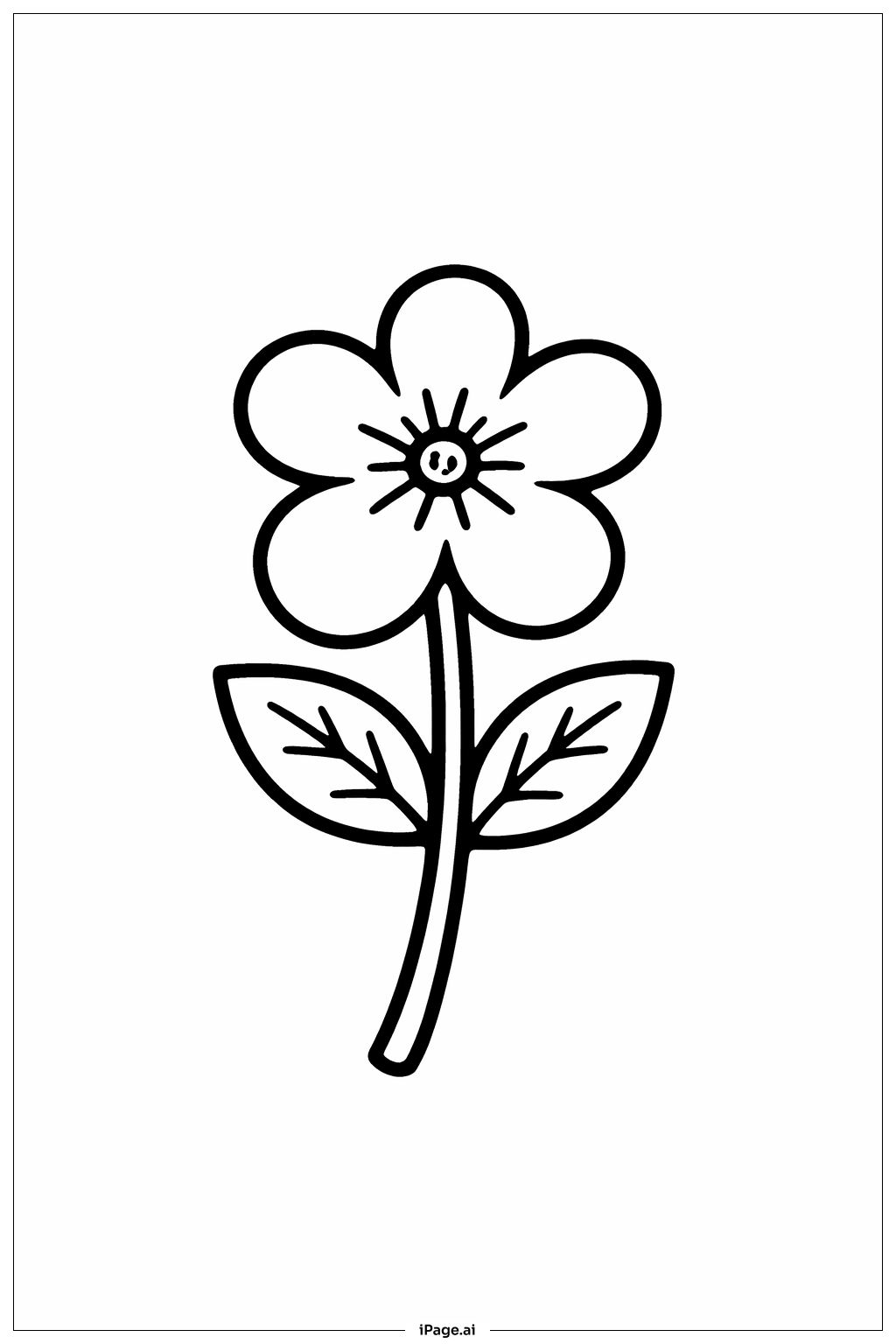
For this May Flower coloring page, consider using soft pastel colors for the petals to capture the gentle springtime feel. Light pinks, purples, or soft yellows would work beautifully. Use different shades of green for the leaves to show their varying shapes and textures—try mixing light and dark greens for depth. The ladybug can be a bright red with small black spots to stand out against the leaves. For the stems, a warm brown or green will complement the flowers nicely. Using colored pencils or crayons with light pressure can help create subtle color variations on the petals and leaves. Adding some gentle shading with a darker color along the edges can make the flowers pop. Remember, it’s all about having fun and experimenting with colors while bringing the May Flower to life.
Coloring challenges: Which parts are difficult to color and need attention for May Flower coloring page?
• The small size of the flower petals requires careful, precise coloring to avoid coloring outside the lines. Children may find it challenging to stay within the delicate outlines, especially around the petals’ curves.
• The veins on the leaves are fine and detailed, demanding steady hands to color without smudging or overlapping these small sections.
• Coloring the ladybug accurately needs attention, as the spots are tiny and must be colored distinctly in black while keeping the red smooth.
• Balancing light and dark greens on the leaves for realistic shading may be difficult for beginners, who might end up with flat-looking leaves without tonal variation.
• The arrangement of multiple flowers close together means colors need to be varied subtly to avoid blending them into one indistinct mass, which requires thoughtful color choices and patience.
Benefits of coloring books: Advantages of drawing May Flower coloring page
Coloring the May Flower image encourages focus and fine motor skills as children carefully fill in the detailed petals and leaves. It also develops patience and hand-eye coordination when working on small, intricate parts like the ladybug and leaf veins. This activity stimulates creativity by inviting kids to experiment with soft spring colors and shading techniques. Engaging with nature-inspired art fosters an appreciation for plants and flowers, enhancing observational skills. Overall, coloring this page supports artistic confidence and mindfulness, providing a relaxing and enriching experience for children aged 4 to 16.