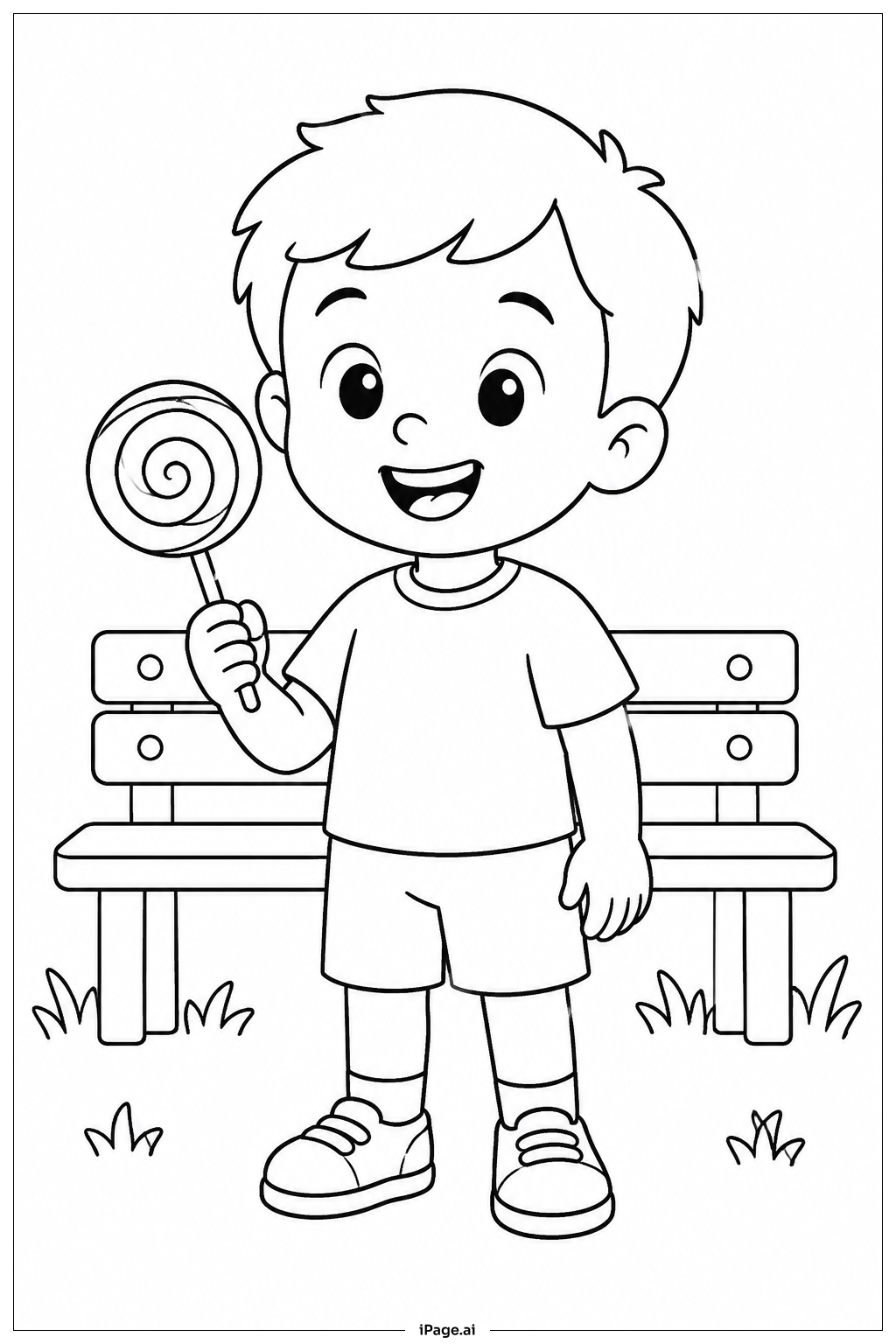
Coloring tips: How to color Child Holding Lollipop coloring page well?
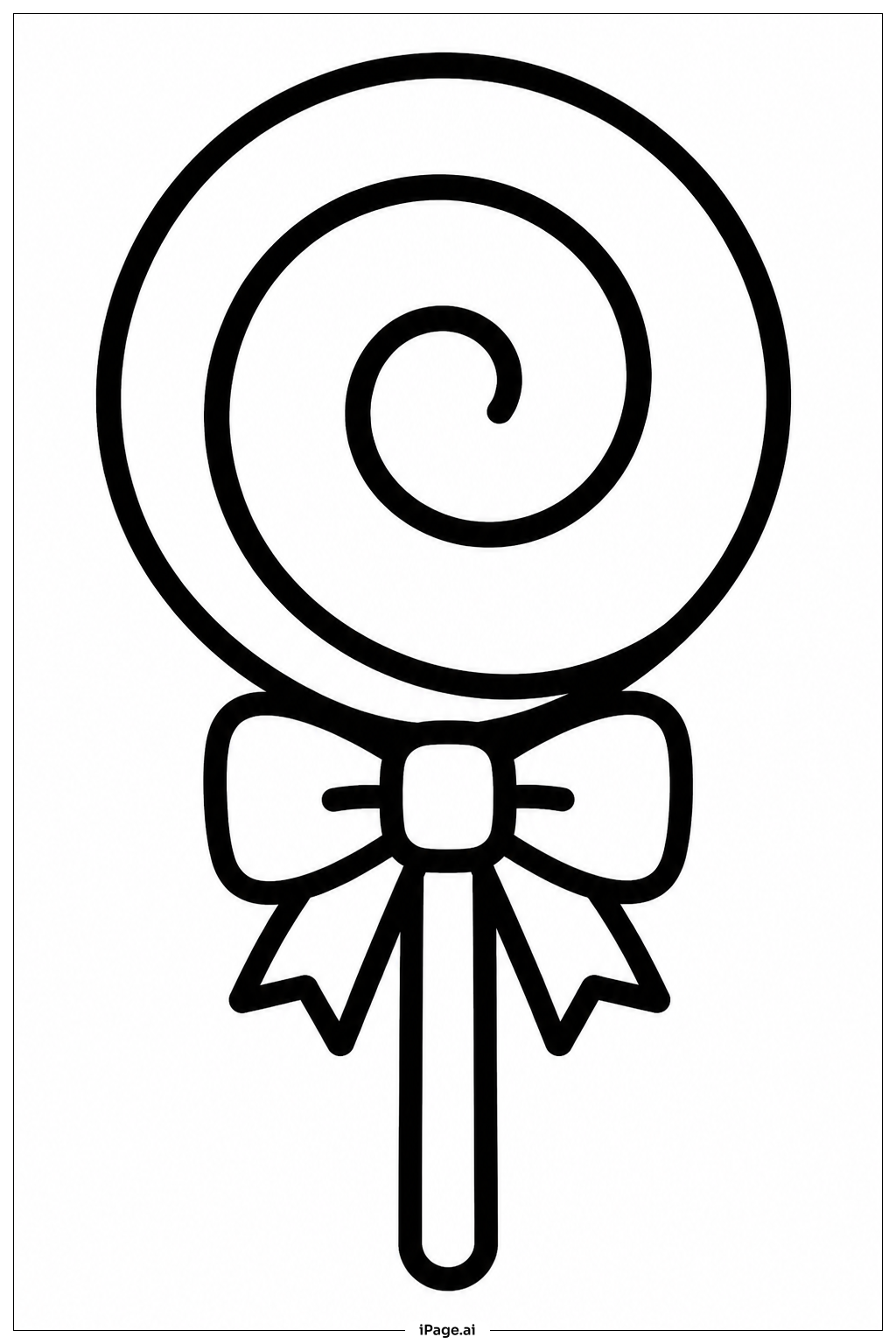
Start with the lollipop! Use bright, bold colors like red, pink, orange, or yellow for the swirling spiral sections. Alternate two or three colors to make the swirl stand out. For the stick, use a light brown or white. Next, color the child's skin with a soft peach or warm brown tone. Choose fun colors for the clothing, like a bright blue shirt and green pants or a colorful dress. Use golden yellow or dark brown for the hair. Keep the background light, maybe a soft sky blue or pale yellow, so the child and lollipop stay the focus. Use crayons, colored pencils, or markers. Bright colors make this scene feel extra fun and sweet!
Coloring challenges: Which parts are difficult to color and need attention for Child Holding Lollipop coloring page?
• Lollipop Swirl Pattern: The spiral design on the lollipop requires careful attention. Coloring each section of the swirl in alternating colors without going outside the lines can be tricky, especially for younger children. Take your time and use a sharp pencil or thin marker for the smaller sections near the center of the swirl.
• Small Facial Features: The child's face includes tiny details like the eyes, nose, and mouth. These small areas need a steady hand and a fine-tipped tool to color neatly. Coloring the eyes with a bright color and adding a small white highlight can bring the face to life.
• Clothing Details and Folds: The child's clothes may have small folds, buttons, or decorative elements. Staying within these narrow areas while keeping colors smooth and consistent can be challenging. Use short, light strokes to fill in clothing details without muddying the colors.
• Hair Texture and Layering: Hair strands and layers require blending or careful shading to look natural and full. Whether the hair is curly or straight, try using two shades of the same color to add depth. Color in the direction of the hair strands for a more realistic look.
• Background Balance: Choosing the right background color is important so it does not overpower the main subject. A soft or pastel color works best. Keeping the background evenly filled without streaks can also be a challenge, especially when using crayons or colored pencils over a large area.
Benefits of coloring books: Advantages of drawing Child Holding Lollipop coloring page
Coloring this fun image of a child holding a lollipop offers many great benefits for young artists. It helps children develop fine motor skills as they carefully fill in the spiral swirl of the lollipop and the small details on the child's face and clothing. This kind of focused work strengthens hand and finger muscles, which is important for writing and other daily tasks. The image also sparks creativity. Kids get to choose their own color combinations, making each finished page unique and personal. This boosts confidence and encourages self-expression. Coloring also supports focus and concentration. Sitting down to complete a detailed image like this trains children to pay attention and work patiently toward a goal. It is a calm, screen-free activity that helps reduce stress and anxiety. Sharing the finished coloring page with family or friends gives children a sense of pride and accomplishment. Overall, this sweet and joyful scene makes coloring a truly rewarding experience for children of all ages.