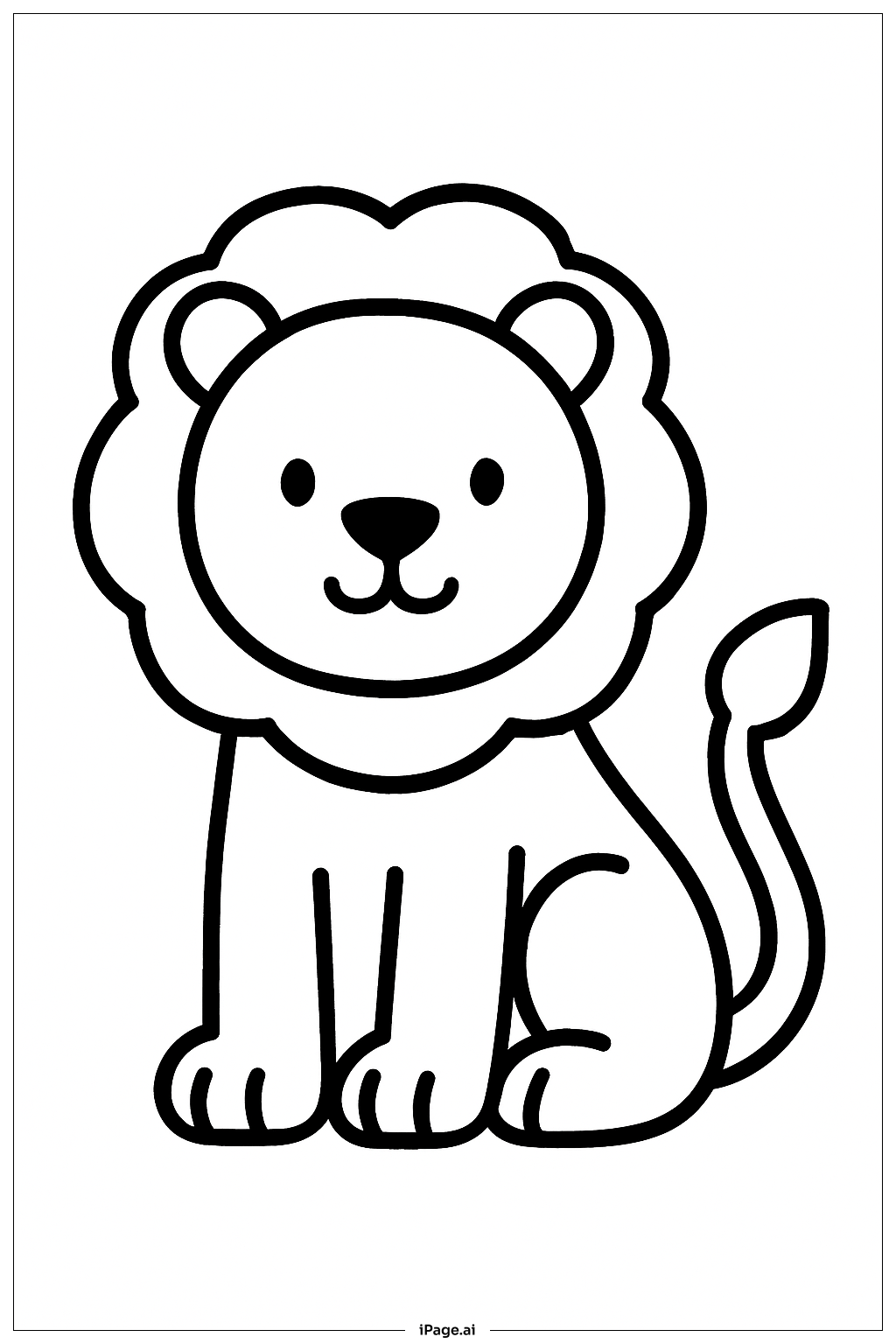
Coloring tips: How to color Sitting Lion With Tail coloring page well?
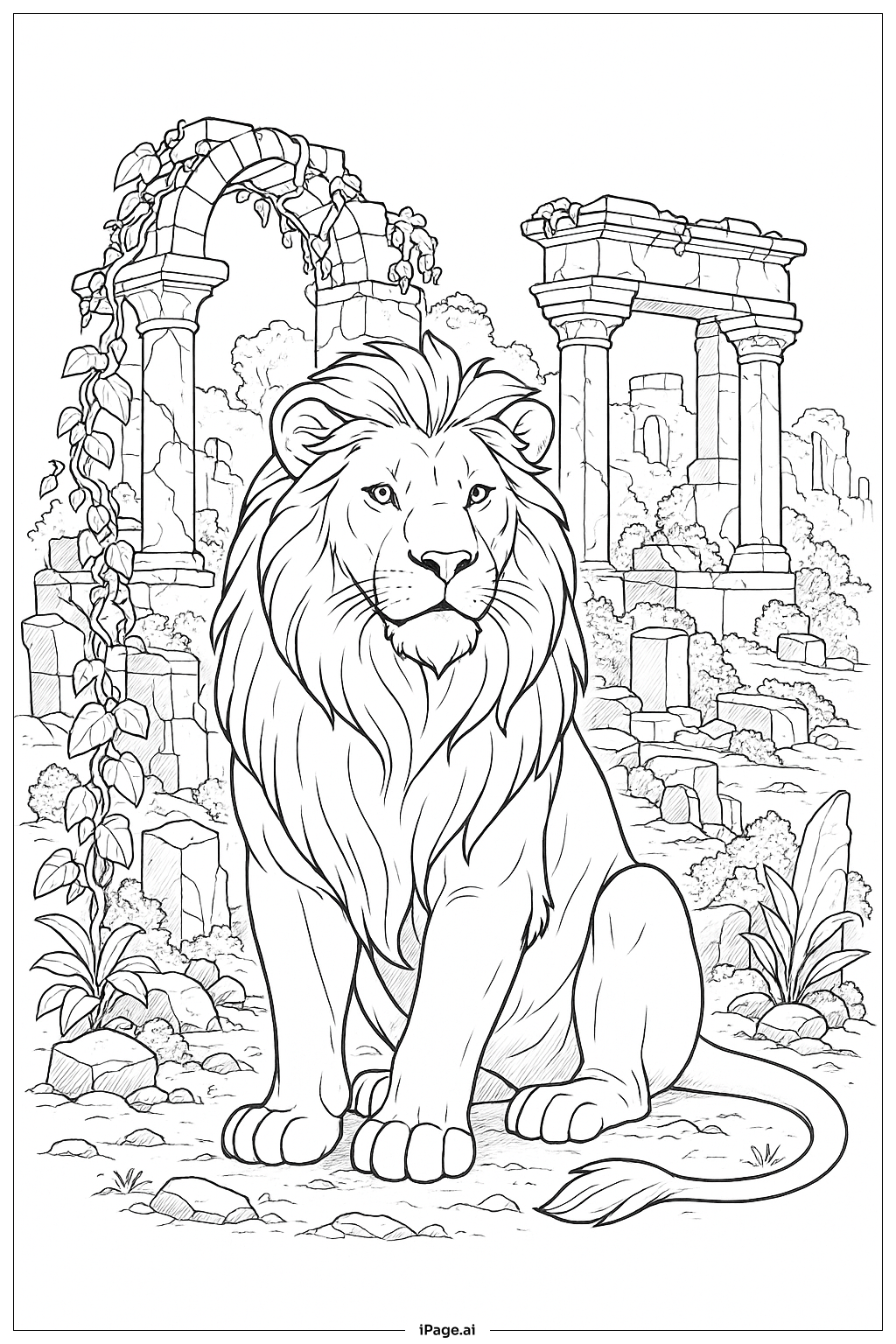
For this lion coloring page, start with warm golden yellows and tans for the main body, creating a realistic base color. The magnificent mane offers a wonderful opportunity to blend multiple shades - try combining golden brown, amber, dark orange, and even hints of reddish-brown to create depth and dimension. Use darker browns along the edges of the mane to make it look fuller and more dramatic. The tail tuft can match the mane colors for consistency. Add light peach or cream tones to the chest, belly, and inner legs for natural contrast. The nose can be colored in soft pink or tan, while the eyes might be amber, green, or golden. Consider adding subtle shading under the body and around the muscles to bring your lion to life.
Coloring challenges: Which parts are difficult to color and need attention for Sitting Lion With Tail coloring page?
• Mane Texture and Layering: The lion's mane contains numerous overlapping layers and flowing strands that create complex patterns. Coloring each section while maintaining visual separation between layers requires careful color choices and shading techniques. Children may find it challenging to decide which sections should be darker or lighter to create realistic depth and avoid a flat appearance.
• Smooth Color Blending: Creating smooth transitions between different shades on the lion's body, especially where the mane meets the face and neck, requires patience and skill. Young colorists might struggle with preventing harsh lines between colors or achieving gradual shading that looks natural rather than patchy or streaky.
• Maintaining Consistent Direction: The fur and mane flow in specific directions that should be reflected in coloring strokes. Following these natural patterns while staying within the lines demands focus and fine motor control, which can be tiring for younger children working on such a detailed image.
• Small Detail Areas: The facial features, including eyes, nose, and mouth, contain small spaces that require precision coloring. The tail tuft also has fine details that need careful attention. Using the right tool pressure and maintaining steady hands in these tiny areas can be frustrating for children still developing their coloring skills.
Benefits of coloring books: Advantages of drawing Sitting Lion With Tail coloring page
Coloring this sitting lion helps children develop fine motor skills and hand-eye coordination through the detailed mane work and precise facial features. The complex layering in the mane encourages planning and decision-making as kids choose color combinations and shading techniques. This image teaches about animal anatomy and the distinctive features that make lions recognizable, supporting educational learning about wildlife. The calm, sitting pose of the lion can have a soothing effect, helping children practice patience and concentration during the coloring process. Working through the challenges of this detailed image builds confidence and perseverance. The natural subject matter connects children with the animal kingdom and can spark curiosity about lions, their habitats, and conservation efforts.