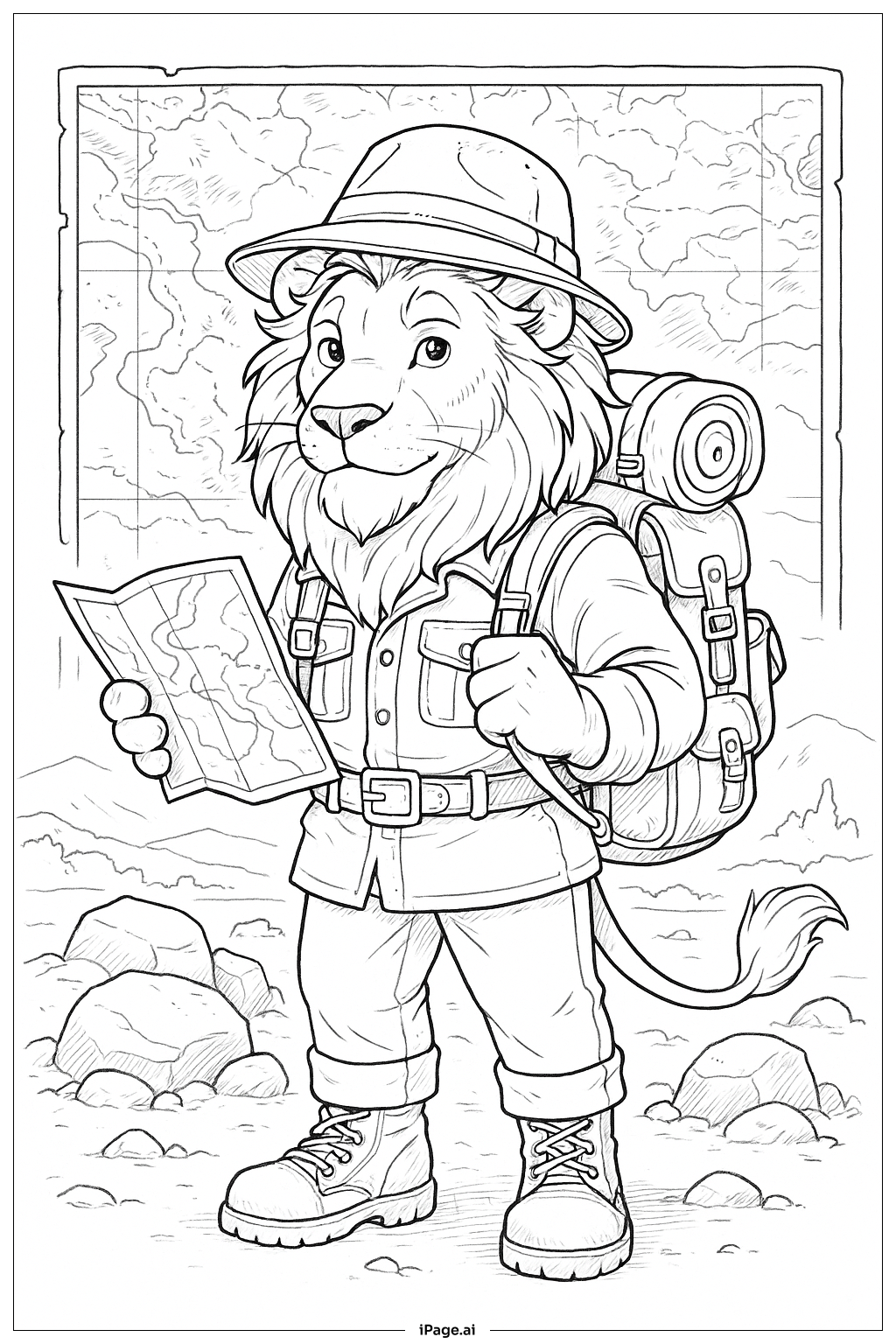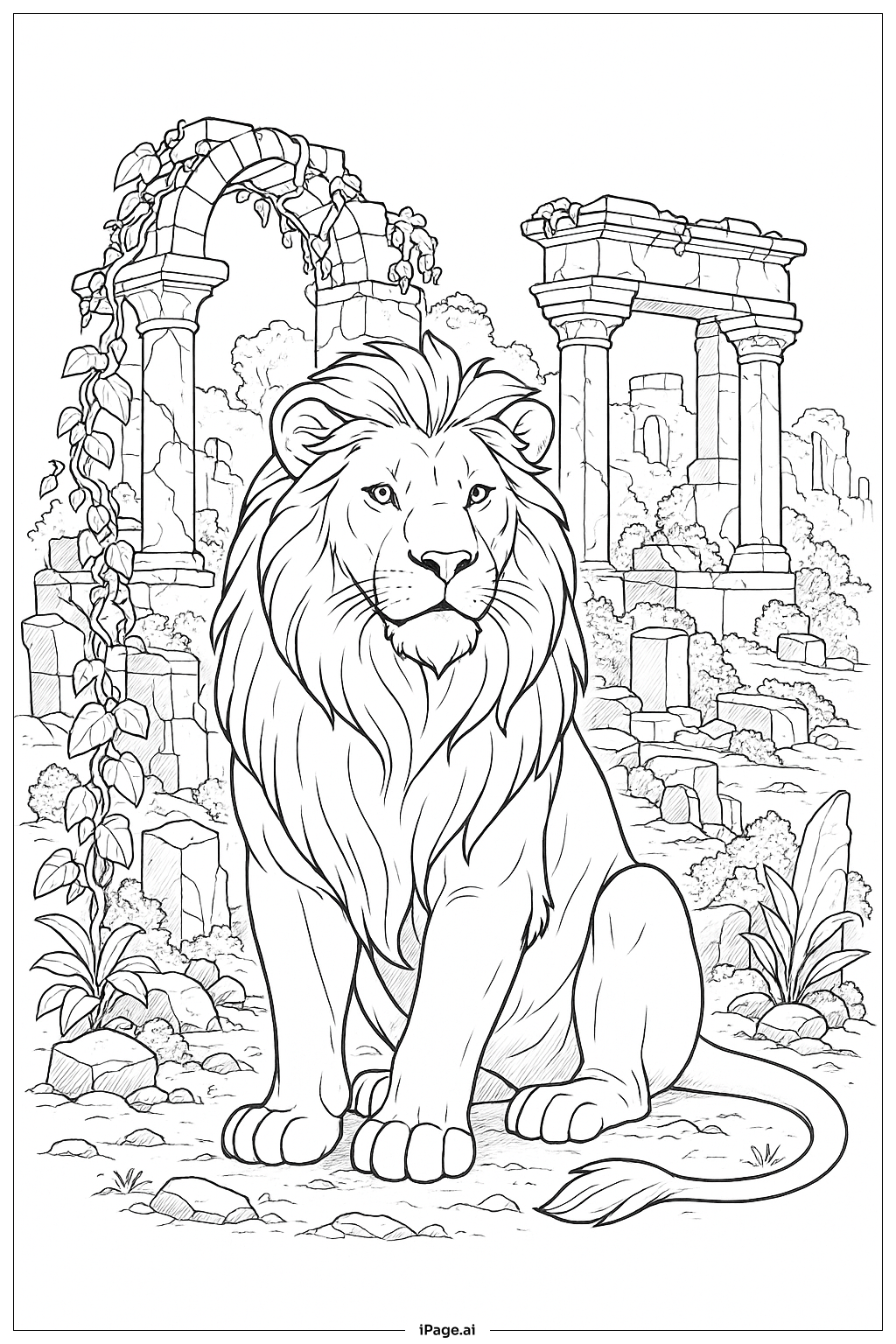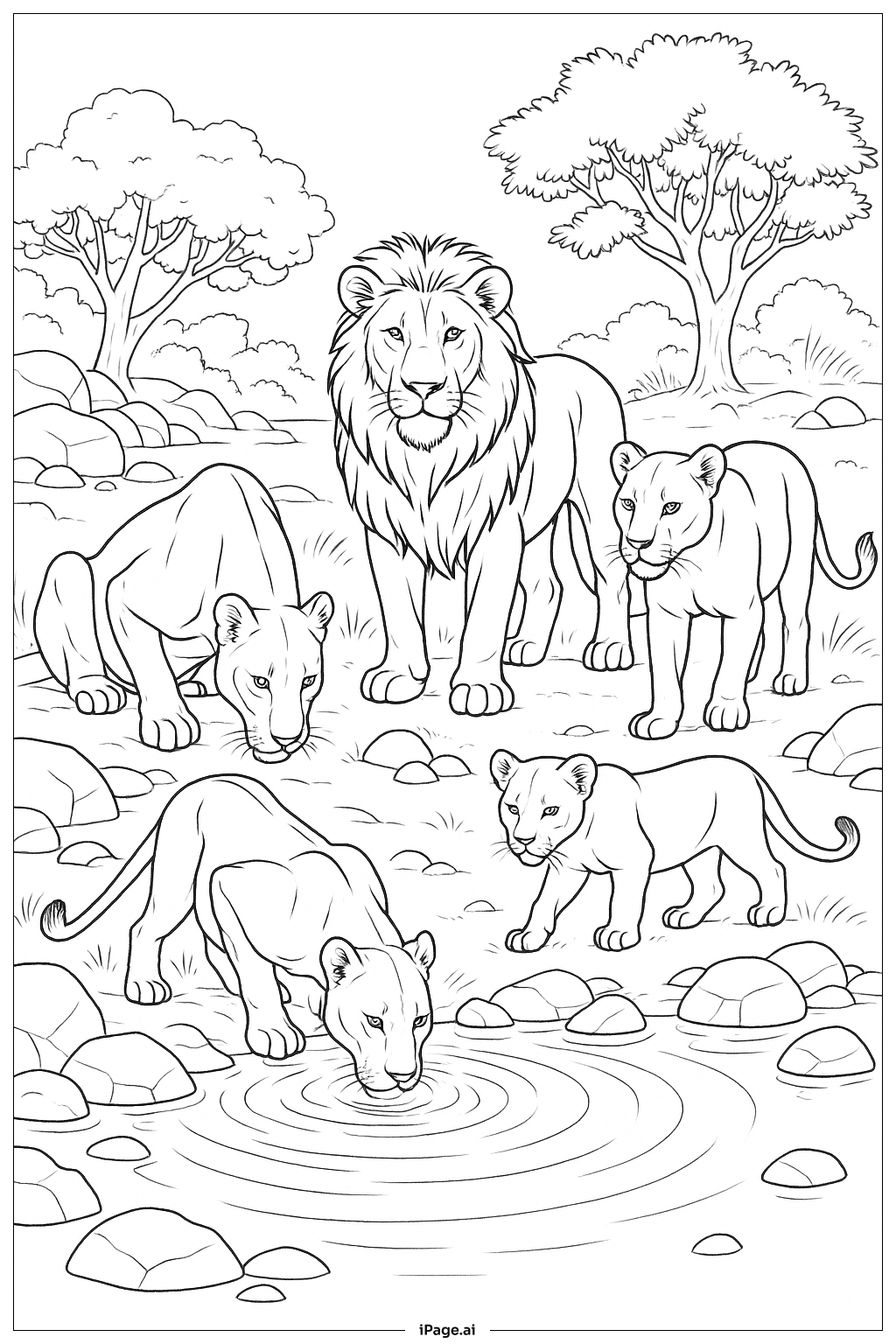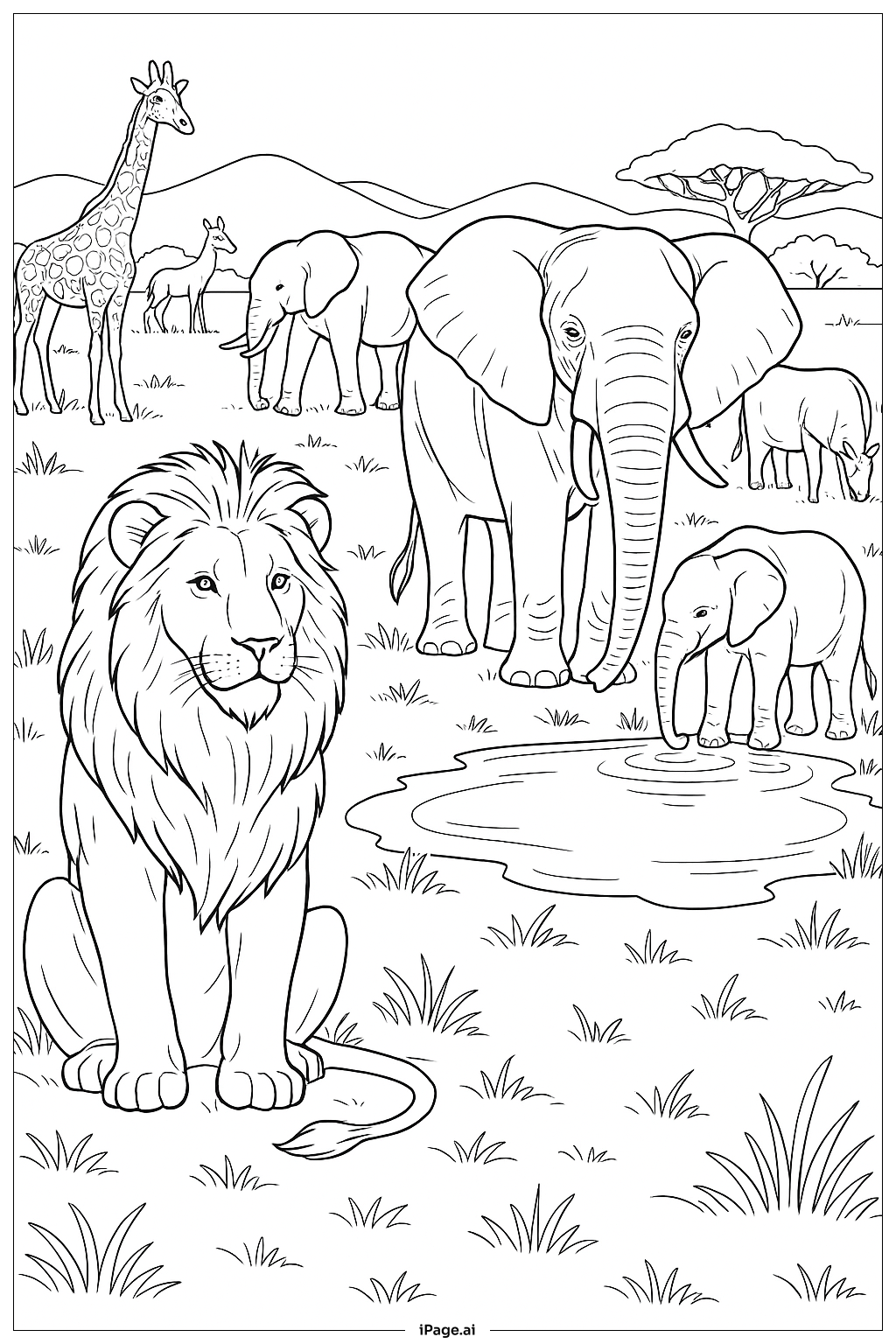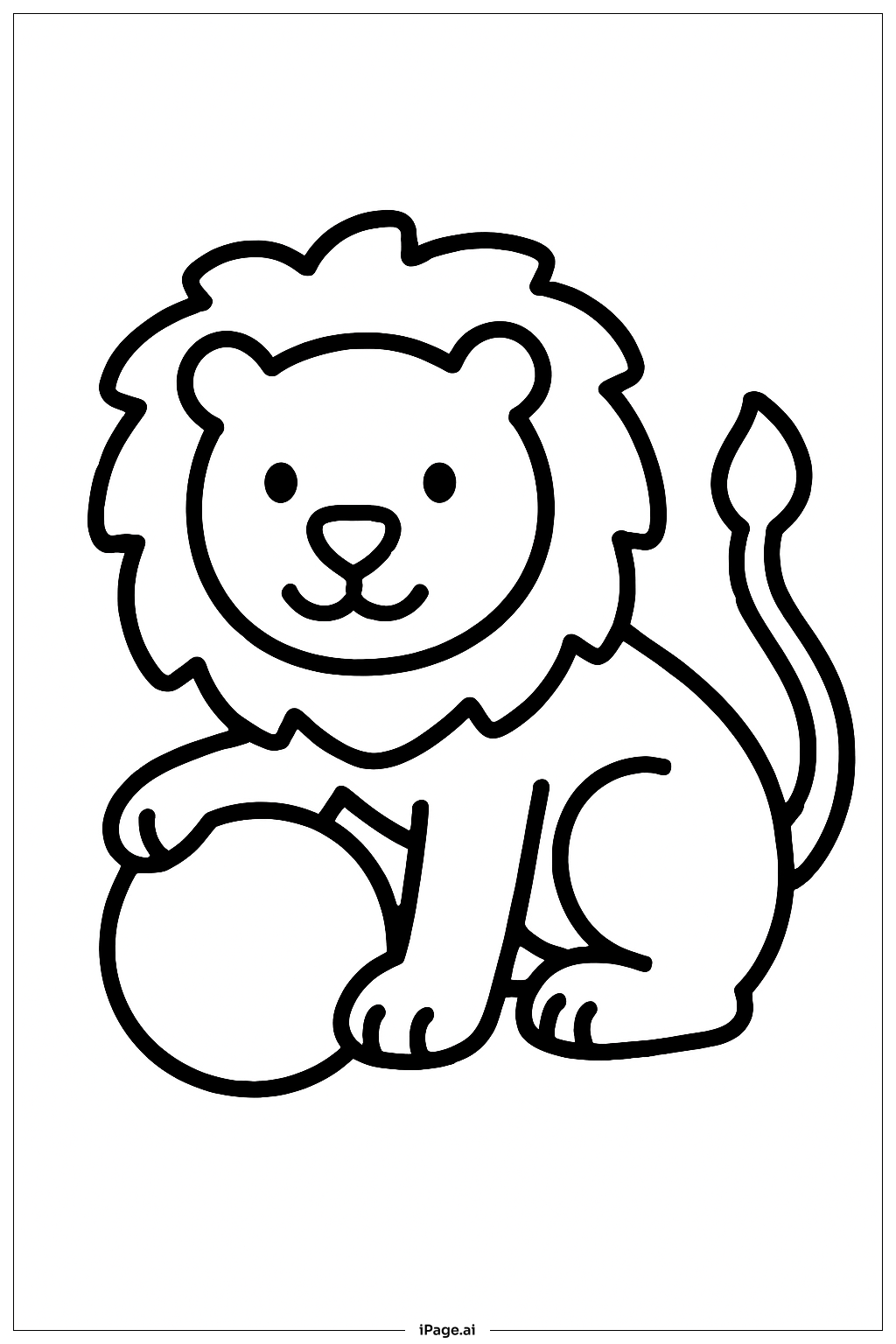
Coloring tips: How to color Lion With Ball coloring page well?
For the lion’s mane, try using warm colors like different shades of orange, yellow, and brown to show its natural furry look. The face and body can be colored with lighter tan or beige. The ball can be playful with bright colors such as red, blue, or green to make it stand out. Use a slightly darker or lighter color for the lion’s tail tuft to add some contrast. You can also add some creative patterns or spots on the ball to make the image more interesting. Don’t forget to color the claws and nose with black or dark brown for definition.
Coloring challenges: Which parts are difficult to color and need attention for Lion With Ball coloring page?
1. Coloring the mane evenly may be tricky because it has many points and curves. It takes careful attention to stay inside the lines and keep the colors neat.
2. The round ball needs smooth coloring to appear three-dimensional. Avoid harsh lines or uneven shading that can make it look flat.
3. The small spaces like the eyes, nose, and claws require precision and a steady hand to avoid coloring outside the lines.
4. Blending different shades on the lion’s body and mane to create a natural furry effect can be challenging for younger kids.
5. Balancing bright and natural colors to keep the lion looking playful yet realistic might need some experimenting with color choices.
Benefits of coloring books: Advantages of drawing Lion With Ball coloring page
Coloring this lion image helps develop fine motor skills and hand-eye coordination. It encourages creativity as children choose colors and experiment with shading. The simple shapes and friendly design make it approachable for young artists, building confidence. Coloring also improves focus and patience while filling in the different parts. Lastly, it introduces children to animals and can spark an interest in wildlife.