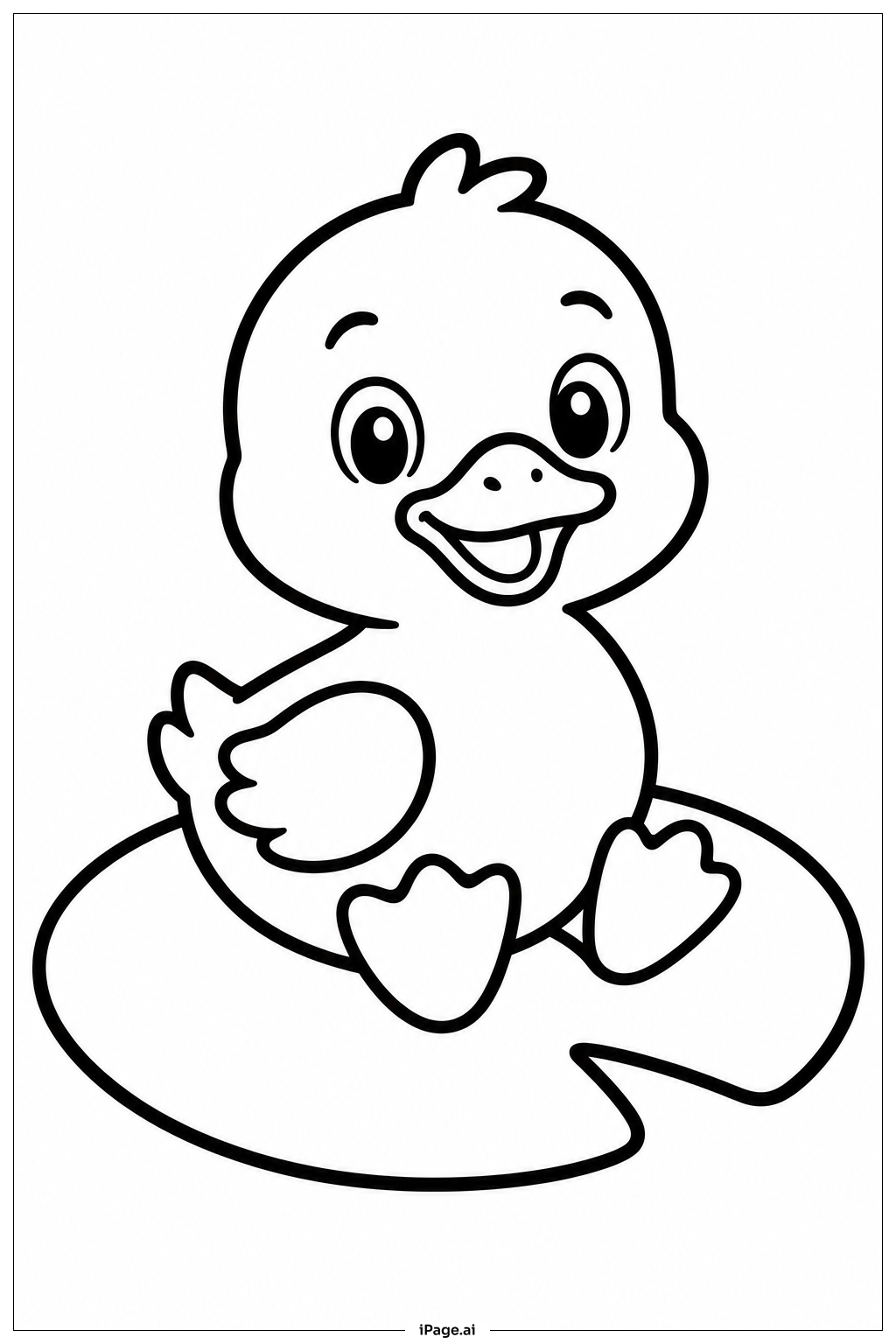
Coloring tips: How to color Sitting Duckling On Lily Pad coloring page well?
To color this picture, try using soft yellows and light browns for the duckling’s feathers to make it look fluffy and gentle. The beak can be colored in bright orange or peach tones. For the Lily Pad, different shades of green work well—from light green for the edges to darker green for the veins—to show depth and texture. You can color the water with blues or turquoise shades and add some gentle variations to reflect ripples. If you want, you can also add tiny touches of light colors like white or pale blue to highlight the water surface and make the scene more lively. Keep your strokes light and smooth to create a calm, peaceful vibe.
Coloring challenges: Which parts are difficult to color and need attention for Sitting Duckling On Lily Pad coloring page?
• Feather Details: The duckling’s feathers have many tiny lines and soft shapes, which can be tricky to color neatly while showing their fluffiness. Using smooth, gentle strokes helps.
• Lily Pad Veins: The veins on the lily pad are fine lines requiring careful coloring to avoid covering them while still showing the leaf’s texture.
• Blending Greens: Creating a natural look for the lily pad means blending different green tones without making it look flat or too busy.
• Water Ripples: The ripples around the lily pad are subtle and need a delicate touch with blues or greys to look realistic and calm.
• Small Spaces: The duckling’s beak and feet have small areas that need attention to detail, requiring steady hand movements to stay inside the lines.
Benefits of coloring books: Advantages of drawing Sitting Duckling On Lily Pad coloring page
Coloring this image helps develop fine motor skills by encouraging careful hand control for the small details like feathers and veins. It also boosts creativity because children can experiment with different shades of green and blue to create a natural water scene. The simple peaceful subject can help young artists improve focus and patience. Coloring the duckling encourages attention to texture, teaching how different colors and strokes can show softness or smoothness. Overall, it’s a calming picture that makes the coloring experience both relaxing and educational.