Coloring tips: How to color Dragonfly On Lily Pad coloring page well?
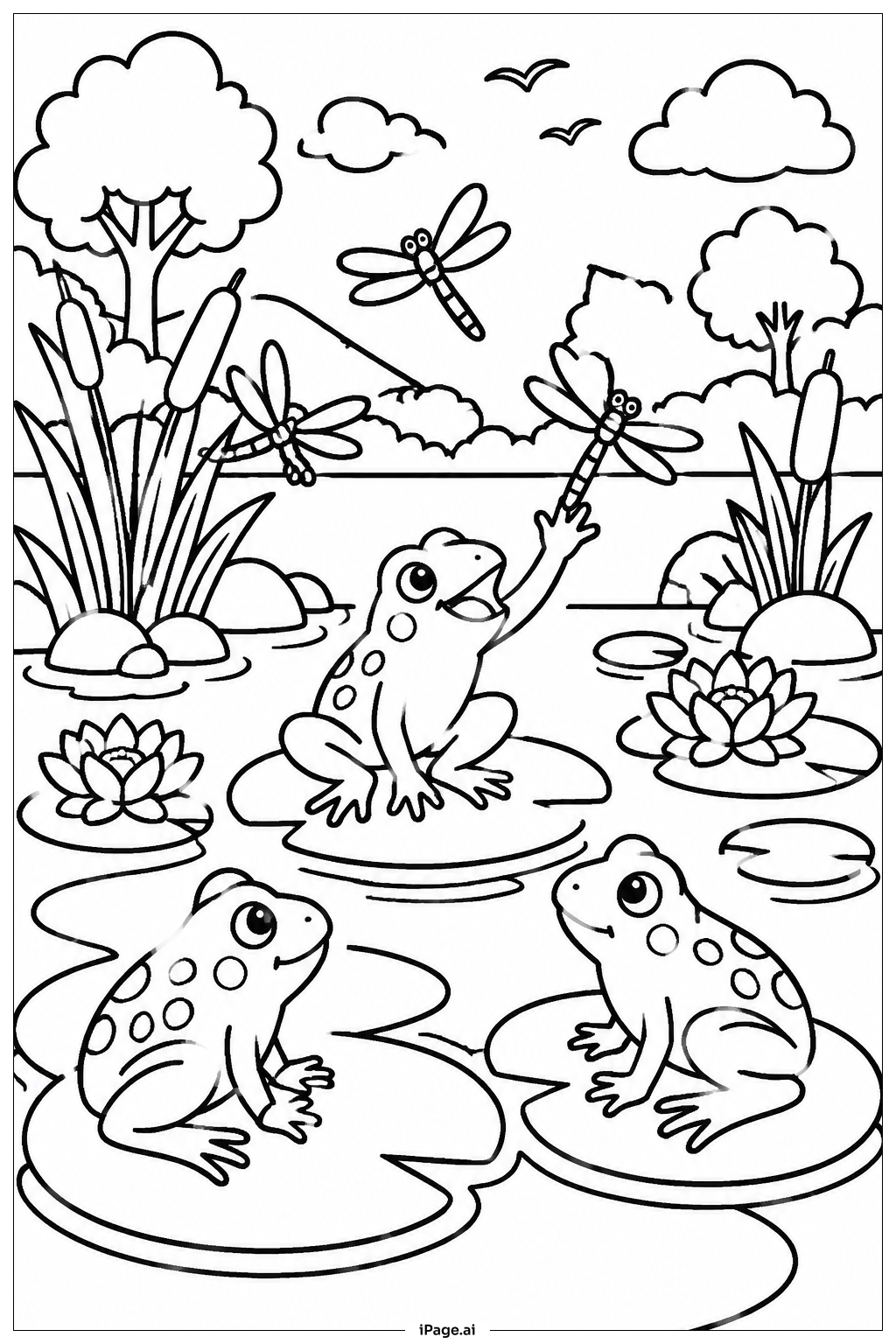
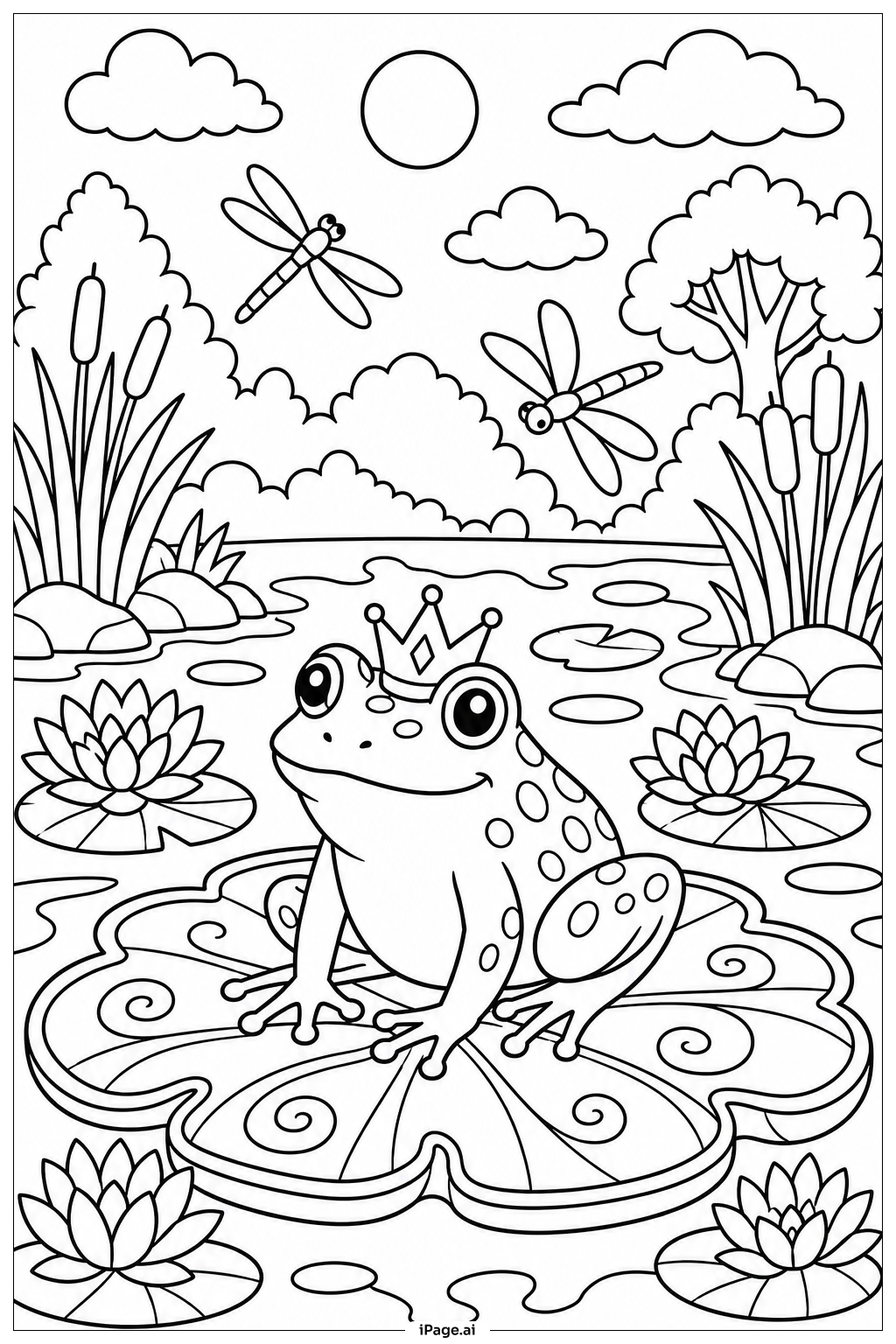
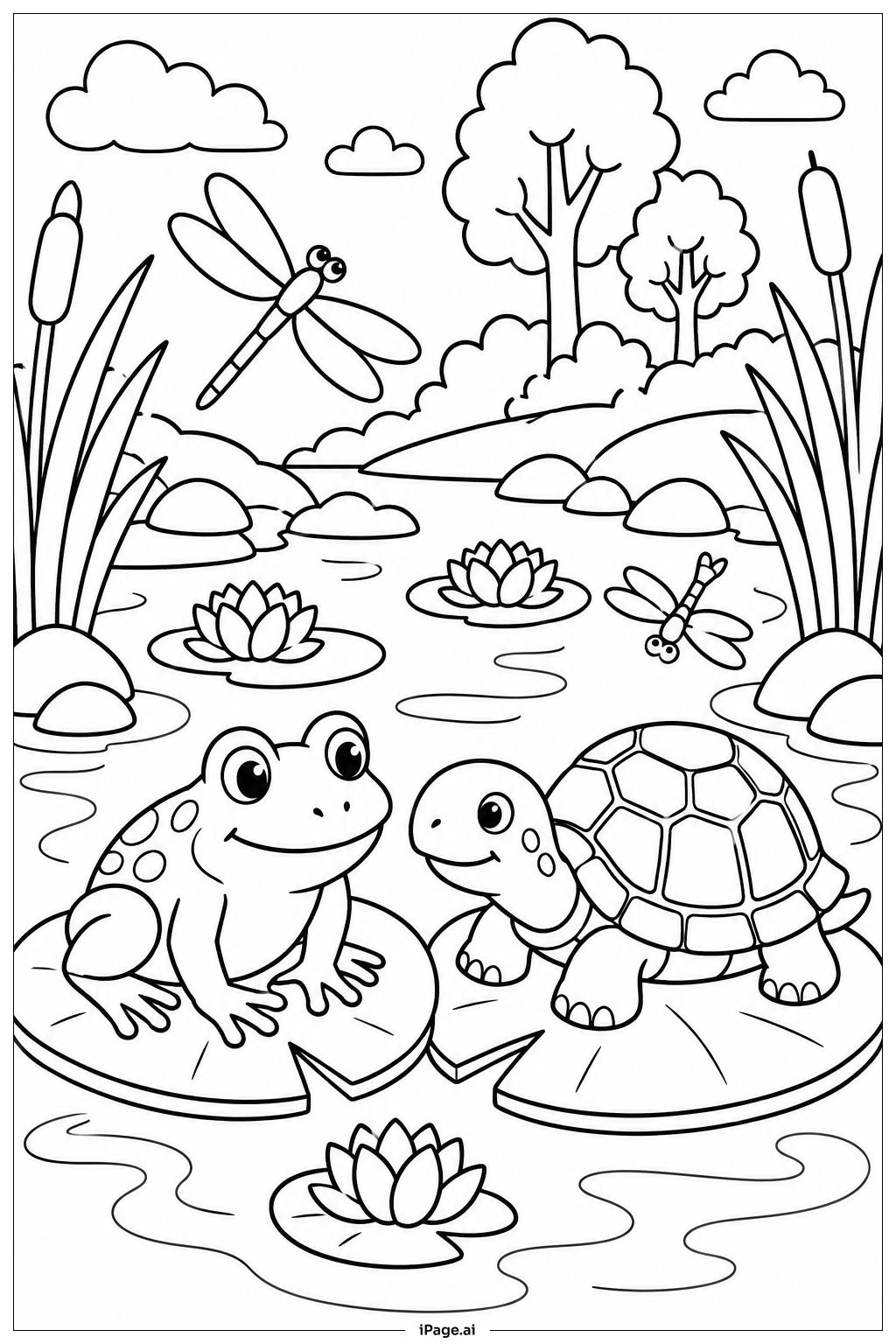
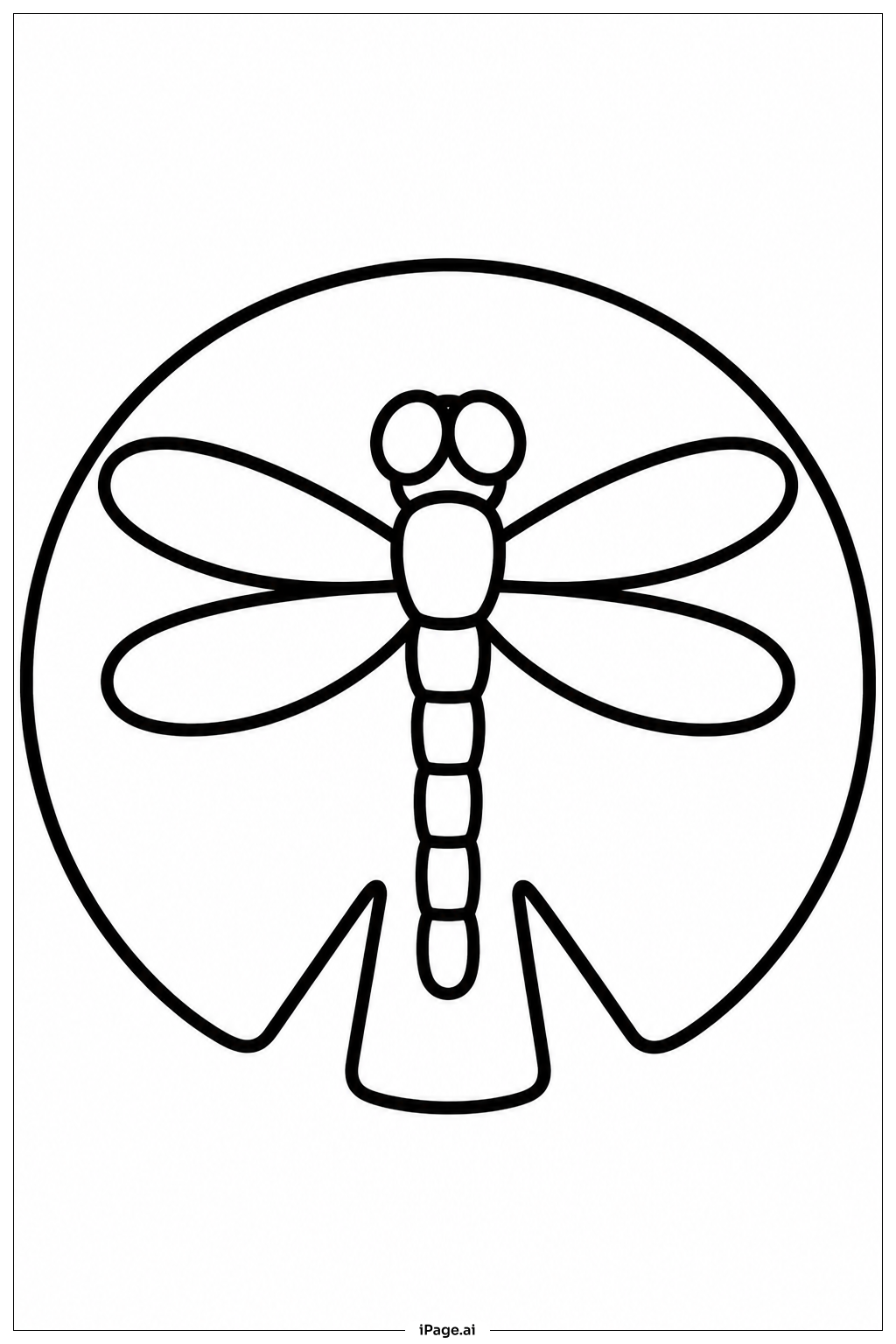
For this Dragonfly On Lily Pad image, you can use bright and natural colors to bring it to life. Choose shades of green for the lily pad—try mixing light and dark greens to show shadows and texture. The dragonfly’s wings can be colored in soft blues, shimmering silvers, or even light purples to reflect their delicate, translucent nature. Adding hints of yellow or orange for the body will create a nice contrast. You might also color the water in calm blues or gentle turquoise shades, with some white or pale blue highlights to show ripples. Use gentle strokes to keep the colors smooth and blend softly. Feel free to add some tiny details or colorful flowers nearby for extra fun.
Coloring challenges: Which parts are difficult to color and need attention for Dragonfly On Lily Pad coloring page?
• Fine Wing Details: The dragonfly’s wings have many small veins and thin lines that require careful coloring to avoid smudging or coloring outside the lines. Staying steady and using fine-tipped coloring tools helps. • Leaf Texture: The lily pad has subtle veins and shading that you need to color in a way that shows its curved surface. Balancing light and dark greens is a challenge to keep it realistic. • Small Size vs. Large Areas: The dragonfly is detailed but small compared to the wide lily pad and surrounding water. Coloring both tiny parts and large flat spaces can be tricky without overusing one color or making the dragonfly stand out too much. • Water Ripples: Showing the gentle movement of water around the lily pad means careful blending of blues and whites. It takes patience to create smooth transitions. • Keeping Color Layers Clean: Since many parts overlap or are close, it is important to color slowly and separate colors using light layers or outlines to keep edges sharp and clear.
Benefits of coloring books: Advantages of drawing Dragonfly On Lily Pad coloring page
Coloring this Dragonfly On Lily Pad image helps improve fine motor skills because it requires careful control within small wing details and leaf textures. It encourages focus and patience as children learn to balance coloring large areas and tiny parts. The natural subject teaches appreciation for nature’s delicate beauty, promoting creativity in choosing colors that mimic real life or imaginative versions. It also supports hand-eye coordination and encourages relaxation through repetitive, calming coloring motions. For older kids, it offers a chance to practice shading and blending, which builds artistic confidence and attention to detail.