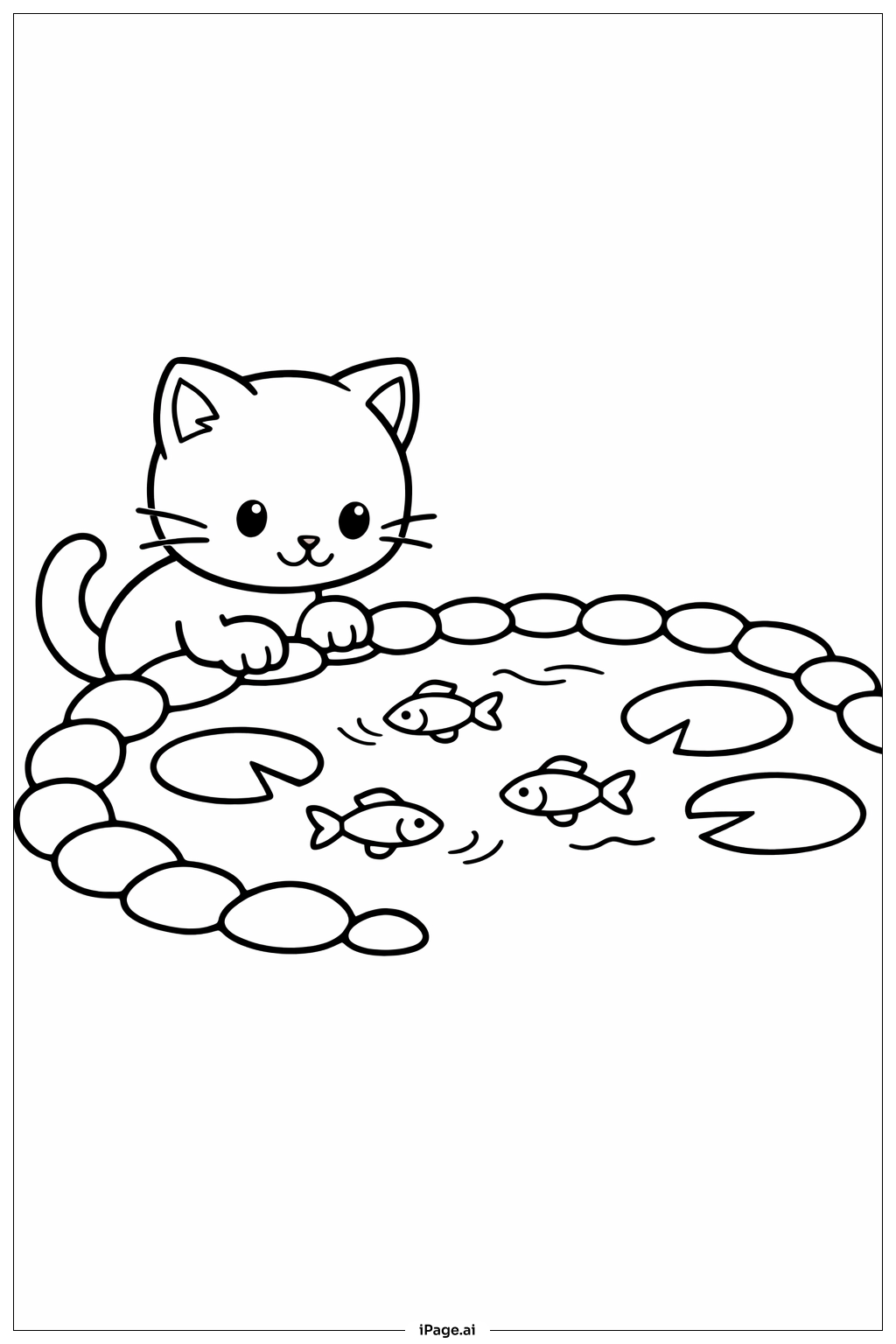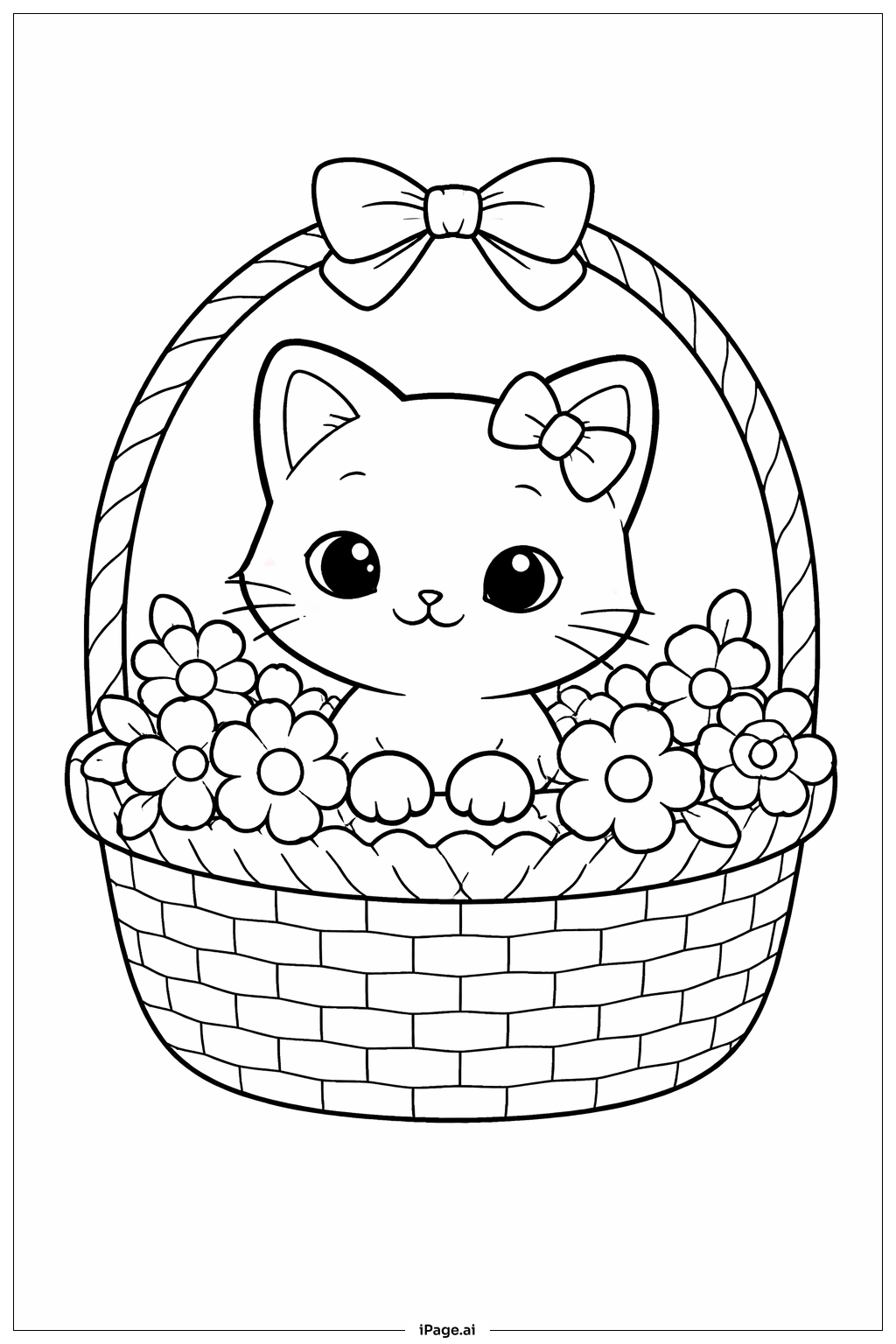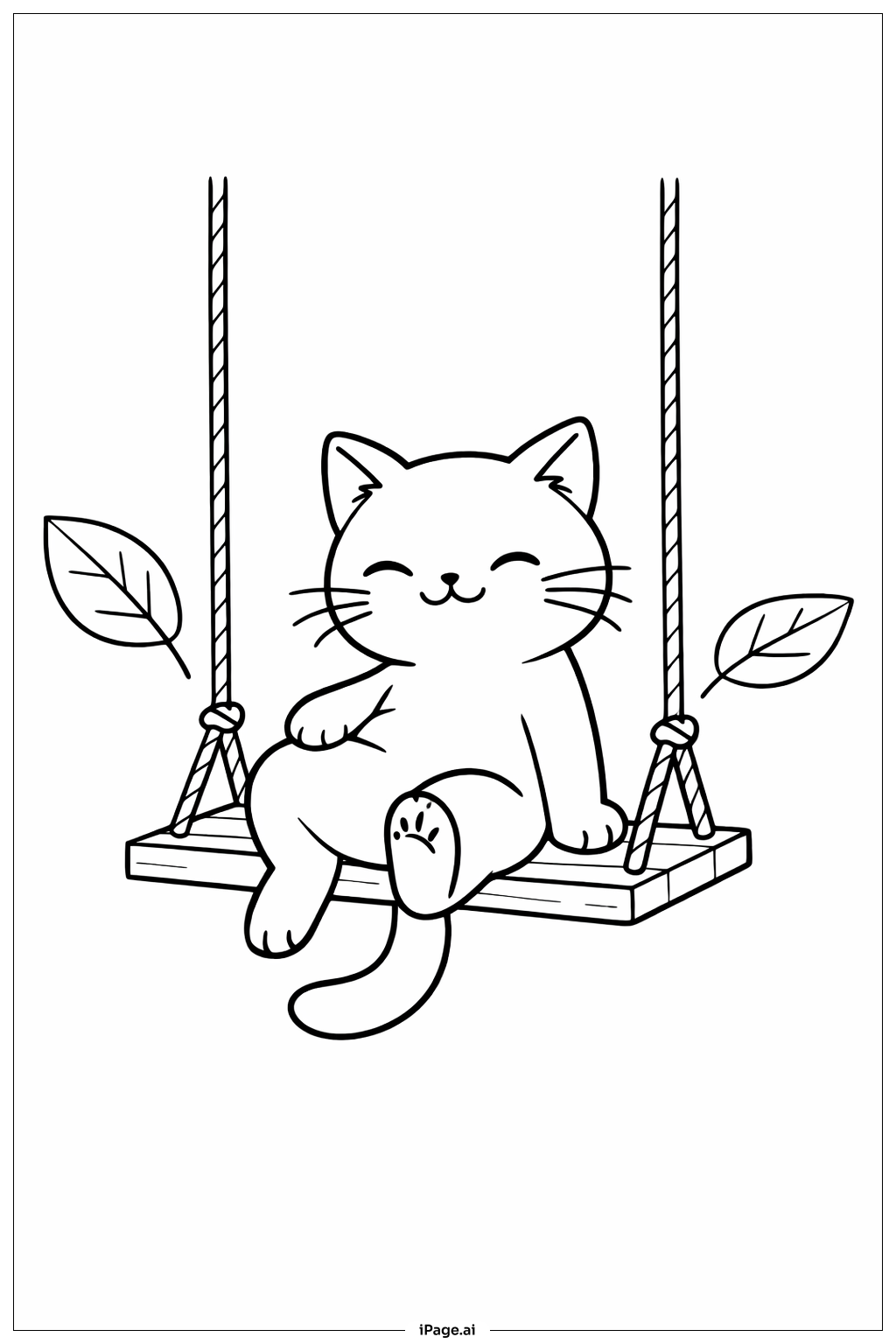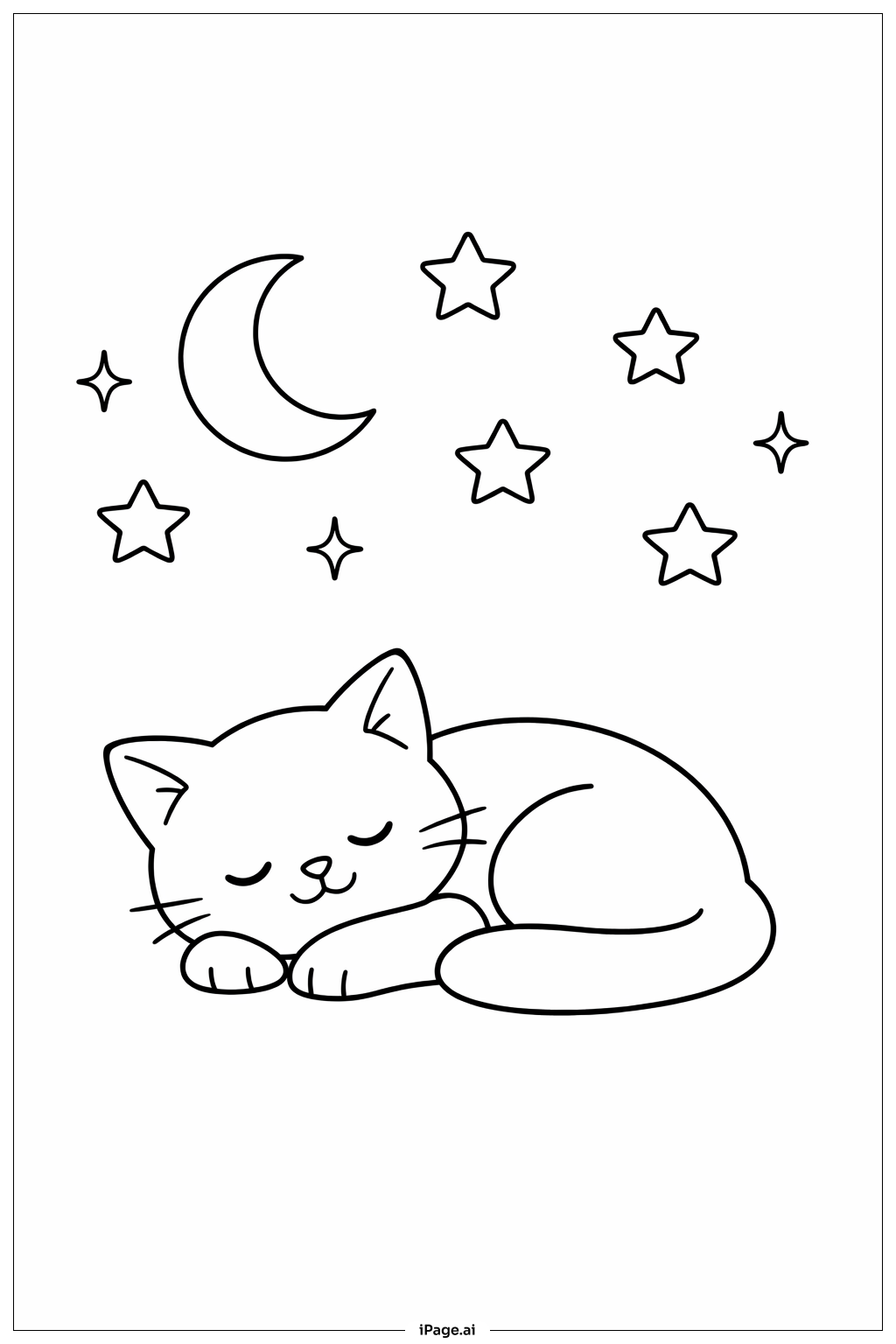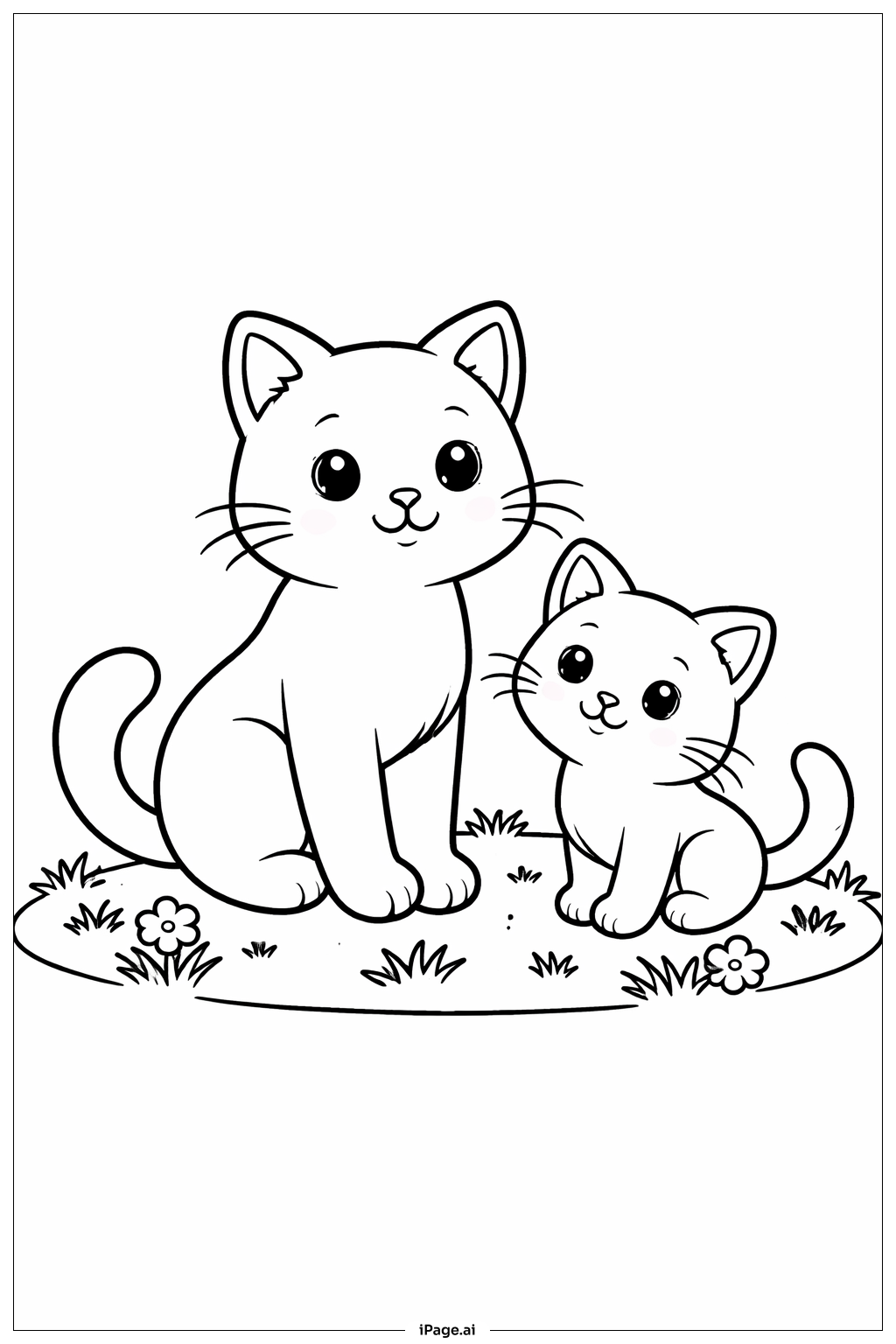
Coloring tips: How to color Kitty Cat With Kitten Friend coloring page well?
For the larger kitty cat, consider classic colors like orange tabby with darker stripes, gray with white patches, or solid black. The kitten could match its friend or be a contrasting color like white, cream, or calico patterns. Use pink for the inner ears and nose to add sweet details. Their eyes can be green, blue, amber, or gold. Try shading the fur with lighter and darker tones of the same color to create depth and fluffiness. Add rosy cheeks with light pink for extra charm. The background can be soft pastels like lavender, mint green, or sunny yellow to make the cats stand out, or use nature-inspired colors if there are environmental elements.
Coloring challenges: Which parts are difficult to color and need attention for Kitty Cat With Kitten Friend coloring page?
• Fur Texture and Direction: Creating realistic fur texture requires careful attention to the direction of strokes and layering different shades. The larger cat and smaller kitten each need distinct fur patterns that follow their body contours. Young colorists may find it challenging to maintain consistent stroke direction, especially around curved areas like the tail, back, and face. Blending multiple tones to achieve a soft, fluffy appearance takes practice and patience.
• Size Differences and Proportional Shading: The size contrast between the adult cat and kitten requires different coloring approaches. The larger cat needs more complex shading to show its fuller form, while the kitten needs delicate, lighter touches. Keeping colors consistent between the two characters while adjusting intensity for their different sizes can be tricky. Children may struggle to make the shading look natural on both figures simultaneously.
• Fine Details in Facial Features: Both cats have small details like whiskers, eyes, noses, and inner ear areas that require precision. Coloring within the tiny spaces of the eyes to create depth and shine, adding subtle pink to small nose and inner ear areas, and keeping whiskers clean and visible demands good motor control. Younger children might find these intricate areas frustrating without steady hand coordination.
• Creating Depth and Dimension: Making the cats appear three-dimensional rather than flat requires understanding where light hits and where shadows fall. The areas under the chin, behind the legs, and along the belly need darker shading, while the top of the head, back, and shoulders should be lighter. This concept of light source and shadow placement may be difficult for beginners to grasp and execute properly.
Benefits of coloring books: Advantages of drawing Kitty Cat With Kitten Friend coloring page
Coloring this sweet scene of two feline friends offers wonderful developmental benefits. It helps children practice fine motor skills and hand-eye coordination through detailed work on facial features and fur textures. The size difference between the cats teaches spatial awareness and proportional thinking. Creating realistic fur patterns encourages observational skills as children notice how real cat fur grows and flows. The emotional warmth of the friendship theme promotes social-emotional learning about companionship and caring relationships. Choosing harmonious color combinations develops artistic decision-making and color theory understanding. The varied complexity levels from simple body areas to intricate facial details allow colorists of different skill levels to feel successful while being appropriately challenged. This image also provides a calming, stress-relieving activity as the repetitive motions of coloring fur create a meditative experience.