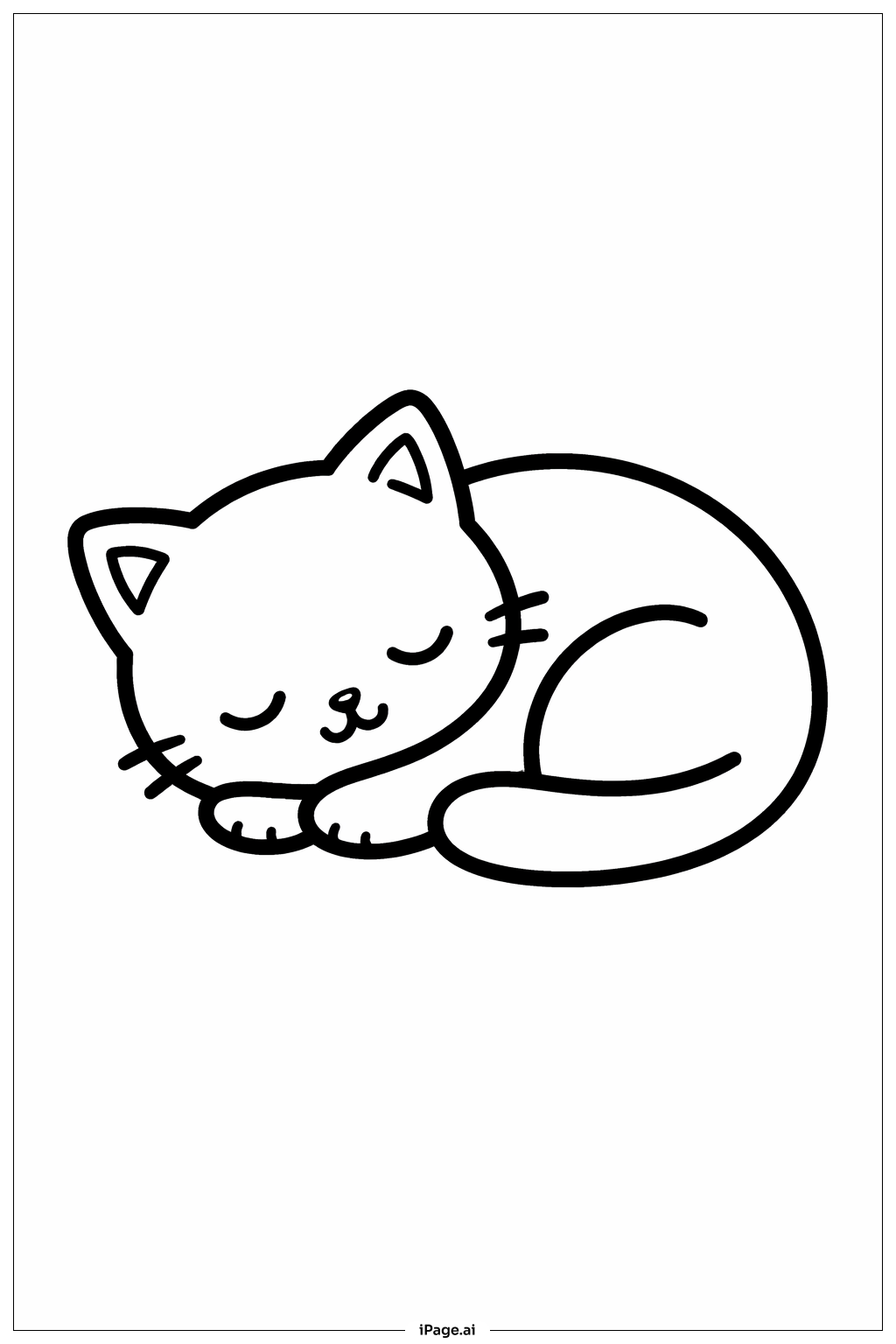
Coloring tips: How to color Kitty Cat Sleeping coloring page well?
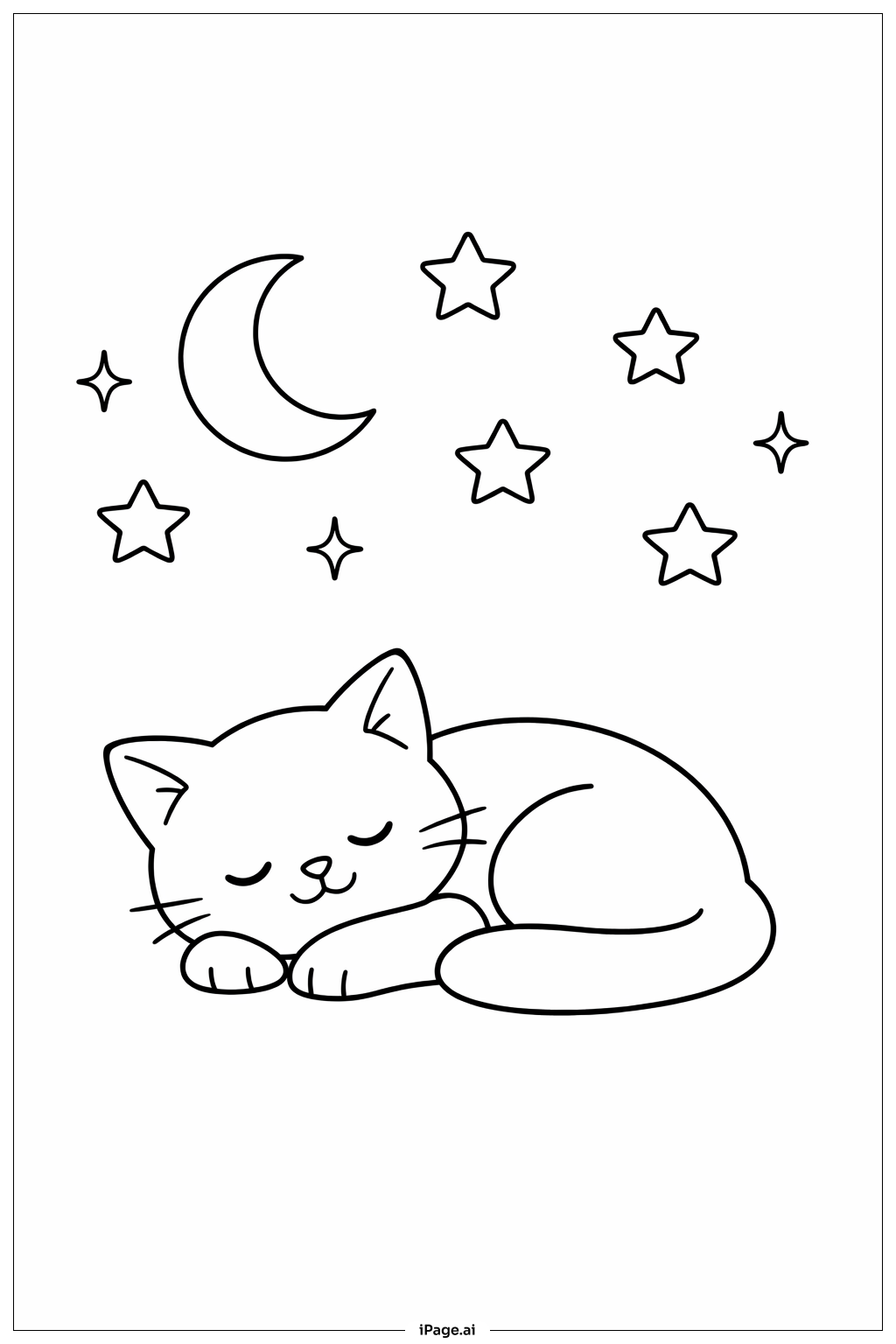
Start with the main body using soft colors like cream, orange, gray, or brown for the fur. Consider using gentle shading techniques to create depth and dimension. Color the inner ears with a light pink to add realistic detail. The nose can be colored in soft pink or coral tones. For a tabby pattern, add stripes in darker shades of your base color. Use lighter colors on the belly and chest area to create natural contrast. The paws can match the body color, with pink toe beans for extra cuteness. Consider adding subtle shadows underneath the cat to show it resting on a surface. You might add a simple background like a cozy blanket, cushion, or sunny windowsill using complementary colors that don't overpower the sleeping kitty.
Coloring challenges: Which parts are difficult to color and need attention for Kitty Cat Sleeping coloring page?
• Fur Texture and Direction: Creating realistic fur texture requires patience and careful stroke direction. Young artists should follow the natural flow of fur from the head toward the tail and from the spine downward. Layering colors and using short, light strokes can build up a fluffy appearance, but this technique requires practice and a steady hand.
• Curved Body Shape and Shading: The circular, curled-up position of the sleeping cat creates many curved surfaces that need proper shading to look three-dimensional. Understanding where light hits the body and where shadows naturally fall can be challenging. The belly, back, and tail all curve differently, requiring varied shading techniques to avoid a flat appearance.
• Fine Details in Small Areas: The whiskers, toe beans, inner ear details, and facial features are small areas that require precision. Younger children may find it difficult to color inside these tiny spaces without going over the lines. The whiskers are particularly tricky as they are thin lines that might be accidentally colored over.
• Color Blending and Gradients: Achieving smooth color transitions for realistic fur, especially if creating a multicolored or tabby pattern, requires blending skills. Moving from light to dark areas smoothly without harsh lines takes practice. Children may struggle with maintaining consistent pressure and choosing colors that blend well together.
• Maintaining Clean Lines: The overlapping elements like the tail wrapped around the body, paws tucked under, and the rounded form create areas where lines meet and overlap. Keeping these boundaries clear while coloring requires careful attention and control, especially for younger artists still developing fine motor skills.
Benefits of coloring books: Advantages of drawing Kitty Cat Sleeping coloring page
Coloring this peaceful sleeping kitty helps children develop important fine motor skills and hand-eye coordination as they carefully fill in the curved shapes and small details. The gentle, calming subject matter promotes relaxation and can be especially soothing for children who love animals. Working on the fur texture encourages experimentation with different coloring techniques like layering and blending. This image teaches children about animal anatomy and natural resting positions in a fun, engaging way. The curved lines and circular composition help young artists practice following contours and understanding three-dimensional shapes on paper. Completing this page builds patience and concentration as children work through the various details. It also sparks creativity as they choose their own color combinations and patterns. For cat lovers, this coloring page creates an emotional connection that makes the activity more meaningful and enjoyable.