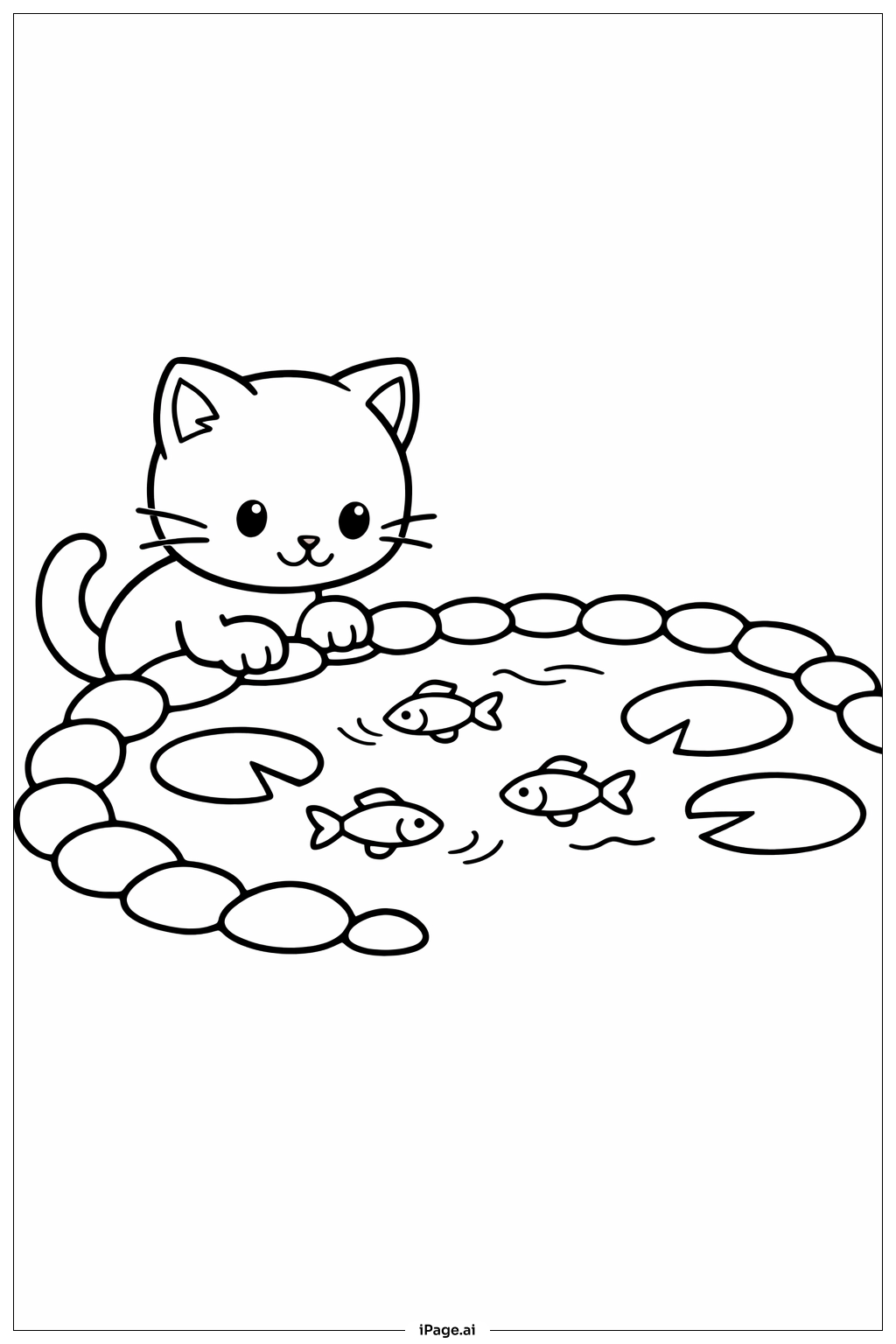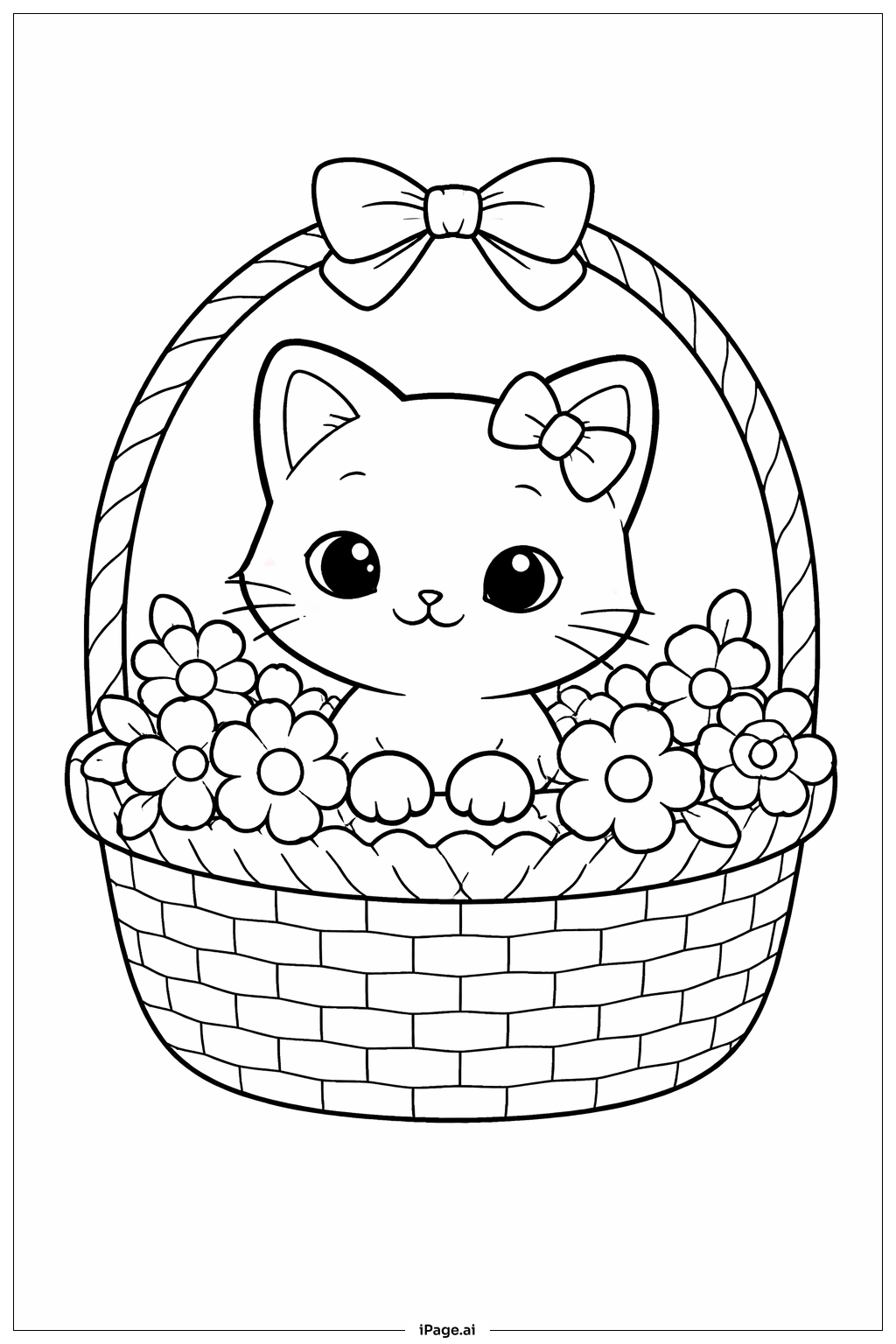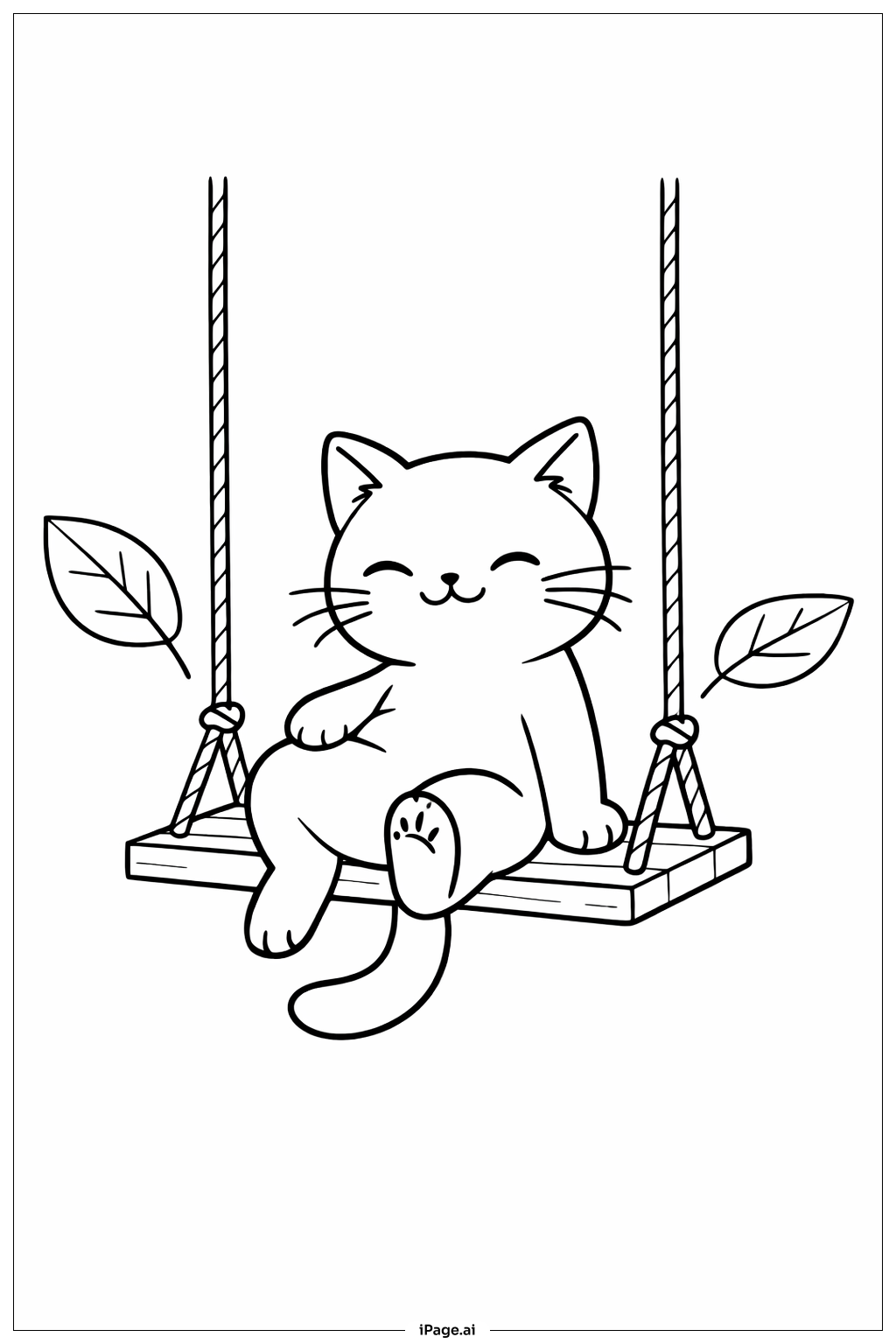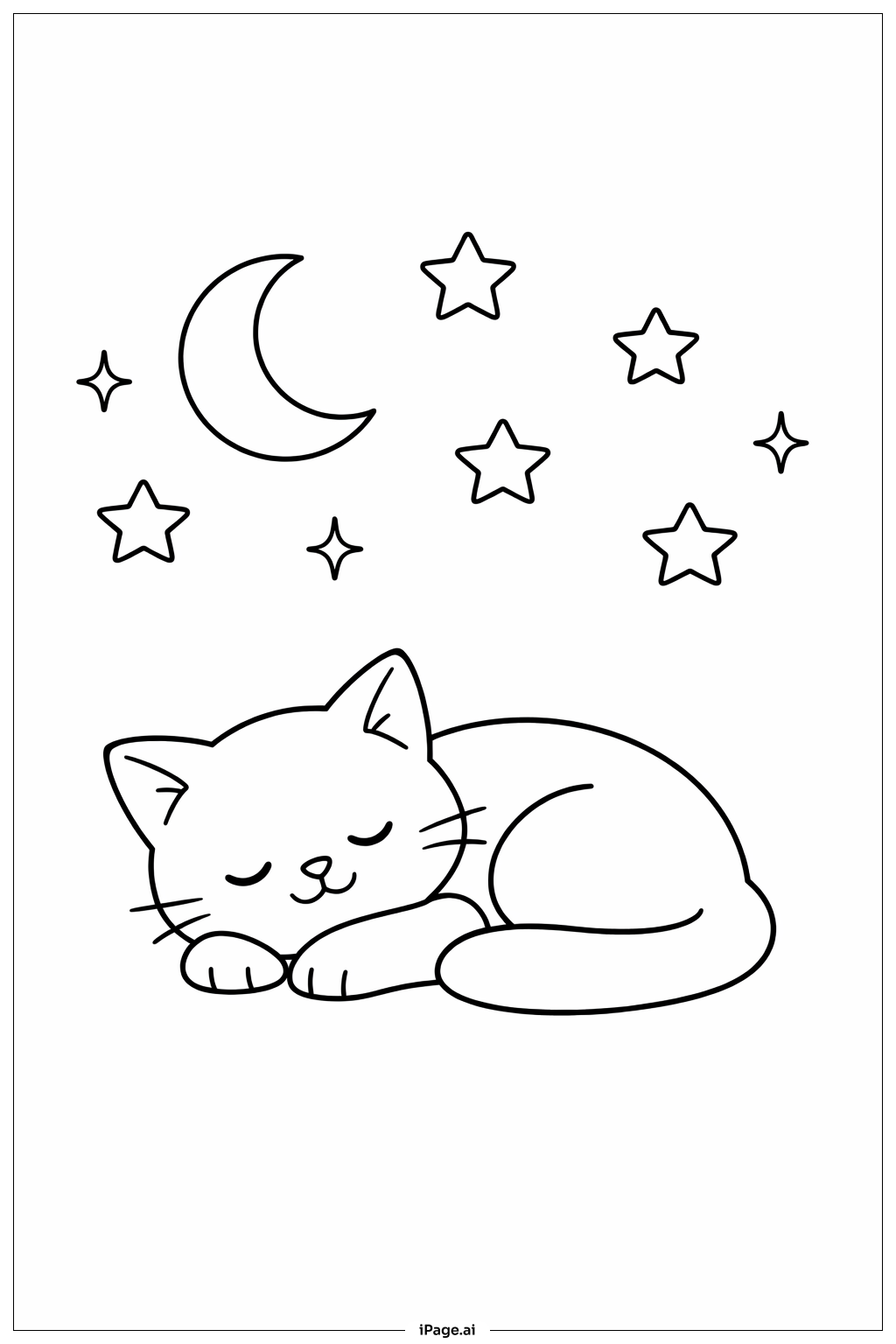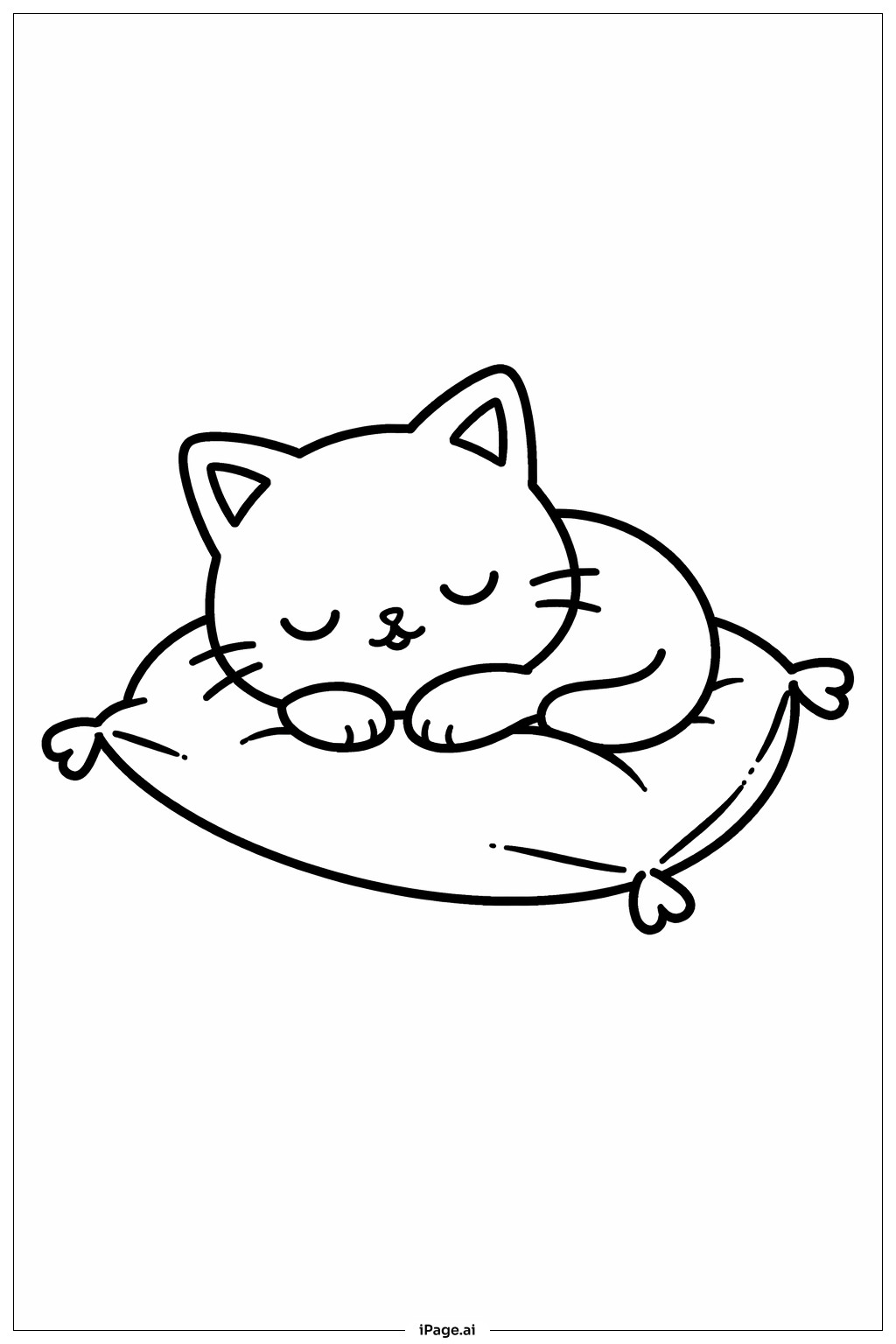
Coloring tips: How to color Kitty Cat On Pillow coloring page well?
Start with the cat's fur. Use warm tones like cream, peach, tan, or soft orange. You can also try a classic gray or a tri-color pattern with black, white, and orange patches. Leave some areas lighter to show where the light hits the fur and create a fluffy look. For the eyes, use bright colors like green, blue, or golden yellow to make them pop. Add a darker shade around the pupils for depth. Color the nose a soft pink and the inner ears a light rosy pink too. For the pillow, try a cheerful color like lavender, sky blue, mint green, or sunny yellow. Use a slightly darker shade along the edges to show the pillow's soft folds and stitching. Adding gentle shadows under the cat and along the pillow edges will make the picture look more three-dimensional. Take your time and enjoy the process. There are no wrong color choices here.
Coloring challenges: Which parts are difficult to color and need attention for Kitty Cat On Pillow coloring page?
• Fur Texture and Direction: One of the main challenges is coloring the cat's fur in a way that looks natural and fluffy. The lines in the drawing follow the direction the fur grows, and coloring along those same lines using short, light strokes will give a more realistic result. Switching between slightly different shades of the same color helps add depth and softness to the fur.
• Small Facial Details: The cat's face has several small features close together, such as the eyes, nose, mouth, whisker dots, and inner ears. Coloring these areas neatly requires a fine-tipped pencil or marker and a steady hand. Taking extra care around the eyes is especially important, as the right colors and shading can make the face look lively and expressive.
• Pillow Folds and Shadows: The pillow has soft folds and a decorative border that need careful shading to look three-dimensional. The ruffled or stitched edges require attention so they stand out from the flat surface of the pillow. Using at least two tones of the same color, one lighter and one darker, helps create a sense of depth and softness.
• Contrast Between Cat and Pillow: Since the cat is resting directly on the pillow, choosing colors that contrast well with each other is important. If the cat is light-colored, a medium or bold pillow color helps it stand out clearly. If the colors are too similar, the cat and pillow may blend together and lose definition.
• Shading and Light Effects: Adding shading under the cat's body and along the edges of the pillow gives the whole image a cozy, realistic feel. This kind of blending can be tricky for beginners but makes a big difference in the final result.
Benefits of coloring books: Advantages of drawing Kitty Cat On Pillow coloring page
Coloring this sweet image of a Kitty Cat On Pillow offers many wonderful benefits for kids and beginners alike. First, it helps improve fine motor skills. Carefully coloring the cat's small facial features and the pillow's decorative edges strengthens hand control and pencil grip. Second, it encourages creativity. Choosing fur colors, pillow shades, and eye colors lets young artists express their own style and imagination. Third, it teaches color blending and shading. The soft fur and pillow folds are great practice for learning how light and shadow work together. Fourth, it builds focus and patience. Taking time to color neatly within the lines and add small details helps children develop concentration. Fifth, it is calming and fun. Coloring a peaceful scene of a resting cat is a relaxing activity that can reduce stress and bring a sense of joy and accomplishment when finished. This image is a perfect choice for animal lovers who want to practice their coloring skills while enjoying a warm and cozy subject.