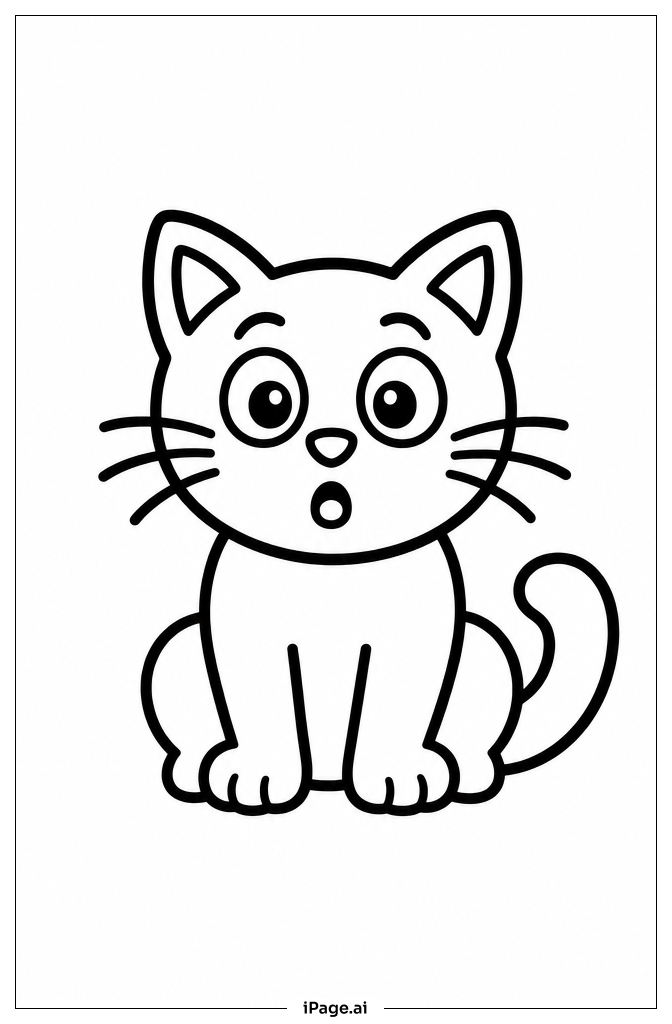
Coloring tips: How to color Surprised Kitten coloring page well?
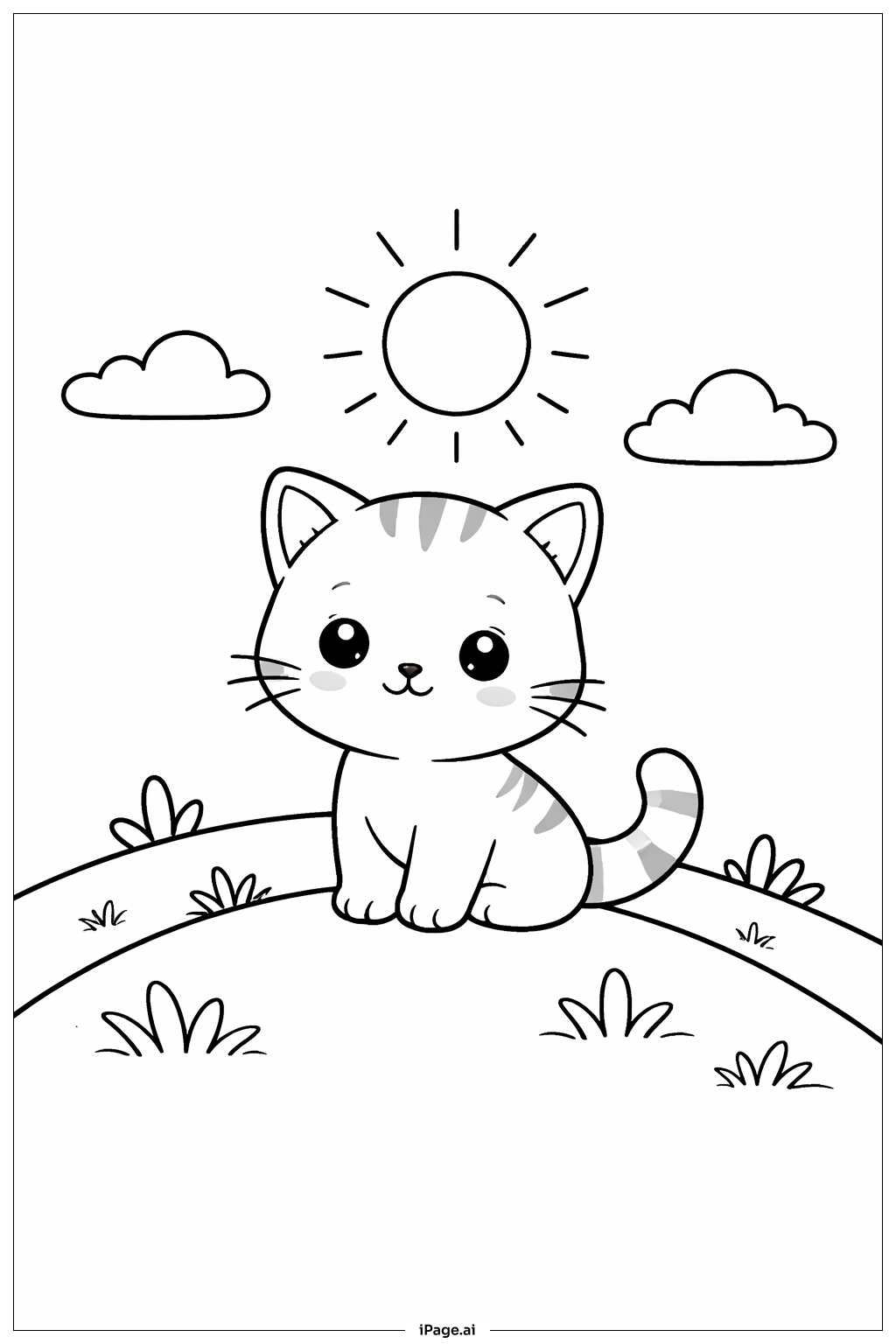
Start with the kitten's eyes, since they are the focal point of this image. Use bright colors like sky blue, emerald green, or golden yellow to make the eyes pop. Add a small white highlight dot to give the eyes a shiny, lifelike look. For the fur, choose soft and warm tones like cream, light orange, gray, or brown. Use short, gentle strokes with your colored pencils or crayons to mimic the look of real fur. Apply a slightly darker shade along the edges of the body and face to create depth and shadow. The inner ears can be colored with a light pink, and the tiny nose can be a soft pink or coral color. Keep the chest and belly area lighter than the rest of the body. If you want the kitten to look extra fluffy, blend two shades of the same color together. Use a white crayon or gel pen to add final highlights on the fur and eyes. Have fun and let your creativity guide your color choices!
Coloring challenges: Which parts are difficult to color and need attention for Surprised Kitten coloring page?
• Wide Round Eyes: The kitten's large, wide-open eyes are the most expressive part of this image. Coloring them requires careful attention because they are small but filled with detail. You need to leave a bright highlight spot uncolored or use a white gel pen to add it back after coloring. Getting the iris, pupil, and outline to look balanced without smudging can be tricky, especially for younger children using markers or crayons.
• Fur Texture and Blending: The fluffy fur of the kitten requires a layered coloring approach. Using a single flat color will make the fur look dull and lifeless. To get the right look, you need to blend at least two shades of the same color family. Short, directional strokes that follow the natural flow of the fur are important. This technique demands patience and some practice, which can be challenging for beginners.
• Facial Expression Details: The surprised expression is carried by many small details, including the raised eyebrows, the open mouth, and the perked ears. Each of these areas is small and close together. Coloring inside the lines without going over into neighboring sections requires a fine-tipped tool and a steady hand.
• Ear Inner Color Contrast: The inside of the kitten's ears needs a noticeably different, lighter color than the rest of the fur. Creating a smooth and natural-looking transition between the outer ear color and the inner ear pink requires careful blending and light pressure to avoid harsh edges.
• Maintaining Consistent Shading: Keeping the shading consistent across the whole body is one of the hardest parts. The light source should appear to come from one direction, so all shadows and highlights need to match. This level of awareness can be difficult for young or first-time colorists to maintain throughout the entire image.
Benefits of coloring books: Advantages of drawing Surprised Kitten coloring page
Coloring this Surprised Kitten page offers a wide range of fun and developmental benefits for kids and beginners alike. The large, expressive eyes and simple body shapes make it an inviting and rewarding image to work on. Here are some of the key benefits:
Focusing on the small details of the kitten's face, like the tiny nose, whiskers, and wide eyes, helps build fine motor skills and hand-eye coordination. This is especially helpful for younger children who are still developing pencil control.
Choosing colors for the fur and deciding how to blend shades encourages creative thinking. Children learn to experiment with color combinations and develop their own artistic style.
Staying inside the lines and working through the different sections of the image builds patience and concentration. Completing a full coloring page also gives kids a sense of accomplishment and boosts self-confidence.
The cute and funny subject of a surprised kitten naturally brings out joy and laughter. Coloring can be a calming, stress-relieving activity that also lifts the mood, making it a great activity after school or on a quiet afternoon.
Sharing the finished artwork with family or friends encourages social interaction and pride in personal creativity. It is a wonderful activity for solo time or group settings alike.