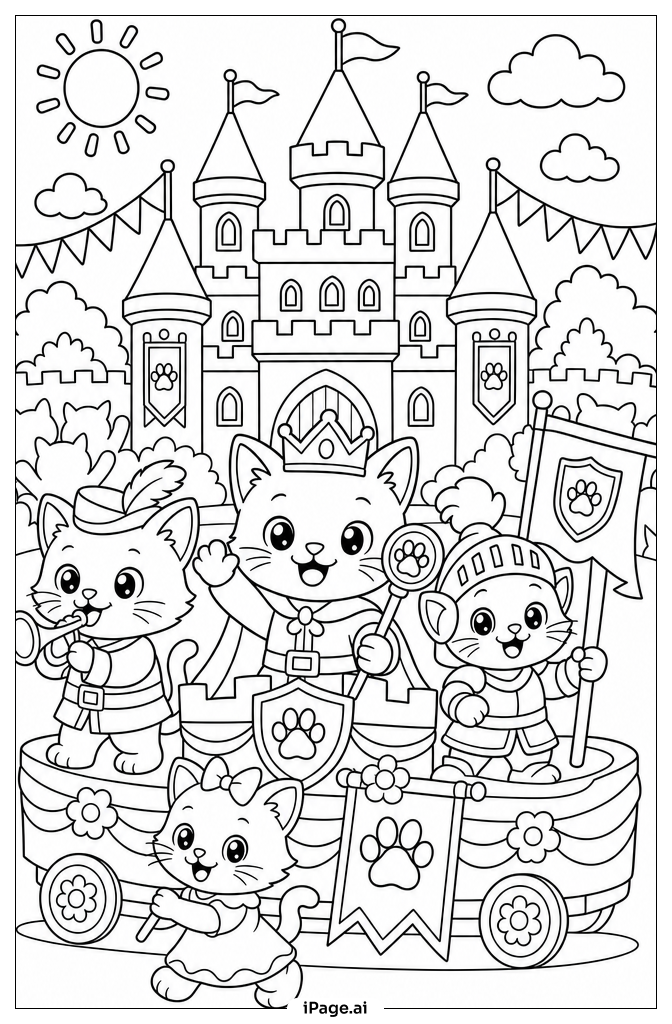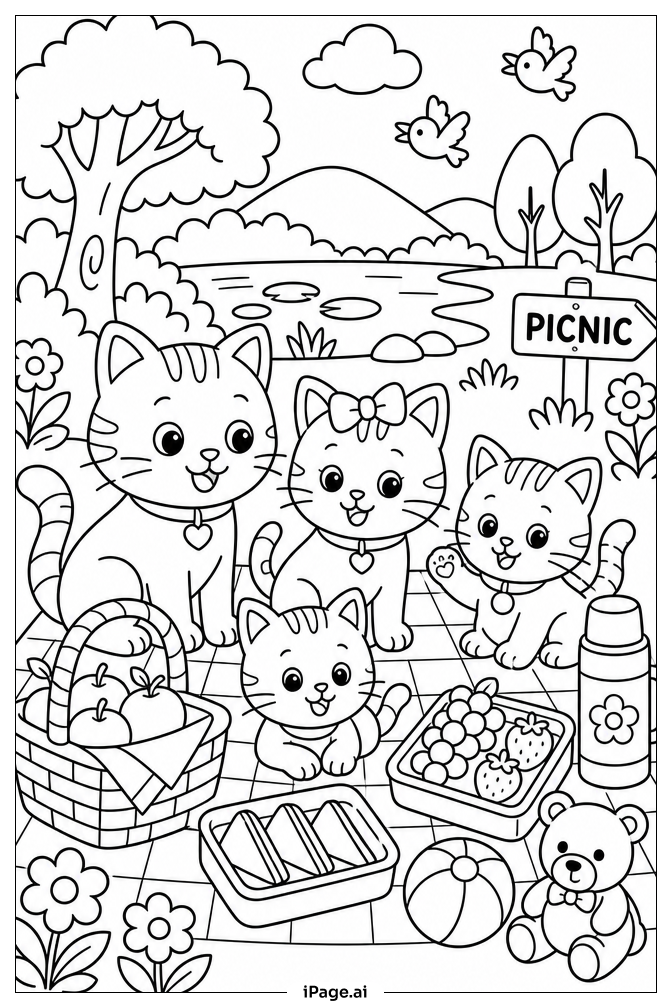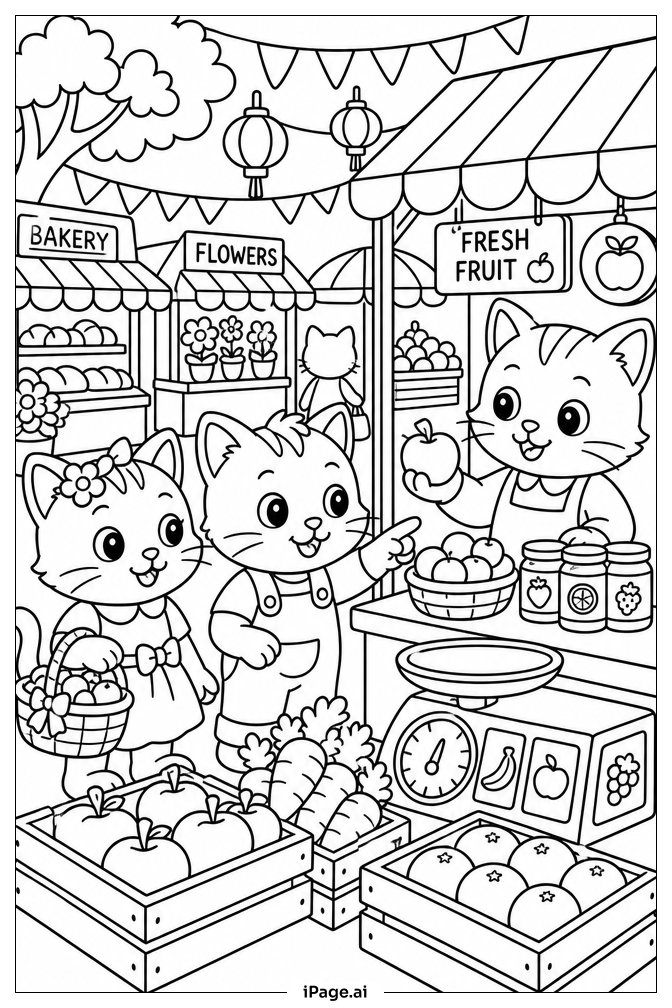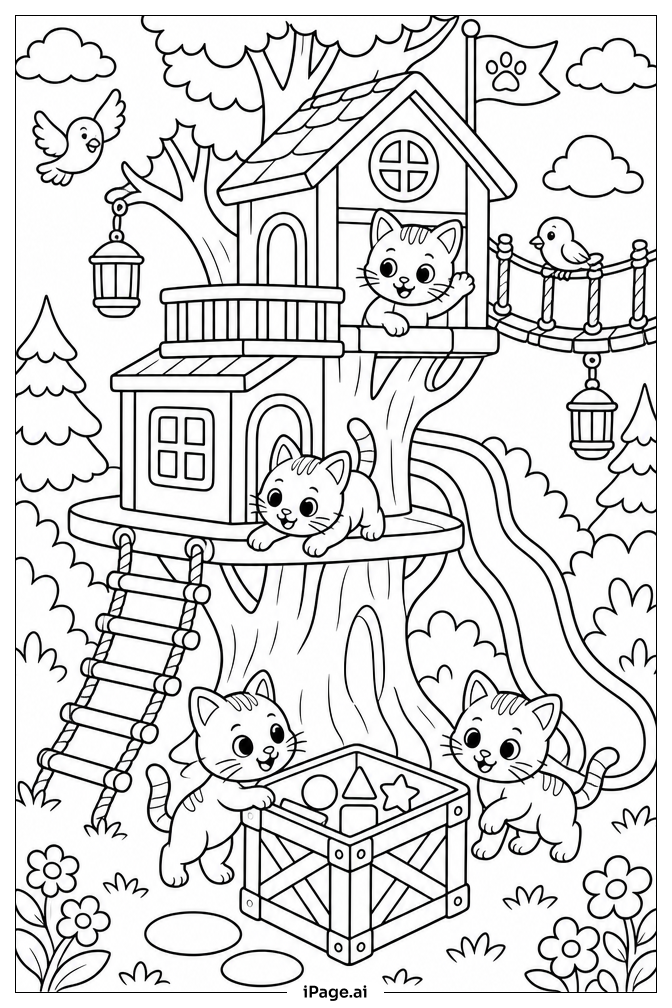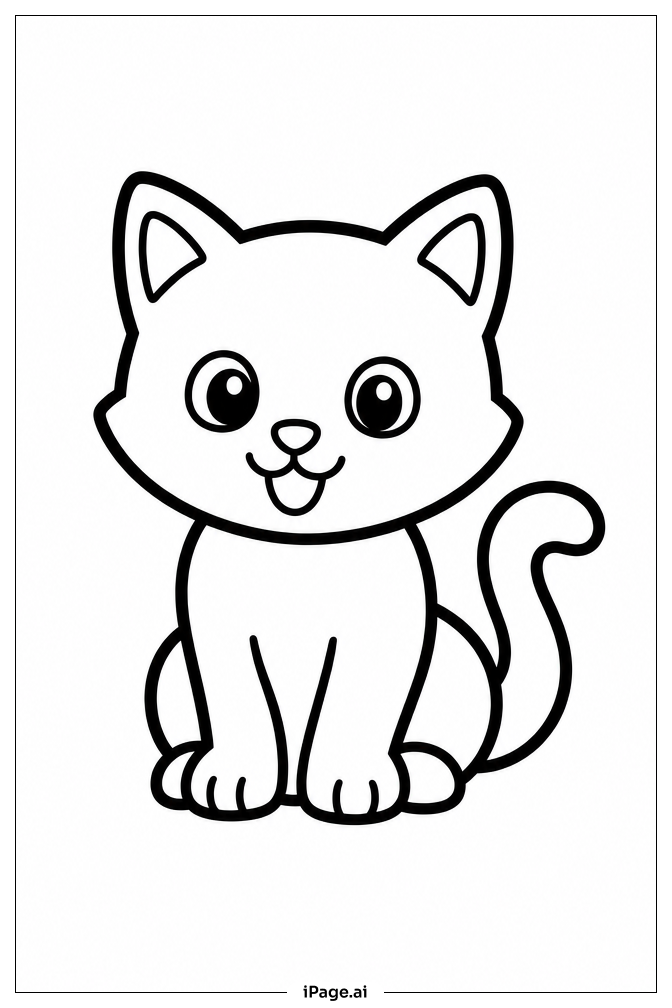
Coloring tips: How to color Happy Kitten coloring page well?
Start with the kitten's body using a light base color. Orange, gray, tan, or cream all work beautifully for a classic kitten look. Use a slightly darker shade of the same color to add shading along the edges of the body, ears, and paws. This gives the fur a soft, rounded feel.
For the eyes, try bright green, blue, or amber. Add a tiny white highlight dot to make them look shiny and alive. Color the nose pink or light salmon, and use a pale pink for the inner ears.
If you want the fur to look fluffy, use short, light pencil or crayon strokes that follow the direction of the fur lines. Layer colors gently for a soft blended effect.
For the background, choose cheerful colors like light yellow, sky blue, or soft green to match the kitten's happy mood. Keep it simple so the kitten stays the star of the page. Feel free to add small flowers, stars, or hearts to make the scene even more fun and personal.
Coloring challenges: Which parts are difficult to color and need attention for Happy Kitten coloring page?
• Fur Texture Details: The kitten's coat has many small texture lines showing the direction of its fur. Staying within these fine lines while still making the coloring look smooth and natural can be tricky. Using a sharp pencil tip or a fine-tipped marker helps keep colors neat and controlled inside each fur section.
• Facial Expression Accuracy: The kitten's happy face includes small but important features like the eyes, nose, and smile. These areas are tiny and close together. Coloring them carefully without smudging nearby areas requires a steady hand. Coloring the face last, after the body is done, can help avoid accidental smears.
• Eye Shading and Highlights: The large sparkling eyes have multiple layers, including the iris, pupil, and a small white highlight. Keeping the highlight white while adding depth and shine to the rest of the eye is a real challenge. One approach is to leave the highlight uncolored from the start and build up eye color around it gradually.
• Blending Body Colors for Depth: Creating a soft, three-dimensional look on the kitten's round, fluffy body means using at least two tones of the same color. Blending a lighter center with a darker edge smoothly takes patience and light, gradual strokes. Pressing too hard with crayons or colored pencils can make the transition look harsh rather than soft.
• Tail and Paw Definition: The curling tail and small paws have subtle outlines that overlap slightly. Keeping each section visually separate while still making the whole cat look like one cohesive animal requires careful attention to where one shape ends and another begins.
Benefits of coloring books: Advantages of drawing Happy Kitten coloring page
Coloring this Happy Kitten page brings a wide range of benefits for kids and adults alike.
For younger children, carefully filling in the kitten's fur, eyes, and small facial features helps build fine motor skills and hand control. Following the lines and staying focused on one section at a time also strengthens concentration and attention to detail.
Choosing colors for the kitten's coat, eyes, and background sparks creativity and imagination. There is no wrong answer — a purple kitten with gold eyes is just as valid as a realistic orange tabby. This freedom encourages kids to trust their own creative choices and express themselves with confidence.
The kitten's joyful expression naturally lifts the mood while coloring. The repetitive, gentle motion of applying color is calming and meditative, making it a great activity for winding down after a busy day. It can reduce stress and bring a sense of quiet focus.
For older kids and adults, the challenge of blending fur tones and adding realistic eye details makes this a satisfying artistic exercise. Completing the page gives a real sense of accomplishment.
Overall, this coloring page is a simple, screen-free activity that nurtures creativity, patience, and emotional well-being — all wrapped up in one happy little kitten.