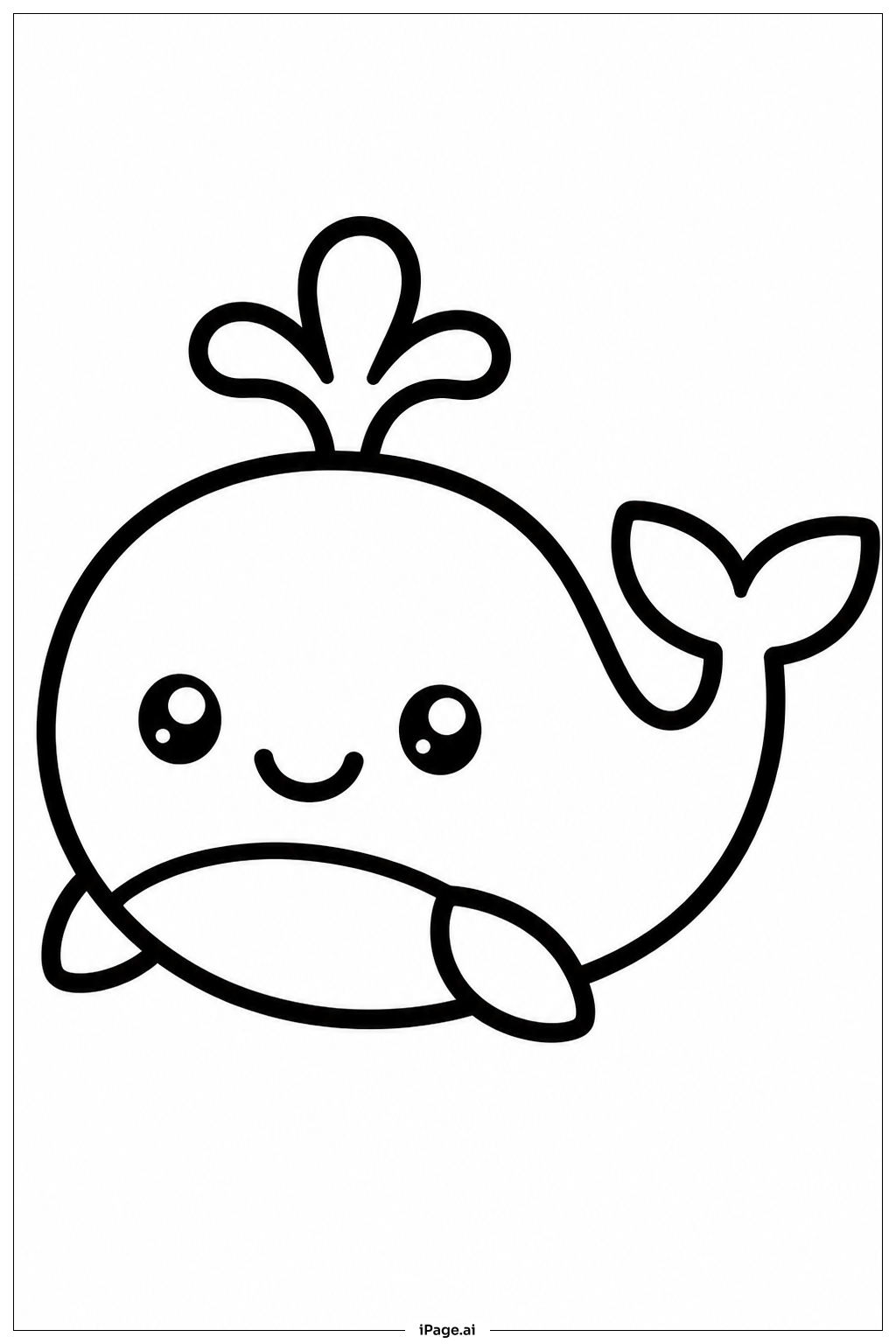
Coloring tips: How to color Kawaii Whale coloring page well?
Start with the whale's body using a soft, light blue or sky blue. This gives the whale a fresh, ocean-inspired look. You can add a slightly darker blue to the edges of the body to create a gentle shading effect and give it a rounder shape. For the belly, use a pale cream or white to make it stand out softly. Color the large eyes with deep navy or black pupils, and add tiny white dots to make them look shiny. Use pink or light purple for the cheeks to give the whale a blushing, happy glow. The flippers and tail can be colored in a matching or slightly deeper shade of blue. For the bubbles, try light teal or pale aqua. Color the stars in yellow or gold, and the hearts in soft pink or red. Feel free to mix pastel colors throughout to keep the overall look sweet and Kawaii. Let your creativity flow and make this whale your own!
Coloring challenges: Which parts are difficult to color and need attention for Kawaii Whale coloring page?
• Body Shading: The whale's large, round body looks simple at first, but adding smooth shading can be tricky. To make the body look three-dimensional and chubby, you need to blend colors carefully from light in the center to slightly darker at the edges. Using the right pressure with crayons or pencils takes practice.
• Eye Details: The Kawaii eyes are one of the most important parts of the image. They have a shiny, sparkly look that requires careful coloring. You need to leave small white areas uncolored to create the glossy effect. Coloring too heavily in these spots can make the eyes look flat and less expressive.
• Small Decorative Elements: The tiny stars, bubbles, and hearts surrounding the whale are quite small and close together. Staying inside the lines of these little details requires a sharp pencil or thin marker. It is easy to accidentally color over the outlines, which can make the design look messy.
• Flipper and Tail Transitions: The flippers and tail connect to the main body, and blending the colors smoothly between these areas can be challenging. If the color changes too suddenly, it can look disconnected from the rest of the whale's body.
• Overall Color Harmony: Choosing colors that all work well together across the whale, its features, and the surrounding decorations takes thought. Picking colors that clash or are too similar can make the image hard to read visually. Planning your color palette before starting will help create a balanced and beautiful result.
Benefits of coloring books: Advantages of drawing Kawaii Whale coloring page
Coloring this Kawaii Whale page offers many wonderful benefits for kids and young artists. First, it helps improve fine motor skills. Carefully coloring inside the lines of the whale's body, small flippers, and tiny decorative details trains the hands and fingers to move with more control and precision. This is especially helpful for younger children who are still developing their grip and coordination. Second, it encourages creativity and self-expression. Choosing colors for the whale, the bubbles, stars, and hearts lets children make their own artistic decisions. There are no wrong answers, and every child's version will look unique and special. Third, coloring helps children focus and concentrate. Sitting quietly and working through the details of this image builds patience and attention span in a calm, enjoyable way. Fourth, completing the page gives a real sense of achievement. Finishing a coloring page builds confidence and pride in one's own work. Finally, the sweet and cheerful Kawaii style of this whale brings joy and positive emotions, making the coloring experience not just educational but also genuinely fun and relaxing for children of all ages.