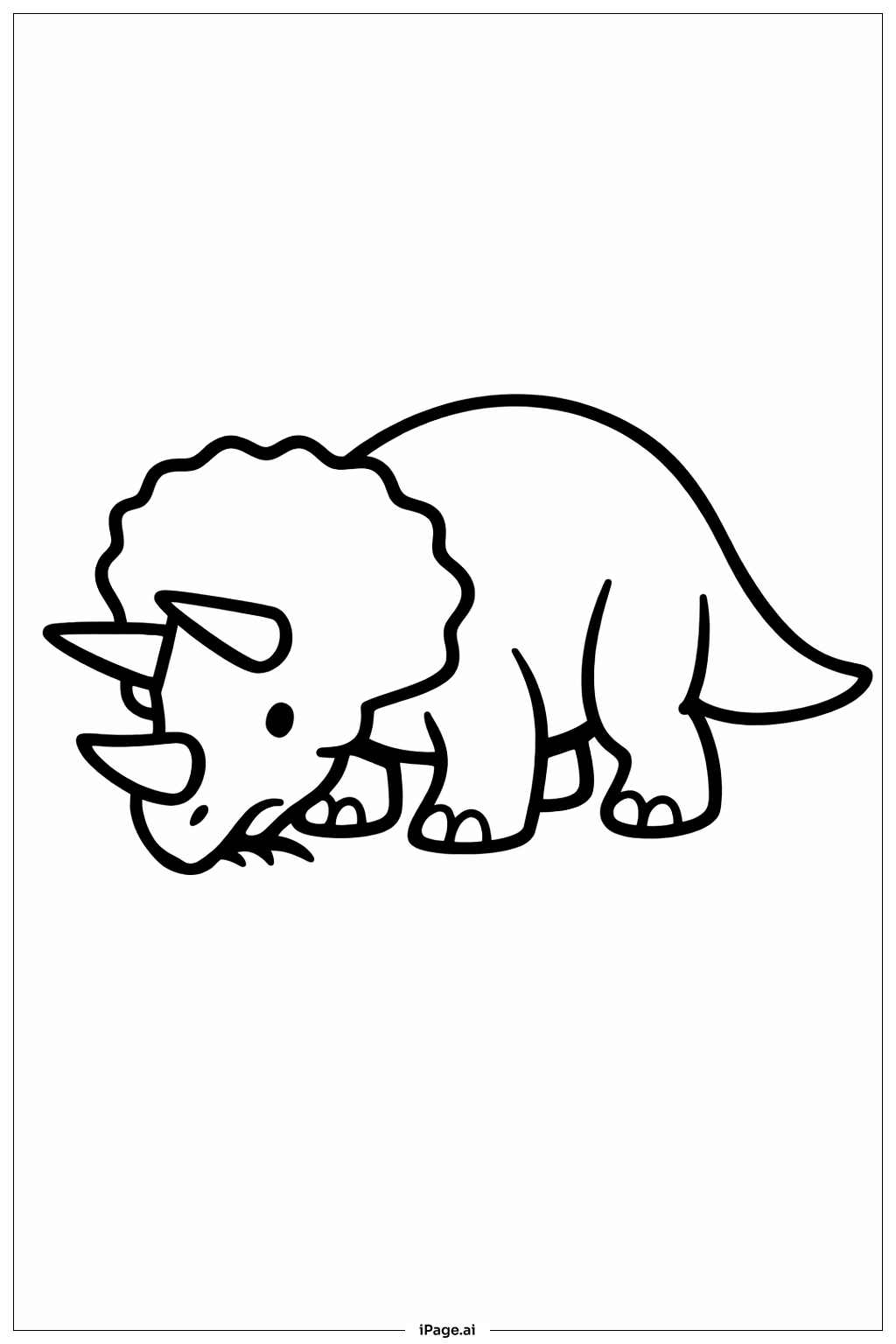
Coloring tips: How to color Jurassic Park Triceratops Grazing coloring page well?
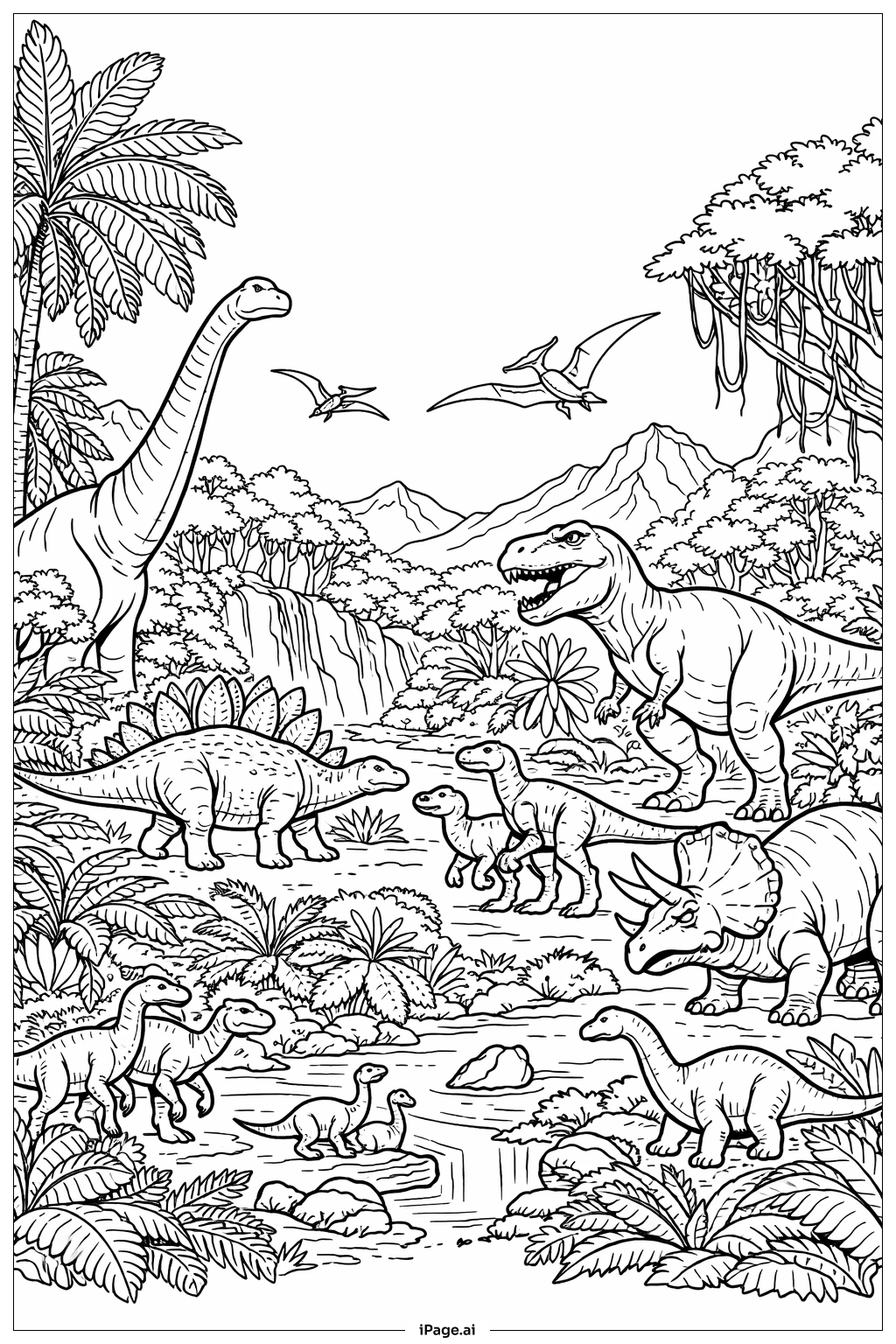
Try using natural, earthy colors for the Triceratops, like shades of green, brown, and gray. You can color the horns a lighter shade to make them stand out. Use different green tones for the grass the dinosaur is eating to add some variety. For the dinosaur’s body, blend colors smoothly to show the rough skin texture. Adding some shadows under the body and legs can create a 3D effect. Feel free to be creative and add your own background colors to make the scene lively and fun!
Coloring challenges: Which parts are difficult to color and need attention for Jurassic Park Triceratops Grazing coloring page?
1. Small details like the horns and toes need steady coloring to stay inside the lines.
2. The frill around the head has a wavy shape that can be tricky to fill neatly.
3. Blending different shades on the body to show texture requires careful shading.
4. Coloring the dinosaur’s legs and body evenly without blotches can be challenging.
5. Adding shadows and highlights to create depth might be hard for beginners but helps bring the image to life.
Benefits of coloring books: Advantages of drawing Jurassic Park Triceratops Grazing coloring page
Coloring this Triceratops helps improve hand-eye coordination and fine motor skills. It encourages children to focus on details like horns and toes, boosting concentration. Using different colors and blending shades teaches about colors and creativity. Coloring dinosaurs can also spark interest in science and prehistoric animals. Overall, it is a fun way to learn and express imagination.