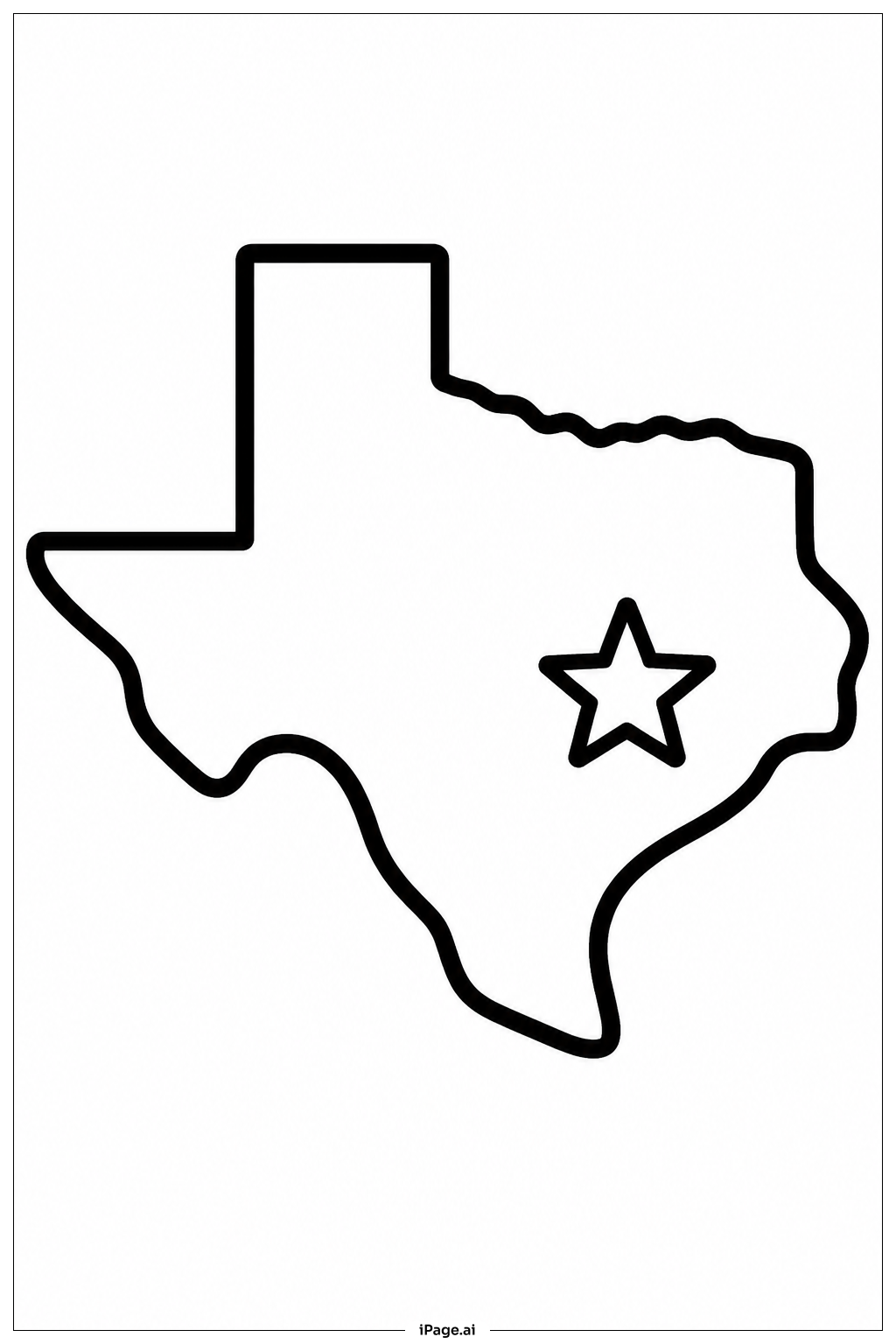
Coloring tips: How to color Juneteenth Map Outline coloring page well?
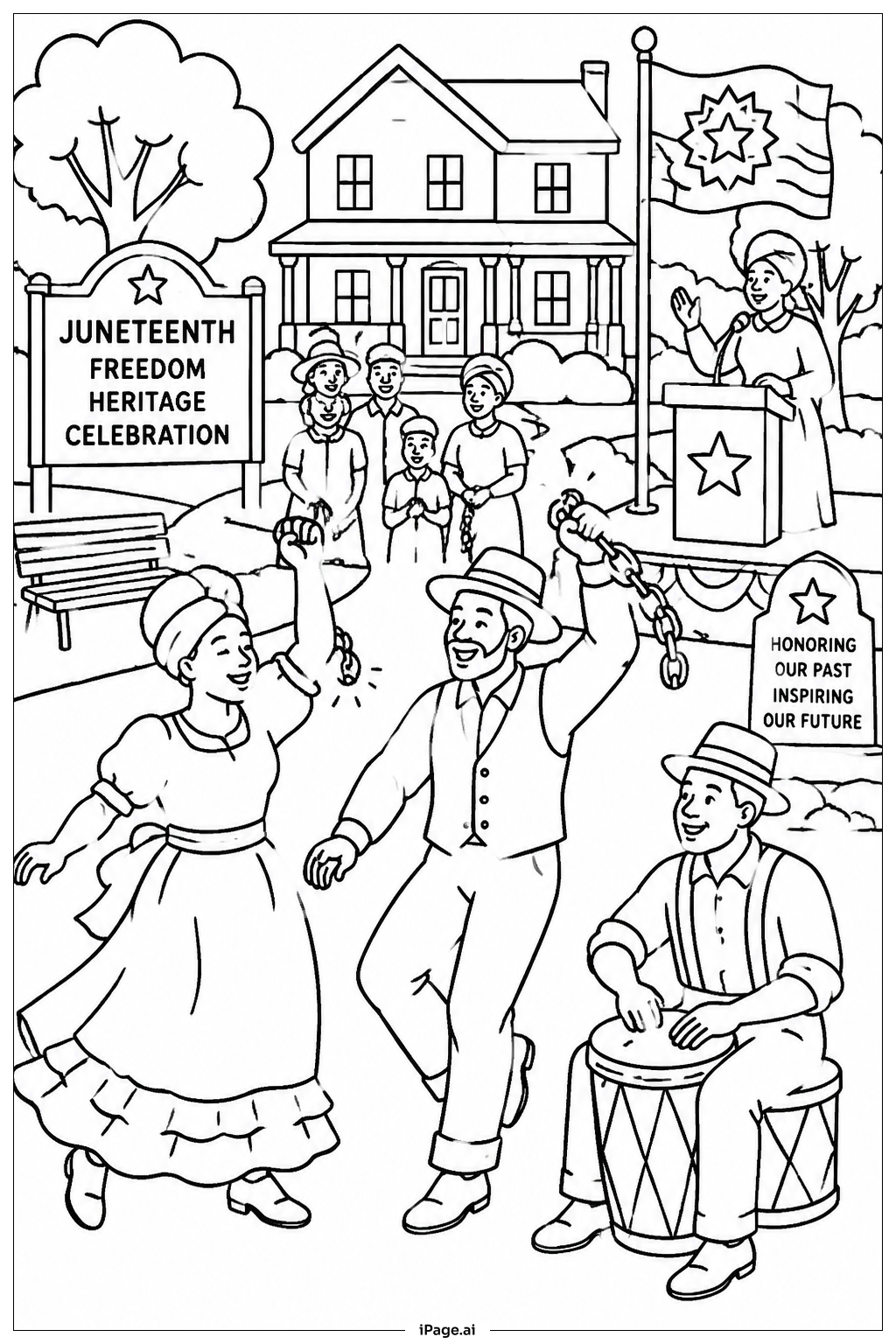
Start by choosing colors that honor Juneteenth's spirit. Use red, black, and green — the colors of the Pan-African flag — to fill different states or regions. You can also use the classic red, white, and blue to reflect American pride.
Try coloring states in groups to show regions like the South, Midwest, and West. This makes the map easier to read and more visually interesting.
For younger kids, pick just two or three colors and alternate them between neighboring states. For older kids and teens, try shading each state with a gradient to add depth.
Use a gold or yellow color for stars and decorative symbols to make them pop. Outline the border of the map with a bold, dark color to frame the whole image cleanly.
Don't be afraid to experiment. This is your map, and every color choice tells a story. Have fun and let your creativity reflect what freedom and history mean to you.
Coloring challenges: Which parts are difficult to color and need attention for Juneteenth Map Outline coloring page?
Coloring this Juneteenth Map Outline comes with several challenges that require patience, focus, and careful technique. Here are the key difficulties to be aware of:
• Small State Borders: States in the northeastern United States, such as Rhode Island, Connecticut, and Delaware, are very small with tight borders. Coloring within these tiny spaces without going outside the lines requires a sharp pencil or fine-tipped colored marker. Young colorists may find this especially tricky.
• Keeping Neighboring States Distinct: The map has many states that share borders. Choosing colors wisely so that no two adjacent states share the same color is a classic cartography challenge. Planning your color scheme before you start can save a lot of frustration.
• Consistent Pressure and Shading: Maintaining even color pressure across large states like Texas, California, and Montana is difficult. Uneven shading can make a state look patchy or inconsistent. Practice smooth, circular strokes to fill large areas cleanly.
• Decorative Symbol Details: Juneteenth-themed symbols such as stars and freedom motifs may have fine lines and intricate shapes. These details demand a steady hand and a fine coloring tool to avoid smudging or overlapping into adjacent areas.
• Overall Color Harmony: Choosing a color palette that feels unified and celebrates the meaning of Juneteenth — freedom, heritage, and unity — while also keeping the map clear and readable is a creative challenge that requires thoughtful planning and artistic judgment.
Benefits of coloring books: Advantages of drawing Juneteenth Map Outline coloring page
Coloring this Juneteenth Map Outline offers wonderful benefits for children and learners of all ages.
First, it builds knowledge about American geography. As kids color each state, they naturally learn the shapes, locations, and names of states across the country. This makes history and geography feel hands-on and fun.
Second, it sparks meaningful conversations about Juneteenth. Coloring this map is a great way to start talking about freedom, history, and why this holiday matters. It connects art to real-world learning in a powerful way.
Third, it develops fine motor skills. Carefully coloring within borders, especially the small northeastern states, strengthens hand control, pencil grip, and coordination. These are essential skills for writing and everyday tasks.
Fourth, it encourages creative thinking. Choosing colors, planning a palette, and deciding how to represent different regions all require creative decision-making. Kids learn to think ahead and express themselves through color.
Finally, it builds patience and focus. Completing a detailed map takes time and concentration. Finishing the page gives children a real sense of accomplishment and pride in their work.
This coloring page is a simple but powerful tool for combining art, history, and learning in one meaningful activity.