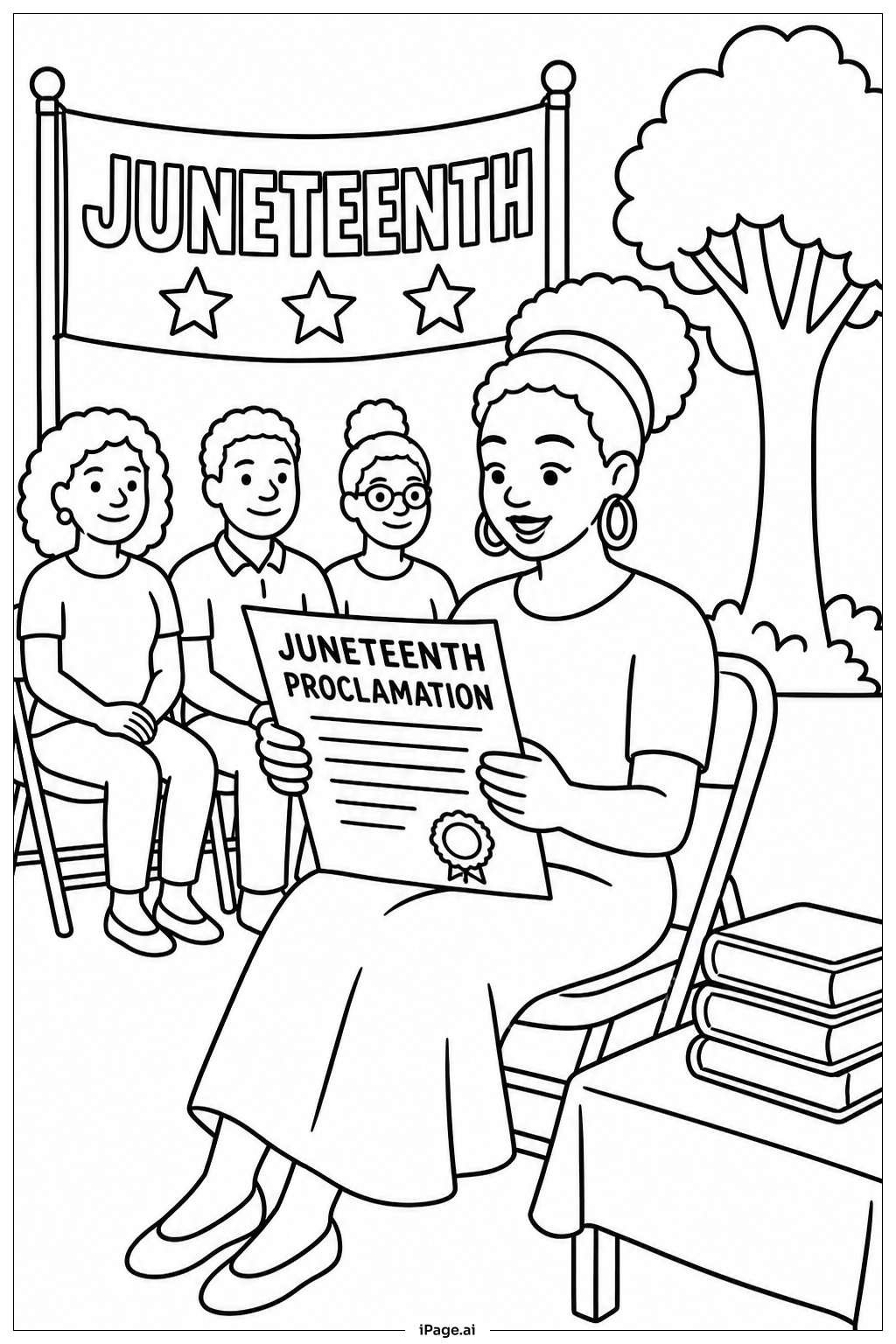
Coloring tips: How to color Juneteenth Historical Reading coloring page well?
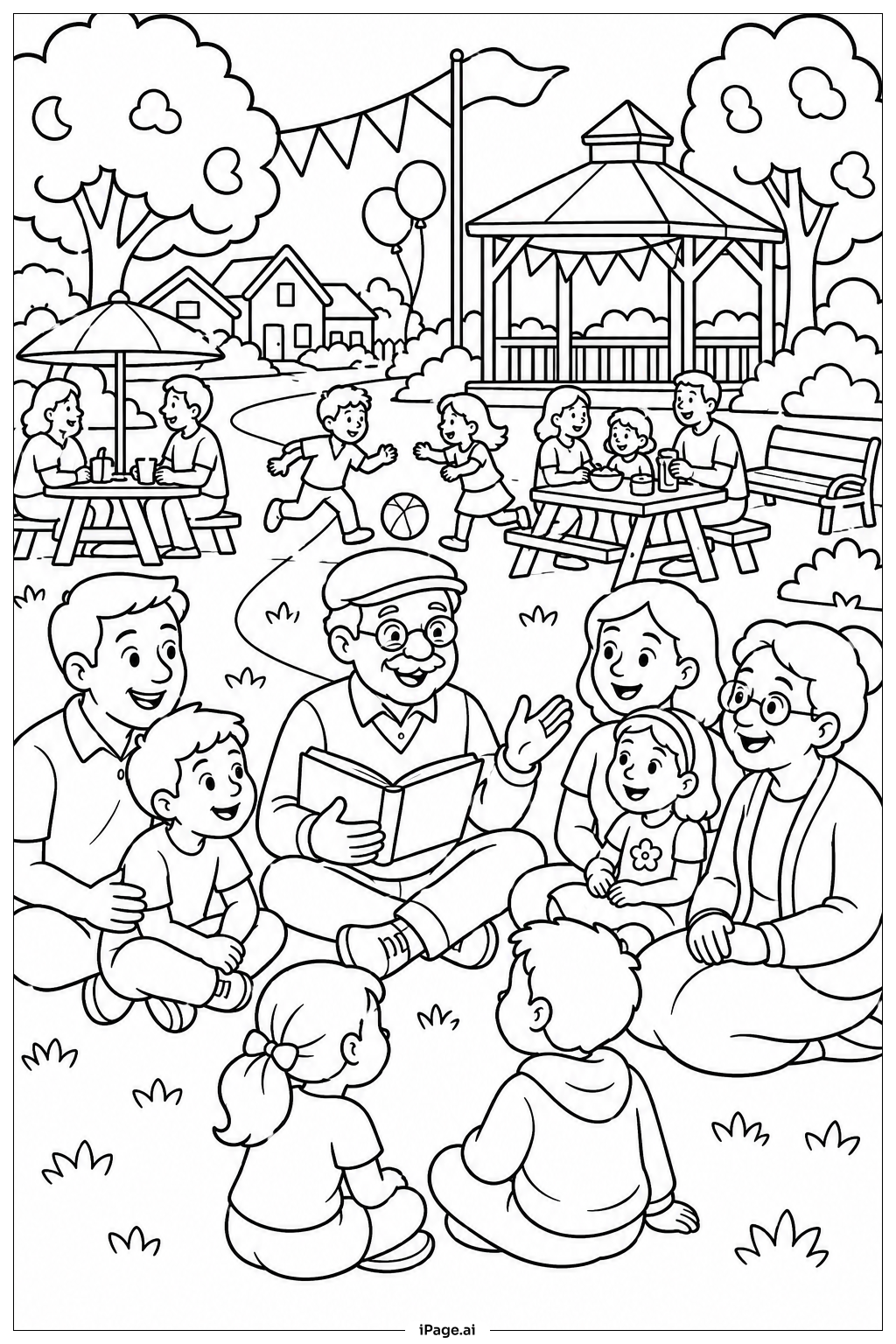
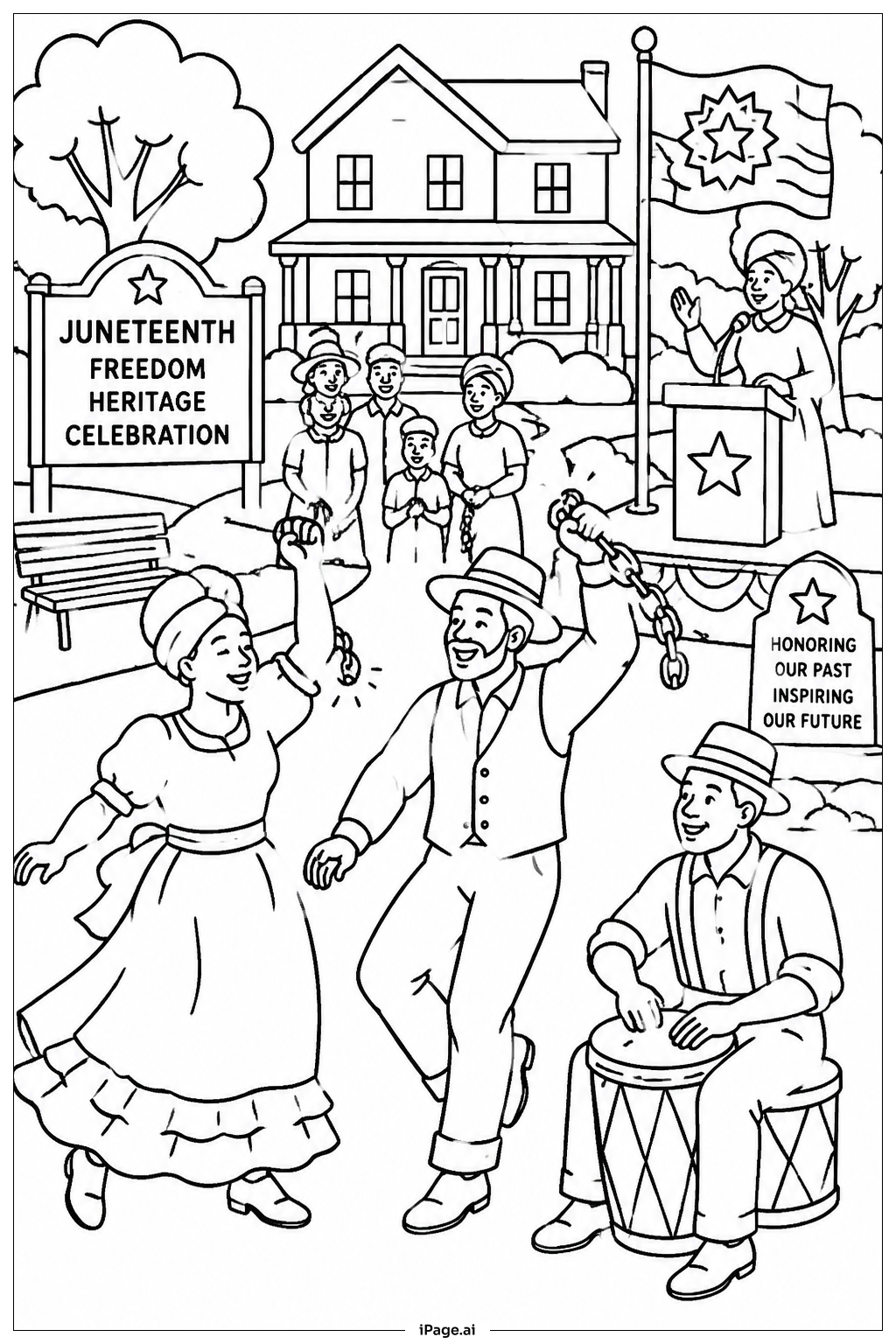
Start with the central figure by choosing warm, rich skin tones using shades of brown, tan, or deep sienna. Clothing can be colored in red, black, and green — the traditional Pan-African colors — to honor Juneteenth's cultural roots. Use deep navy or midnight blue for background elements to create a sense of depth and solemnity. Color books and scrolls in warm cream, tan, or aged yellow to give them a historical feel. Highlight stars and decorative ribbons in gold or bright yellow to represent freedom and hope. Borders and patterns can be filled with bold reds and greens for a festive, celebratory look. Younger colorists can keep things simple with bright, joyful colors, while older kids and adults may enjoy blending shades for a more detailed, realistic finish. Take your time with small decorative details — they make the final image truly stand out.
Coloring challenges: Which parts are difficult to color and need attention for Juneteenth Historical Reading coloring page?
• Central Figure Details: The main character likely has intricate facial features, hair texture, and clothing folds. Staying within these fine lines requires a sharp pencil or thin marker. Young colorists should take their time and use slow, careful strokes to avoid going outside the lines.
• Cultural Symbols and Patterns: Juneteenth imagery often includes detailed stars, geometric borders, and decorative patterns inspired by African American heritage. Each small shape needs its own color, which can be tricky. Using fine-tipped colored pencils helps keep colors neat and separate.
• Books, Scrolls, and Text Elements: Documents or books in the scene may feature small printed lines or text details. Coloring around these tiny elements without losing the visual detail is a challenge. Light, careful shading with a thin tool works best here.
• Layered Background Elements: The background may include multiple overlapping shapes, banners, or symbolic imagery. Deciding which colors to use for each layer — and making sure they contrast well — takes planning. Sketching out a rough color plan before starting helps avoid muddy or clashing results.
• Blending Skin Tones Realistically: Achieving a natural-looking skin tone for the central figure requires layering multiple shades of brown, peach, or sienna. This is especially challenging for beginners. Start with the lightest shade as a base, then gradually add darker tones in shadow areas to build depth and dimension.
Benefits of coloring books: Advantages of drawing Juneteenth Historical Reading coloring page
Coloring this Juneteenth Historical Reading page offers meaningful benefits for children and adults alike. It opens the door to important conversations about history, freedom, and the significance of Juneteenth as a celebration of liberation and equality. As colorists work through the image, they naturally become curious about the story behind it, encouraging learning in a fun and hands-on way.
For younger children, this page builds fine motor skills and hand-eye coordination as they navigate detailed lines and small decorative elements. Choosing colors thoughtfully also strengthens decision-making and creative thinking.
For older kids and adults, the focused, repetitive nature of coloring promotes mindfulness and stress relief. It creates a calm, meditative state that helps ease anxiety and improve concentration.
Coloring cultural and historical imagery like this also builds empathy and cultural awareness. It encourages colorists to appreciate diverse histories and reflect on themes of resilience, knowledge, and human dignity. Sharing the finished artwork with family or classmates can spark meaningful discussions about why Juneteenth matters.
Overall, this page combines creativity with education, making it a powerful tool for both personal expression and historical connection.