Coloring tips: How to color Jax On Picnic coloring page well?
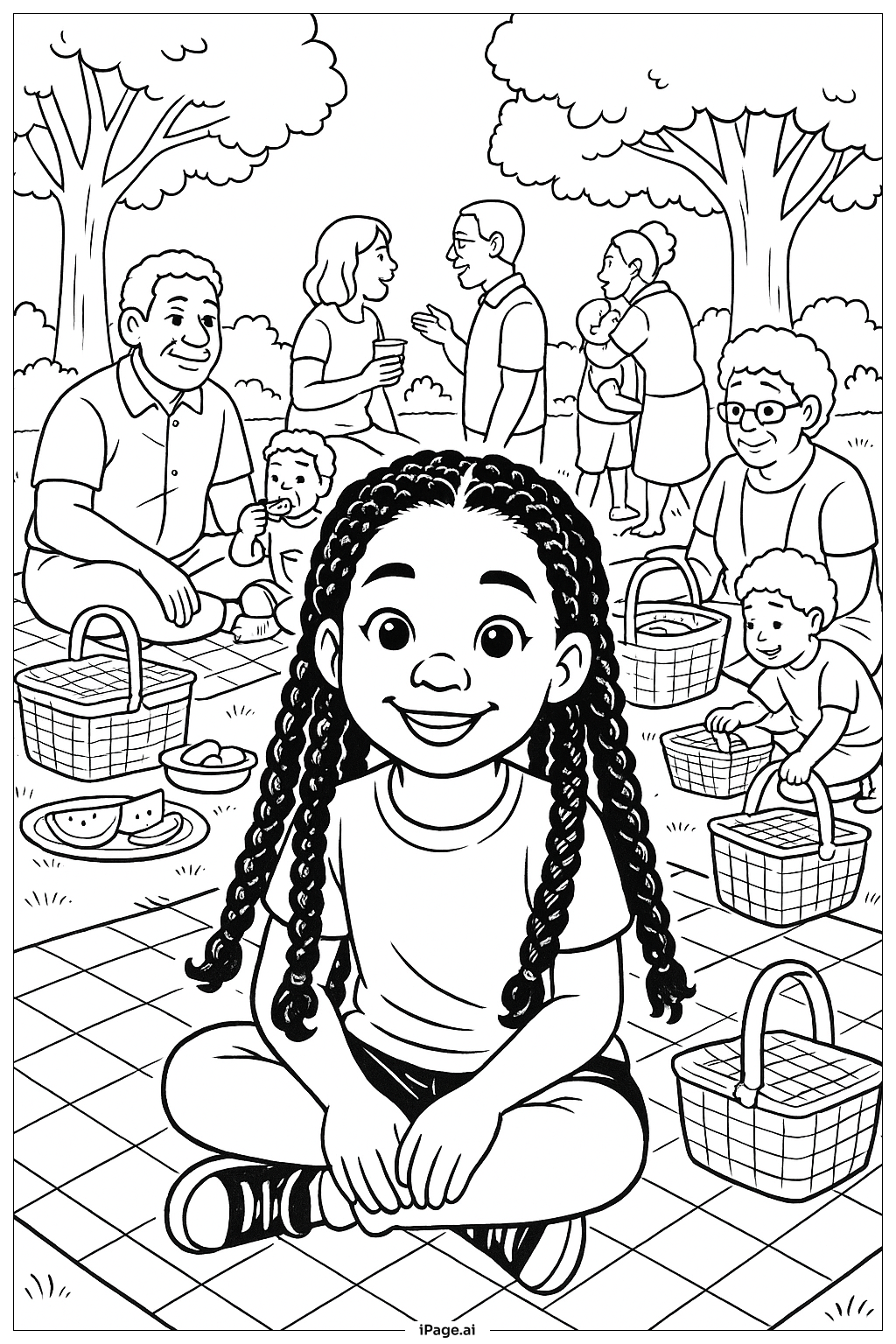
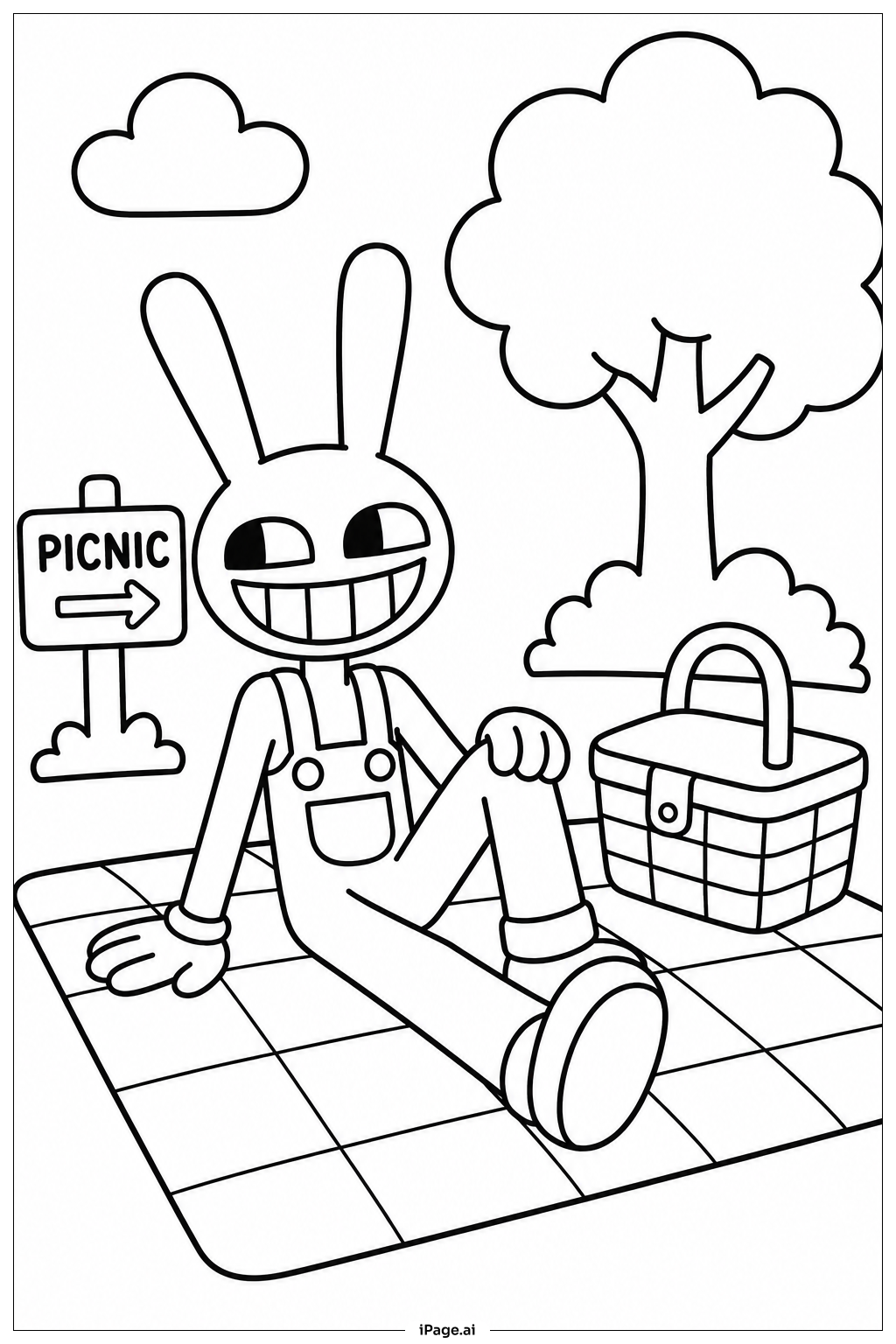
Start with the picnic blanket using classic red and white checks, or try fun color combinations like blue and yellow. Color Jax with your favorite shades, adding details to bring personality to life. The picnic basket looks great in warm brown tones with darker accents for the woven texture. Make the food items colorful and appetizing with reds for apples, yellows for bananas, and vibrant hues for sandwiches and treats. Use fresh green for the grass and trees, varying the shades to add depth. Paint the sky a cheerful blue with white fluffy clouds. Add pops of color to the flowers using pinks, purples, yellows, and oranges. Consider using earth tones for the distant hills to create a peaceful background. Don't forget small details like the plates and cups, which can match or contrast with the blanket pattern for a coordinated picnic look.
Coloring challenges: Which parts are difficult to color and need attention for Jax On Picnic coloring page?
• Checkered Blanket Pattern: The repeating checkerboard pattern on the picnic blanket requires careful attention to maintain consistent alternating colors. Young colorists need to stay within the small square boundaries and remember which squares should be which color. This repetitive pattern can be tedious but offers excellent practice for pattern recognition and careful coloring control.
• Wicker Basket Texture: The picnic basket features a woven texture with crisscrossing lines that create a complex pattern. Coloring this realistically requires using multiple shades of brown to show depth and dimension. Children may find it challenging to color between the narrow woven strips without crossing lines, and deciding whether to color each strand individually or blend them together requires planning.
• Multiple Small Food Items: The various picnic foods like fruits, sandwiches, and snacks contain many small detailed areas that need different colors. Switching between colors frequently while maintaining clean borders between adjacent items can be tricky. Young artists must pay attention to make each food item look distinct and recognizable through appropriate color choices.
• Background Depth and Layering: Creating a sense of distance with the trees, hills, and sky requires understanding of color intensity and shading. Foreground elements should be brighter while background features need lighter, softer tones. Coordinating these different depth layers while keeping the scene balanced presents a moderate challenge for developing artistic skills.
• Small Scattered Flowers: The tiny flowers scattered around the picnic area have delicate petals and centers that require precision coloring with fine motor control. Keeping colors within these small boundaries while making each flower unique adds variety but demands patience and steady hands.
Benefits of coloring books: Advantages of drawing Jax On Picnic coloring page
Coloring this cheerful picnic scene offers wonderful developmental benefits for children. It strengthens fine motor skills and hand-eye coordination through detailed work on patterns, textures, and small objects. The variety of elements encourages color recognition and decision-making as children choose appropriate shades for food, nature, and fabric patterns. The checkered blanket provides excellent practice for following patterns and maintaining focus on repetitive tasks. Working with the natural outdoor setting helps children connect with nature themes and seasons. The scene promotes patience and attention to detail while completing the many different components. Children learn about spatial relationships by coloring foreground and background elements differently. The friendly, relatable subject matter of a picnic makes coloring enjoyable and engaging, reducing stress while building confidence. This image also sparks imagination about outdoor activities and family gatherings, making the coloring experience both educational and emotionally rewarding.