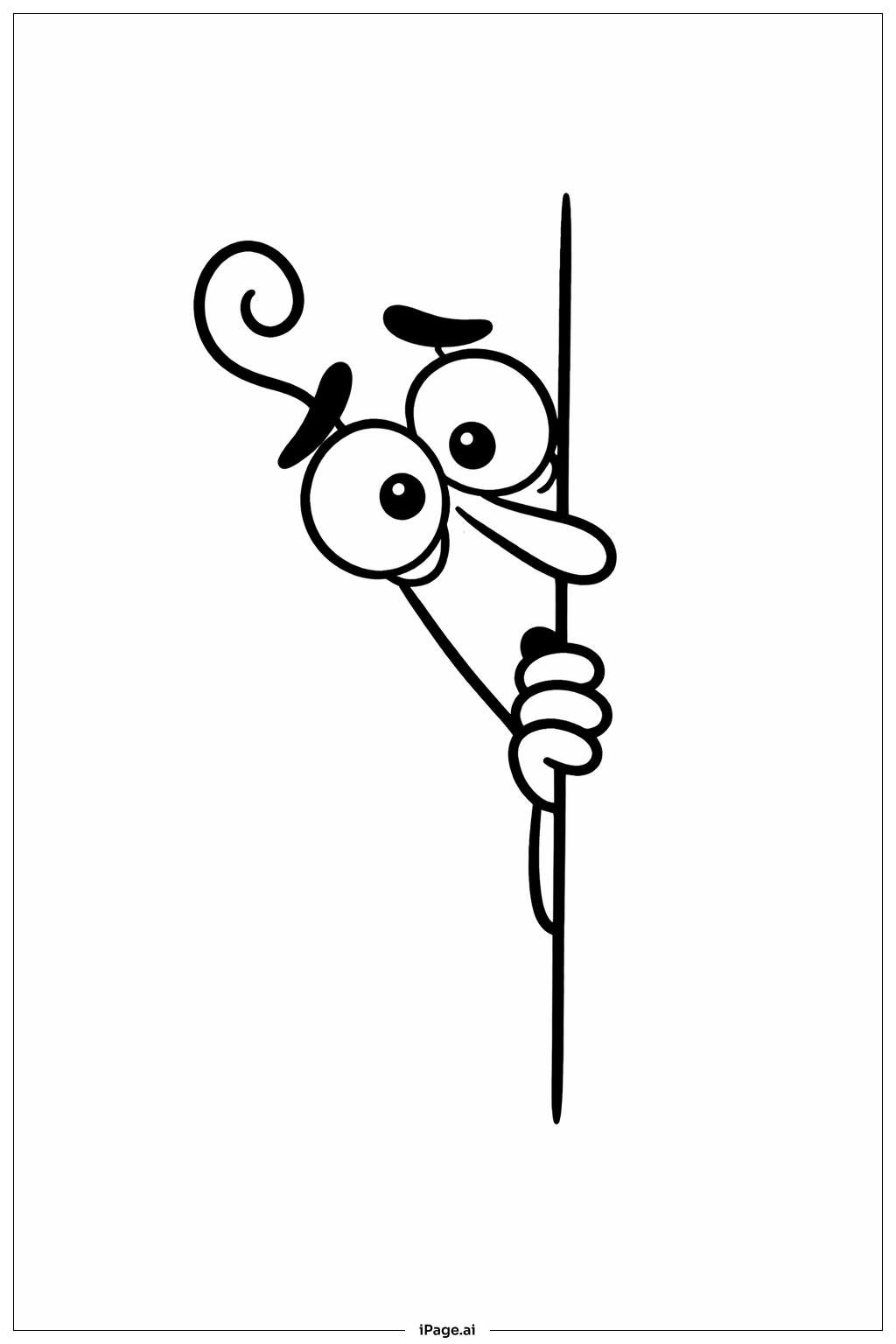
Coloring tips: How to color Fear Peek coloring page well?
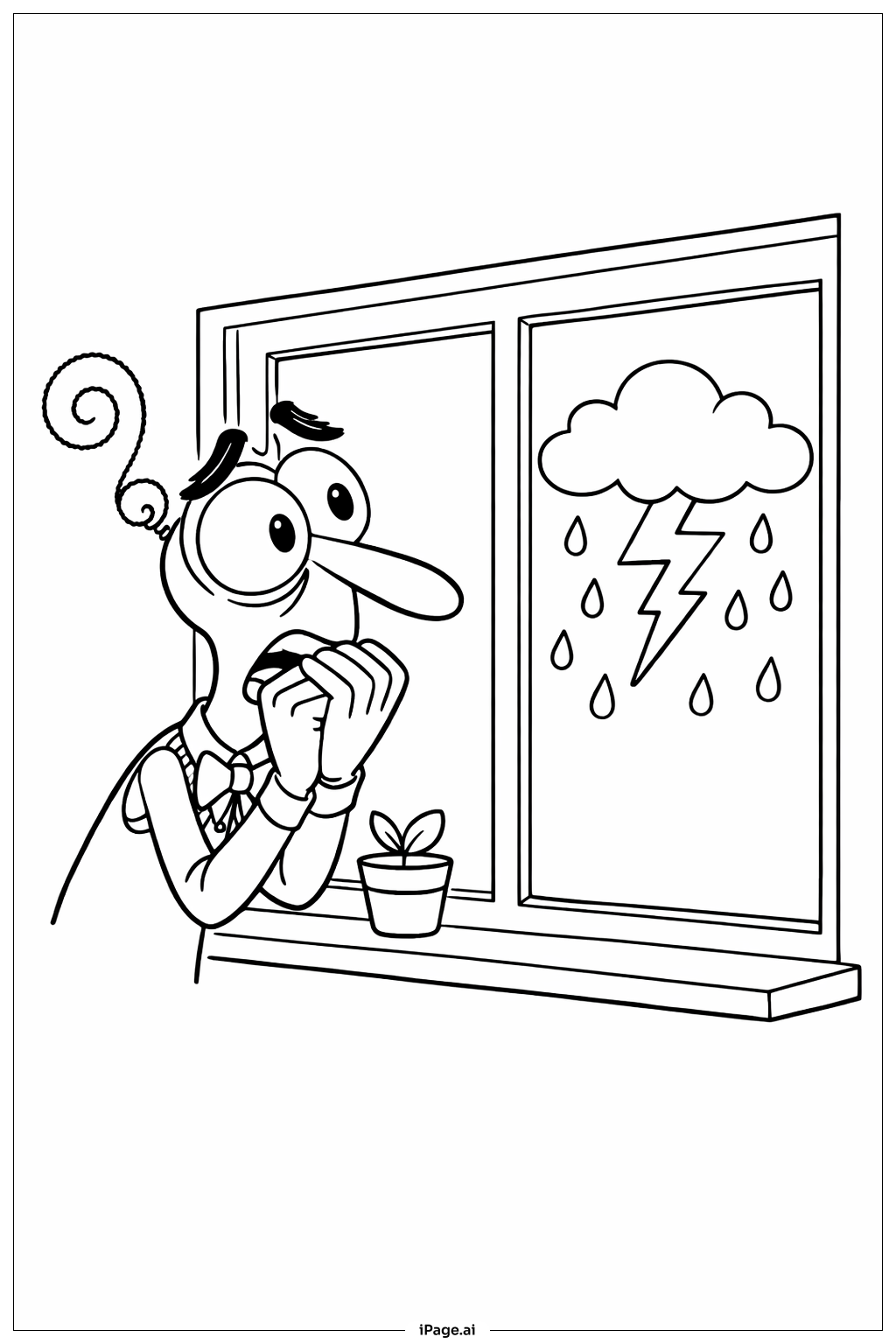
Start with Fear's signature purple color for his skin tone, using lighter shades for highlights on his face and darker purples for shadows. His sweater vest can be colored in a plaid pattern using soft purples, blues, and whites to create the checkered effect. The bowtie offers a chance to add a pop of contrasting color like burgundy or deep red. For his eyes, use white with black pupils, adding a tiny white dot for that sparkly, nervous look. His hair should be darker purple or even lavender tips. Consider using colored pencils for smooth blending on his face, and markers for bolder areas like the vest. The background panel can be colored in neutral tones like gray, beige, or soft blue to make Fear stand out. Don't forget to add gentle shading around the edges where he's peeking to create depth.
Coloring challenges: Which parts are difficult to color and need attention for Fear Peek coloring page?
• Facial Expression Details: Capturing Fear's worried expression requires careful attention to eye placement and shading. The wide eyes need to maintain their characteristic nervous look, which means coloring the whites evenly while keeping pupils perfectly centered. The eyebrows must be darker to convey concern, and subtle shading around the eyes helps create that perpetually anxious appearance that defines his character.
• Plaid Pattern Complexity: The sweater vest's plaid or checkered pattern presents a significant challenge for colorists. Each square or stripe must be colored consistently to maintain the pattern's integrity throughout the garment. This requires planning the color scheme before starting, keeping lines straight, and ensuring that intersecting lines create proper plaid effects. Younger children may find this repetitive pattern tedious, while it offers older colorists a chance to practice precision.
• Body Proportions and Shading: Fear's lanky, elongated body shape requires thoughtful shading to show his three-dimensional form. His thin arms and legs need darker tones along the edges to prevent them from looking flat. The areas where his body curves or bends behind the panel require graduated shading to show depth. Colorists must decide where light sources hit his purple skin to create realistic highlights and shadows.
• Purple Color Variations: Working with multiple shades of purple throughout the entire character can be challenging. Using only one purple tone makes the image look flat and boring, but coordinating several purple shades requires skill. Colorists need to distinguish between his skin, hair, and clothing while keeping everything in the purple family, which demands careful color selection and blending techniques.
Benefits of coloring books: Advantages of drawing Fear Peek coloring page
Coloring this Inside Out 2 Fear Peek page helps children explore and understand emotions in a fun, creative way. As they color Fear's anxious expression, kids can discuss what makes them feel nervous or scared, promoting emotional intelligence and self-awareness. The detailed elements like the plaid pattern improve fine motor skills and hand-eye coordination, especially for younger colorists. Working with various shades of purple encourages experimentation with color theory and shading techniques. The character's relatable personality makes coloring feel like spending time with a friend, which can be calming and therapeutic. Completing this page builds patience and concentration, as the intricate details require sustained focus. For fans of Inside Out 2, this activity deepens their connection to the movie while providing screen-free entertainment that sparks imagination and creativity.