Coloring tips: How to color Smiling Horse Profile coloring page well?
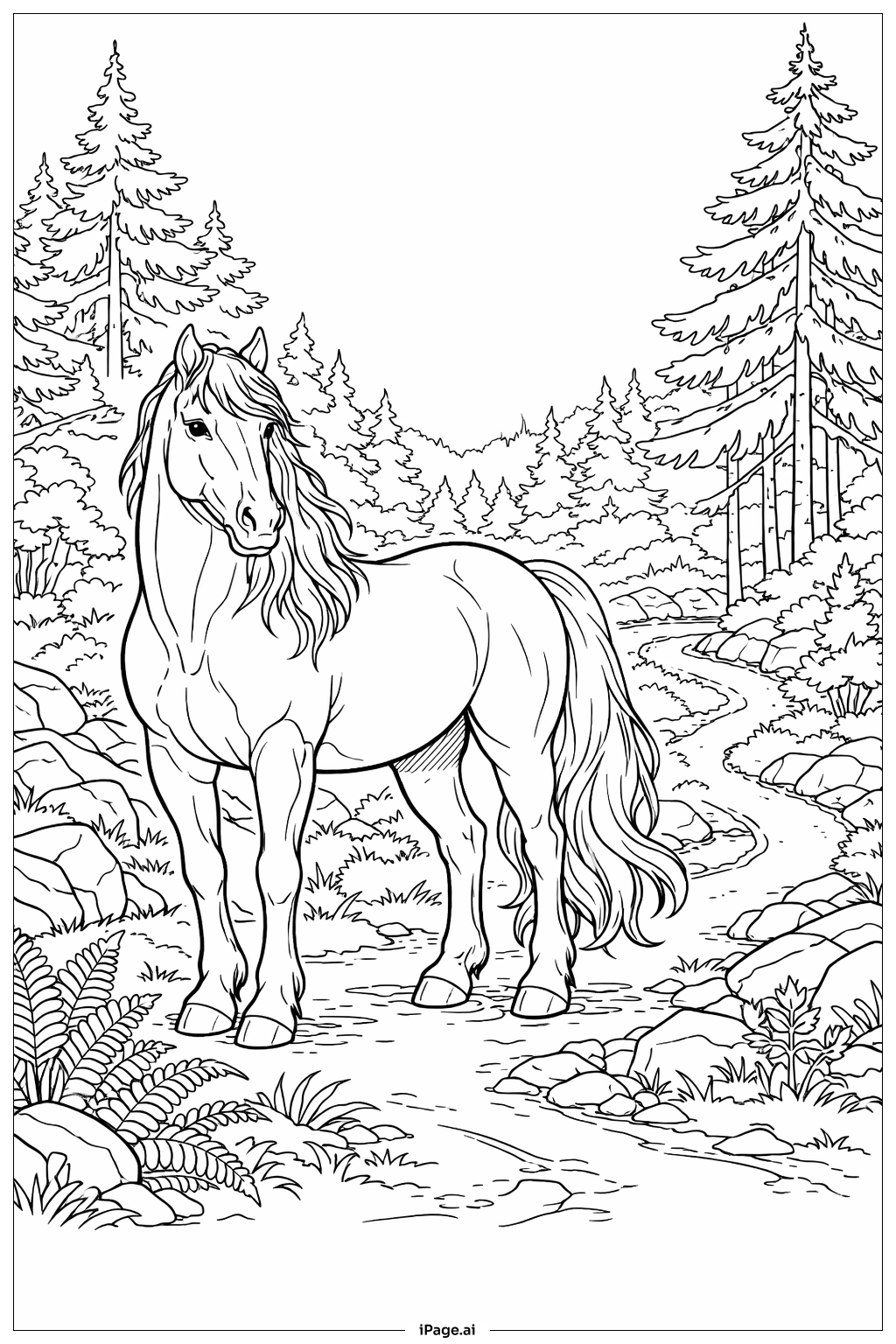
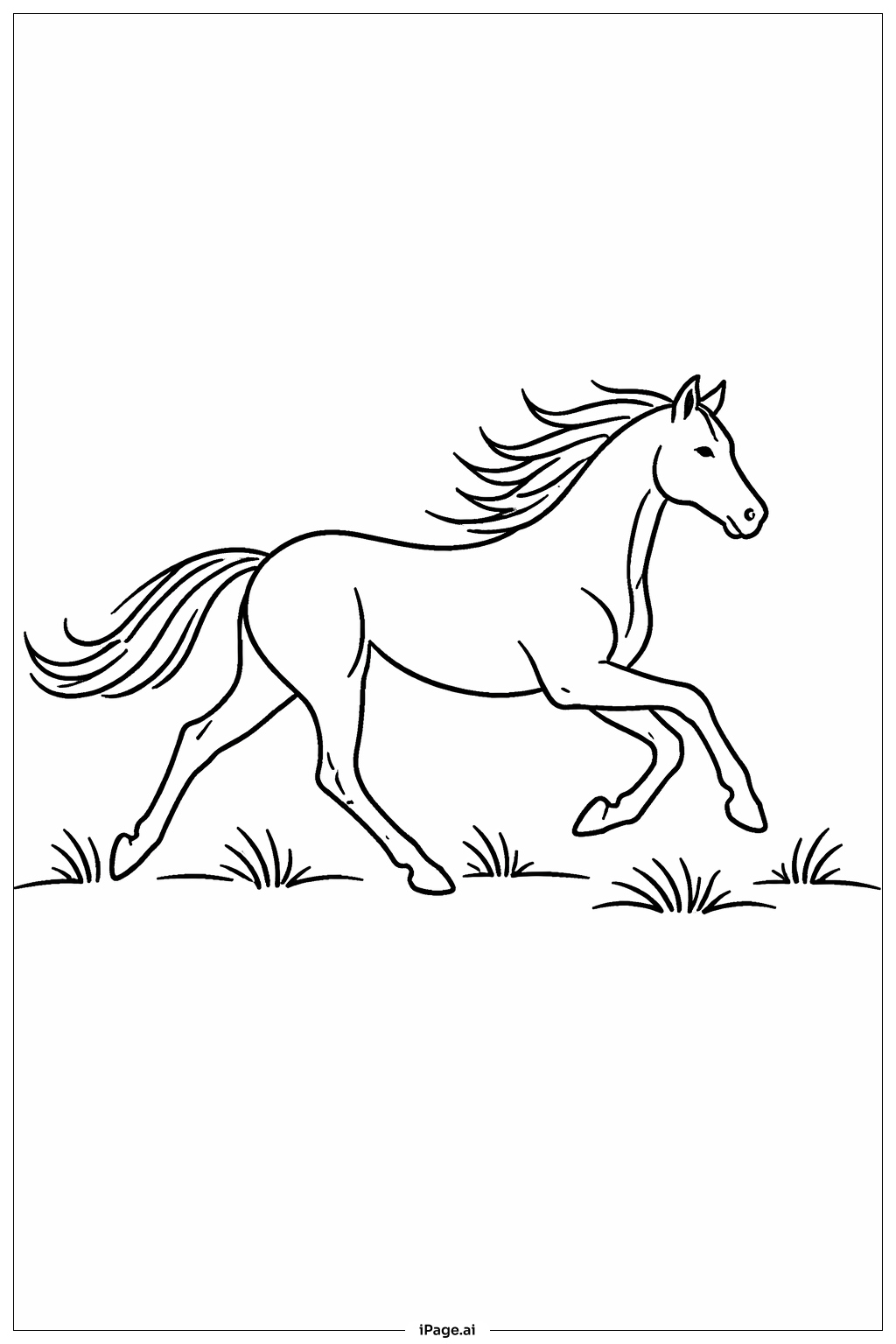
Start with the horse's coat using warm browns like chestnut, bay, or tan, or try cooler tones like gray or black. For a magical twist, consider palomino gold or even fantasy colors like white or dappled patterns. The mane offers great creative freedom - try matching the body color, go darker for contrast, or experiment with multiple shades for dimension. Use a darker brown or black for the eye, leaving a small white highlight to make it sparkle with life. The nostril and mouth line can be colored in dark brown or black for definition. Consider adding subtle shading along the neck and jawline using slightly darker versions of your base color to create depth. The inner ear can be colored with a lighter pink or tan shade. Blend colors gently where the mane meets the neck for a natural look.
Coloring challenges: Which parts are difficult to color and need attention for Smiling Horse Profile coloring page?
• Mane Flow and Texture: The flowing mane features multiple wavy strands that require careful attention to create realistic hair texture. Children may find it challenging to color each strand individually while maintaining consistent direction and avoiding gaps. Deciding whether to use one solid color or blend multiple shades for depth adds complexity. Keeping strokes smooth and following the natural curve of each lock requires patience and steady hand control.
• Facial Contours and Shading: The horse's profile presents curved surfaces that benefit from shading techniques to appear three-dimensional. Young colorists may struggle with where to place darker tones versus lighter highlights, especially around the cheek, jaw, and neck areas. Understanding how light falls on rounded surfaces requires spatial thinking that develops with practice.
• Eye Expression and Detail: The eye is a small but critical feature that conveys the horse's happy personality. Coloring it requires precision to stay within the lines while adding the necessary dark pupil and bright highlight spot. Getting these small details right can be tricky for younger hands, but it makes a significant difference in bringing the face to life.
• Smooth Color Transitions: Creating even color coverage across larger areas like the neck and face without visible streaks or patches requires technique. Children learning to control pressure and overlap strokes may find it challenging to achieve professional-looking results, especially when trying to blend colors for realistic effects.
Benefits of coloring books: Advantages of drawing Smiling Horse Profile coloring page
Coloring this smiling horse helps children develop fine motor skills through careful line work, especially when working on detailed areas like the eye and mane strands. The friendly expression encourages emotional connection, teaching empathy and positive feelings toward animals. This image offers excellent practice in color selection and decision-making as children choose realistic or imaginative palettes. Working on the flowing mane builds patience and focus while experimenting with shading techniques on the curved facial features introduces basic artistic concepts of light and dimension. The clear, defined sections make it accessible for younger children while still offering enough complexity to engage older kids. Completing this cheerful horse provides a sense of accomplishment and can spark interest in learning more about horses, nature, and animal care. It serves as a calming, focused activity that reduces stress while building concentration skills and creative confidence.