Coloring tips: How to color Pony Horse Small coloring page well?
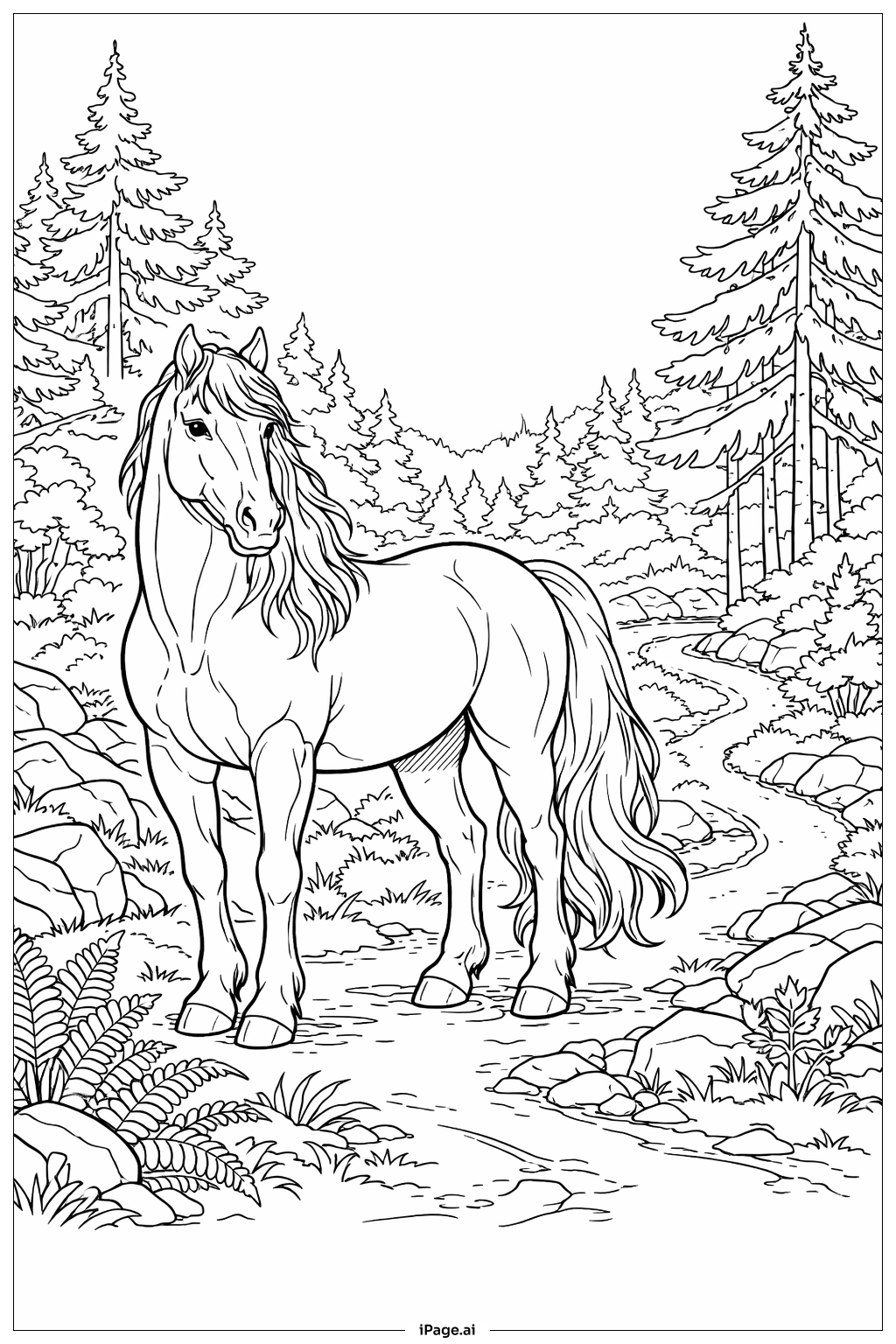
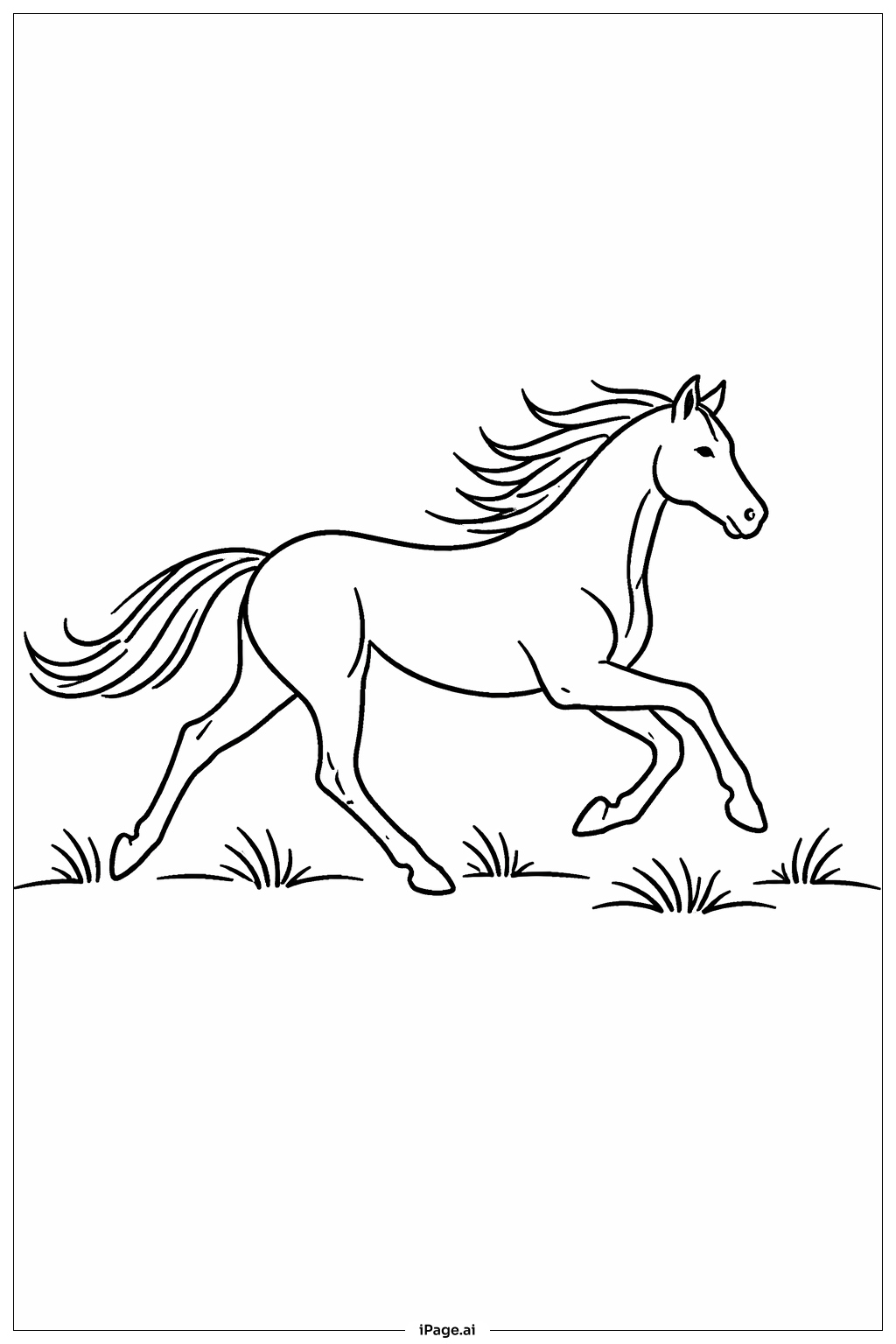
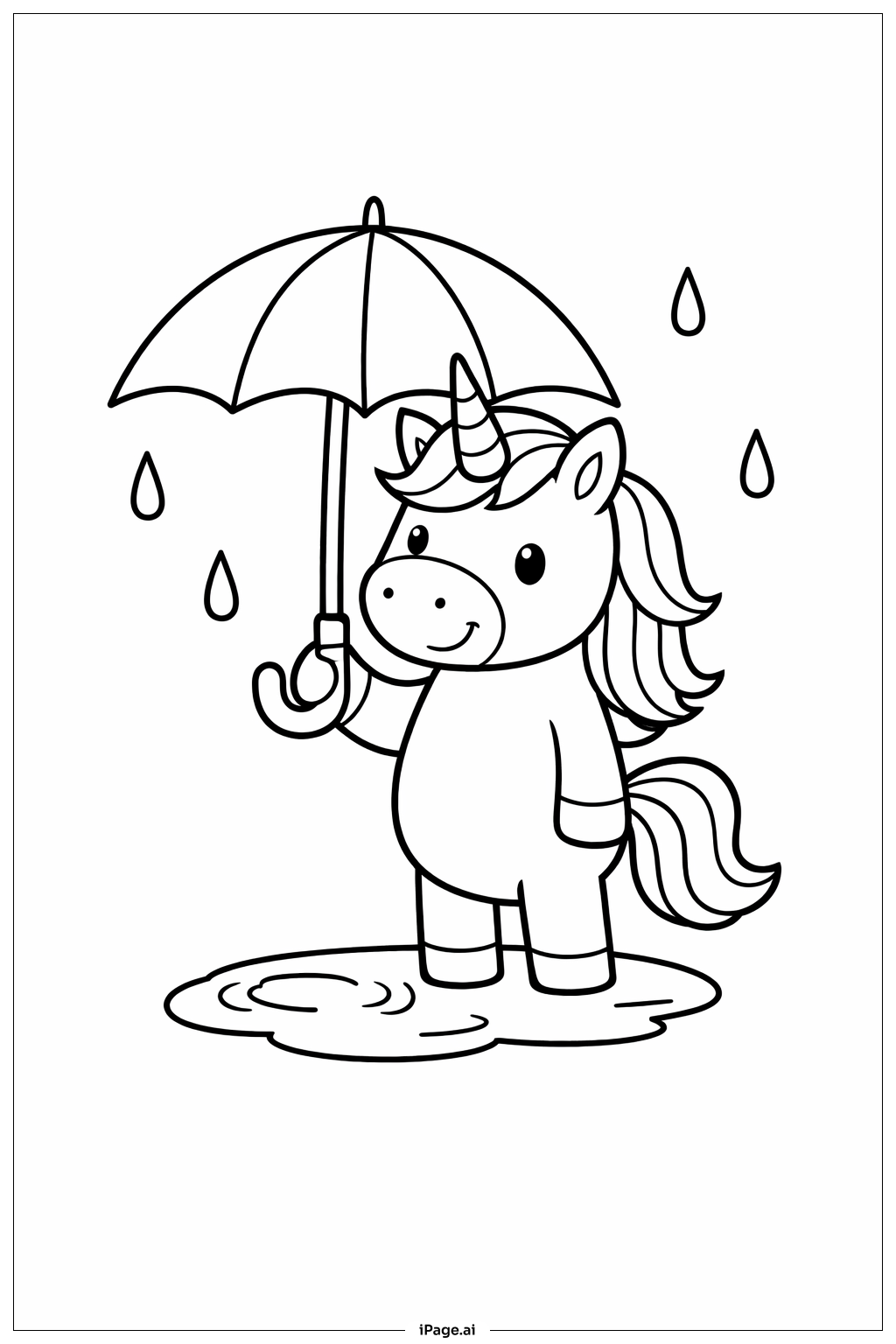
Start with the pony's body using warm, natural horse colors. Ponies often come in chestnut (reddish-brown), palomino (golden-yellow), dapple gray, or classic brown. Use a light base coat first, then add a slightly darker shade along the belly, legs, and under the neck to create soft shadows and depth. Color the mane and tail in a contrasting or complementary tone — a golden mane on a brown coat looks beautiful. Use dark brown or black for the hooves. Give the eyes a warm brown with a tiny white highlight dot to make them look alive and sparkly. The grass around the pony can be colored in bright greens. For a magical look, kids can try pastel pinks, purples, or blues for a fantasy pony style. Use colored pencils for smooth blending on the coat, and markers for bold outlines and bright grass tones.
Coloring challenges: Which parts are difficult to color and need attention for Pony Horse Small coloring page?
• Coat Shading and Depth: The pony's rounded body requires careful shading to look three-dimensional. Without adding lighter and darker tones, the coat can appear flat and lifeless. Children need to practice blending two or more shades of the same color to show curves on the belly, back, and legs. This takes patience and a gentle hand with the coloring tool.
• Mane and Tail Flow: The flowing mane and full wavy tail have multiple overlapping strands and curves. Coloring each strand individually while keeping the overall direction consistent is tricky. Using long, smooth strokes that follow the direction of the hair will help. Choosing two tones — one lighter and one darker — for the mane and tail adds a realistic, silky look.
• Fine Leg Details and Hoof Areas: The lower legs of the pony feature small fur tufts and compact hooves. These are small, detailed areas that require a fine-tipped coloring tool. Staying inside the lines in this region is one of the harder tasks, especially for younger children. Switching to a thin marker or a sharp colored pencil for these spots is recommended.
• Facial Expression and Eyes: The pony's face has soft, detailed features including large eyes, curved eyelashes, and delicate nostrils. The eyes especially require careful coloring — a base brown, a darker outer ring, and a tiny white highlight all work together to create life and expression. Rushing this area often results in losing the pony's friendly and gentle look.
• Background Grass Balance: The grass tufts surrounding the pony should complement, not overpower, the main subject. Using too dark or too bright a green can make the pony look washed out. Choose softer greens and leave some areas lightly colored to keep the focus on the pony itself.
Benefits of coloring books: Advantages of drawing Pony Horse Small coloring page
Coloring this sweet pony page offers a wide range of benefits for children of all ages. For younger kids, carefully staying within the pony's outlines helps build fine motor skills and improves hand-eye coordination. Choosing colors for the coat, mane, and tail encourages creative thinking and artistic decision-making from an early age.
As children focus on shading the pony's body or detailing its flowing mane, they naturally enter a calm, focused state. This kind of quiet concentration helps reduce stress and supports emotional balance, making coloring a healthy and soothing activity.
For older children, the challenge of blending coat colors and adding realistic shading teaches foundational art techniques like tonal contrast and color mixing. These skills carry over into other areas of learning and creative expression.
The pony theme also sparks imagination and storytelling. Kids may invent names for their pony, imagine where it lives, or create a whole barnyard world around it — building language skills and creative confidence along the way.
Completing the page gives children a real sense of accomplishment. Seeing a finished, colorful pony they created themselves builds self-esteem and encourages a love of art. Whether shared with family or displayed on a wall, this coloring page is a fun, rewarding, and enriching experience for every child.