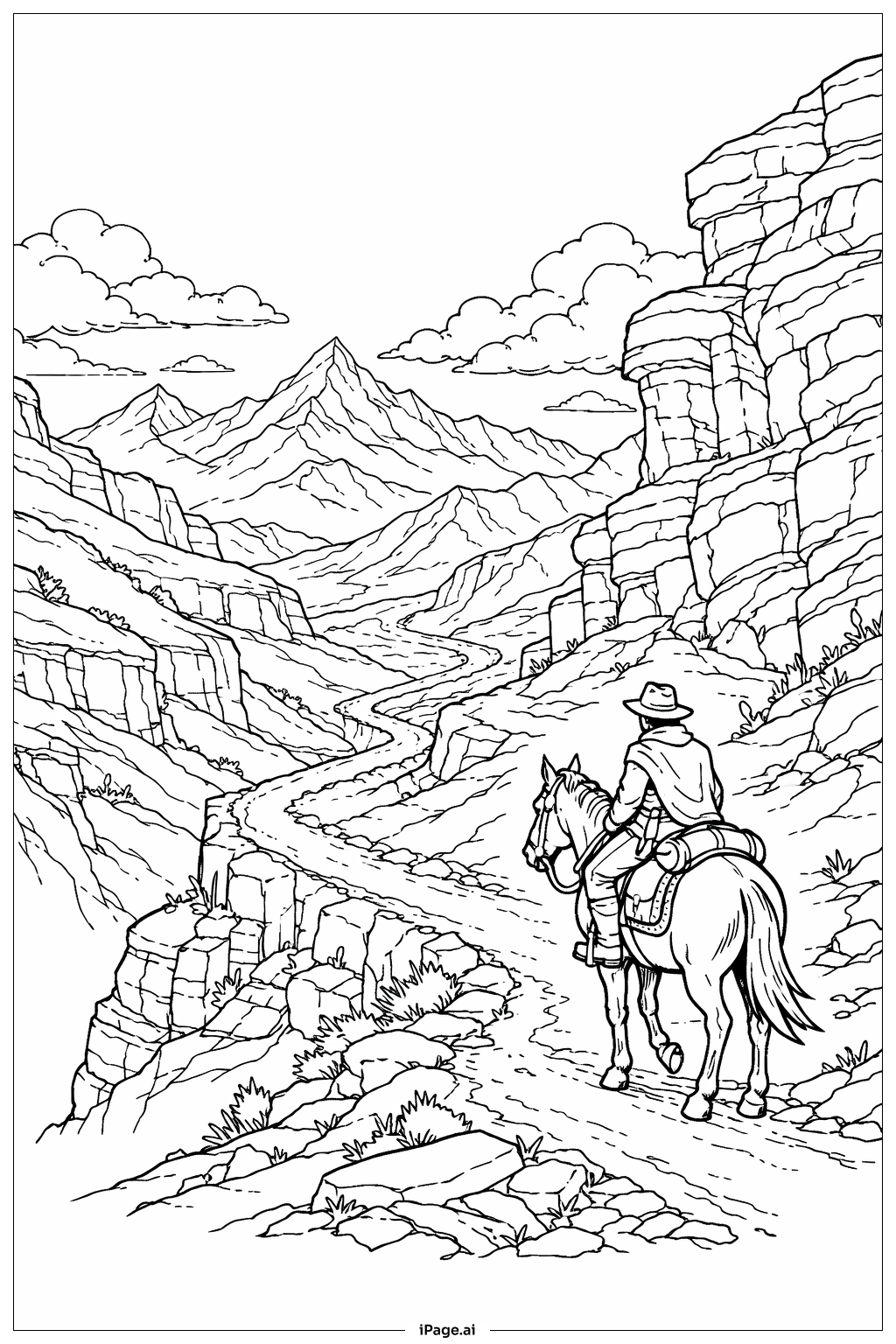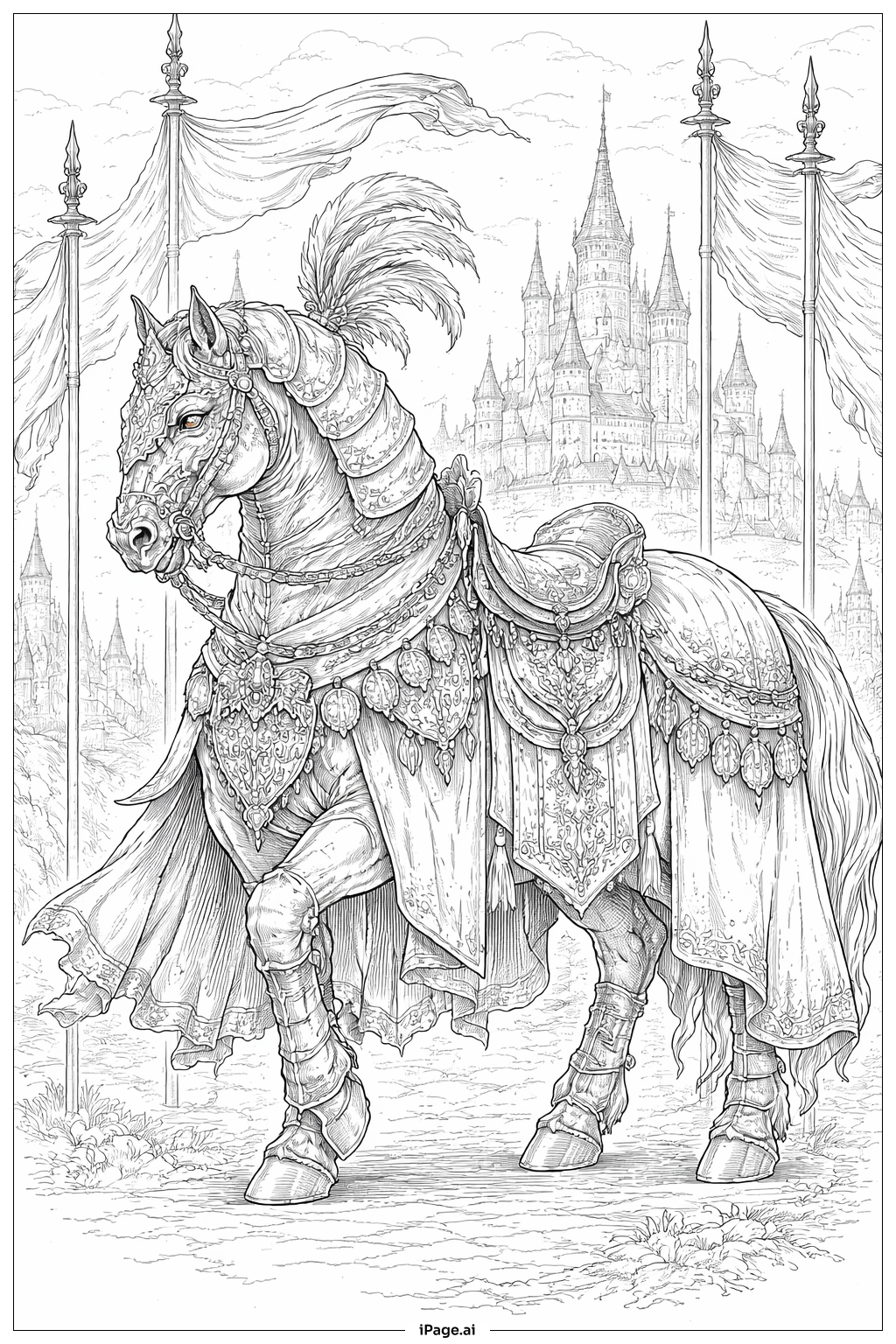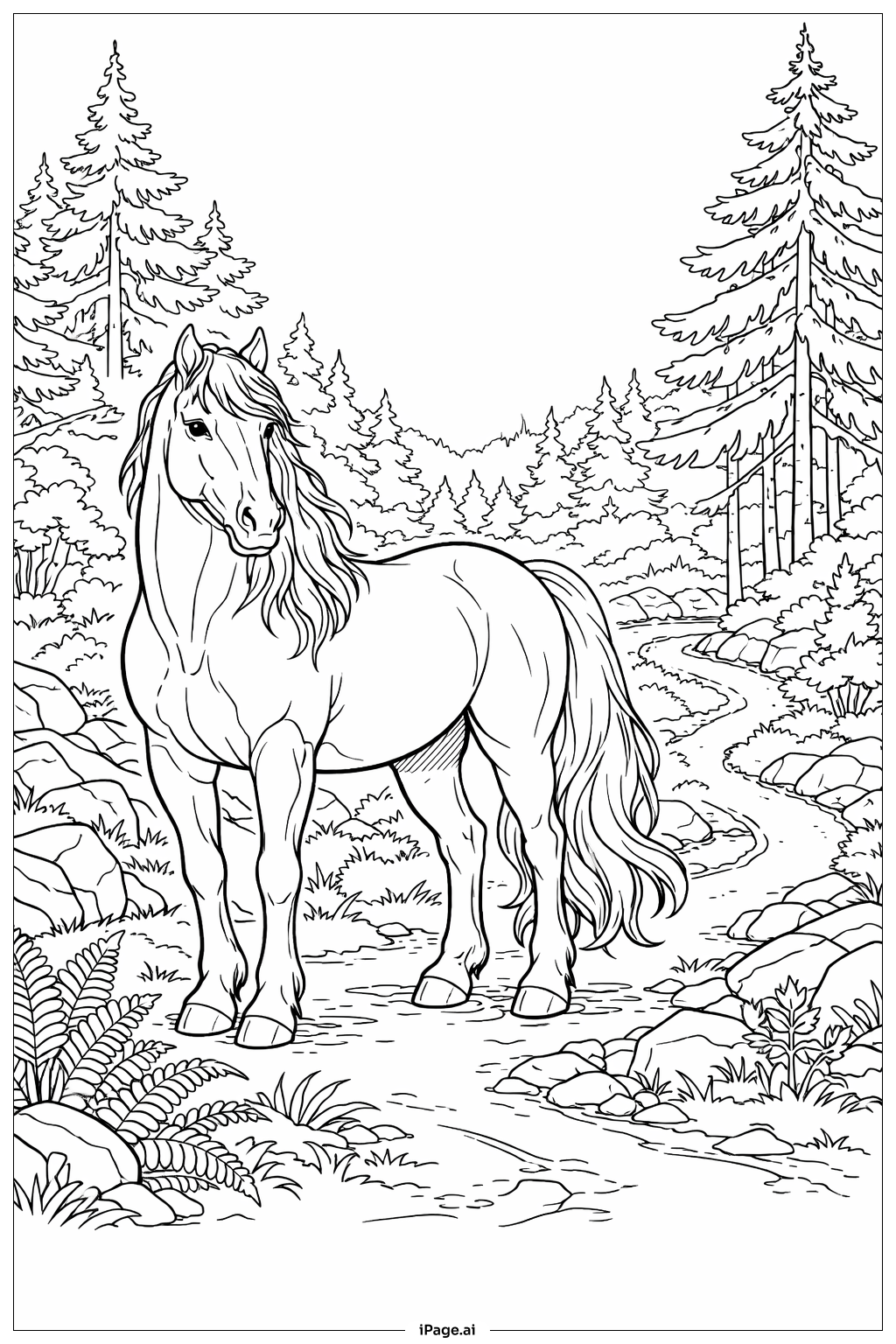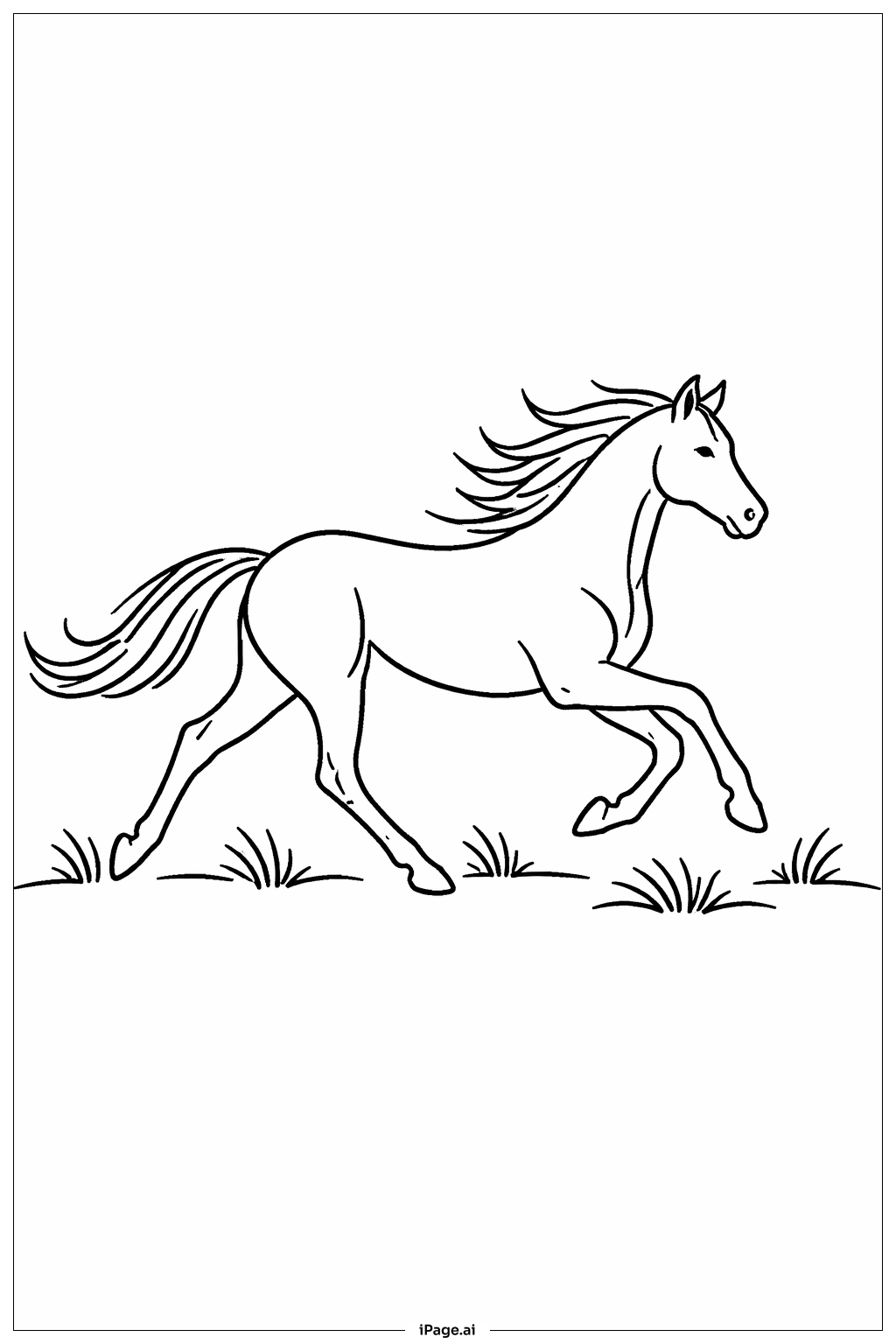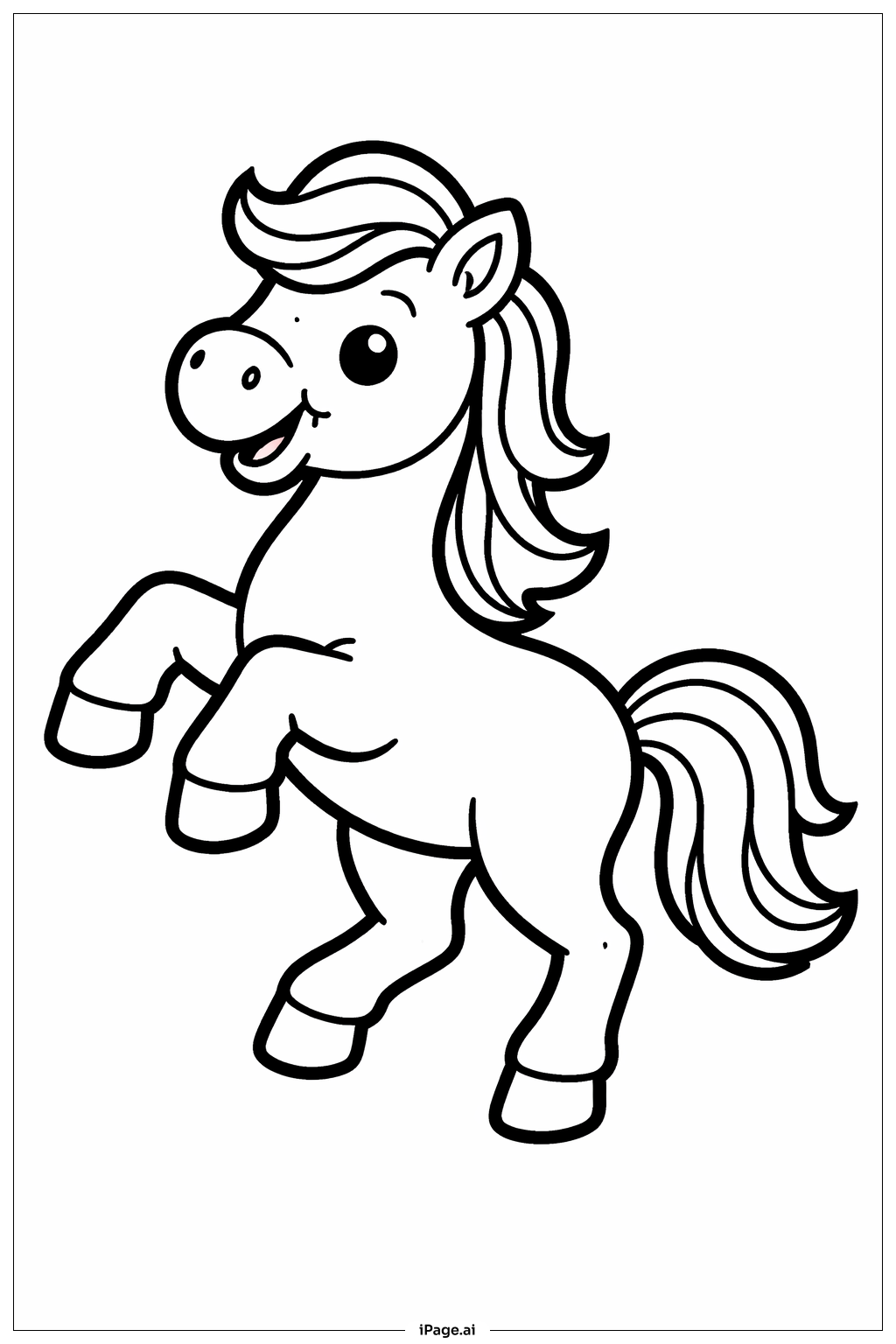
Coloring tips: How to color Horse Prancing coloring page well?
Start with the horse's body. Choose a classic coat color like chestnut brown, golden palomino, jet black, or dapple gray. Apply the base color evenly across the entire body first. Then add shading along the belly, under the neck, and behind the legs to give the horse a three-dimensional look. Use a slightly darker shade of the same color for the shading areas. Color the mane and tail with a contrasting or complementary color — for example, a flaxen mane on a chestnut body looks stunning. For the hooves, use dark brown or black. The eyes can be done in deep brown with a small white highlight to make them look alive. If there is a background, try a bright open sky in light blue or a grassy meadow in fresh green to frame the horse's energy. Kids can keep it simple with flat colors, while older colorists can experiment with blending and layering for a more realistic effect.
Coloring challenges: Which parts are difficult to color and need attention for Horse Prancing coloring page?
• Body Muscle Definition: The horse's body has many curved muscle groups, including the shoulders, haunches, and chest. Staying within these contours while adding shading requires a steady hand and careful color transitions. Rushing this step can flatten the figure and lose the sense of power in the pose.
• Flowing Mane and Tail: The mane and tail are made up of many overlapping strands of hair in motion. Coloring each strand individually with subtle color variation — light highlights and deeper shadows — takes patience. Blending colors smoothly within the hair strands without muddying the look is a common challenge.
• Leg Positioning and Hooves: Because the horse is prancing, the legs are at different angles, and the hooves vary in perspective. Keeping the shading consistent across all four legs while respecting the different angles can be tricky, especially for younger colorists who are still learning about depth and perspective in drawings.
• Fine Facial Features: The horse's face includes the eye, nostril, mouth, and ear, all within a small area. These details require fine-tipped tools for precision. The eye in particular needs careful attention — a single misplaced stroke can change the horse's expression entirely.
• Dynamic Background Integration: If a background is added, blending it with the moving figure without the colors bleeding into each other is challenging. The prancing pose creates irregular edges that make clean borders between the horse and the background harder to maintain.
Benefits of coloring books: Advantages of drawing Horse Prancing coloring page
Coloring this prancing horse image offers a wide range of benefits for children and young artists. The dynamic pose and rich details make it an engaging and rewarding activity from start to finish.
For younger children, filling in the large body areas of the horse helps build confidence with color tools and develops basic hand control. Choosing colors for the coat, mane, and tail also encourages creative thinking and self-expression.
For older kids and teens, the detailed muscle lines, flowing hair, and varied leg angles offer a real challenge. Working through these details builds fine motor skills, patience, and concentration — all valuable skills both inside and outside the classroom.
Coloring also has a calming effect. Focusing on a single image and bringing it to life with color can reduce stress and anxiety, making it a great quiet-time activity after school.
Learning to observe how light and shadow work on the horse's body introduces young colorists to basic art concepts like shading and depth. These are foundational ideas that carry over into drawing, painting, and other creative pursuits.
Most importantly, completing a detailed image like this builds a real sense of accomplishment. When kids finish their prancing horse and see the result, it boosts their confidence and motivates them to keep creating.