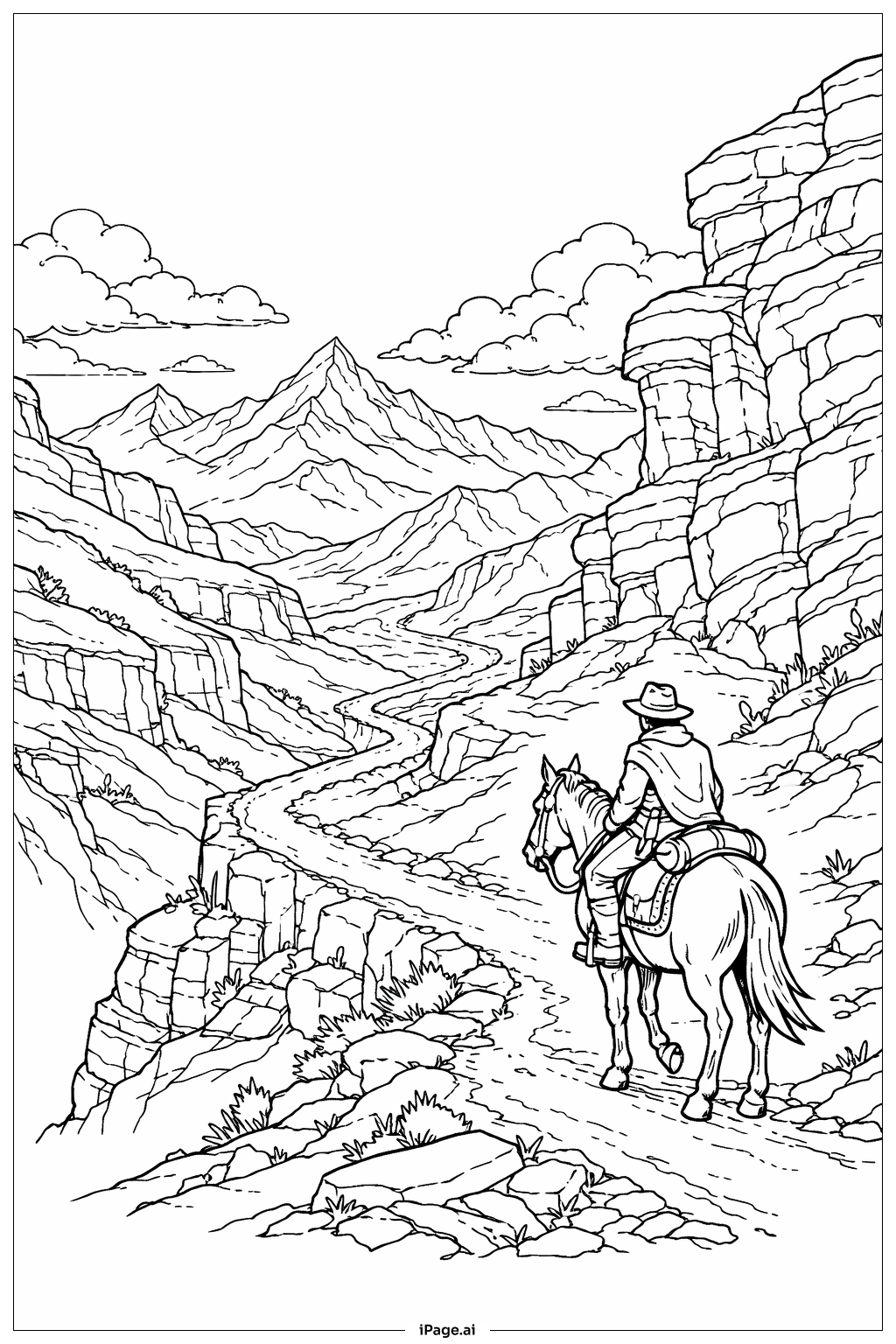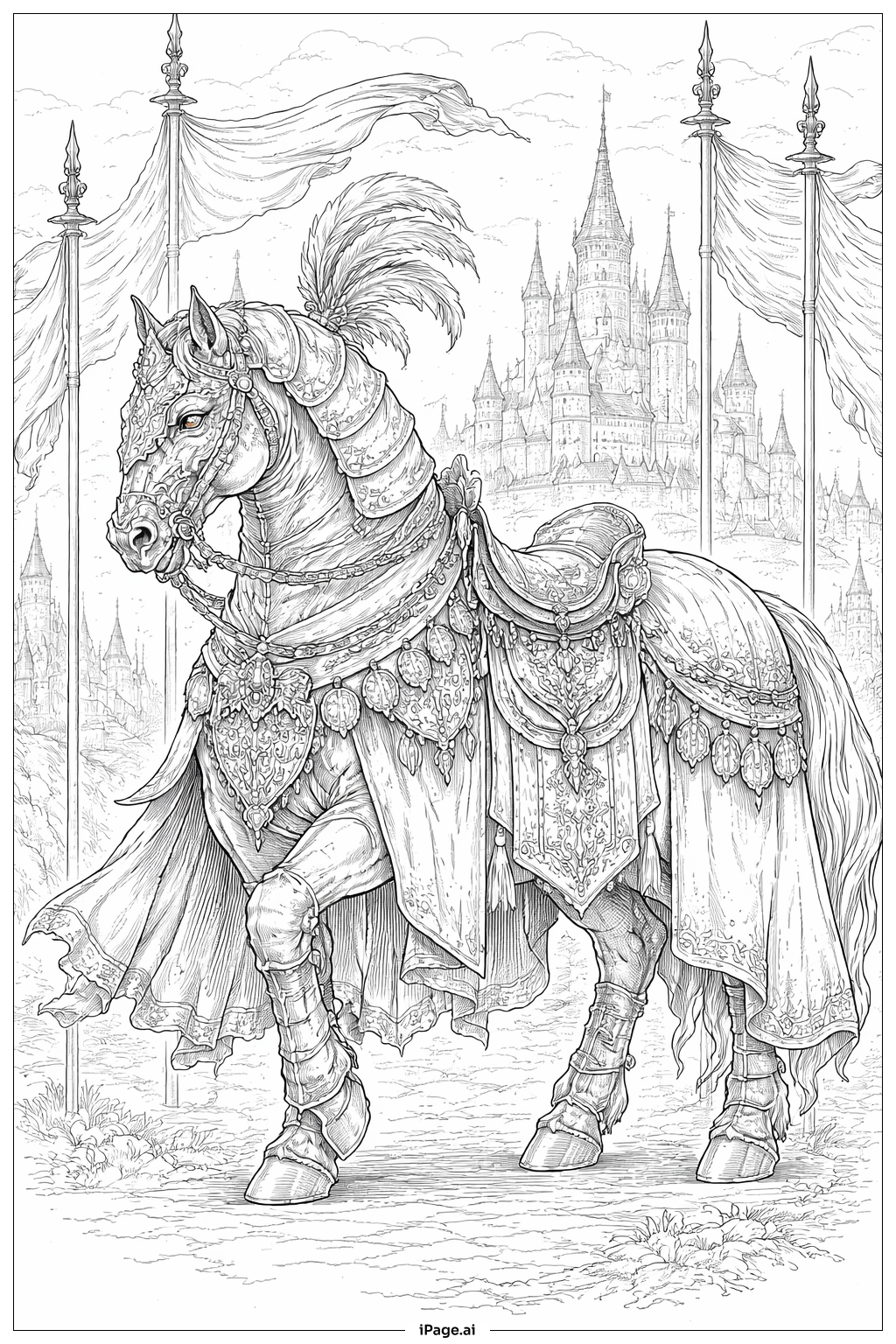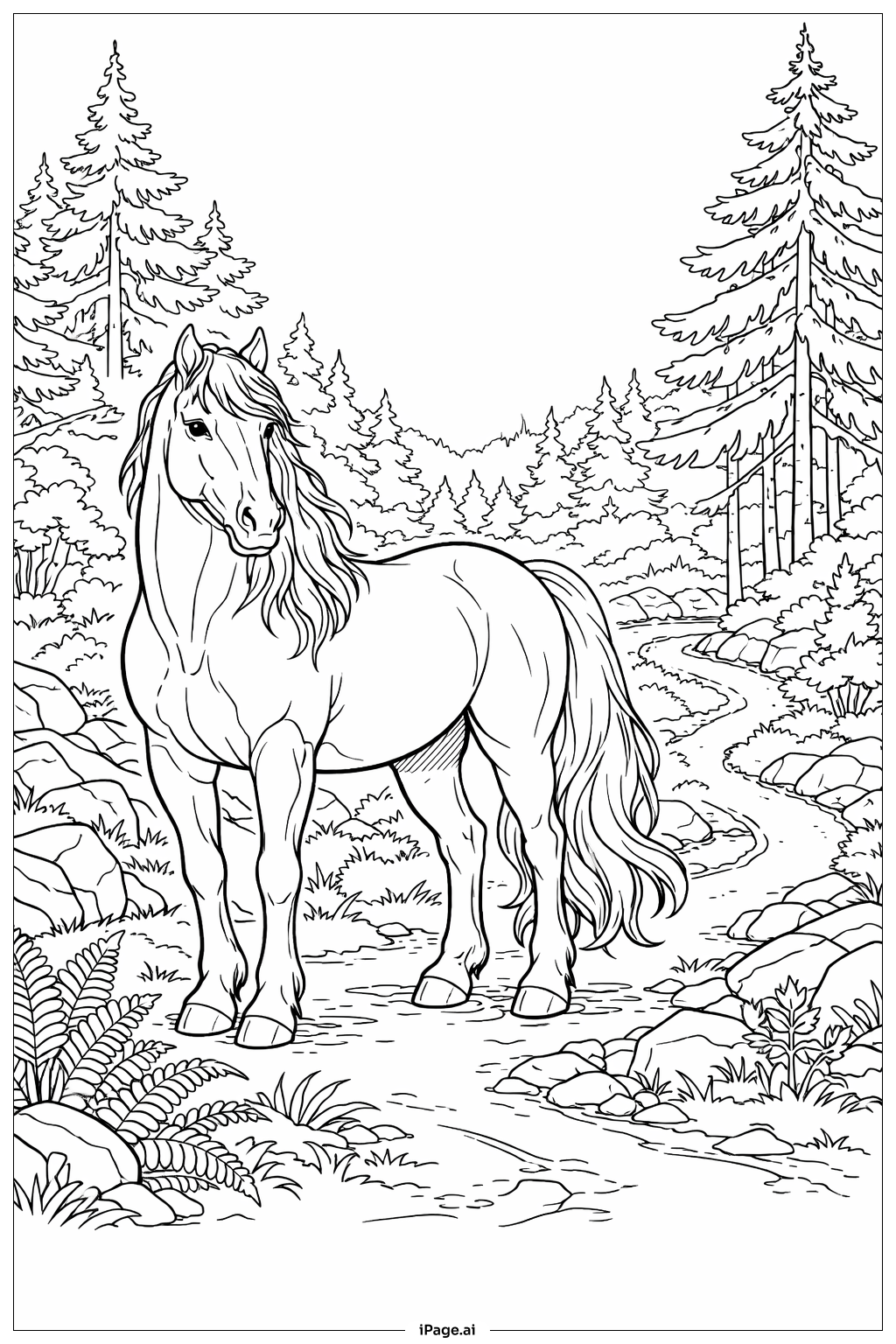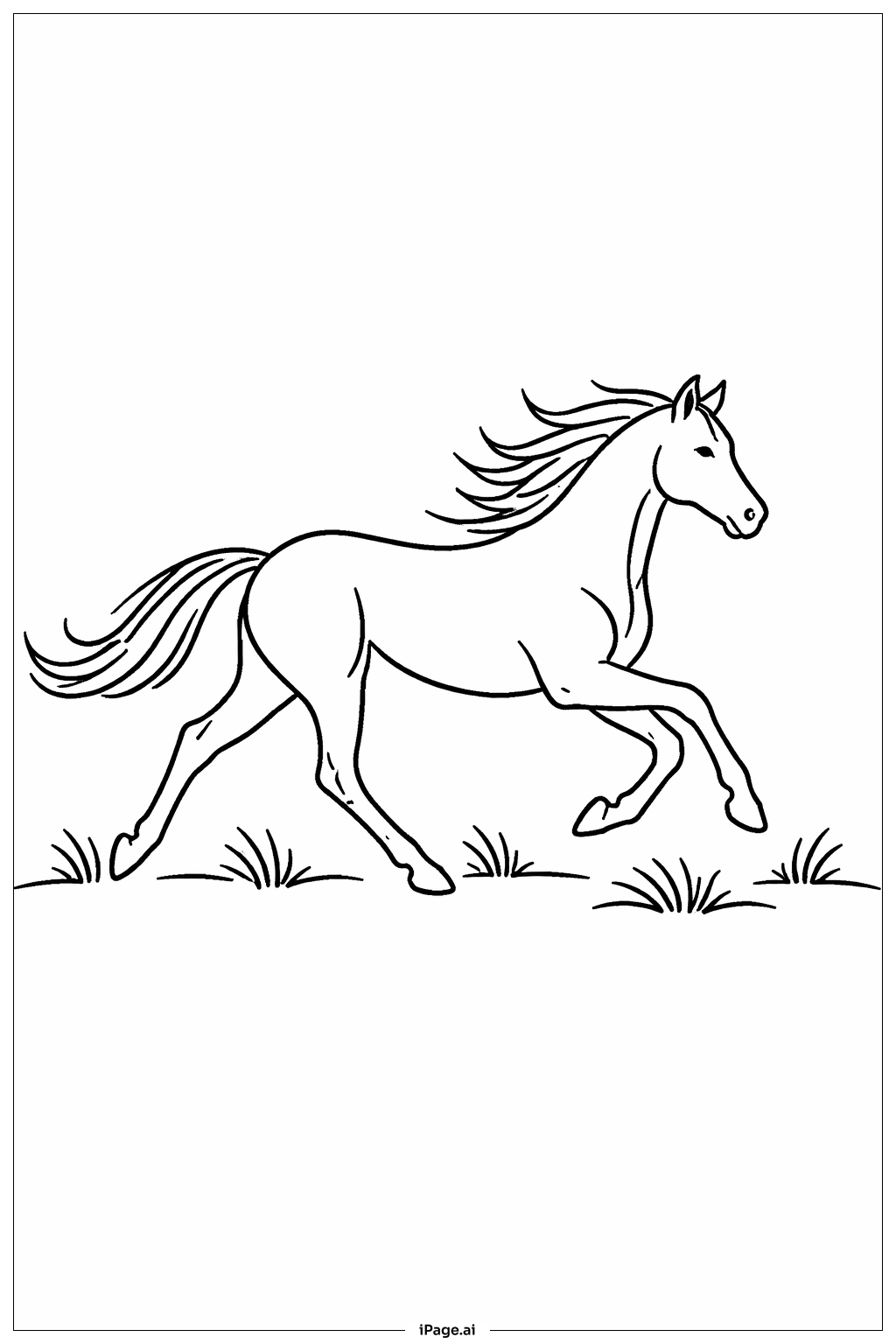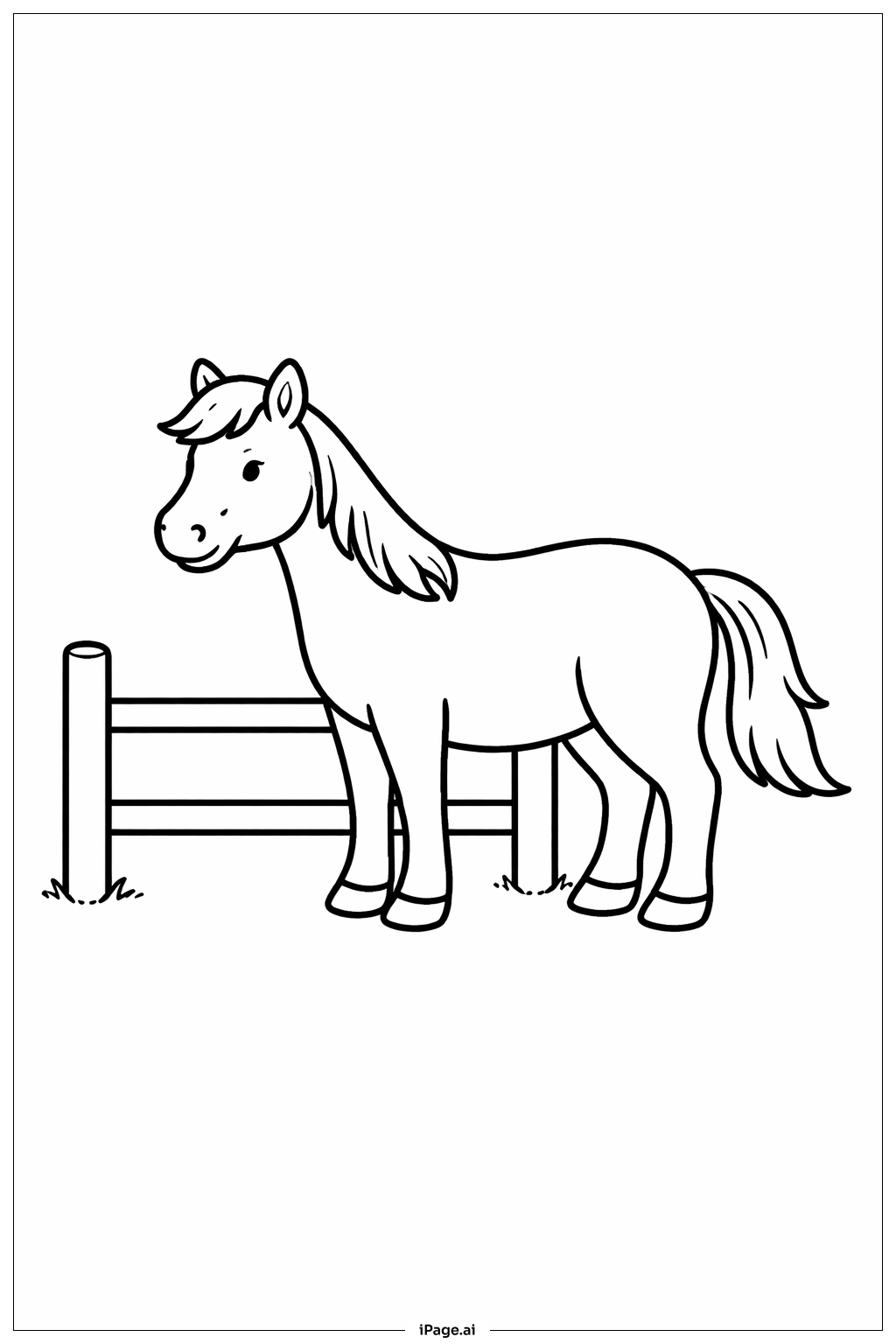
Coloring tips: How to color Horse Near Fence coloring page well?
For this picture, you can use brown, black, or white colors for the horse’s body. The mane and tail can be colored darker or lighter than the body to create contrast. The fence is usually brown or grey, and you can add green for the grass at the base. Using soft colors will make the picture look gentle and calm. You can also use bright colors for the background if you want to make the picture more cheerful and lively.
Coloring challenges: Which parts are difficult to color and need attention for Horse Near Fence coloring page?
1. Coloring the horse’s mane and tail evenly can be tricky because of the detailed lines and curves.
2. Keeping the fence color inside the lines requires careful control, especially around the posts and bars.
3. Coloring the small grass patches without mixing into the fence or horse takes patience and precision.
4. Choosing the right shades to show light and shadow on the horse might be hard for beginner colorers.
5. Balancing colors between the horse, fence, and grass so they all look natural can be challenging.
Benefits of coloring books: Advantages of drawing Horse Near Fence coloring page
Coloring this picture helps children practice fine motor skills by staying inside the outlines. It also encourages creativity as children decide the colors for the horse, fence, and grass. This activity promotes focus and patience while coloring the different parts carefully. It’s a fun way to learn about horses and nature. Coloring this horse near the fence picture can also help kids understand color contrasts and improve their hand-eye coordination.