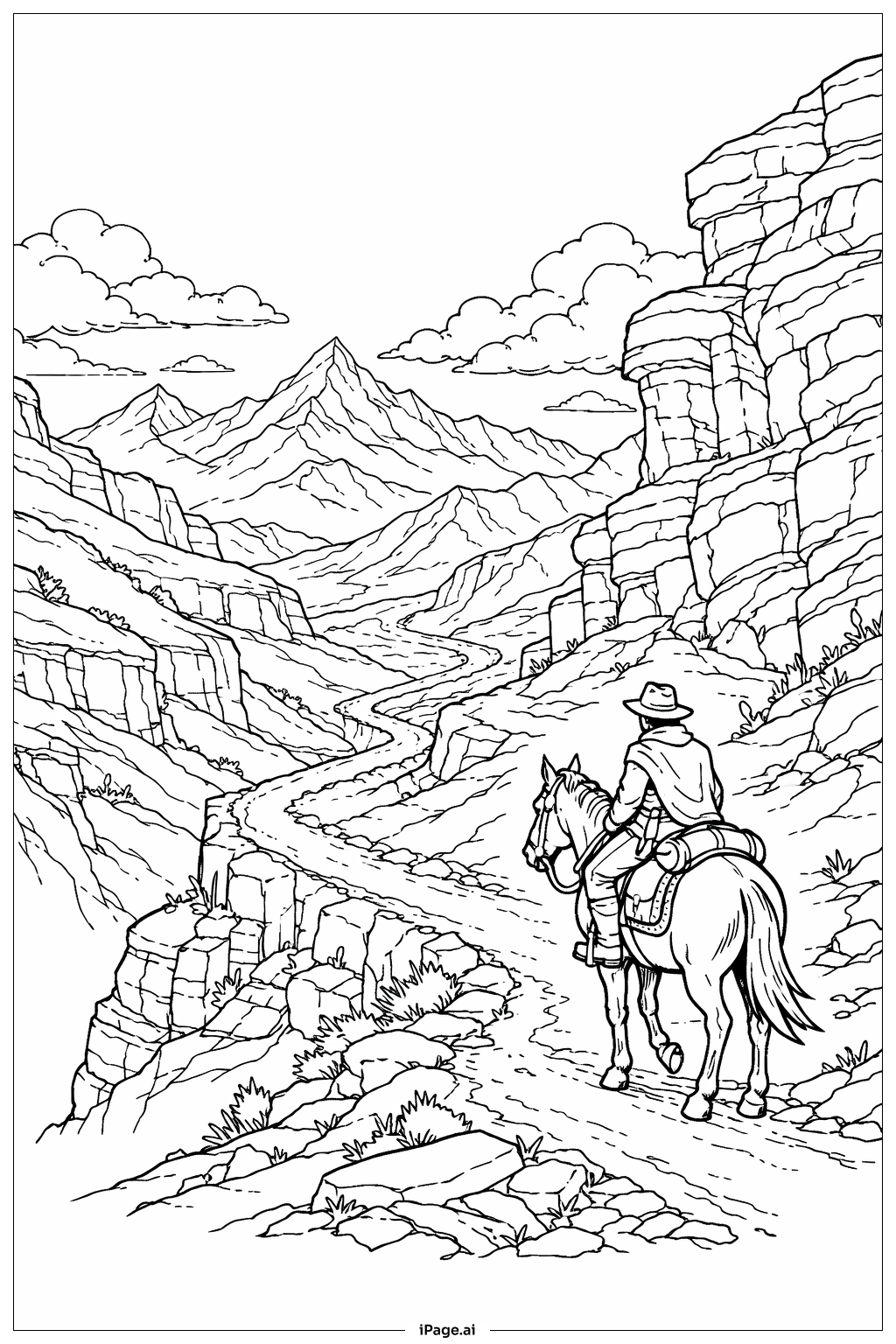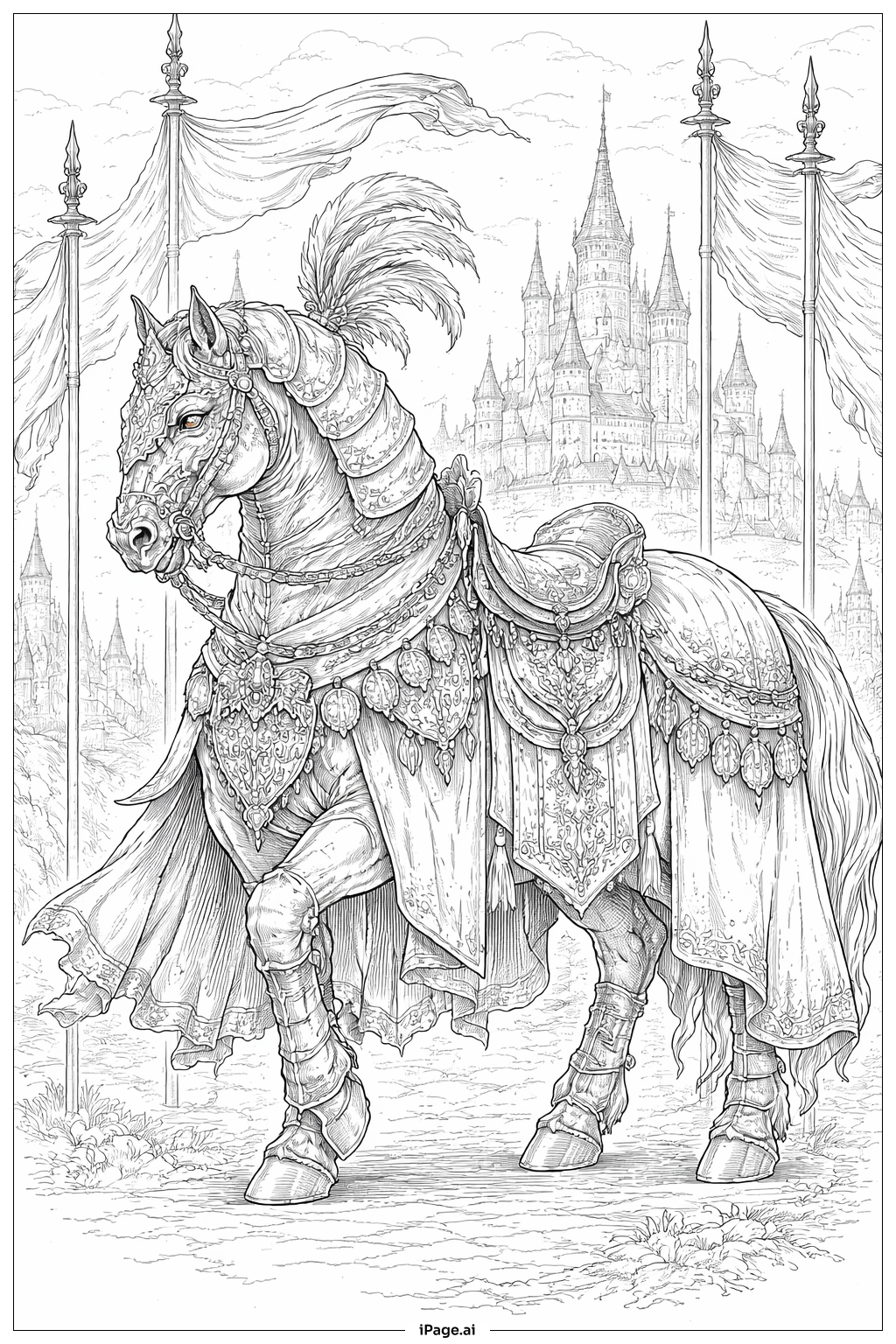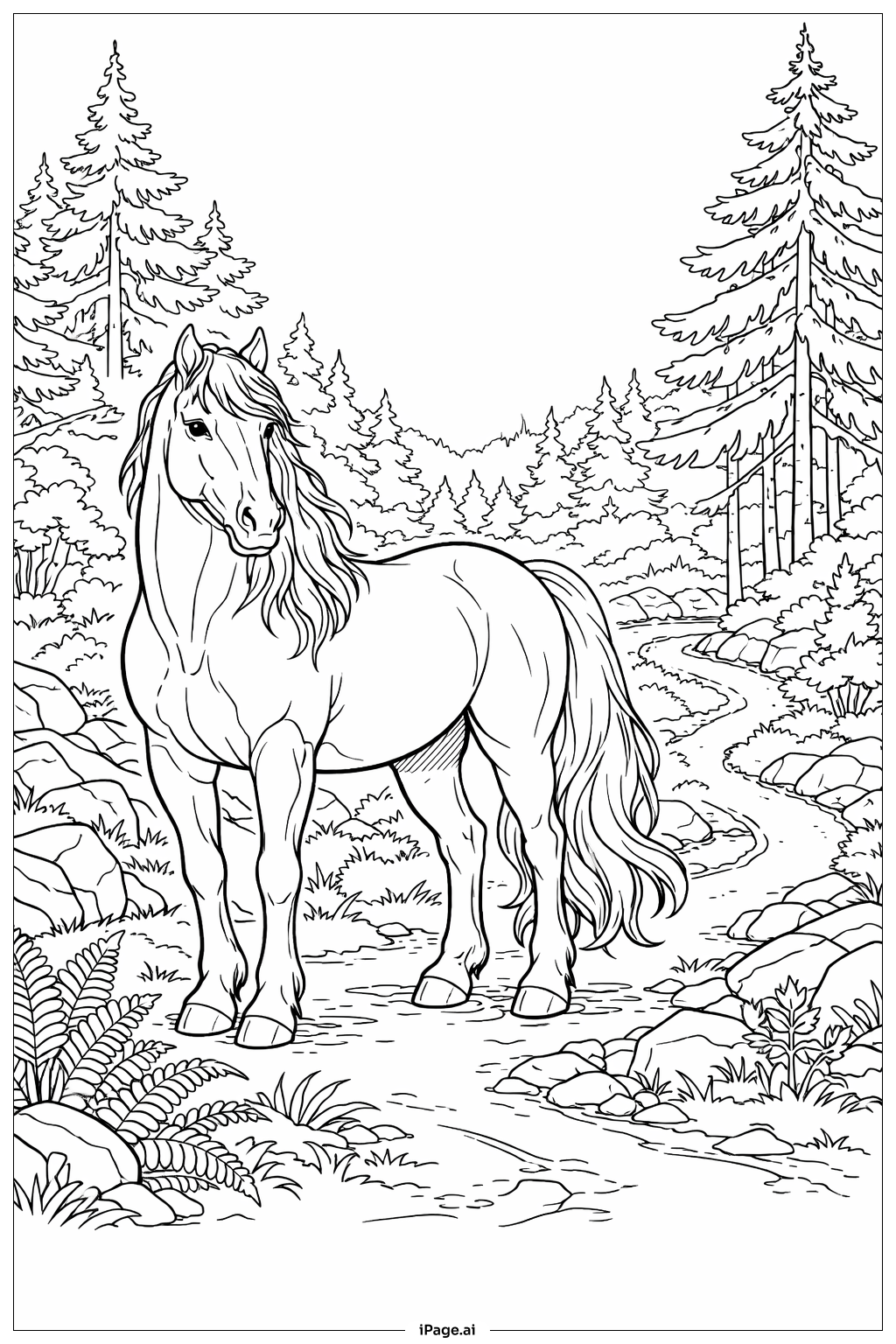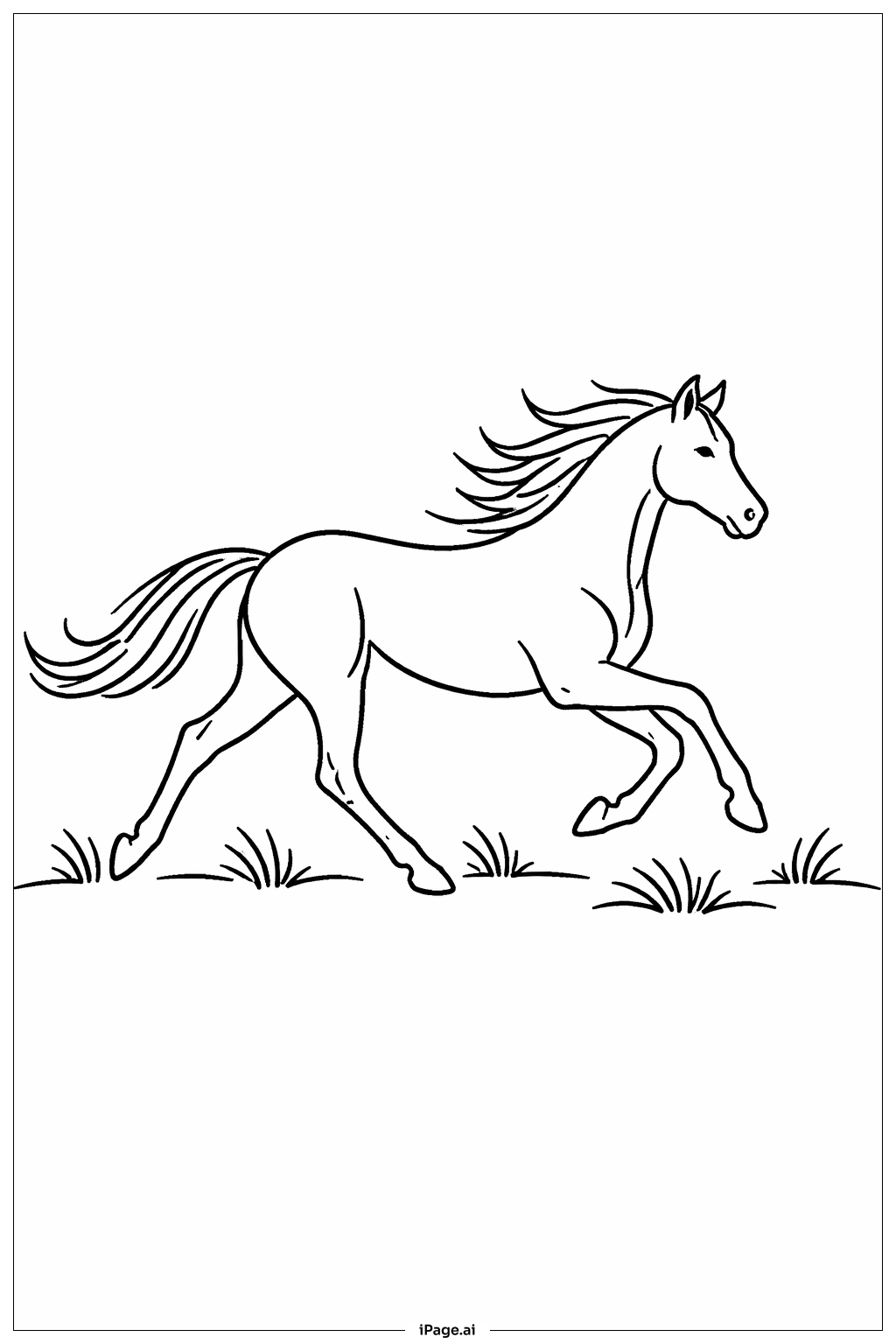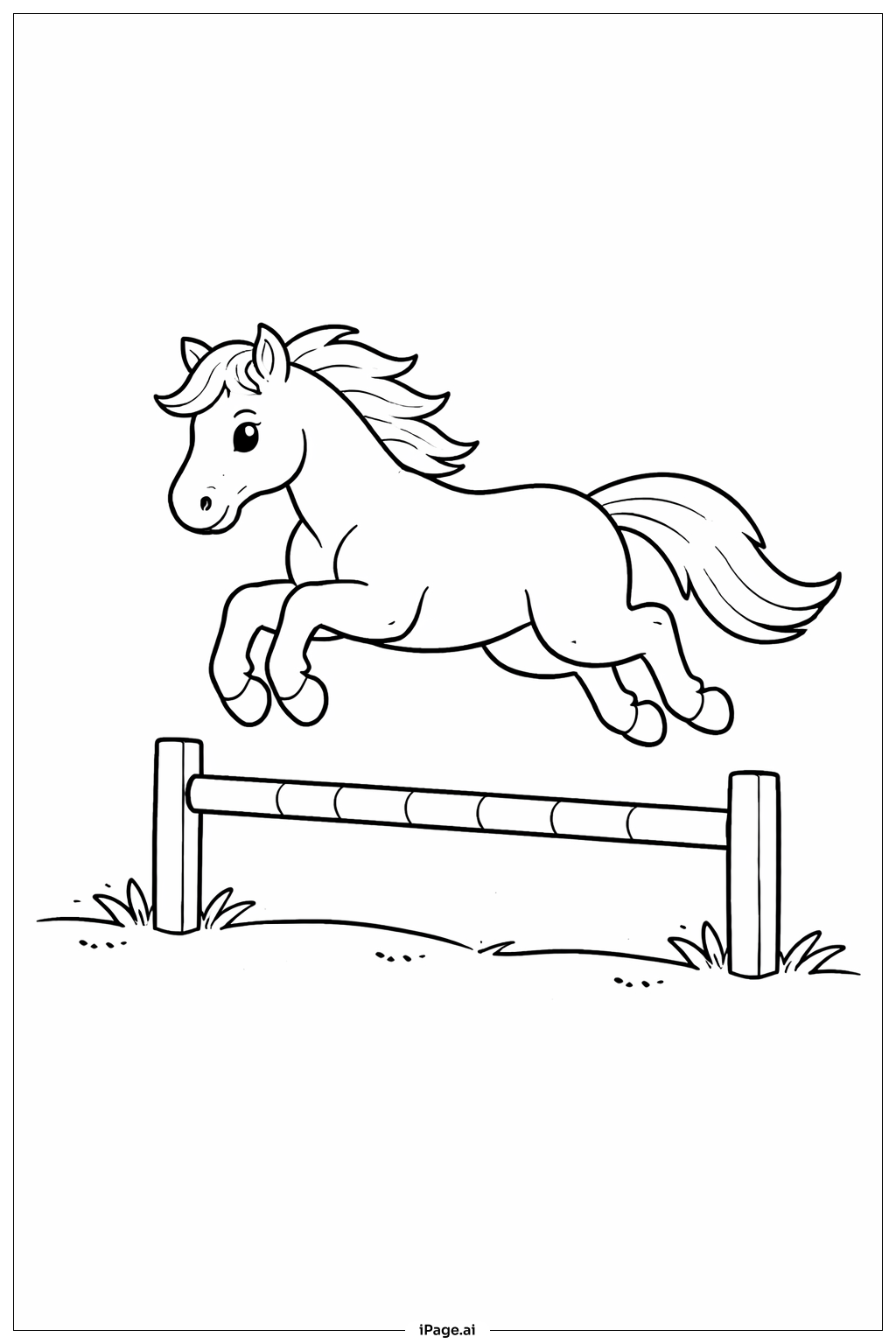
Coloring tips: How to color Horse Jumping Fence coloring page well?
Use browns, blacks, or even white for the horse's body to create a realistic look. You can add shades or spots for more detail. The mane and tail can be a different color, like black or a darker shade of brown, to make the horse more lively. For the fence, use natural wood colors such as beige or light brown. The grass can be green with some yellow or dark green highlights. Try blending colors gently to create a smooth look. Remember to color softly around the edges to keep the shapes clear.
Coloring challenges: Which parts are difficult to color and need attention for Horse Jumping Fence coloring page?
1. The horse's mane and tail have many flowing lines that need careful coloring to avoid going over the edges. 2. Coloring the legs and hooves requires attention to small spaces and curves, which can be tricky for young children. 3. Creating a realistic color gradient on the horse's body can be hard because it needs to blend smoothly from light to dark. 4. Coloring the fence evenly while keeping the stripes clear might need patience and steady hand. 5. Shading the grass with multiple tones for a natural look can confuse beginners on where to place the colors best.
Benefits of coloring books: Advantages of drawing Horse Jumping Fence coloring page
Coloring this horse jumping fence picture helps children improve fine motor skills by staying within detailed outline spaces. It encourages creativity in choosing natural yet imaginative colors for the horse and environment. Kids can learn about horses and the sport of jumping while enjoying a fun, relaxing activity. The act of coloring also promotes focus and patience, important skills for all ages. Plus, it gives a sense of achievement when the picture is complete.