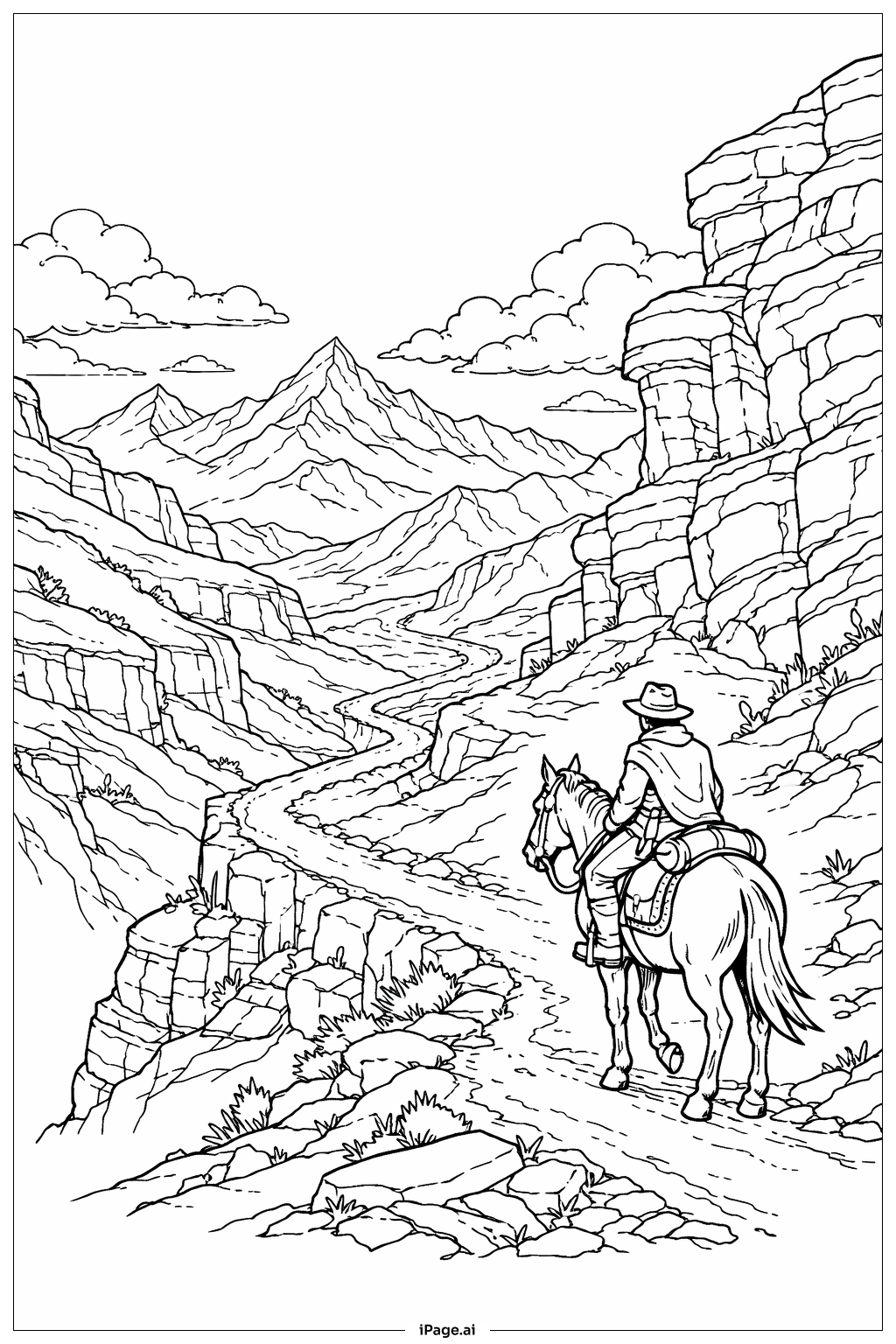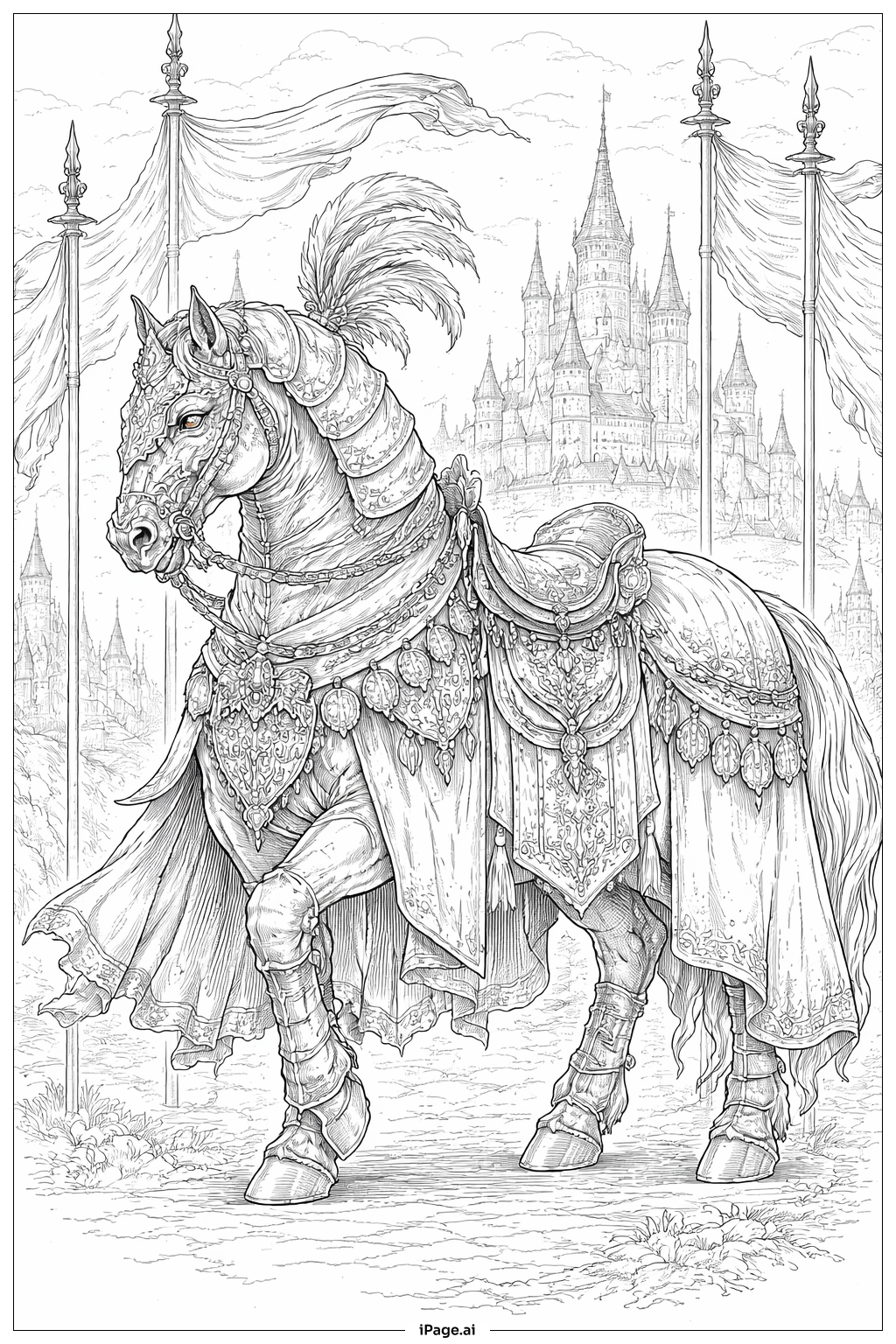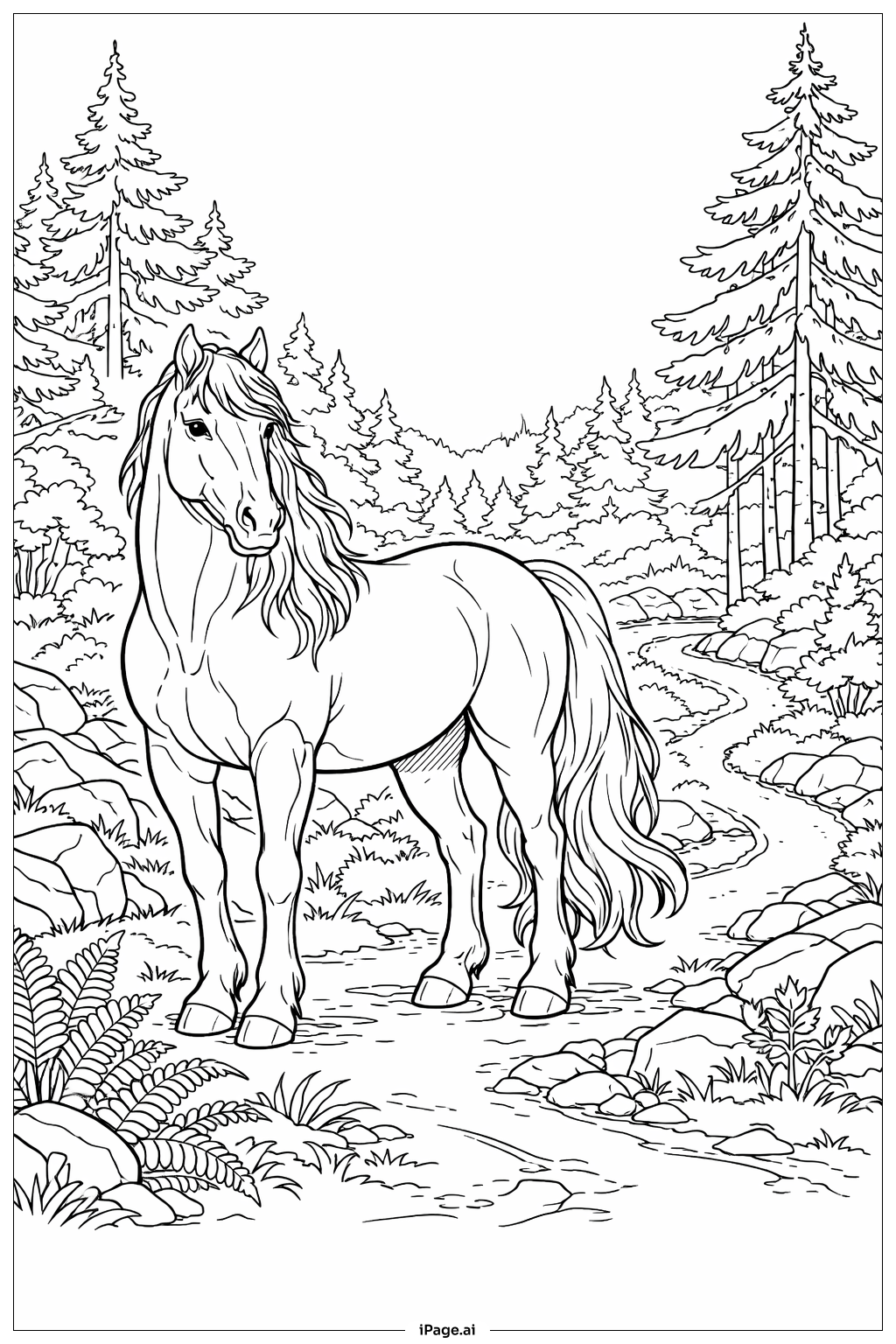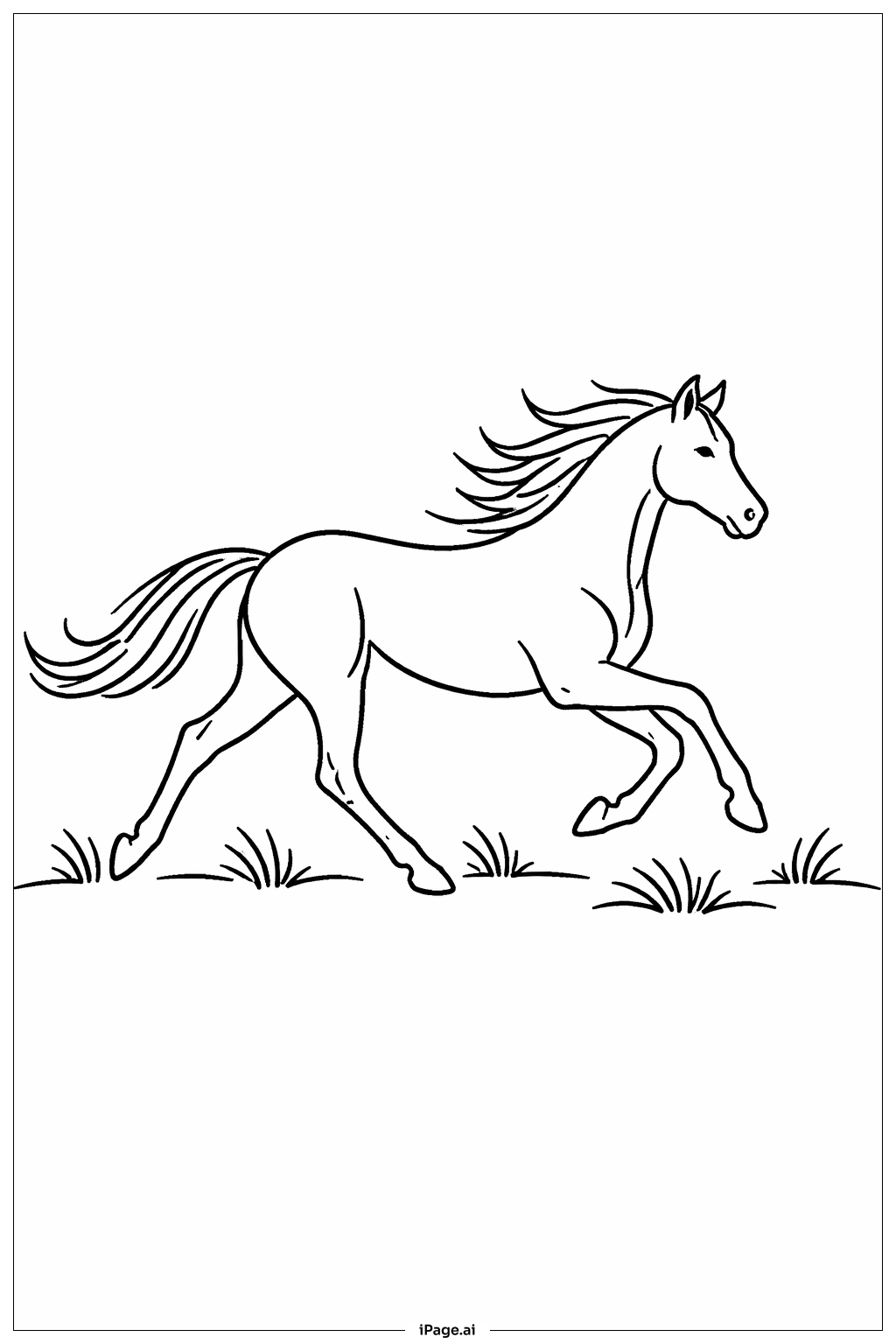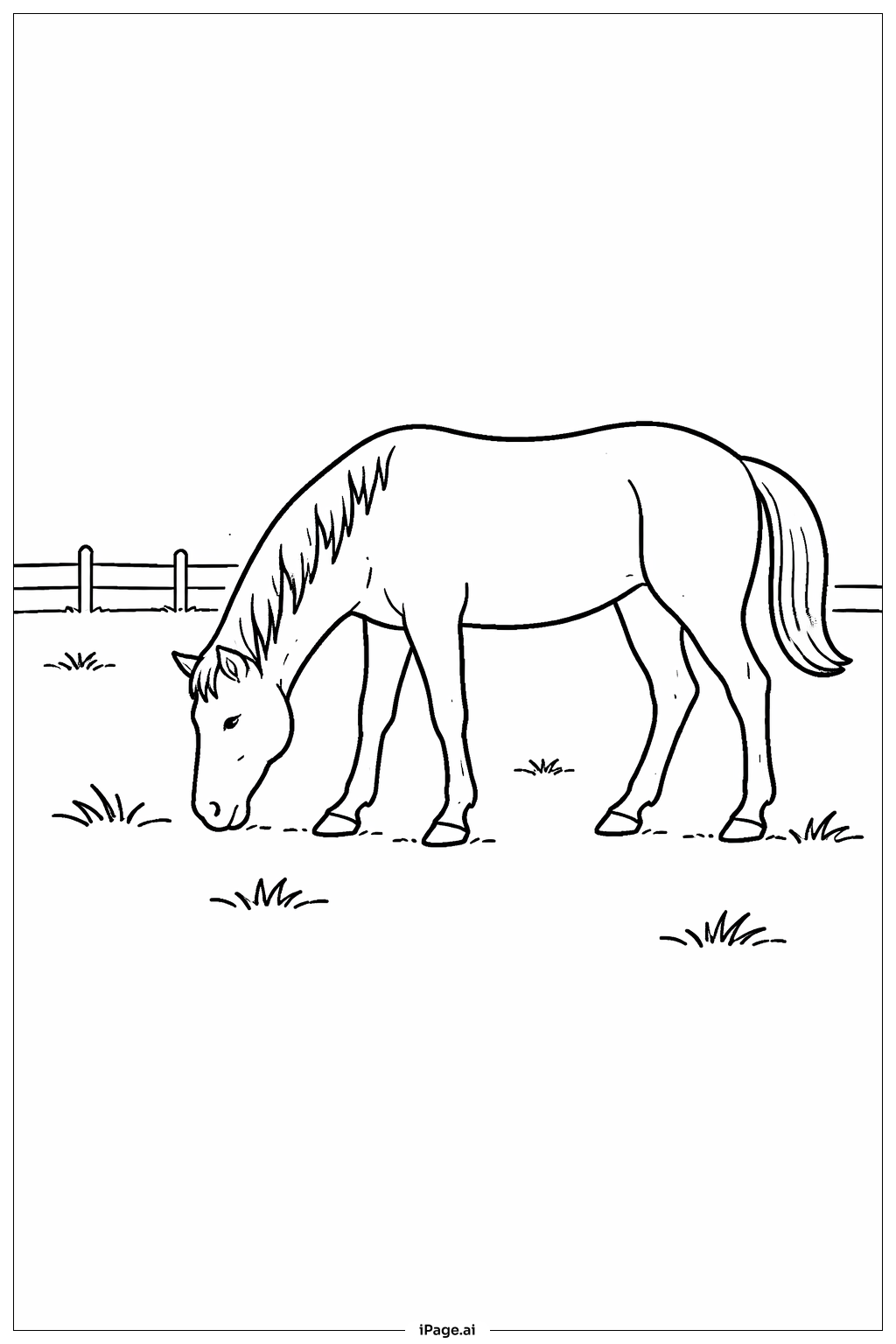
Coloring tips: How to color Horse Grazing Field coloring page well?
Use light and natural colors for the horse, such as shades of brown, black, white, or gray to bring it to life. Color the mane and tail with slightly darker or lighter shades than the body for contrast. For the grass, use different greens to add variety and make the field look lively. The wooden fence can be shaded with brown colors, and you can add a blue or light color for the sky in the background to complete the outdoor scene. Try blending colors gently for a smooth look.
Coloring challenges: Which parts are difficult to color and need attention for Horse Grazing Field coloring page?
1. Coloring the horse evenly can be a challenge, especially the large body areas where shading is needed to show its shape. 2. The mane and tail have fine lines, which require careful coloring to stay within the small spaces. 3. Adding depth to the grass patches means using different green tones without mixing too much. 4. The fence lines are thin and straight, so precision is important to avoid coloring outside the lines. 5. Balancing light and shadow on the horse’s body may need extra attention to make it look natural and three-dimensional.
Benefits of coloring books: Advantages of drawing Horse Grazing Field coloring page
Coloring this picture helps children improve their fine motor skills by practicing careful and controlled coloring. It also encourages creativity in choosing colors for the horse and the natural field. Kids can learn about animals and nature while having fun. Coloring the detailed parts like the mane and tail teaches patience and focus. Overall, this activity supports artistic development and relaxation.