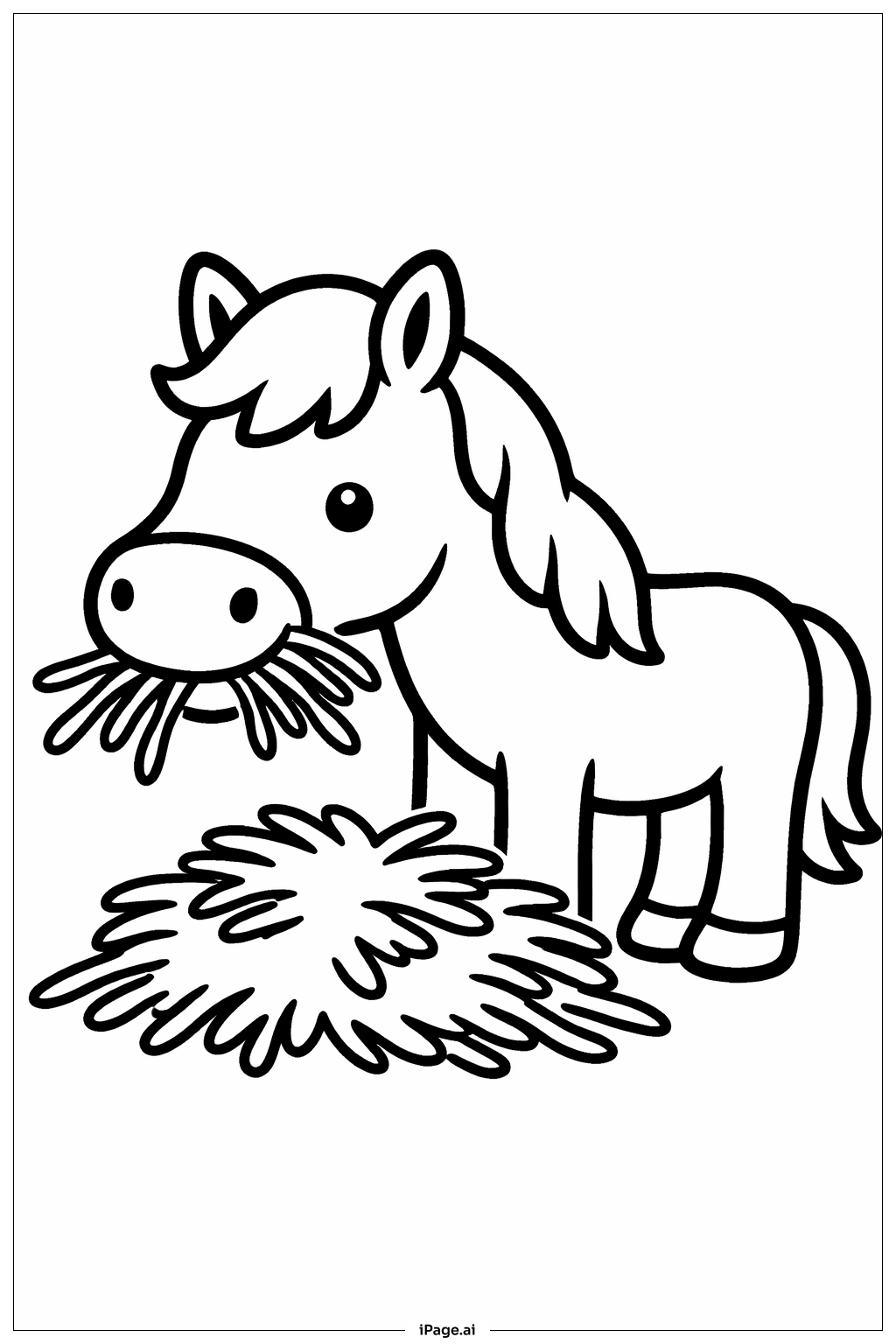
Coloring tips: How to color Horse Eating Hay coloring page well?
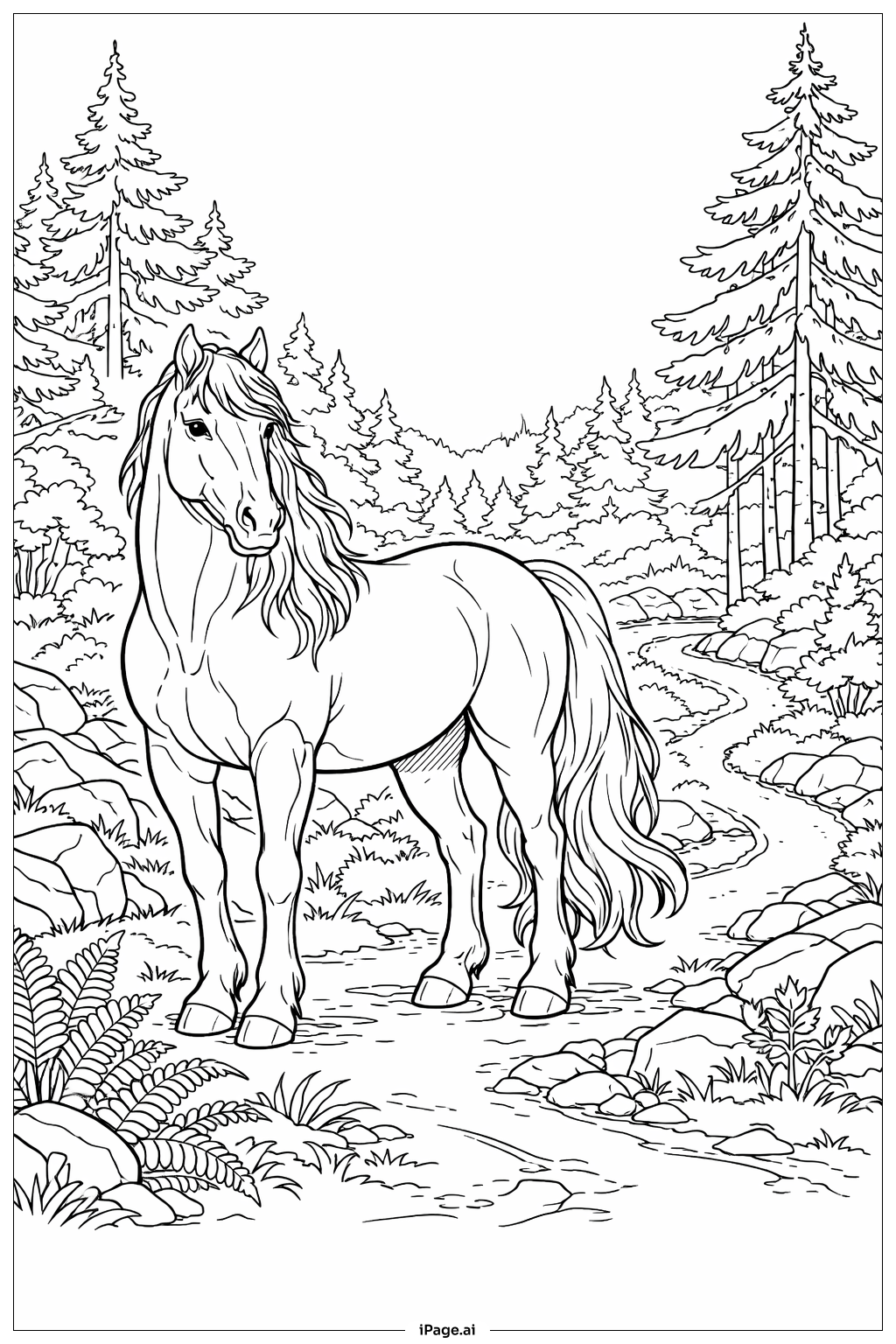
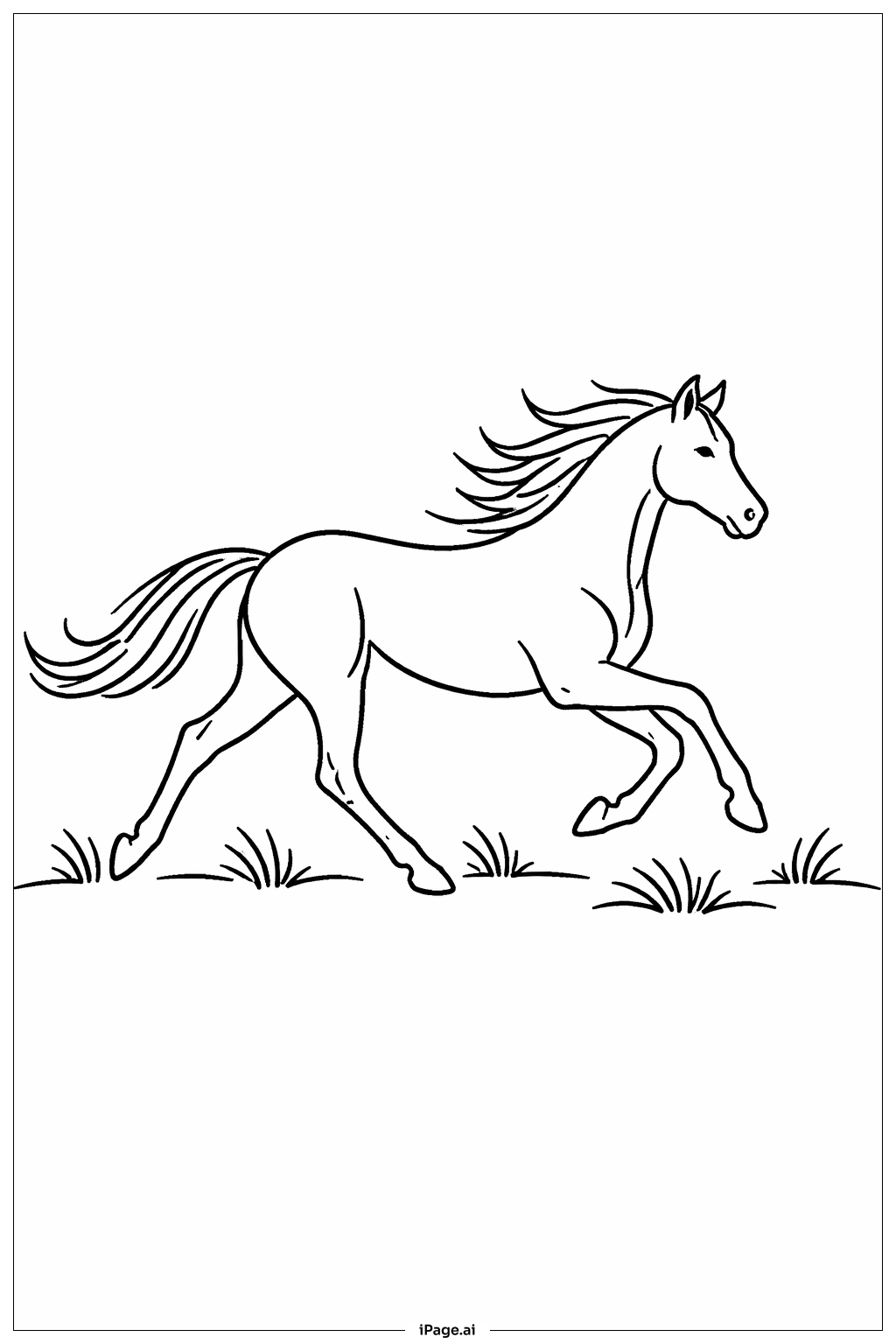
Use brown tones for the horse's body, like light browns and darker shades for depth. The mane and tail can be colored a bit darker or even black for contrast. For the hay, use bright yellows and light greens to make it look fresh and tasty. You can add some shadow with darker yellow or brown under the hay pile and near the horse’s legs to create depth. Bright colors will help bring the horse and hay to life in a fun way.
Coloring challenges: Which parts are difficult to color and need attention for Horse Eating Hay coloring page?
1. Adding depth: Coloring the horse's body evenly can be easy, but adding shadows and highlights to make it look three-dimensional might be tricky. Use darker shades under the belly and legs.
2. Mane and tail: Coloring the mane with curves and small spaces needs attention to avoid going outside the lines.
3. Hay details: The many strands of hay require careful coloring to keep the shapes clear and not mess up with overlapping lines.
4. Small spaces: The areas around the horse’s eyes, ears, and nose need careful coloring to avoid mistakes.
5. Consistency: Keeping the colors consistent throughout the horse’s body while showing natural shade changes can be a challenge.
Benefits of coloring books: Advantages of drawing Horse Eating Hay coloring page
Coloring this horse eating hay helps kids improve hand-eye coordination and fine motor skills. It also teaches them about animals and farm life in a fun way. The different shapes and lines encourage attention to detail and patience. Kids can practice choosing colors and blending shades, which sparks creativity. This picture is simple enough for beginners but offers enough challenge to keep older children engaged.