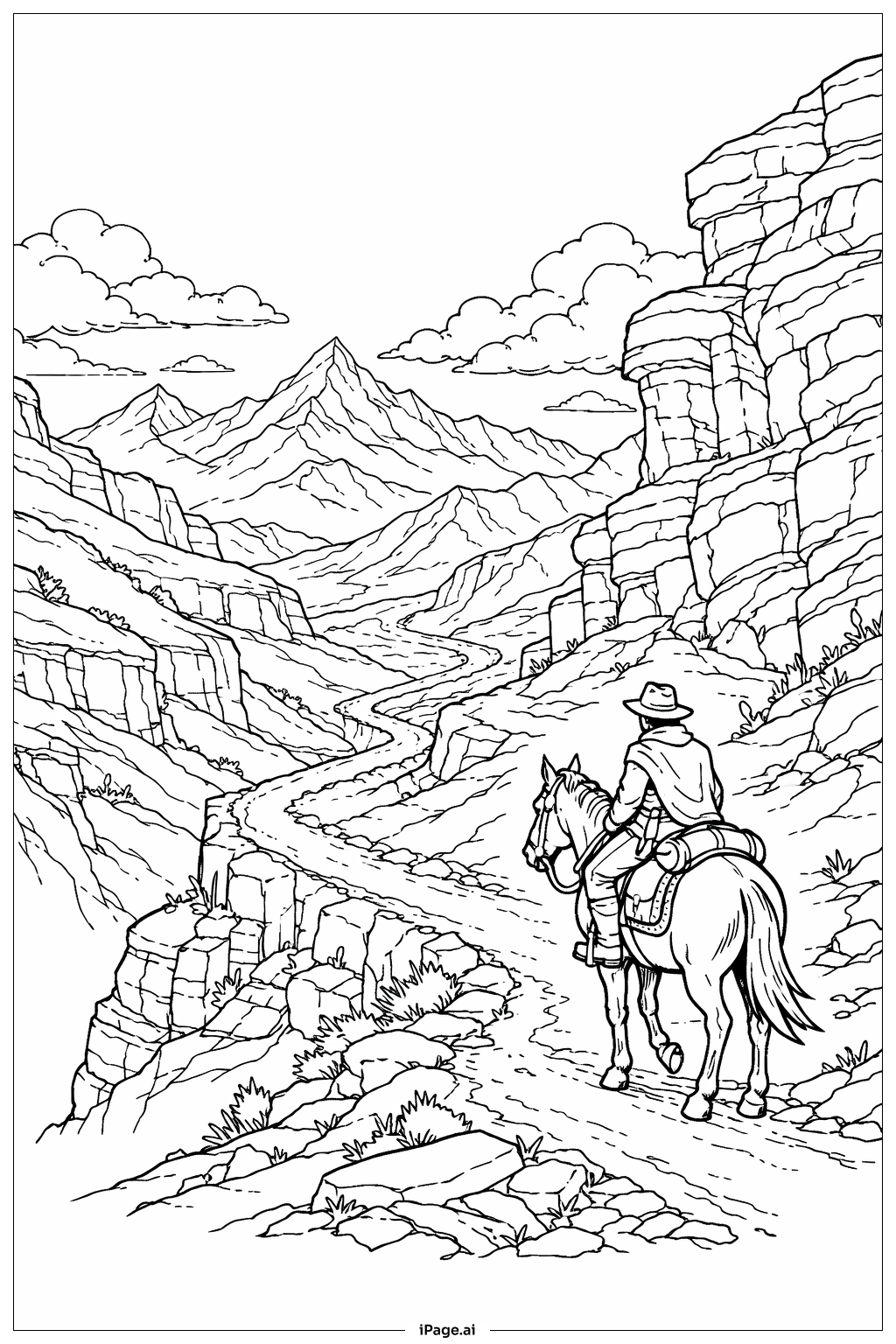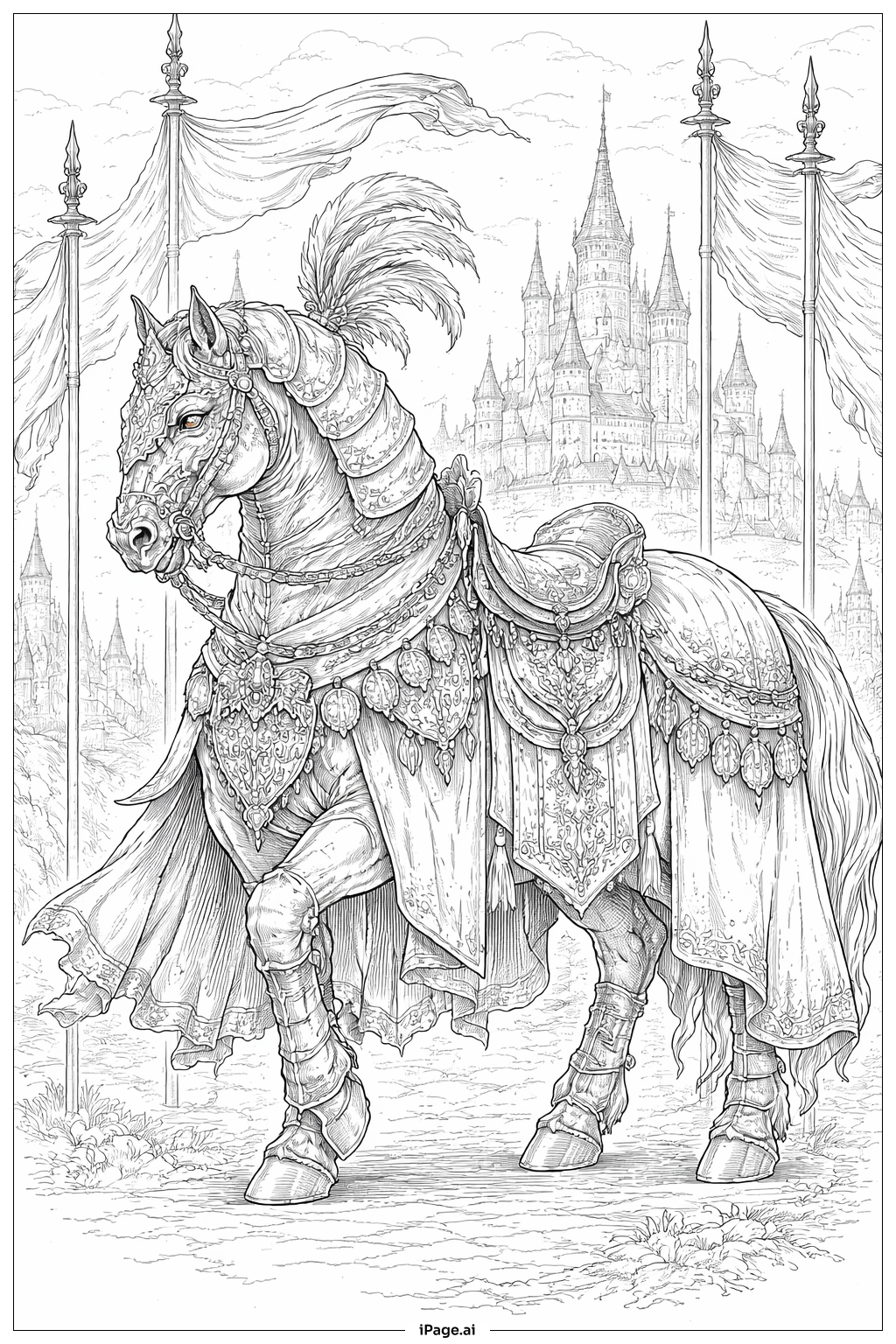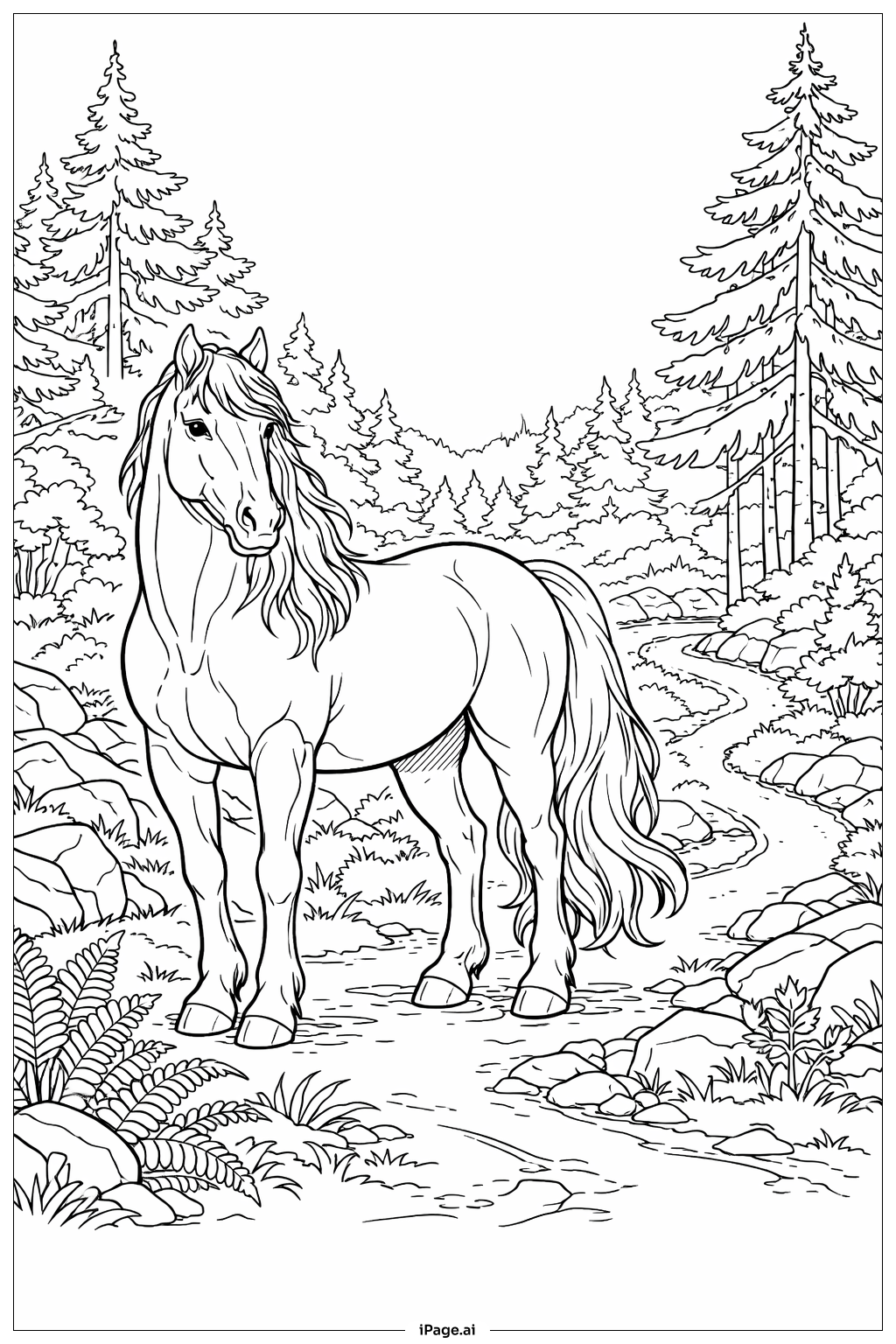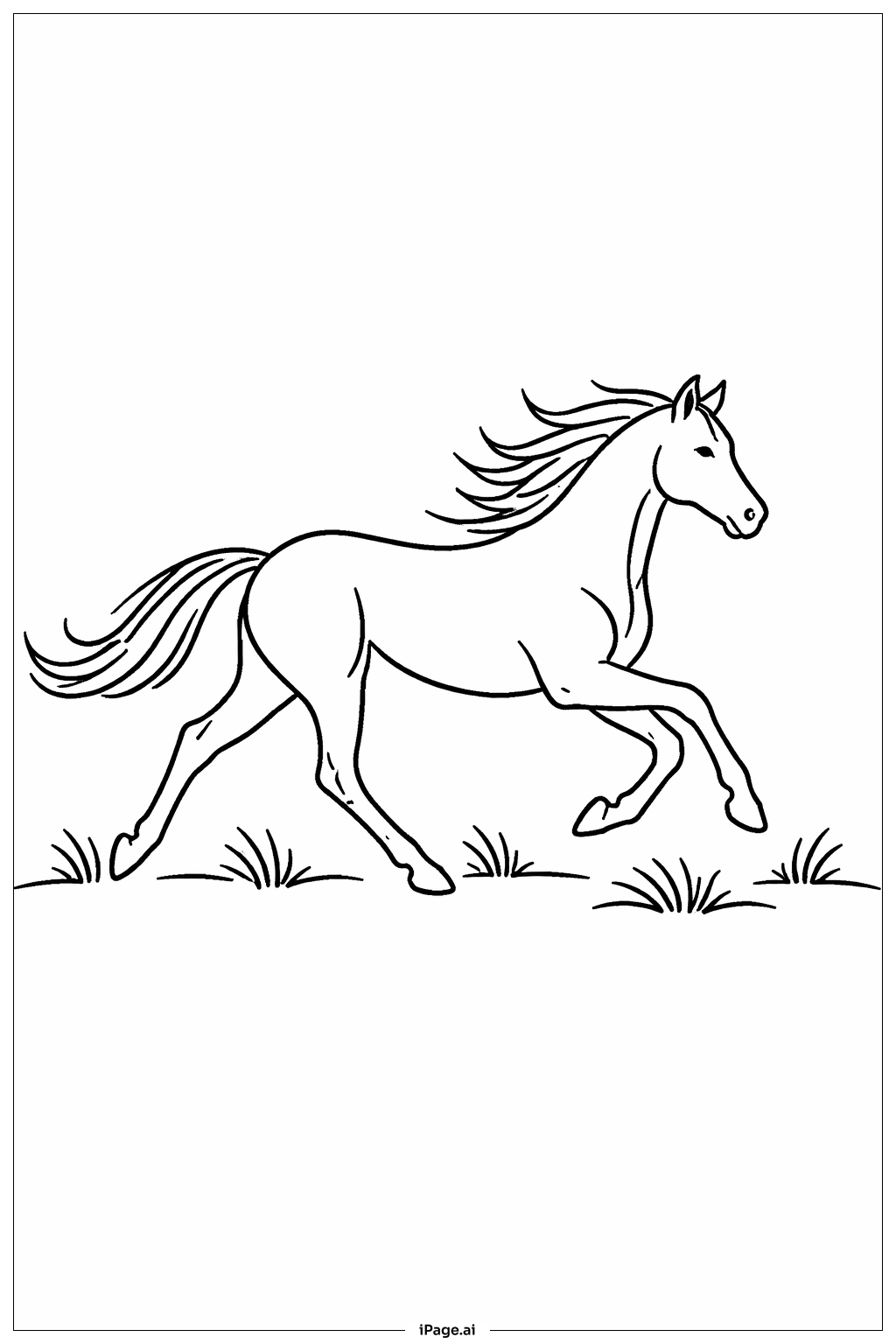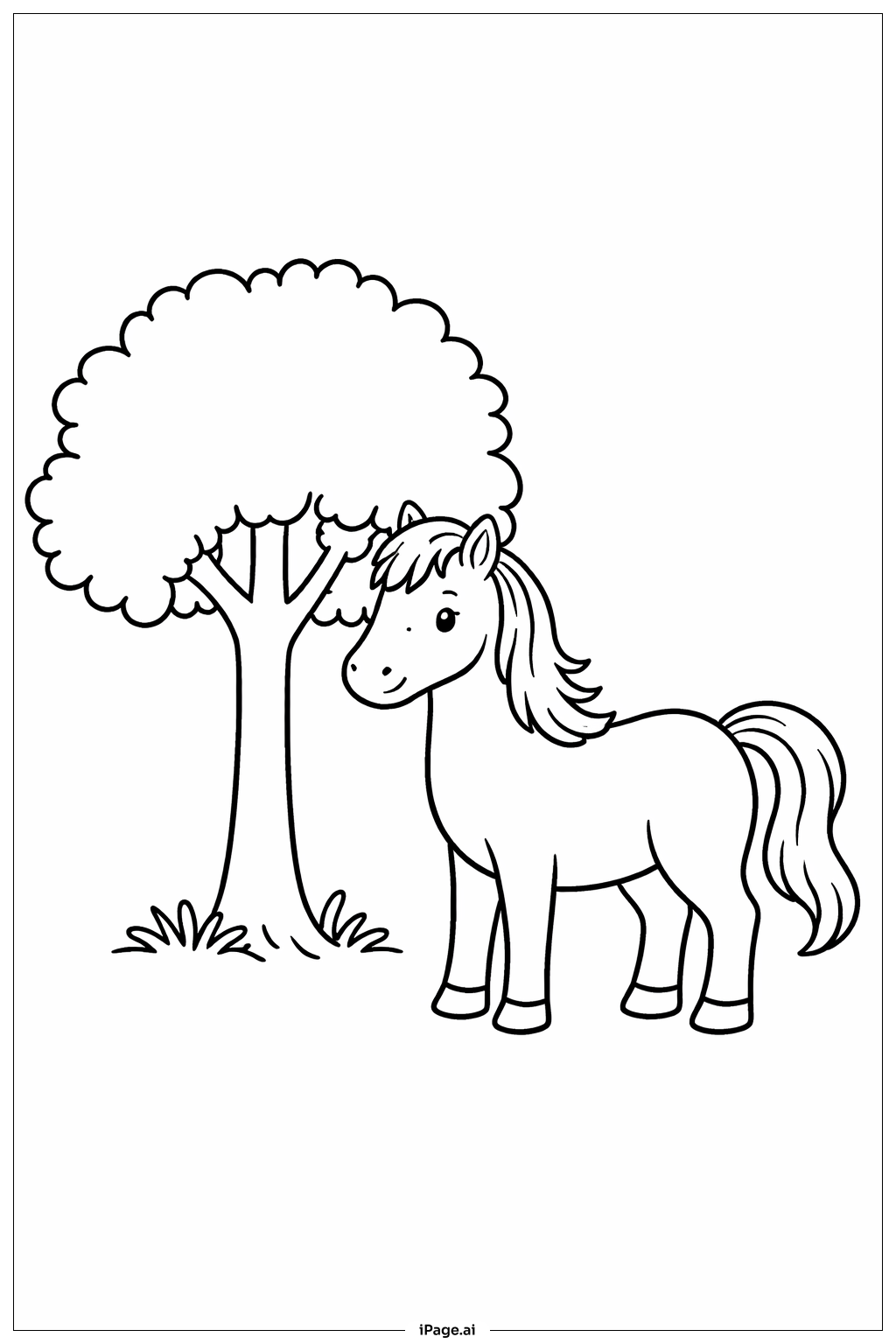
Coloring tips: How to color Horse And Tree coloring page well?
For the horse, consider using natural shades like chestnut brown, black, white, or dapple gray. The mane and tail can match the body or contrast beautifully with lighter or darker tones. Try blending colors to create realistic shading along the horse's muscles and neck. For the tree trunk, use various browns from light tan to dark chocolate, adding texture with different pressure levels. The leafy canopy offers wonderful opportunities for greens ranging from lime to forest green, or try seasonal colors like golden yellows and burnt oranges for autumn, or soft pinks for spring blossoms. The grass can be colored in multiple green shades to add depth. Don't forget to add a blue sky background or a warm sunset to complete this peaceful scene.
Coloring challenges: Which parts are difficult to color and need attention for Horse And Tree coloring page?
• Horse Anatomy and Proportions: The horse's body presents several challenging areas including the muscular legs, curved neck, and facial features. Coloring the horse realistically requires understanding light and shadow placement to show its three-dimensional form. The mane requires careful attention to create the illusion of flowing hair strands rather than a solid block of color.
• Tree Bark Texture: The tree trunk features intricate bark patterns with grooves, knots, and natural irregularities. Achieving a realistic woody texture requires layering multiple brown tones and using varied pressure or strokes to create depth. Young colorists may find it challenging to maintain consistent patterns while avoiding a flat appearance.
• Leaf Canopy Density: The tree's foliage contains numerous overlapping leaves creating areas of varying density. Distinguishing between foreground and background leaves while maintaining visual interest requires careful color selection and shading techniques. Creating natural-looking shadows within the canopy adds complexity.
• Blending and Shading: To bring this scene to life, smooth color transitions are essential, especially on the horse's rounded body and the tree's curved surfaces. Mastering gradient techniques and knowing where to place highlights and shadows can be difficult for beginners but rewarding for those willing to practice.
Benefits of coloring books: Advantages of drawing Horse And Tree coloring page
Coloring this horse and tree scene offers wonderful developmental benefits for children and relaxation for all ages. It enhances fine motor skills as young artists carefully stay within the lines of the horse's detailed features and the tree's intricate branches. The variety of textures, from smooth horse coat to rough bark and delicate leaves, encourages experimentation with different coloring techniques and tools. This image promotes an appreciation for nature and animals, fostering empathy and environmental awareness. The peaceful composition provides a calming activity that reduces stress and anxiety while improving focus and concentration. Children learn about color theory by selecting harmonious palettes for the natural elements. Completing this detailed scene builds patience, confidence, and a sense of accomplishment, especially when tackling the more challenging shading areas.