Coloring tips: How to color Horse And Foal coloring page well?
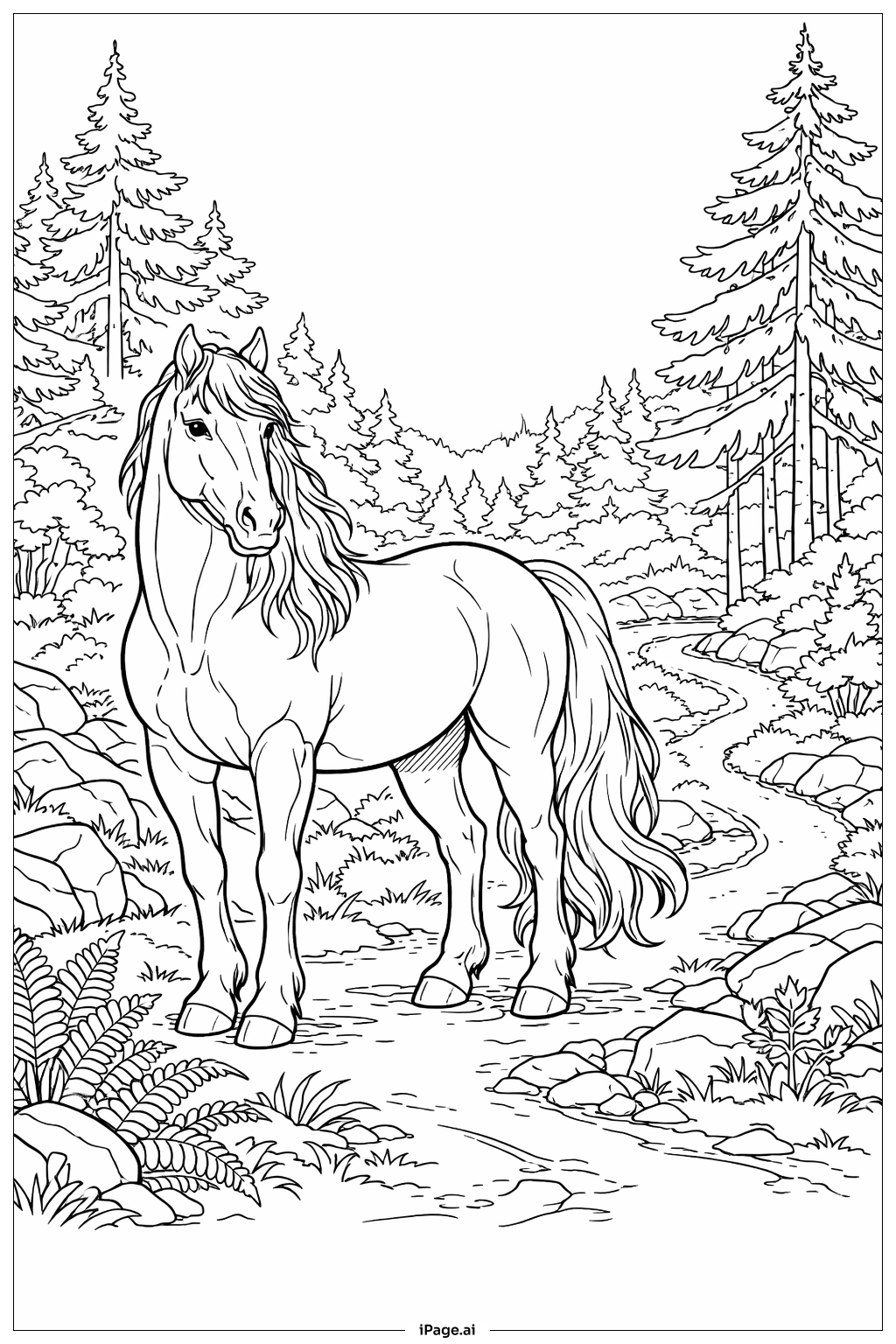
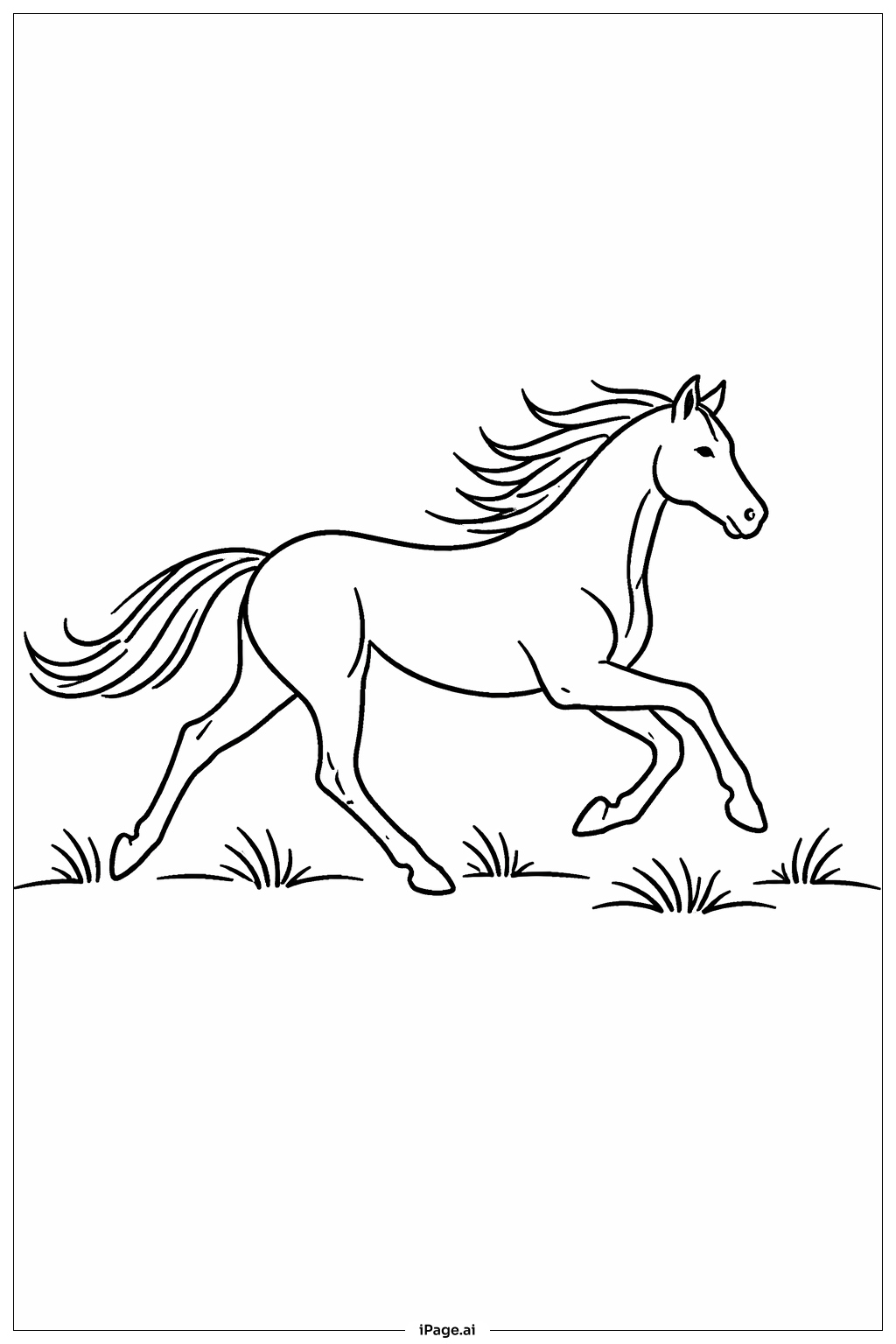
For the adult horse, consider rich browns, chestnuts, or blacks for the body, with a lighter shade for the muzzle area. The mane and tail can match the body color or be slightly darker for contrast. The foal could be colored in a lighter shade than its mother, such as tan, golden, or pale brown, which reflects how young horses often have lighter coats. Add white markings on the legs or face for variety. Use soft grays or whites for any facial blazes. Color the grass in various shades of green, from light spring green to deeper forest tones. The sky can be colored in gentle blues with hints of pink or yellow for a sunrise or sunset effect, creating a peaceful atmosphere for this touching family moment.
Coloring challenges: Which parts are difficult to color and need attention for Horse And Foal coloring page?
• Body Proportions and Shading: The contrasting sizes between the adult horse and foal require careful color choices to emphasize the difference in scale and age. Creating realistic shading on the horses' rounded bodies, muscular legs, and curved necks demands smooth color blending and understanding of light direction. The foal's smaller, more delicate features need lighter pressure and softer tones to convey its youth and gentleness.
• Mane and Tail Texture: Both horses have flowing manes and tails that require special attention to create a sense of movement and individual hair strands. Coloring these areas with directional strokes that follow the natural flow of hair can be challenging, especially when trying to show depth and volume. Layering different shades to create highlights and shadows within the mane adds complexity.
• Fine Details and Features: The horses' faces contain small but important details like eyes, nostrils, and ears that need precision coloring. The hooves require careful attention to show their solid, darker appearance. Distinguishing between the foreground and background elements, such as keeping the grass and sky separate from the horses, requires steady hand control and color planning to prevent bleeding between sections.
Benefits of coloring books: Advantages of drawing Horse And Foal coloring page
Coloring this horse and foal scene offers wonderful developmental benefits for children. It enhances fine motor skills and hand-eye coordination as they carefully color within the lines of different-sized animals. The image teaches about animal families and the caring relationship between parent and offspring, fostering emotional understanding and empathy. Children learn about color selection and matching, discovering how to make the foal look younger through lighter tones. The varying complexity levels, from the simple grass to the detailed manes, accommodate different skill levels and build confidence. This peaceful scene also promotes relaxation and patience, making it a calming activity that helps children focus while expressing their creativity through their unique color choices.