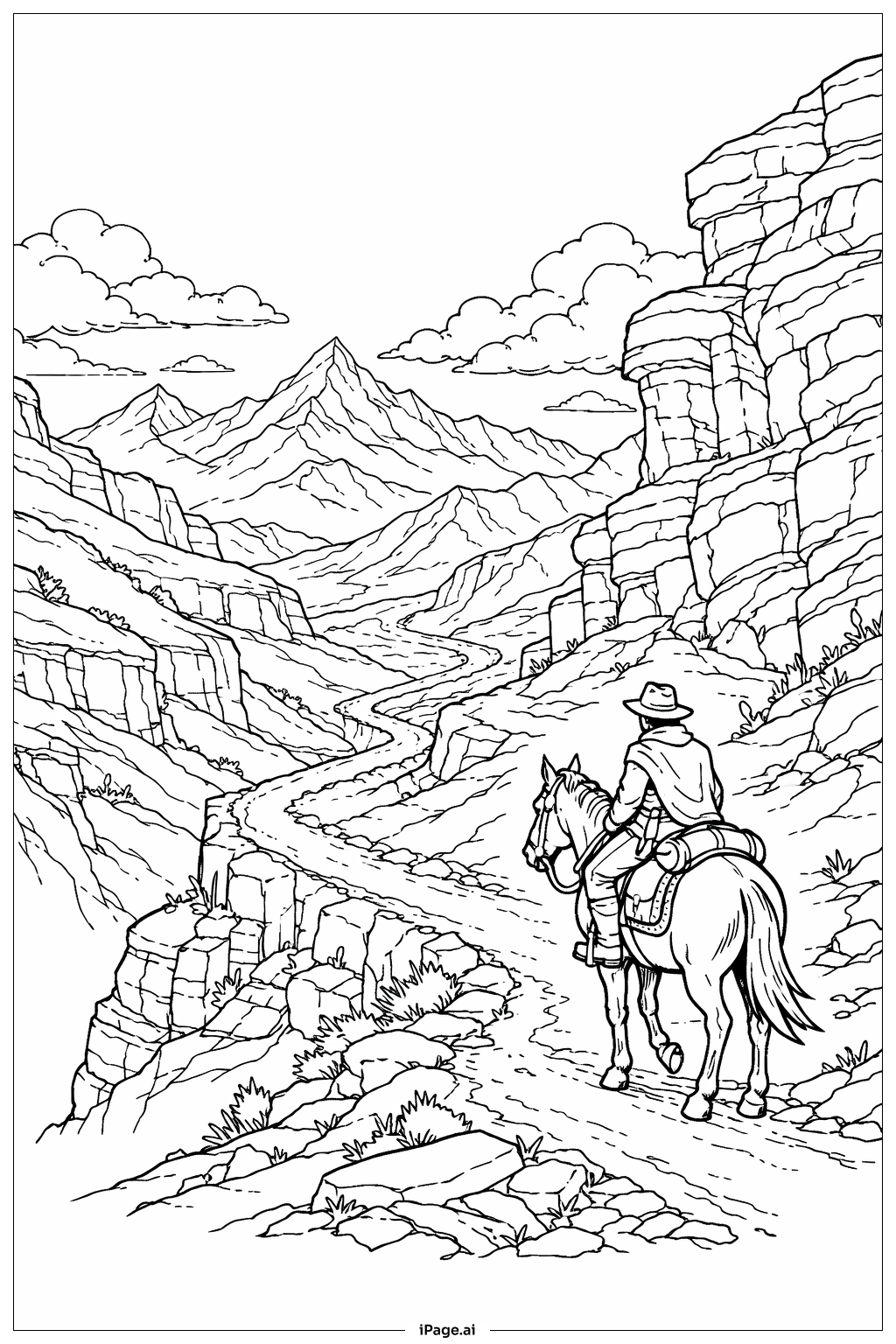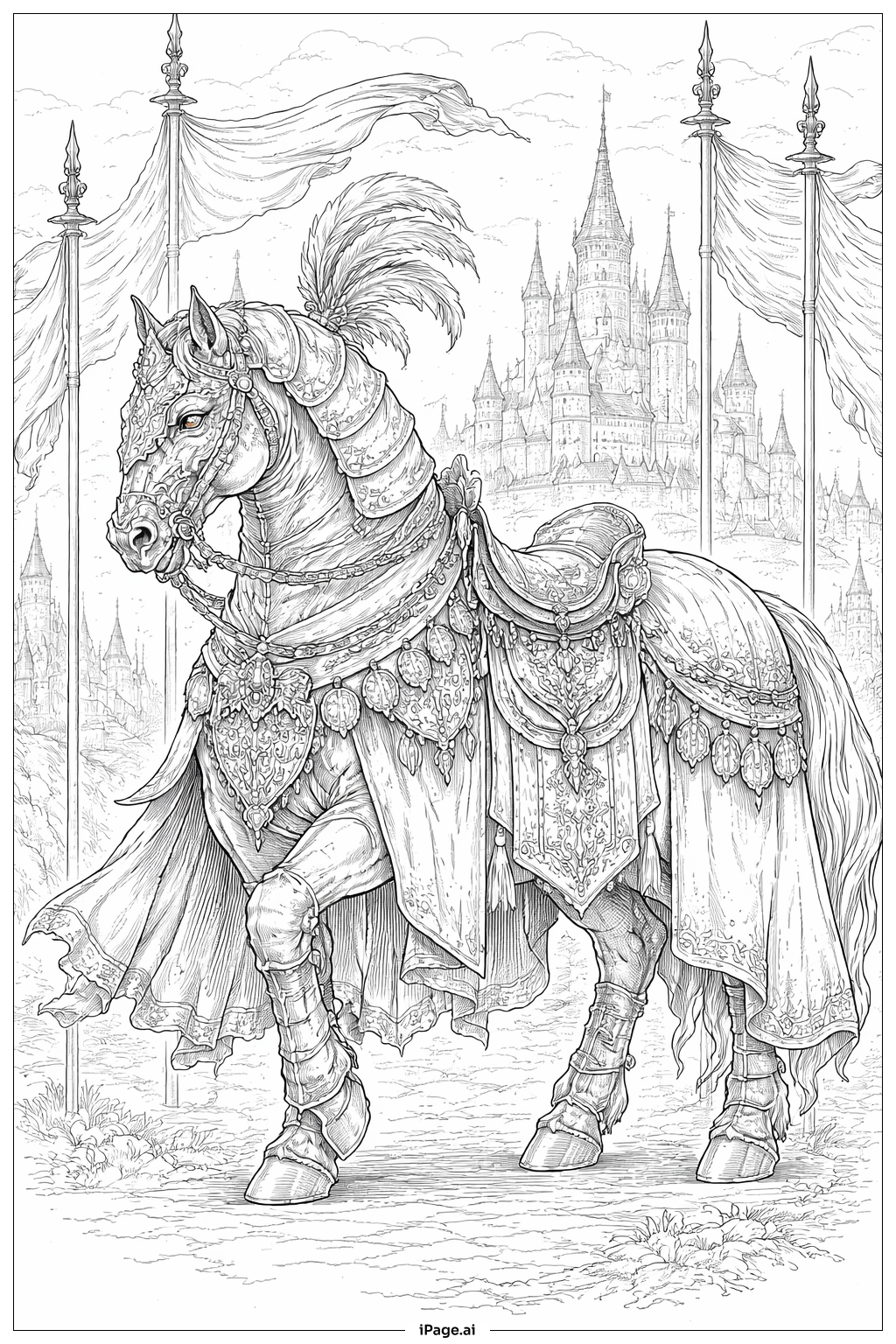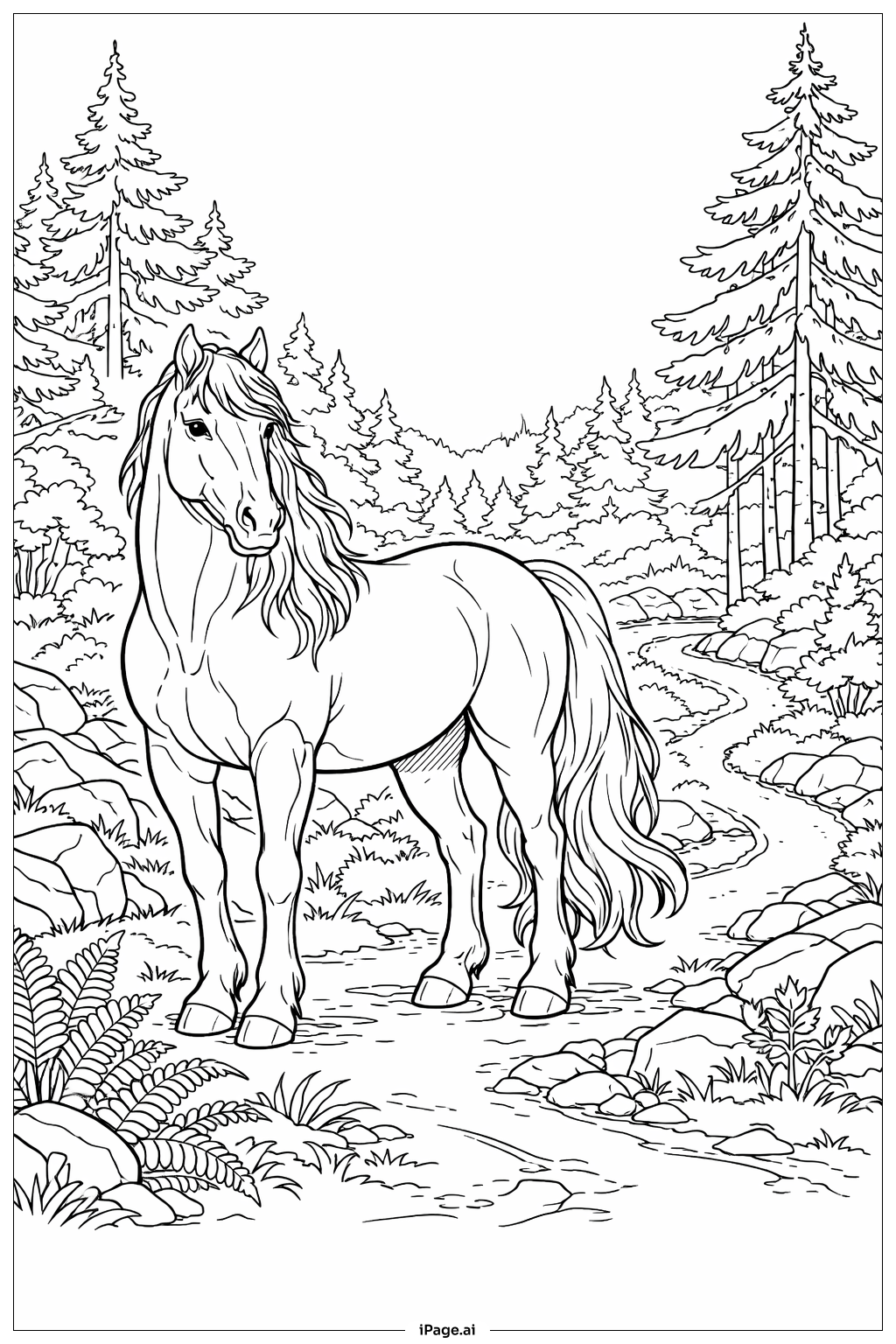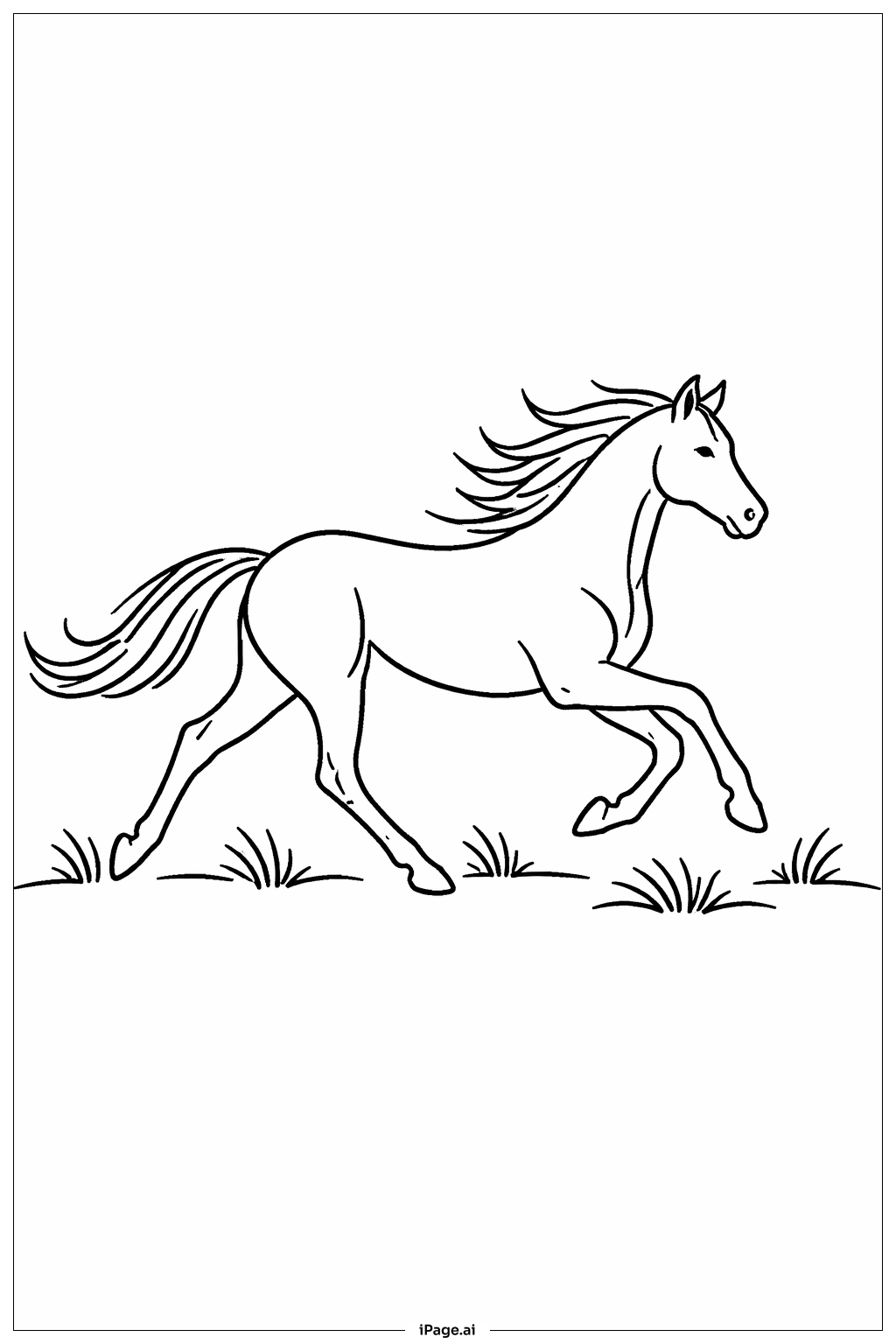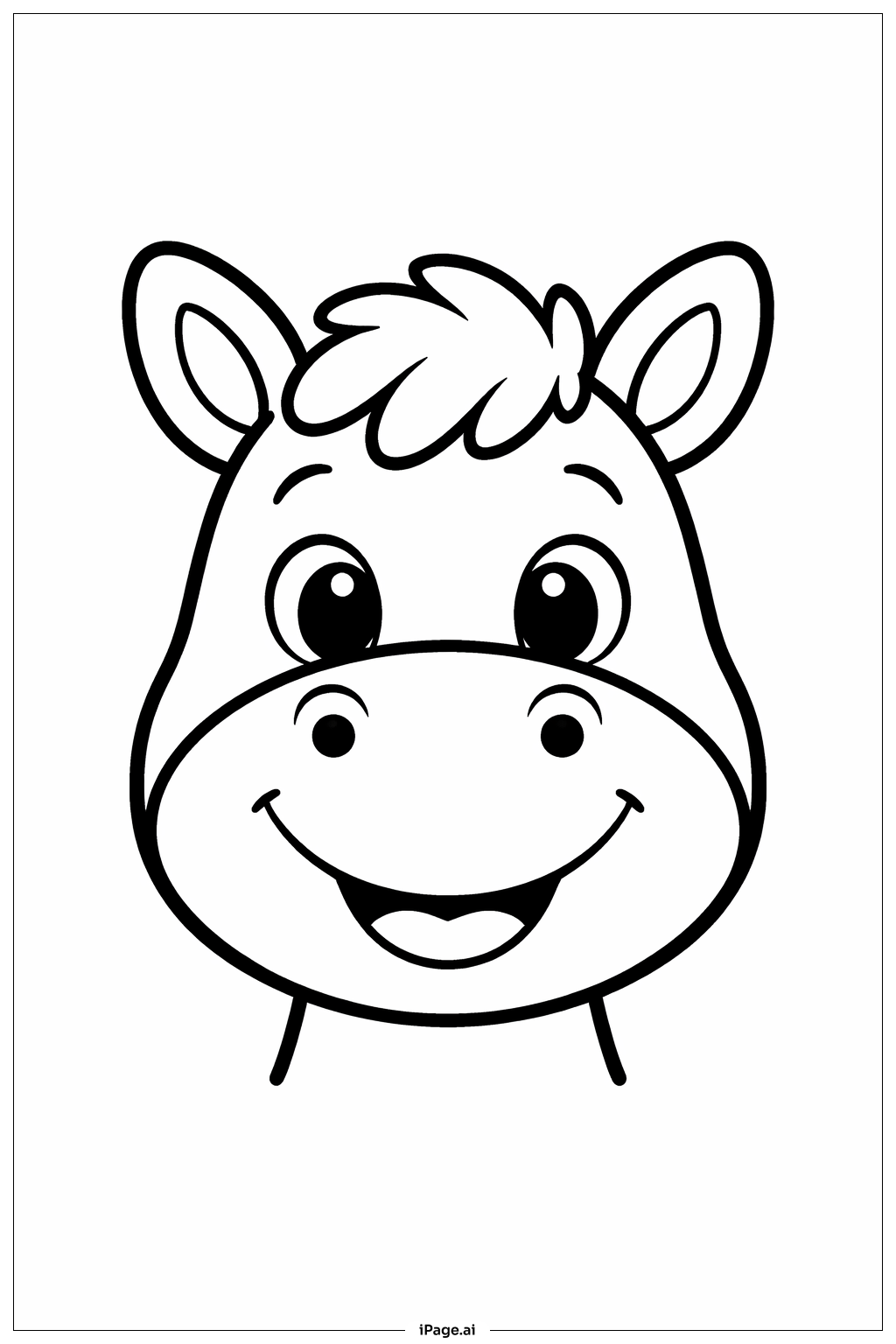
Coloring tips: How to color Happy Horse Face coloring page well?
Use warm and natural colors like brown, beige, or tan for the horse's face and ears. You can color the hair tuft a darker shade or even a fun color like orange or yellow to make it stand out. The eyes can be colored black or dark brown with small white highlights to keep them shiny. Don’t forget to add some pink or light red on the inside of the ears and the tongue for a lively look. Background colors could be soft blues or greens to create a calm, happy setting. Feel free to use crayons, markers, or colored pencils for a variety of textures.
Coloring challenges: Which parts are difficult to color and need attention for Happy Horse Face coloring page?
1. Staying inside the lines: The horse's face has curved edges, so younger children might find it tricky to color neatly inside the lines.
2. Coloring small areas: The eyes, nostrils, and inside the ears are small and require careful coloring.
3. Shading the hair tuft: The tuft on the horse’s head has uneven shapes, so coloring it evenly may be challenging.
4. Choosing colors: Deciding which parts to color and what colors to use might be confusing for younger children.
5. Achieving consistent color: Keeping the same shade throughout the face can be difficult for some kids without overlapping or leaving white spaces.
Benefits of coloring books: Advantages of drawing Happy Horse Face coloring page
Coloring this happy horse face helps children improve their hand-eye coordination and fine motor skills by controlling pencils or crayons within the lines. It encourages creativity as kids choose colors and experiment with different shades. This activity also promotes focus and patience, as coloring small details requires attention. Moreover, the cheerful expression of the horse can boost mood and make the coloring process fun and enjoyable. Overall, it is a relaxing and educational activity suitable for children aged 4 to 16.