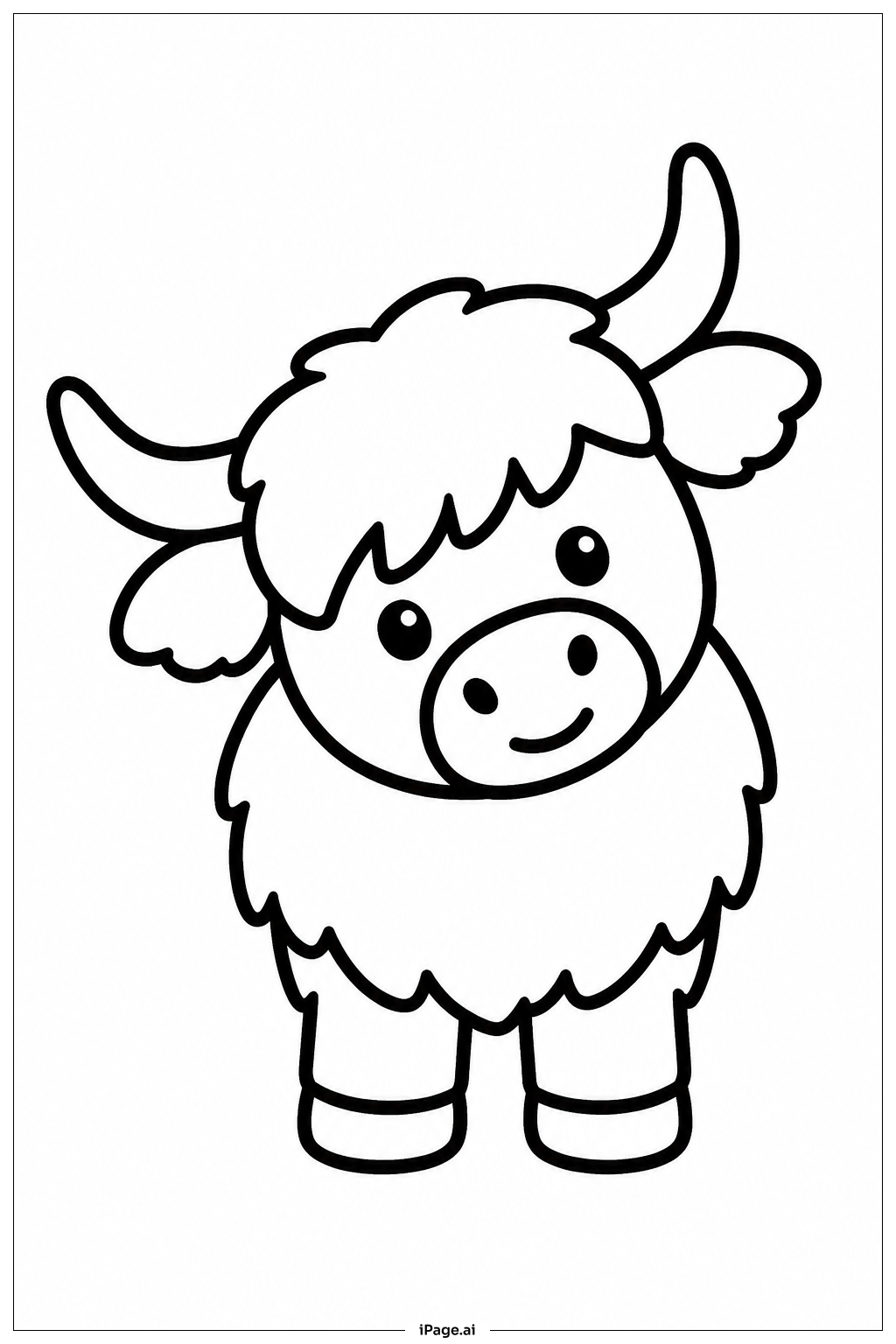
Coloring tips: How to color Highland Cow Head Tilt coloring page well?
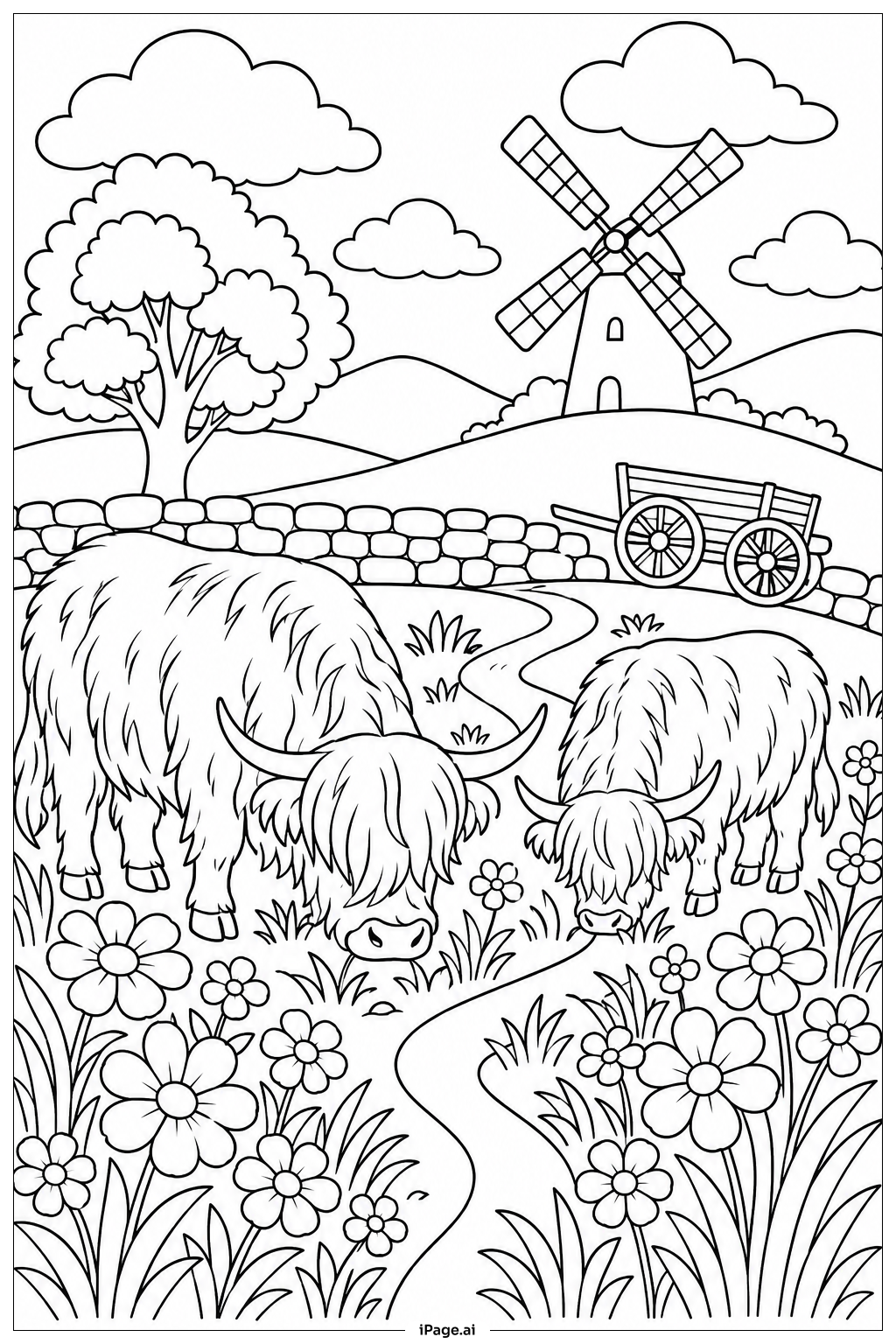
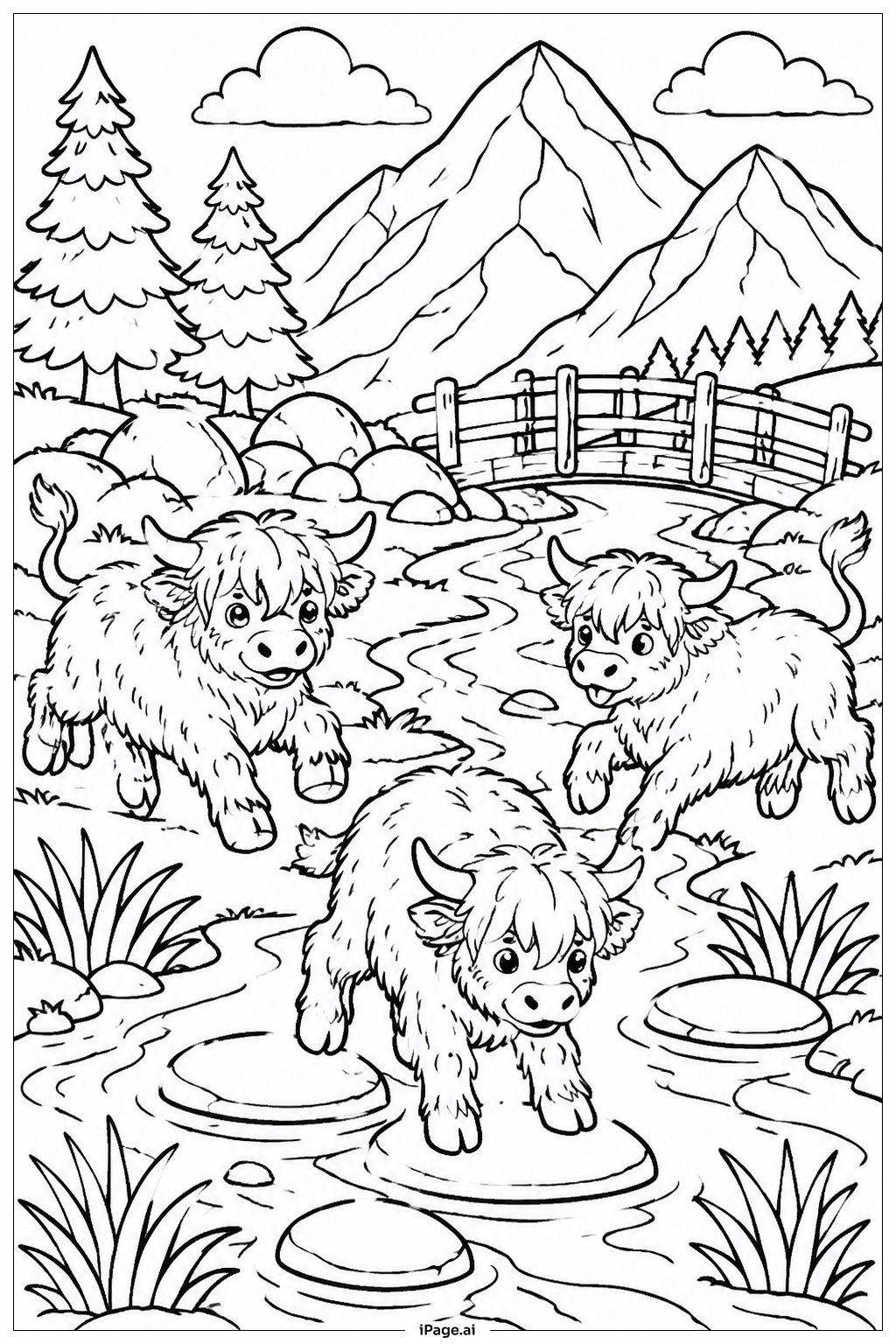
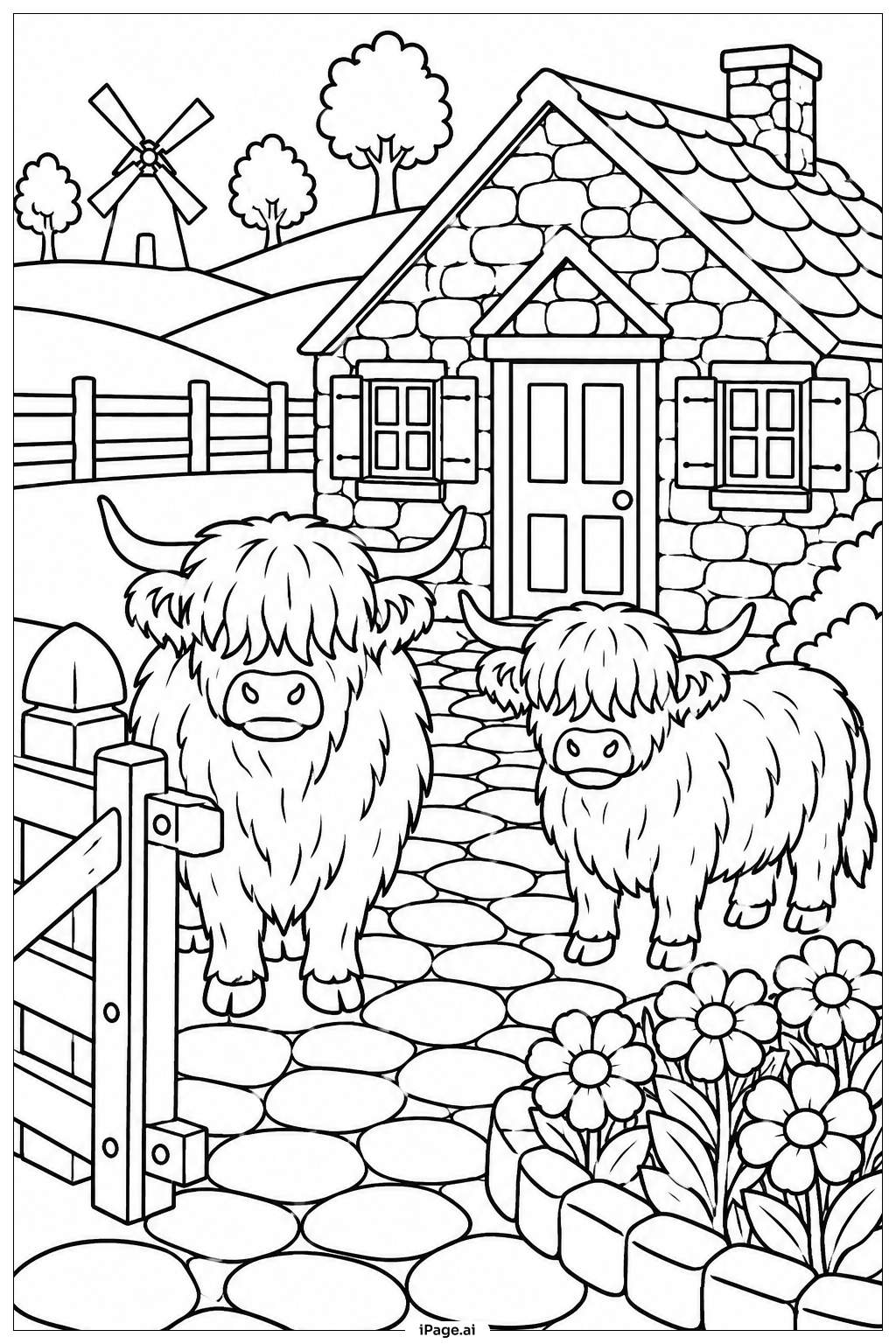
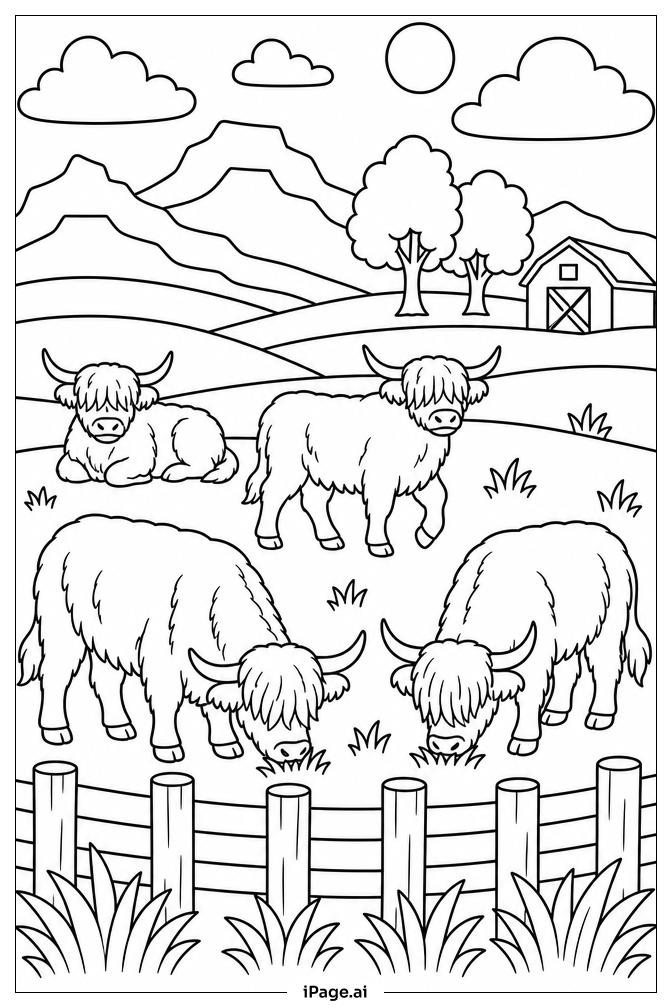
For this Highland Cow, traditional colors work beautifully. Try rich shades of reddish-brown, golden brown, or sandy beige for the main coat, as these are authentic Highland Cow colors. The horns can be colored in cream, ivory, or light tan with darker tips. Consider using multiple shades of the same color family to create depth in the shaggy fur—lighter tones on top layers and darker shades underneath. The eyes can be dark brown or black with a white highlight to make them sparkle. For the nose, use soft pink or light brown. You might add subtle orange or golden highlights throughout the fur to suggest sunlight catching the hair. If you want a more creative approach, Highland Cows can also be black, brindle, or even white, so feel free to experiment with different color palettes while maintaining the texture and depth that makes this breed so special.
Coloring challenges: Which parts are difficult to color and need attention for Highland Cow Head Tilt coloring page?
• Fur Texture Complexity: The Highland Cow's long, shaggy coat presents the biggest coloring challenge. The numerous flowing lines represent individual strands and layers of fur that overlap throughout the image. To create realistic texture, you'll need to use varying pressure and multiple shades of your chosen color. Consider coloring in the direction of fur growth, using lighter strokes for surface hair and darker tones in shadowed areas where fur layers overlap. This requires patience and attention to maintain consistent texture throughout.
• Layering and Depth: Creating three-dimensional depth in all that fluffy fur takes skill. The fringe covering the forehead, the fur around the face, and the body coat all exist at different depths. You'll need to identify which sections are in front and which are behind, then use color intensity accordingly. Darker values in recessed areas and lighter values on prominent sections will help achieve this effect. The tilted head position adds complexity as it creates unusual shadow angles.
• Detail Preservation in Dense Areas: The face area, where fur, eyes, nose, and horns all come together, contains many small details that can easily get lost. The eyes need careful coloring to maintain their gentle expression, while the small nose must stand out from the surrounding fur. The horns emerging from thick fringe require precise coloring to show where fur ends and horn begins. Taking time with these intricate sections will make your finished page truly special.
Benefits of coloring books: Advantages of drawing Highland Cow Head Tilt coloring page
Coloring this Highland Cow Head Tilt page offers wonderful benefits for young artists. The repetitive motion of coloring all that flowing fur provides excellent practice for fine motor control and hand-eye coordination. Children learn patience as they work through the many textured sections, understanding that detailed work takes time and produces beautiful results. The image encourages decision-making skills as colorists choose how to create depth and dimension through color choices. Working with the curved lines of the fur helps develop an understanding of how texture is represented in art. The friendly, tilted-head pose of the Highland Cow creates an emotional connection, teaching children about animal expressions and body language. This coloring page also introduces kids to a specific animal breed, potentially sparking interest in Scottish culture, farm animals, and animal care. The accomplishment of completing such a detailed image builds confidence and shows children that complex projects become manageable when approached one section at a time.