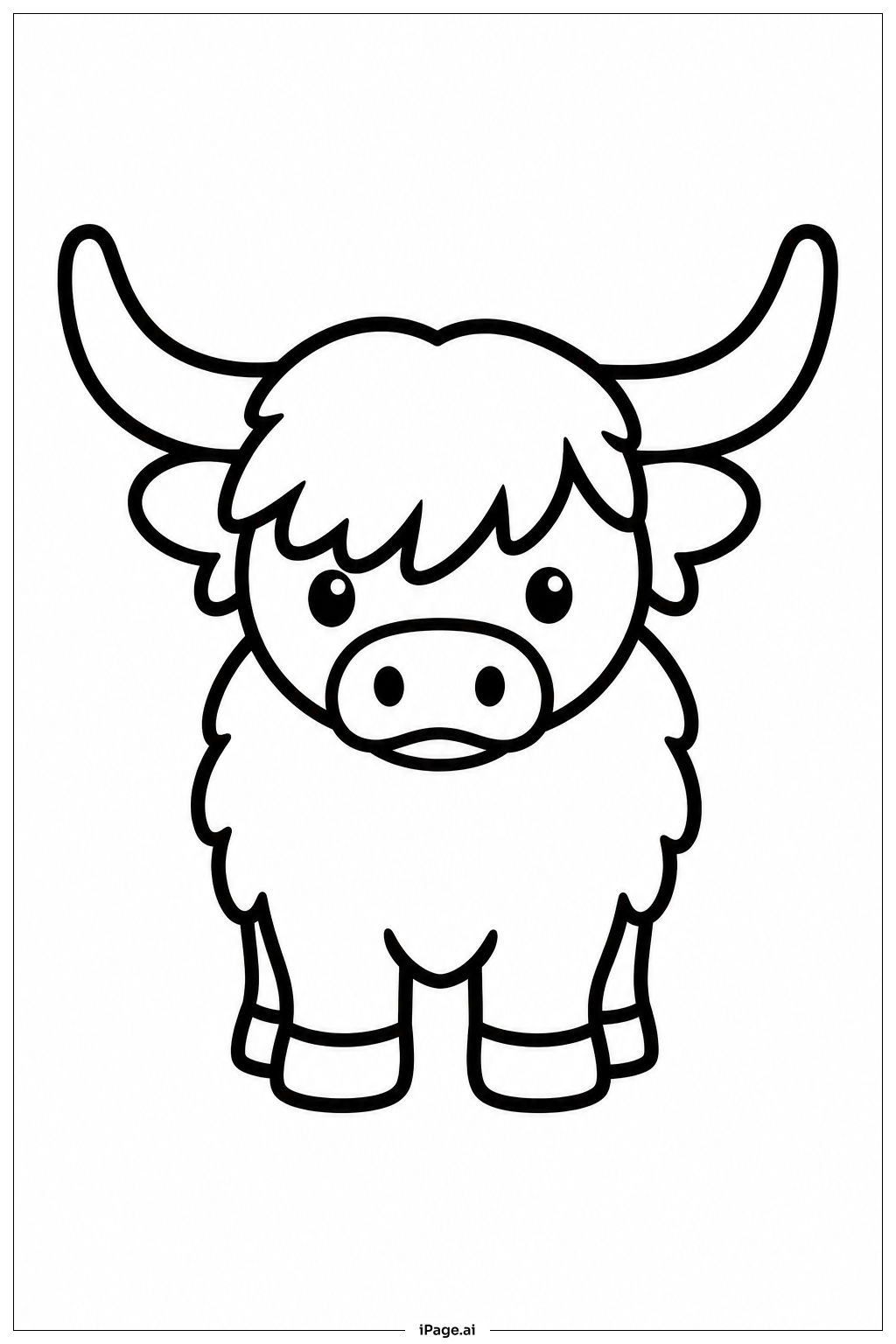
Coloring tips: How to color Highland Cow Big Horns coloring page well?
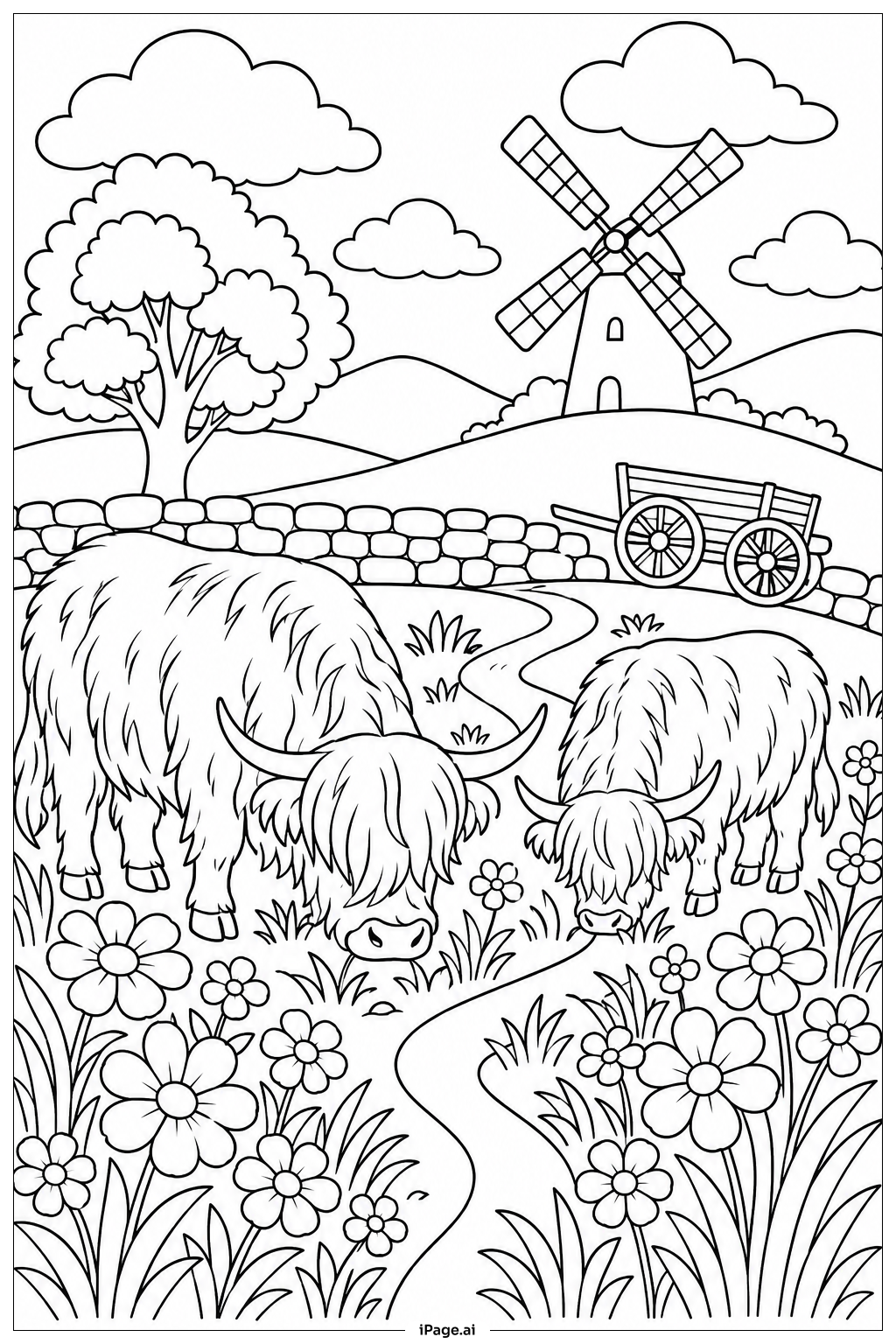
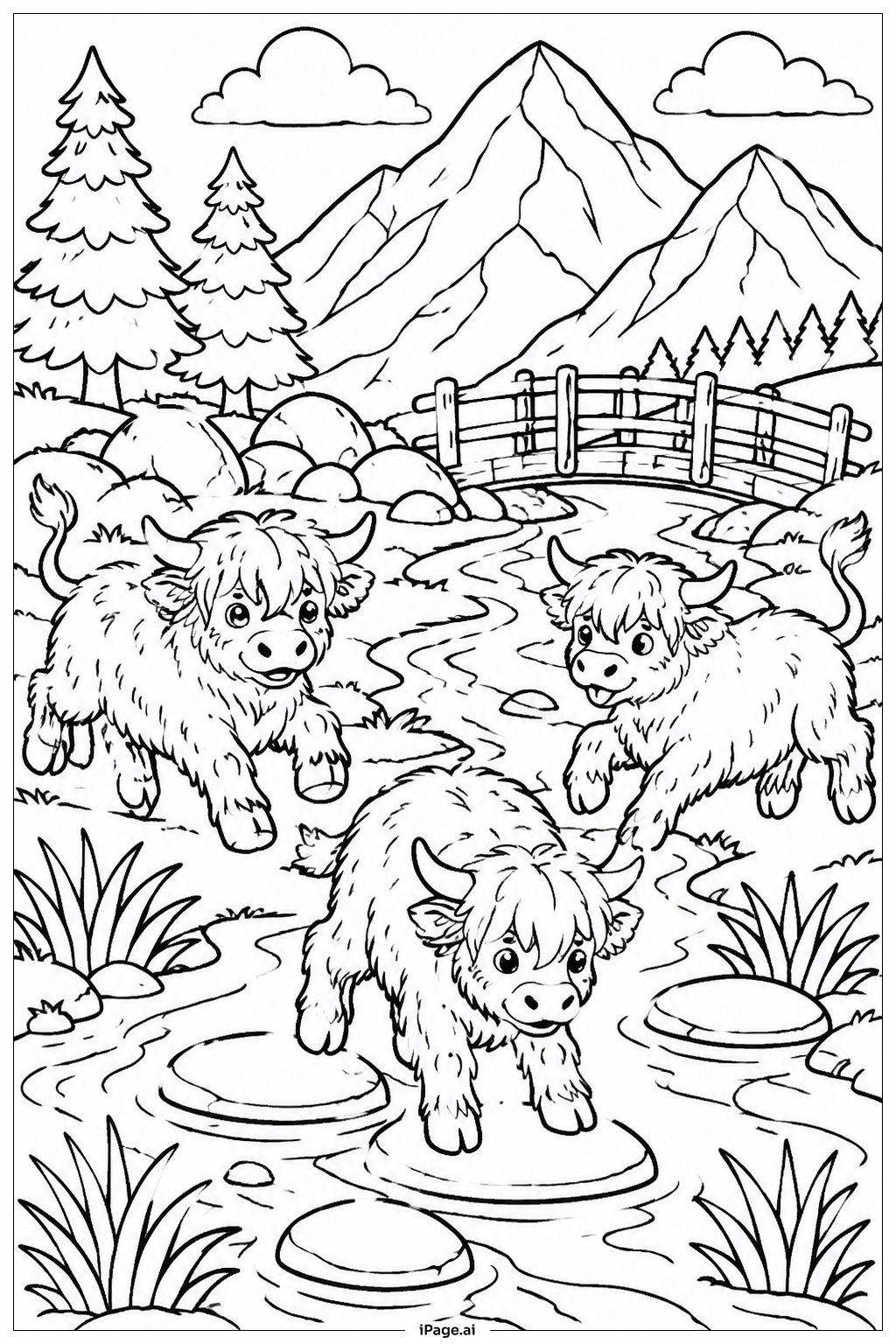
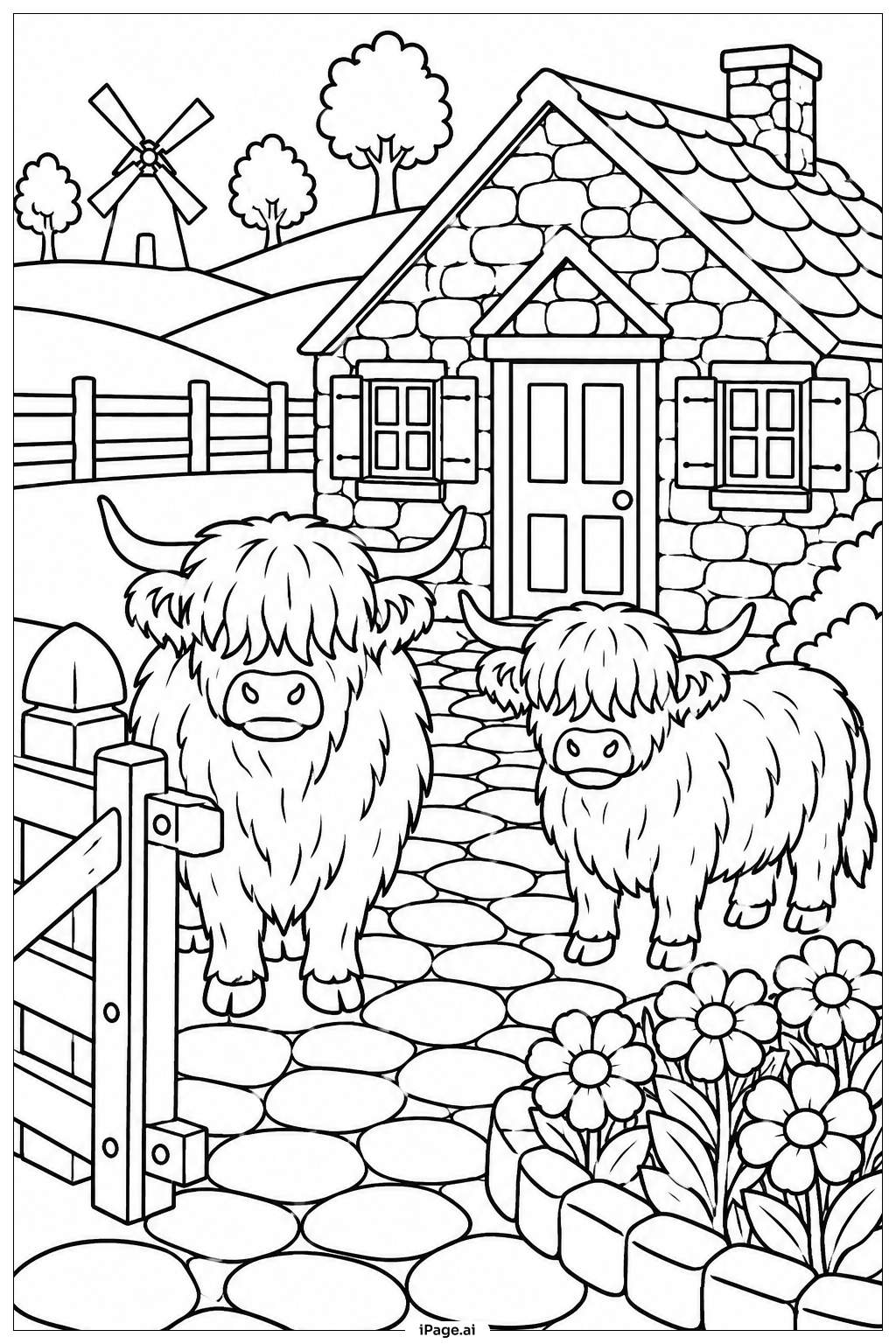
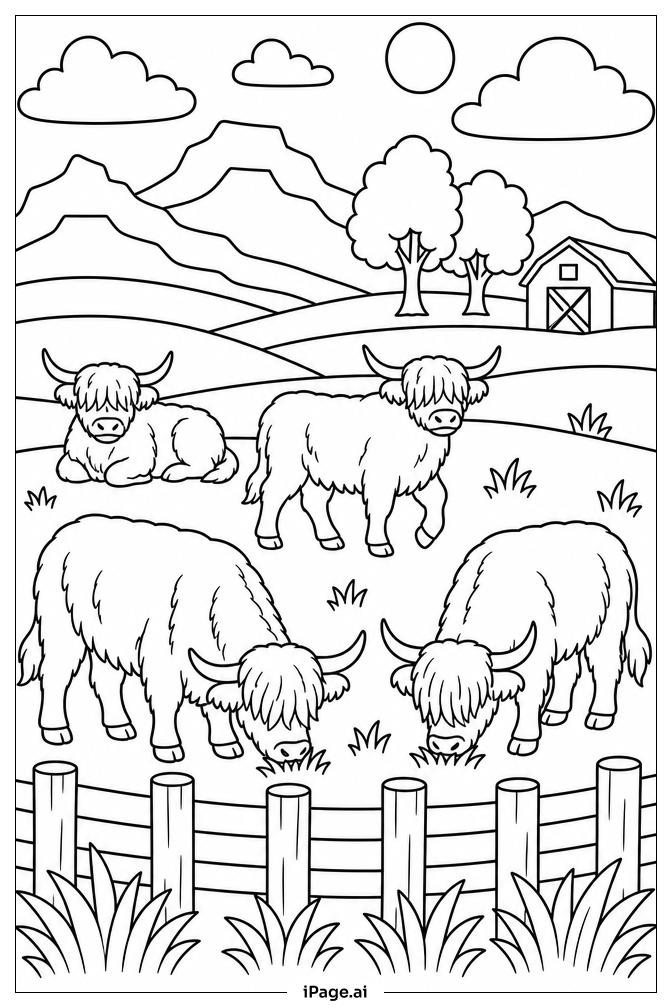
Start with the horns by using a warm cream or light tan color, then add soft brown shading along the curves to give them a natural, rounded look. For the shaggy coat, golden brown, auburn, or reddish-orange tones work beautifully and stay true to real Highland Cow colors. You can also use deep chocolate brown or even a pale sandy yellow for a unique twist. Use darker shades of the same color to add depth in the thicker, fluffier areas like the chest and forehead fringe. The nose and muzzle look great in soft pink or warm beige. For the eyes, use dark brown or black with a tiny white dot to make them sparkle with life. Color the background hills in soft greens and the sky in light blue or gentle lavender to create a calm, peaceful Scottish countryside feel. Kids can freely explore bold, imaginative colors too — a purple or teal cow makes for a wonderfully creative page!
Coloring challenges: Which parts are difficult to color and need attention for Highland Cow Big Horns coloring page?
• Shaggy Coat Texture: The Highland Cow's long, layered fur is one of the most challenging parts to color. It has many overlapping strands and tufts that require careful attention. To make it look realistic, you need to follow the direction of the fur lines and gradually blend lighter and darker shades. Rushing through this section with flat color can make the coat look dull and flat rather than fluffy and dimensional.
• Large Curving Horns: The wide, sweeping horns look simple at first glance, but adding realistic depth and shading is tricky. The horns have a natural curve, which means one side catches more light while the other falls into shadow. Blending two or three shades smoothly along the horn surface helps create a convincing three-dimensional effect that younger colorists may find difficult to achieve.
• Forehead Fringe Details: The thick fringe of fur hanging over the cow's eyes contains many fine, overlapping lines. Coloring each strand individually without muddying the overall look takes patience and a steady hand. Using a sharp pencil tip or thin marker is highly recommended for this area.
• Face and Expression: The cow's face includes delicate features like the eyes, nostrils, and muzzle. These small areas require precise coloring to keep the expression gentle and lifelike. Staying within the fine lines around the eyes is especially challenging for younger children.
• Background Balance: Keeping the background colors soft enough so they do not overpower the cow itself requires careful color selection and restraint, which can be a fun but real challenge for colorists of all ages.
Benefits of coloring books: Advantages of drawing Highland Cow Big Horns coloring page
Coloring this Highland Cow Big Horns page offers a wonderful range of benefits for children and families alike. First, it builds fine motor skills. Carefully coloring the detailed fur strands and curved horns requires steady hand movements that strengthen pencil control and hand-eye coordination. These are essential skills for writing and everyday tasks.
Second, it encourages creativity. Choosing colors for the shaggy coat, background, and horns lets kids express themselves freely. There is no single right answer, so every finished page becomes a unique piece of personal art.
Third, it teaches patience and focus. The many textured details in the fur and fringe reward slow, careful coloring, helping children develop the ability to concentrate on a task from start to finish.
Fourth, it sparks curiosity about nature and animals. The Highland Cow is a real and fascinating breed from Scotland. Coloring it can lead to fun conversations about farm animals, different countries, and the natural world.
Finally, completing a detailed coloring page builds confidence. Finishing something that looks beautiful and complex gives children a strong sense of pride and accomplishment. It is a simple, screen-free activity the whole family can enjoy together.