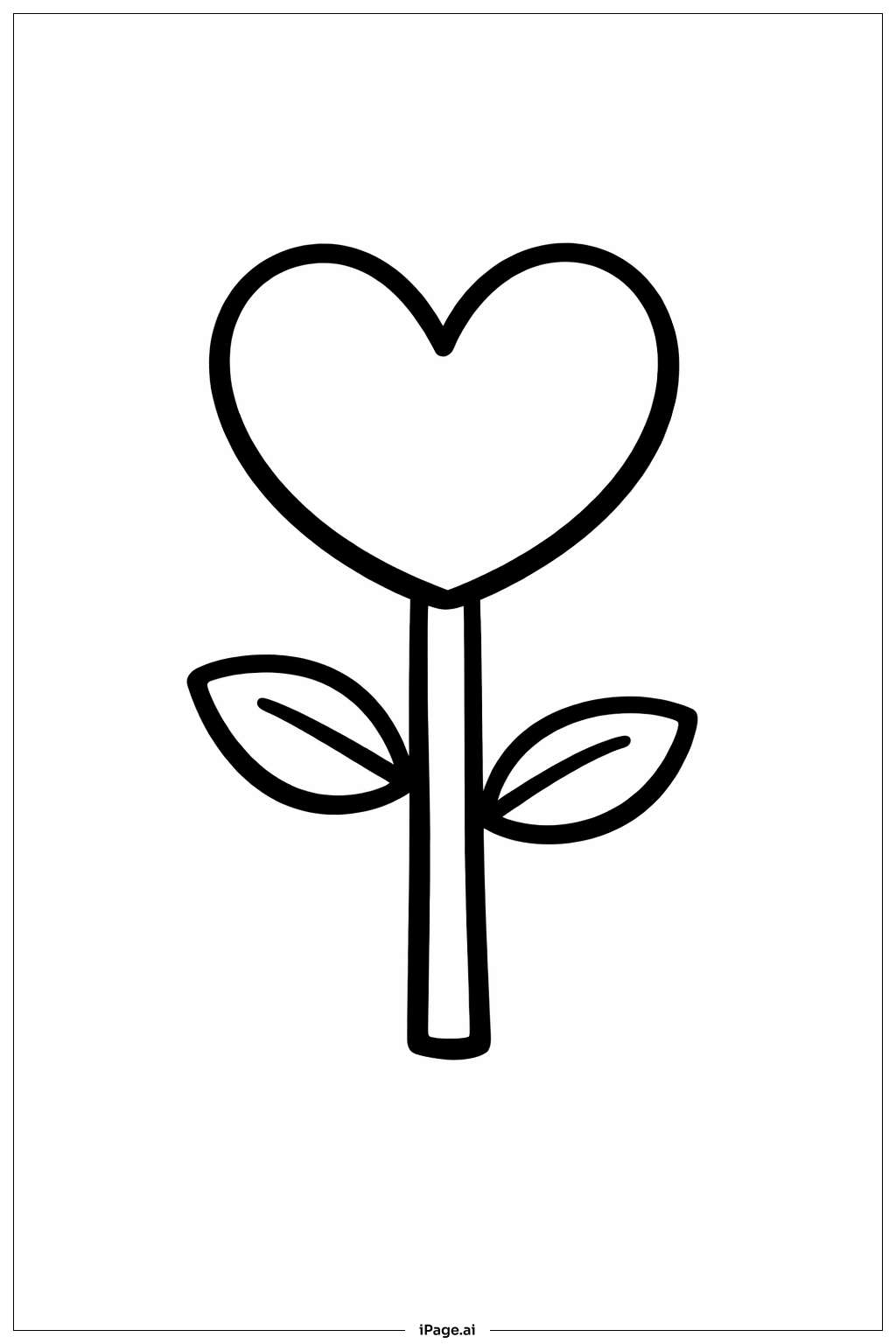
Coloring tips: How to color Heart Flower coloring page well?
Start by choosing a warm color palette to bring out the romantic feel of this Heart Flower design. Shades of red, pink, and coral work beautifully for the heart and petals. You can also try purple or lavender for a dreamy, magical look.
Color the large central heart first, then move outward to the surrounding petals and smaller blooms. Use a slightly darker shade on the edges of each petal and a lighter tone in the center to create a soft gradient effect.
For the leaves and vines, green is a natural choice. Try mixing light green and dark green to add depth. Yellow-green can brighten up smaller leaves.
The swirls and dot details can be filled with contrasting accent colors like gold, orange, or sky blue to make them pop. If you want a more playful look, use rainbow colors across the petals. For a calmer, more elegant result, stick to two or three tones throughout the whole design. Have fun and make it your own!
Coloring challenges: Which parts are difficult to color and need attention for Heart Flower coloring page?
Coloring this Heart Flower image looks fun, but it comes with a few challenges worth knowing before you begin.
• Small Petal Details: The flower petals around the central heart are closely spaced and fairly small. Staying inside the lines without smudging into neighboring sections takes a steady hand. Using a fine-tipped marker or a sharpened colored pencil will help you keep each petal neat and separate.
• Layered Elements: The design has multiple layers of petals, leaves, and decorative swirls sitting close together. It can be tricky to decide where one section ends and another begins. Take your time to study the outlines before applying color, and work from the center outward to avoid accidentally covering areas you have already colored.
• Creating Depth and Dimension: Because this is a flat line drawing, adding a sense of depth requires intentional shading. Blending two shades of the same color, a lighter tone in the center and a darker tone along the edges, helps each petal look rounded and three-dimensional. This technique takes patience and practice.
• Consistent Color Balance: With so many elements across the design, keeping the overall color scheme balanced can be challenging. If one side uses bright, saturated colors and the other uses pale tones, the image can look uneven. Planning your color palette ahead of time and applying it consistently across matching elements will give the finished piece a polished, unified look.
• Tiny Decorative Accents: The small dots and swirl details scattered throughout the design are easy to overlook but make a big difference to the final result. Coloring these tiny accents carefully with a fine tool adds a professional touch and brings the whole image to life.
Benefits of coloring books: Advantages of drawing Heart Flower coloring page
Coloring this Heart Flower page offers a wonderful mix of creative and personal benefits for kids and adults alike.
For younger children, tracing along the clean petal outlines helps build fine motor skills and hand-eye coordination. Choosing colors and filling in each section encourages decision-making and boosts confidence as the image comes to life.
For older kids and teens, the layered design offers a satisfying challenge. Practicing shading and color blending on the petals and leaves develops artistic technique and visual thinking in a low-pressure, enjoyable way.
For adults, coloring this design is a great way to unwind. Focusing on the small details of the Heart Flower naturally quiets a busy mind and reduces stress. Many people find the repetitive, mindful motion of coloring similar to meditation.
The heart and flower theme also carries emotional warmth. Completing this image can feel uplifting and even inspiring, especially when given as a handmade gift to someone special.
No matter your age or skill level, this coloring page invites you to slow down, be present, and express yourself creatively. All you need is a set of colors and a little imagination.