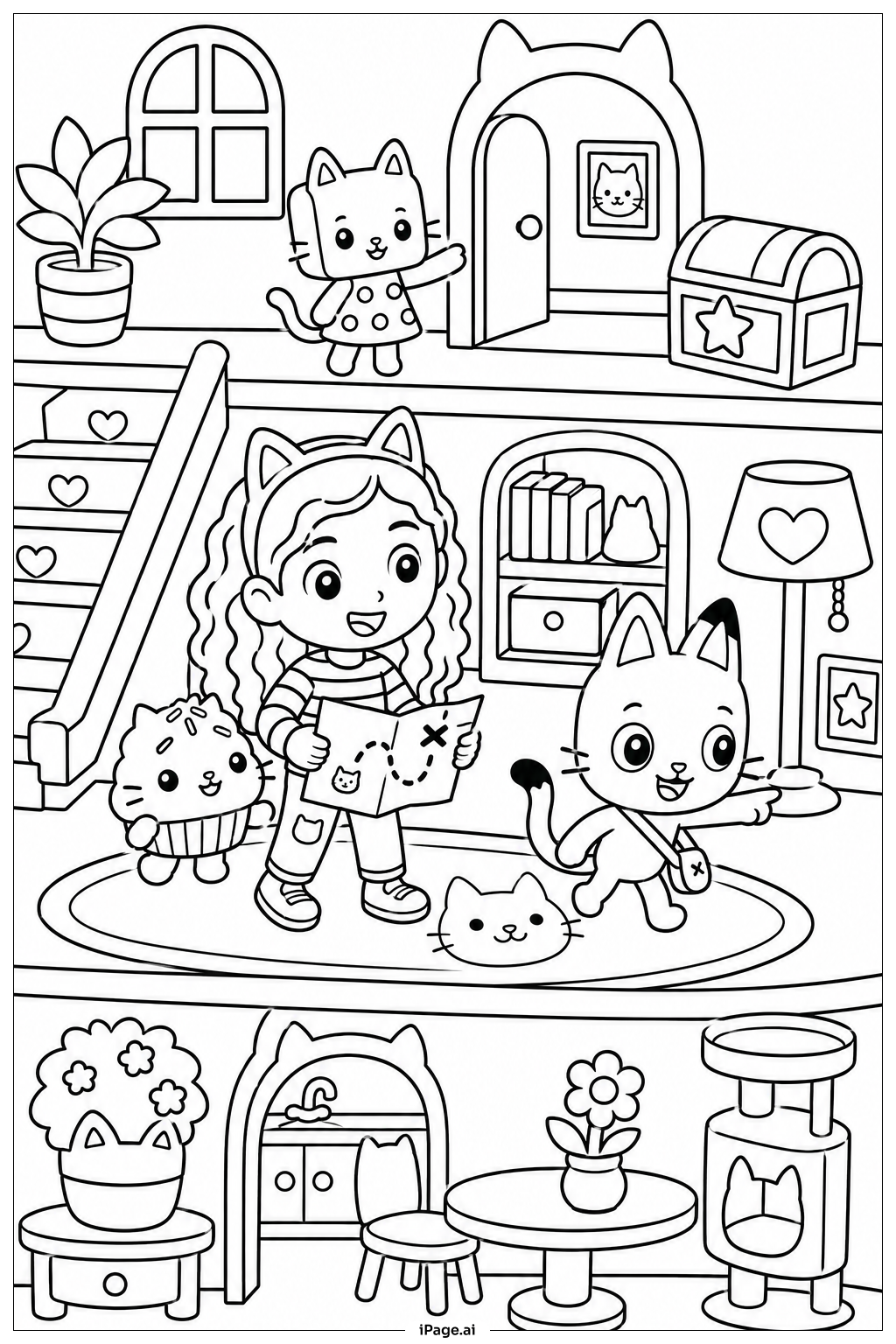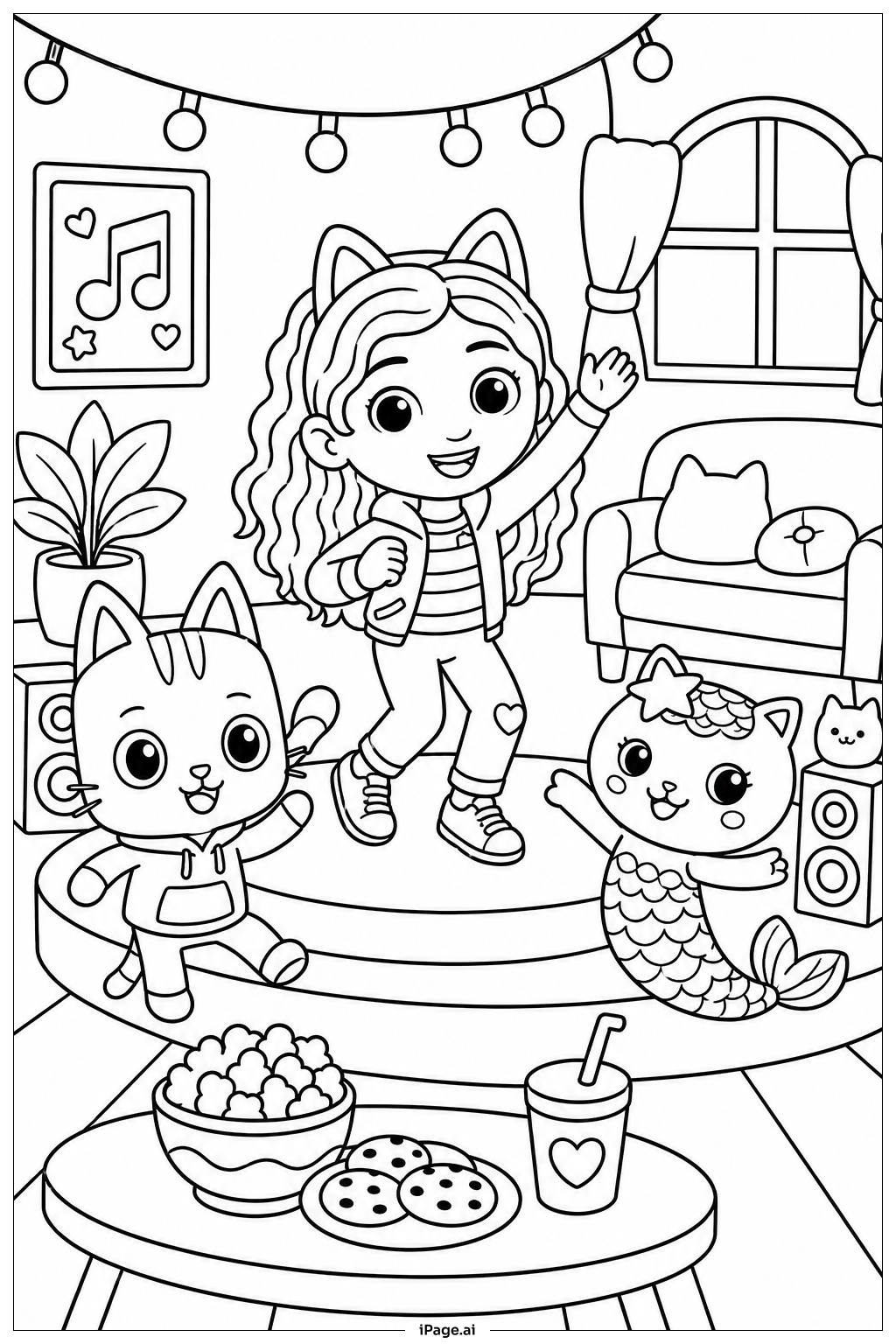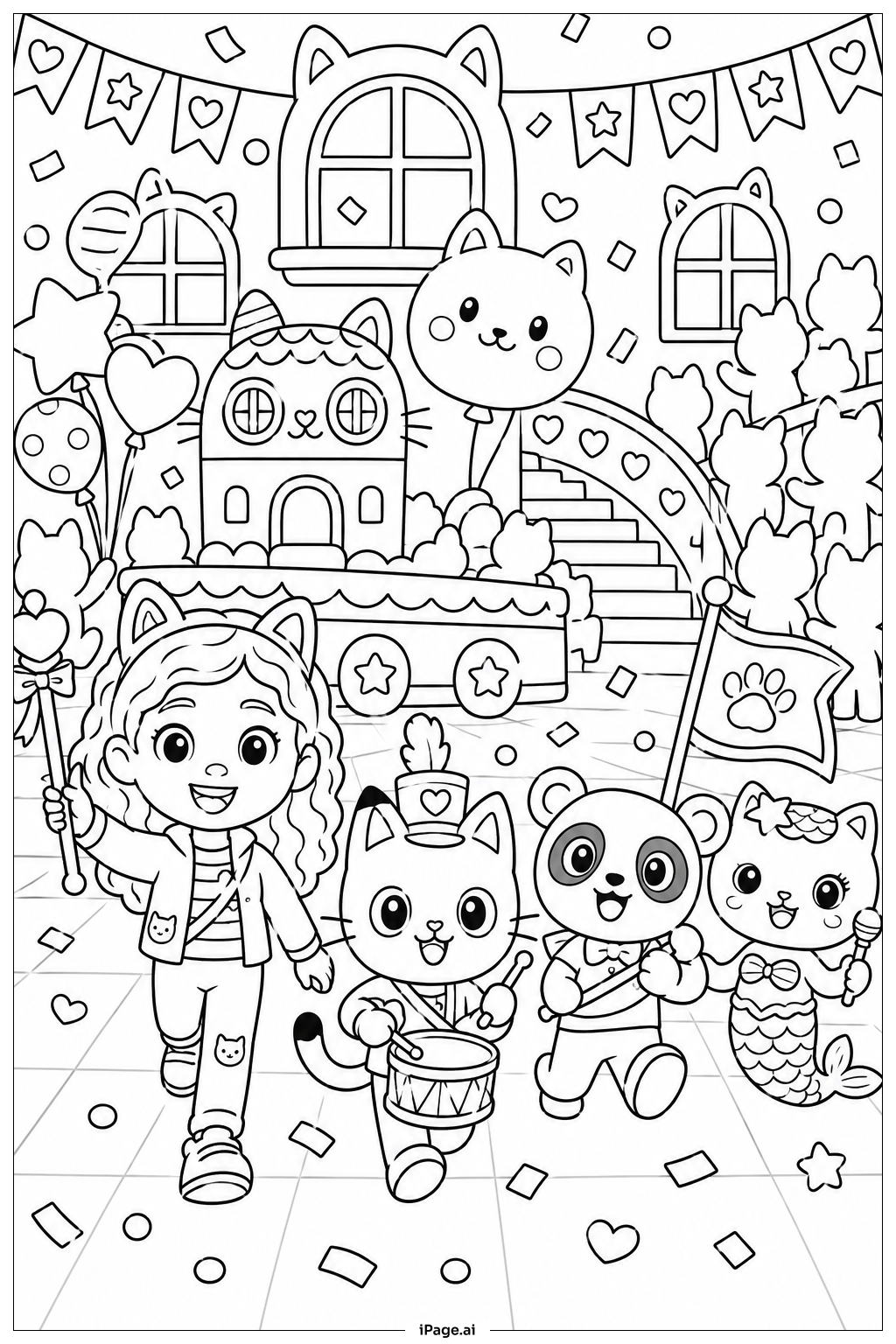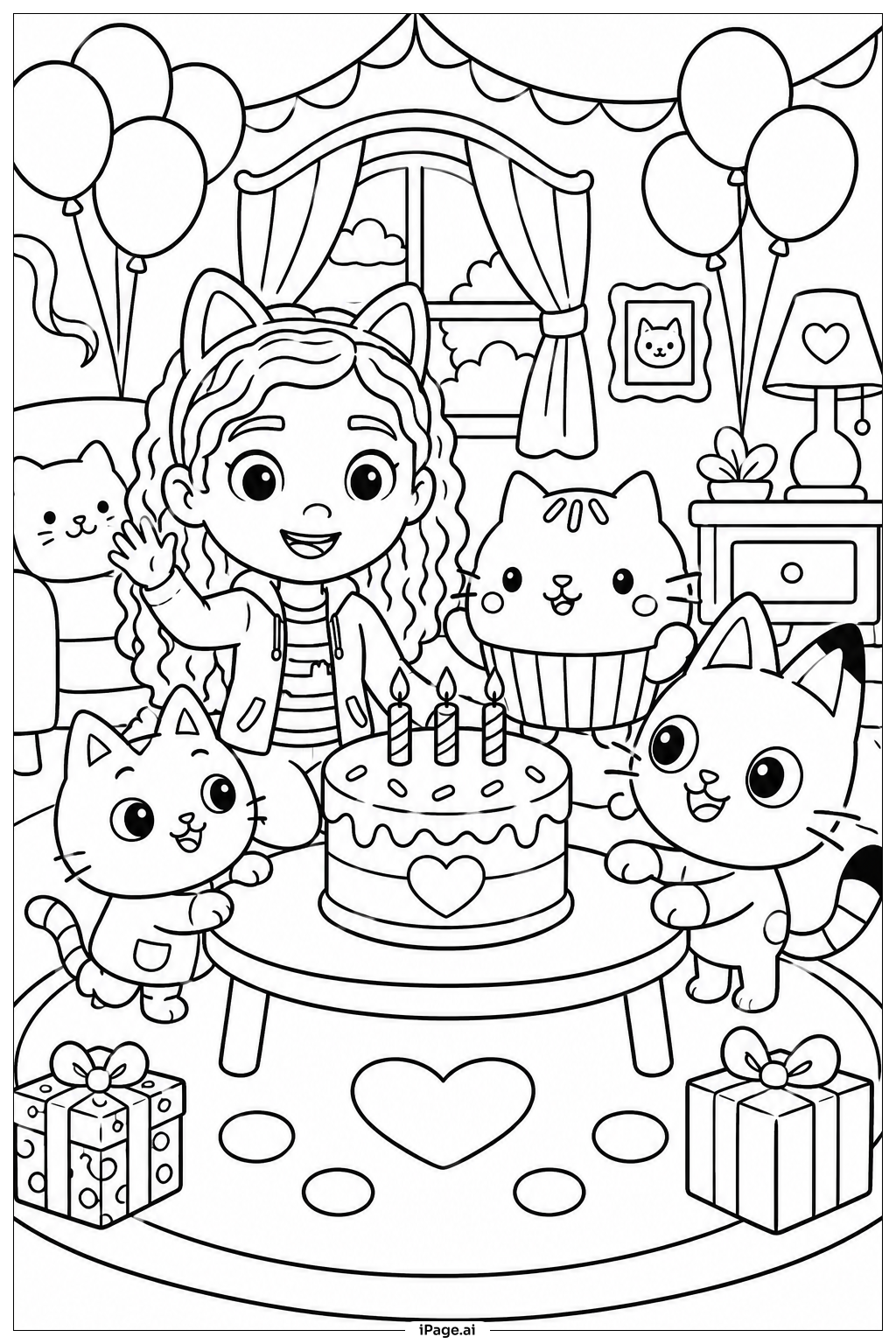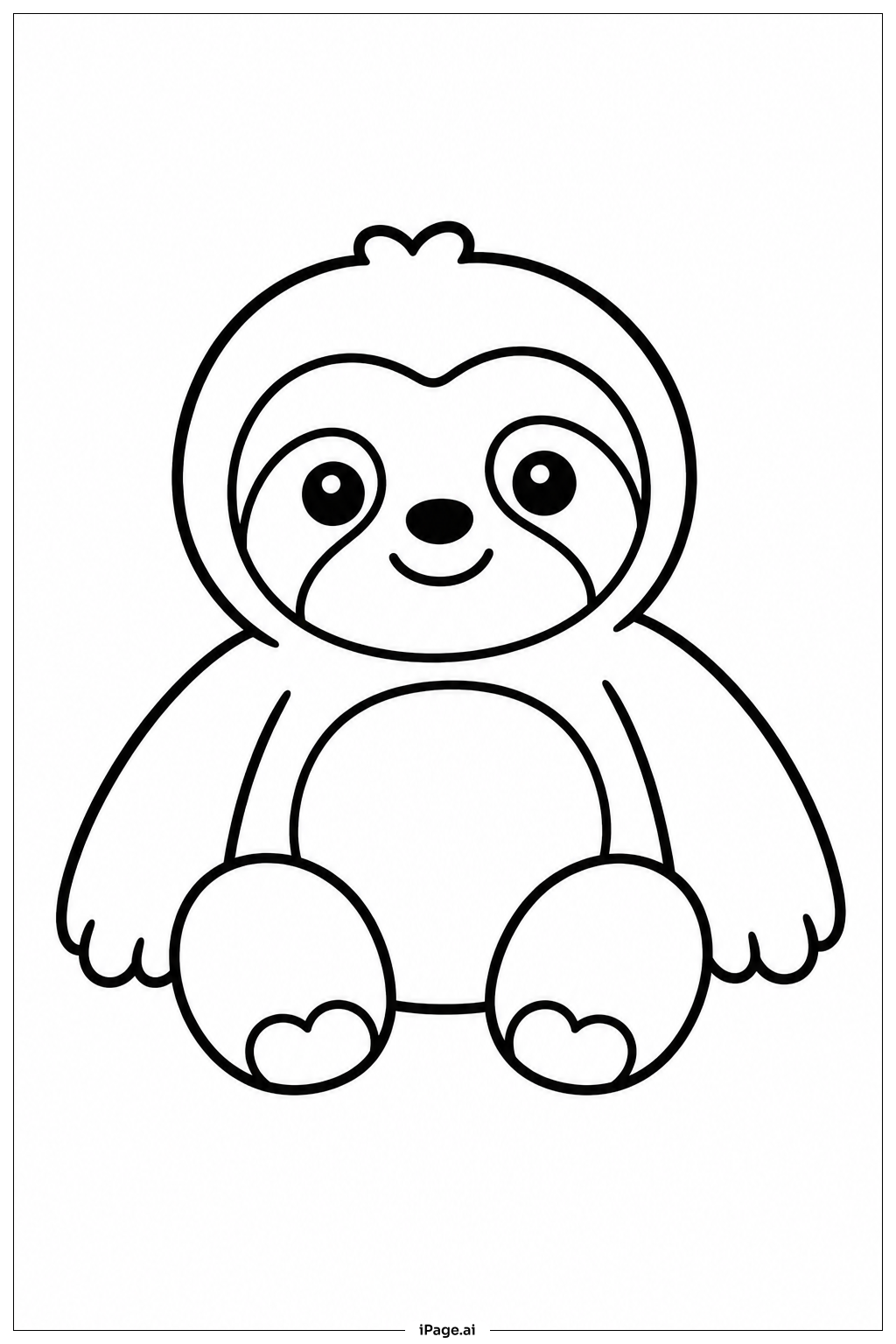
Coloring tips: How to color Gabby's Dollhouse Sloth Plush coloring page well?
Start with the sloth's body by using warm, earthy tones like tan, light brown, or sandy beige. These shades help capture the natural, cozy look of a plush stuffed animal. For the face, use a slightly lighter shade to make the features pop. Color the big eyes with deep brown or black, and add a tiny white dot to bring them to life. The outfit or belly area can be colored in soft pastel shades like cream, peach, or pale yellow to give it that soft, stuffed toy feel. If the sloth has any accessories or decorative details, try using light purple, pink, or mint green for a fun, playful touch. Blend colors gently where shapes meet to create a smooth, soft texture effect. Do not rush — take your time with each section. Try adding a soft shadow under the arms or along the sides using a slightly darker shade of the base color. This adds depth and makes the plush look even more three-dimensional and cuddly.
Coloring challenges: Which parts are difficult to color and need attention for Gabby's Dollhouse Sloth Plush coloring page?
• Capturing the Plush Texture: One of the trickiest parts of this coloring page is making the sloth look soft and fluffy like a real stuffed animal. The outlines suggest fluffiness, but you need to use light, feathery strokes or gentle color layering to bring that texture to life. Going too dark too fast can flatten the look and remove the cozy plush feel.
• Shading the Rounded Body: The sloth has a very rounded, three-dimensional shape. Creating depth on a curved surface requires careful shading. You need to leave lighter areas where light would naturally hit — like the top of the head and the belly — and add slightly darker tones along the sides and underneath. Getting this balance right takes patience and practice.
• Coloring the Facial Features: The face is the most expressive part of the image. The eyes, nose, and smile are small but important. Coloring these details neatly without going outside the lines is a real challenge, especially for younger colorists. Using a fine-tipped pencil or marker helps keep these details clean and accurate.
• Balancing Color Harmony: The sloth plush uses a limited but warm color palette. Choosing colors that work well together — without making the image look too flat or too busy — requires a good sense of color balance. It can be easy to accidentally use too many contrasting colors that clash and take away from the character's soft, sweet appearance.
• Staying Inside Small Detail Areas: The sloth may have small decorative elements like stitching lines, ear details, or accessory features. These tight areas are difficult to color neatly and require steady hands and careful tool control to avoid smudging or coloring outside the intended areas.
Benefits of coloring books: Advantages of drawing Gabby's Dollhouse Sloth Plush coloring page
Coloring this Gabby's Dollhouse Sloth Plush page offers a wonderful range of benefits for children and fans of all ages. First, it helps develop fine motor skills. Carefully filling in the sloth's rounded body, tiny facial features, and detailed texture lines trains hand muscles and improves pencil control — skills that support everyday writing and drawing. Second, it encourages focus and patience. The soft, detailed design invites colorists to slow down, concentrate, and take their time — much like the sloth itself. This kind of mindful activity helps children practice staying on task in a calm, enjoyable way. Third, it sparks creativity. Choosing colors, experimenting with shading, and deciding how to bring the character to life gives children a chance to express themselves freely and build confidence in their creative choices. Fourth, it deepens connection to a beloved character. Coloring a favorite character from Gabby's Dollhouse makes the activity feel personal and exciting, turning a simple coloring session into a meaningful imaginative experience. Finally, it offers emotional comfort. The cute, cuddly design of the Sloth Plush has a naturally soothing quality that can help children relax, unwind, and feel happy — making coloring both fun and therapeutic.