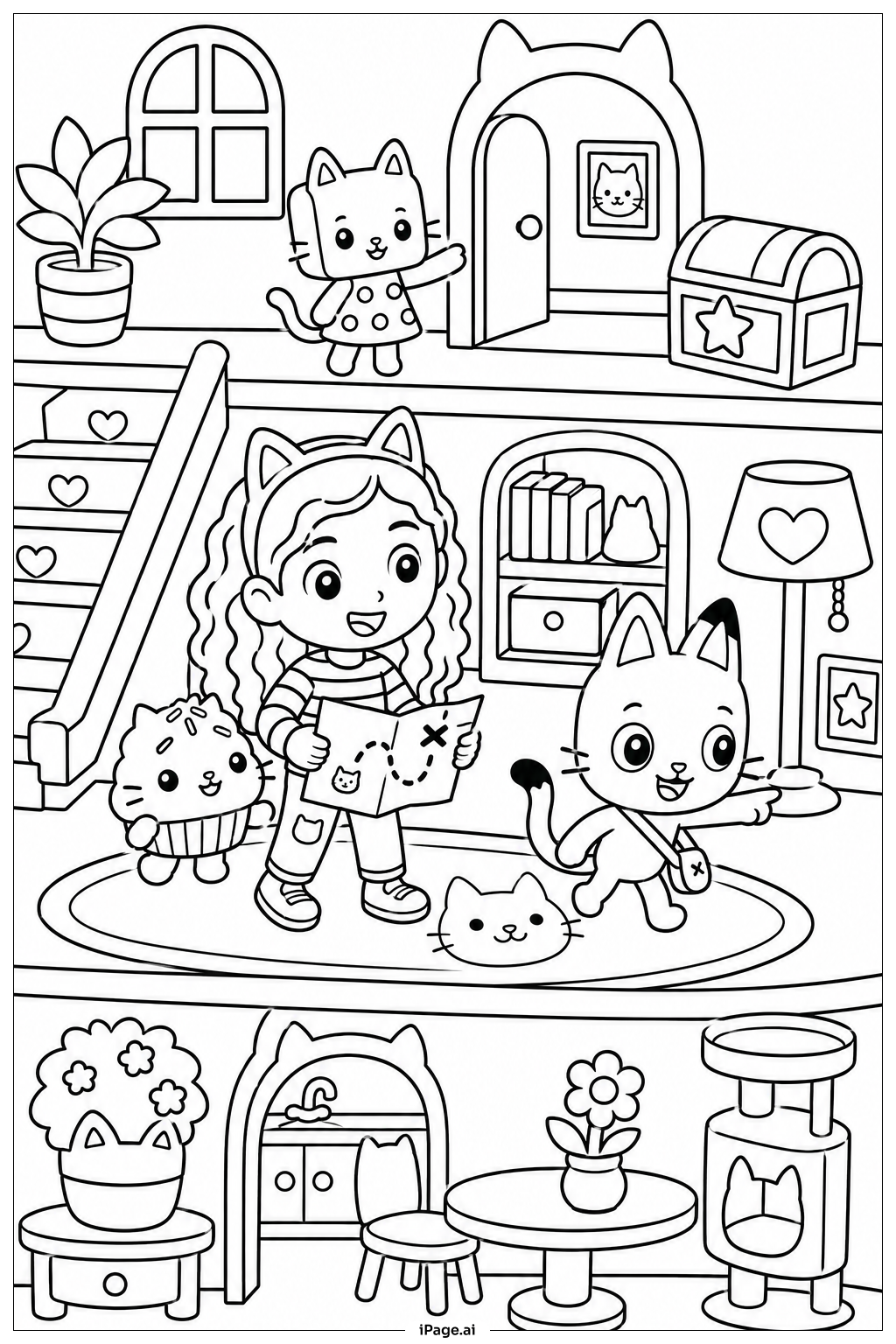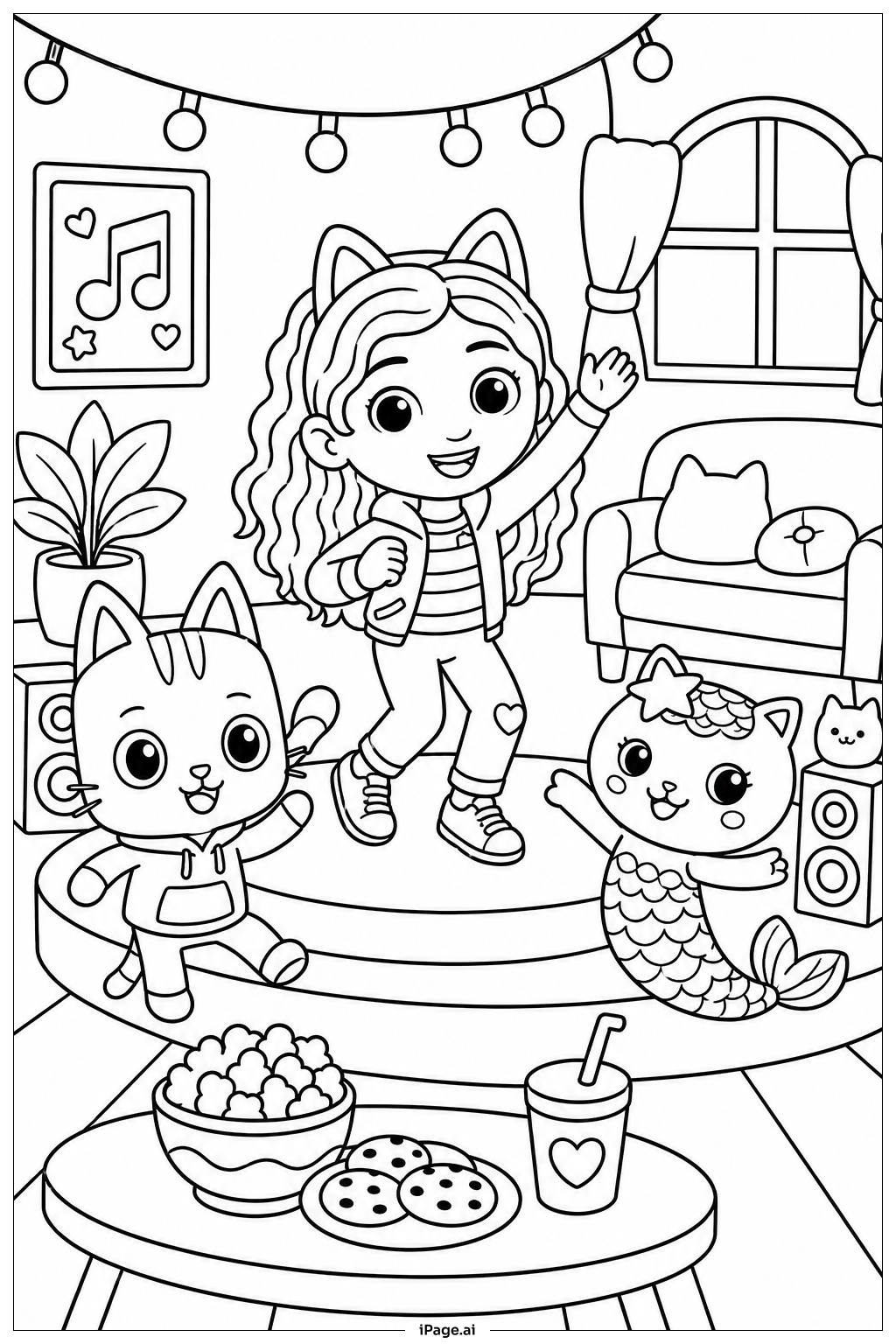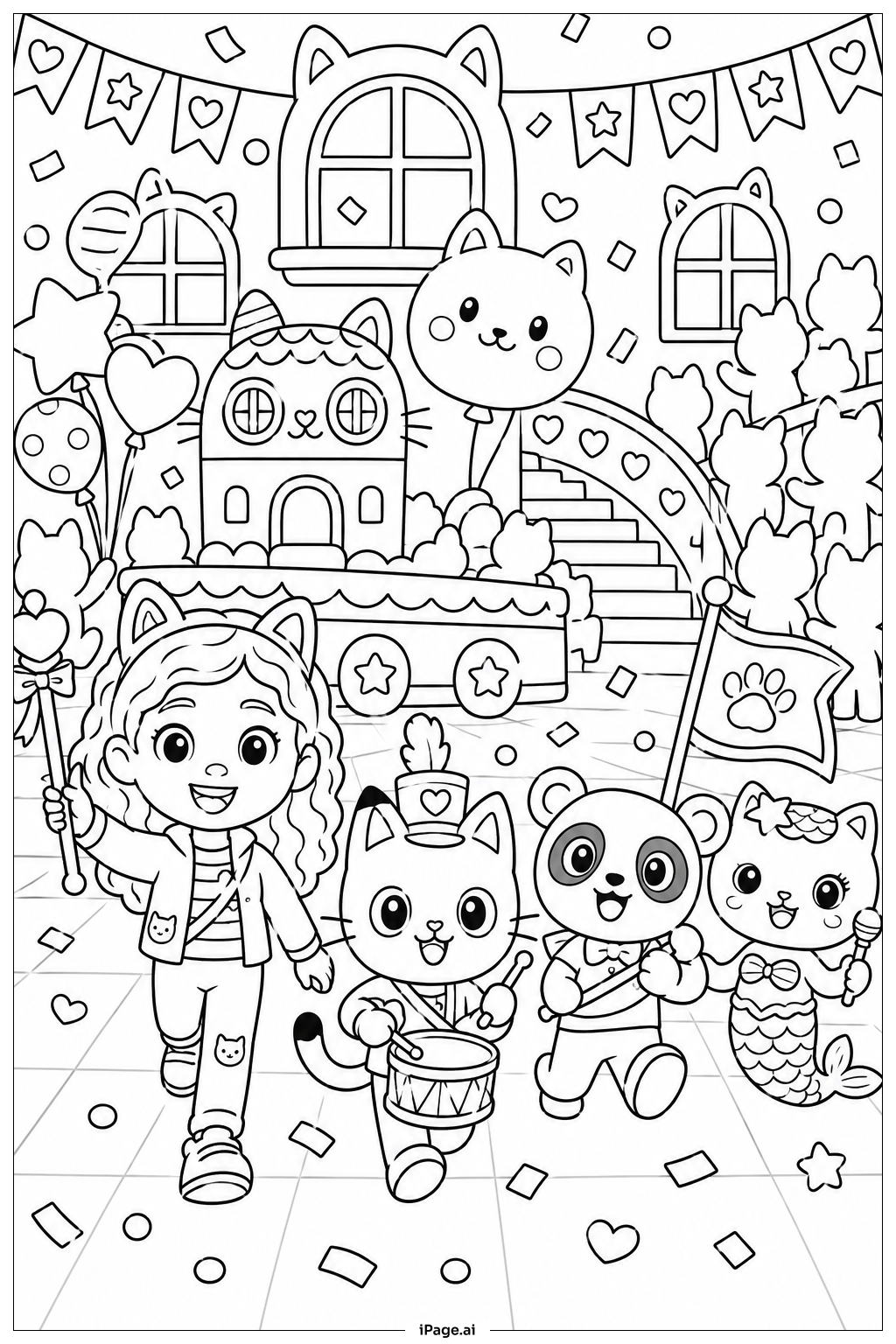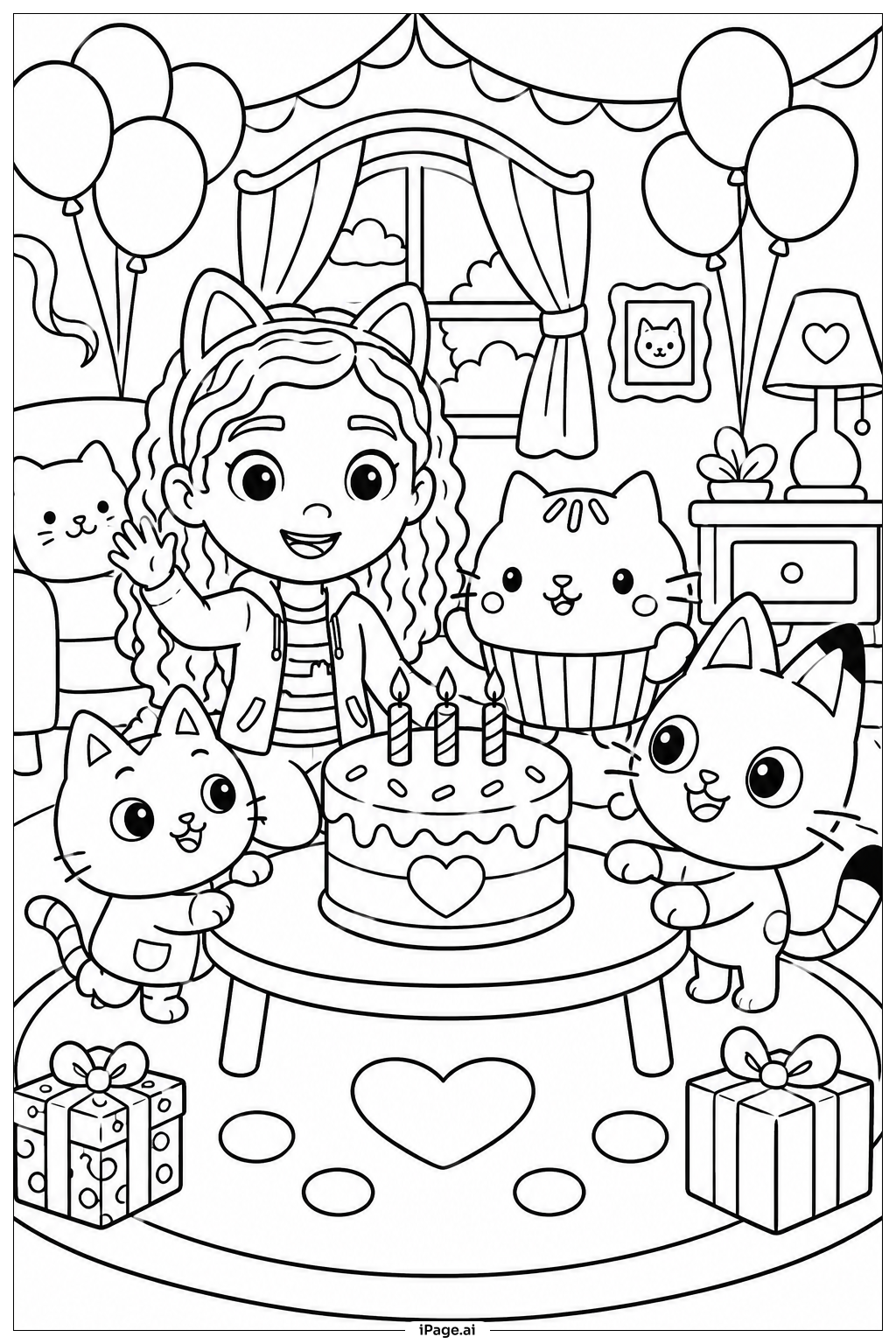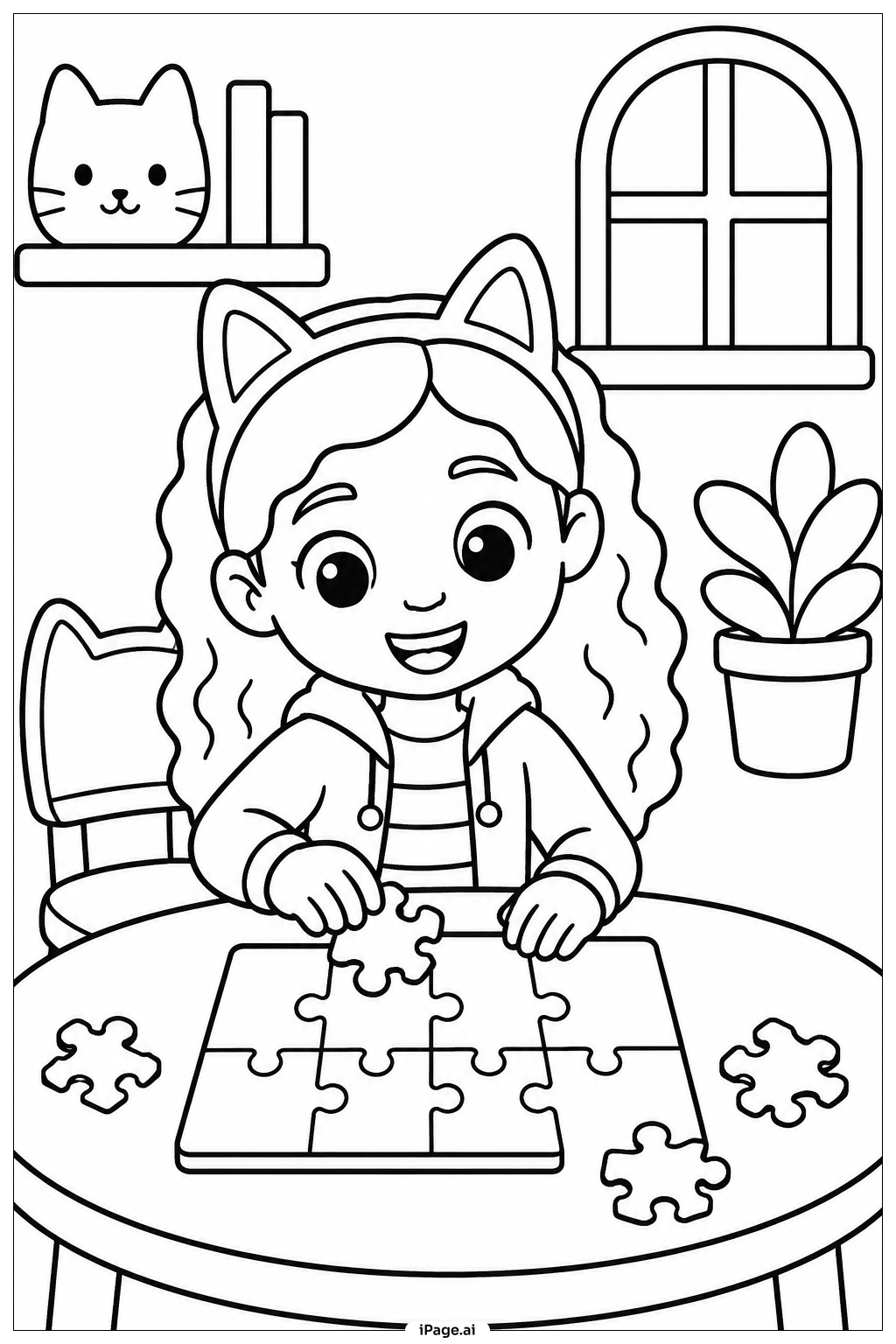
Coloring tips: How to color Gabby's Dollhouse Puzzle Table coloring page well?
Start with the cat character's fur using soft shades like cream, orange, or light brown. Give her eyes a bright color such as green or blue to make them pop. Use warm, cheerful tones like yellow, pink, and lavender for the puzzle pieces to make them look fun and colorful. Color each puzzle piece a different shade so they stand out from one another. For the table, try a light wood color like tan or golden brown. The table legs can have a slightly darker shade for contrast. Fill the background with soft pastel colors to create a cozy, dreamy dollhouse feel. Feel free to mix and match your favorite colors. There are no strict rules here — just have fun and let your imagination guide your choices. If you want the puzzle picture to tell a story, try making the connected pieces form a rainbow or a simple design using bright, bold colors.
Coloring challenges: Which parts are difficult to color and need attention for Gabby's Dollhouse Puzzle Table coloring page?
• Cat Character Details: The cat character has small facial features like eyes, a tiny nose, and whiskers that sit very close together. Coloring these without going outside the lines takes a steady hand and a fine-tipped colored pencil or marker. Young colorists may find this part tricky and should take their time with small, careful strokes.
• Puzzle Piece Variety: There are many puzzle pieces scattered across the table, each with its own unique shape. Keeping each piece a distinct color while making sure neighboring pieces do not blend into each other can be challenging. It helps to plan your color choices before you begin so connected pieces do not end up looking the same.
• Table Surface and Depth: The table has a slightly curved surface with decorative legs underneath. Showing the difference between the tabletop and the legs through shading or different tones of the same color adds depth but can be difficult for beginners. Using a lighter shade on top and a darker shade on the sides creates a nice three-dimensional effect.
• Background Balance: The background contains dollhouse-style details that should complement the main scene without overpowering it. Choosing colors that are softer than the foreground keeps the focus on Gabby and the puzzle table. Striking this balance can be hard, especially when there are many elements to color.
• Small Decorative Elements: Tiny details on the table edges and scattered puzzle pieces require precision. Using thinner tools for these areas and saving broader markers or crayons for larger sections makes the whole process much easier and more enjoyable.
Benefits of coloring books: Advantages of drawing Gabby's Dollhouse Puzzle Table coloring page
Coloring this Gabby's Dollhouse Puzzle Table page offers a wonderful mix of fun and learning. As kids carefully color each puzzle piece, they practice fine motor skills and hand-eye coordination. Choosing different colors for each piece also helps develop color recognition and creative thinking.
The scene encourages imagination. Kids can picture themselves sitting right alongside Gabby, solving puzzles and exploring the dollhouse world. This kind of imaginative play through art supports emotional expression and storytelling skills.
Because there are many small sections to color, children naturally build patience and focus as they work through the page. Completing the whole image gives a satisfying sense of achievement that boosts confidence and self-esteem.
For younger children, this page offers a gentle introduction to staying within lines, which strengthens pencil control. Older kids can challenge themselves with shading, blending, and creating their own color patterns across the puzzle pieces.
Coloring is also a calming activity. It helps children slow down, breathe, and enjoy a quiet, screen-free moment. Whether coloring alone or together with friends and family, this page creates a warm, joyful experience that connects creativity with the beloved world of Gabby's Dollhouse.