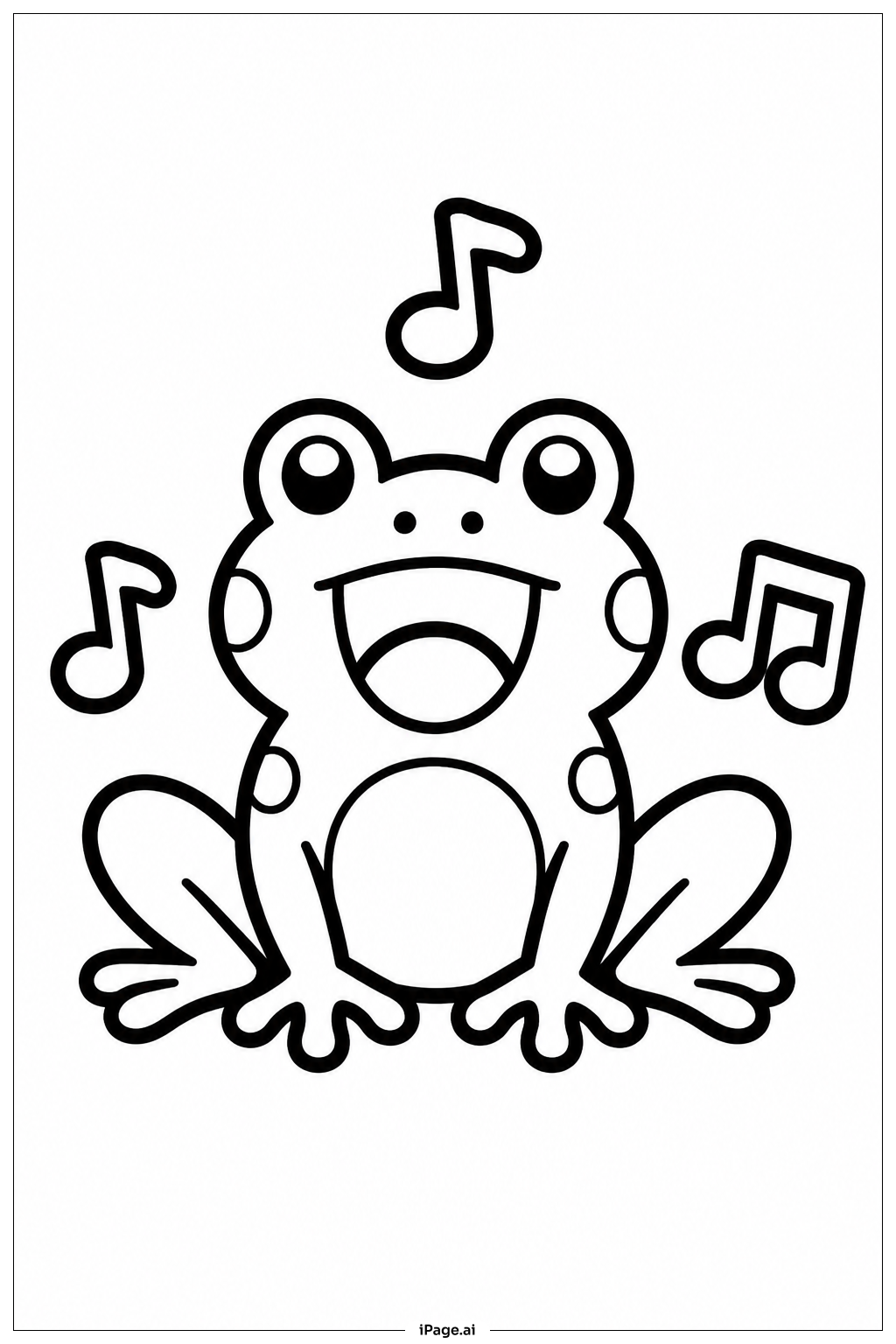
Coloring tips: How to color Singing Frog coloring page well?
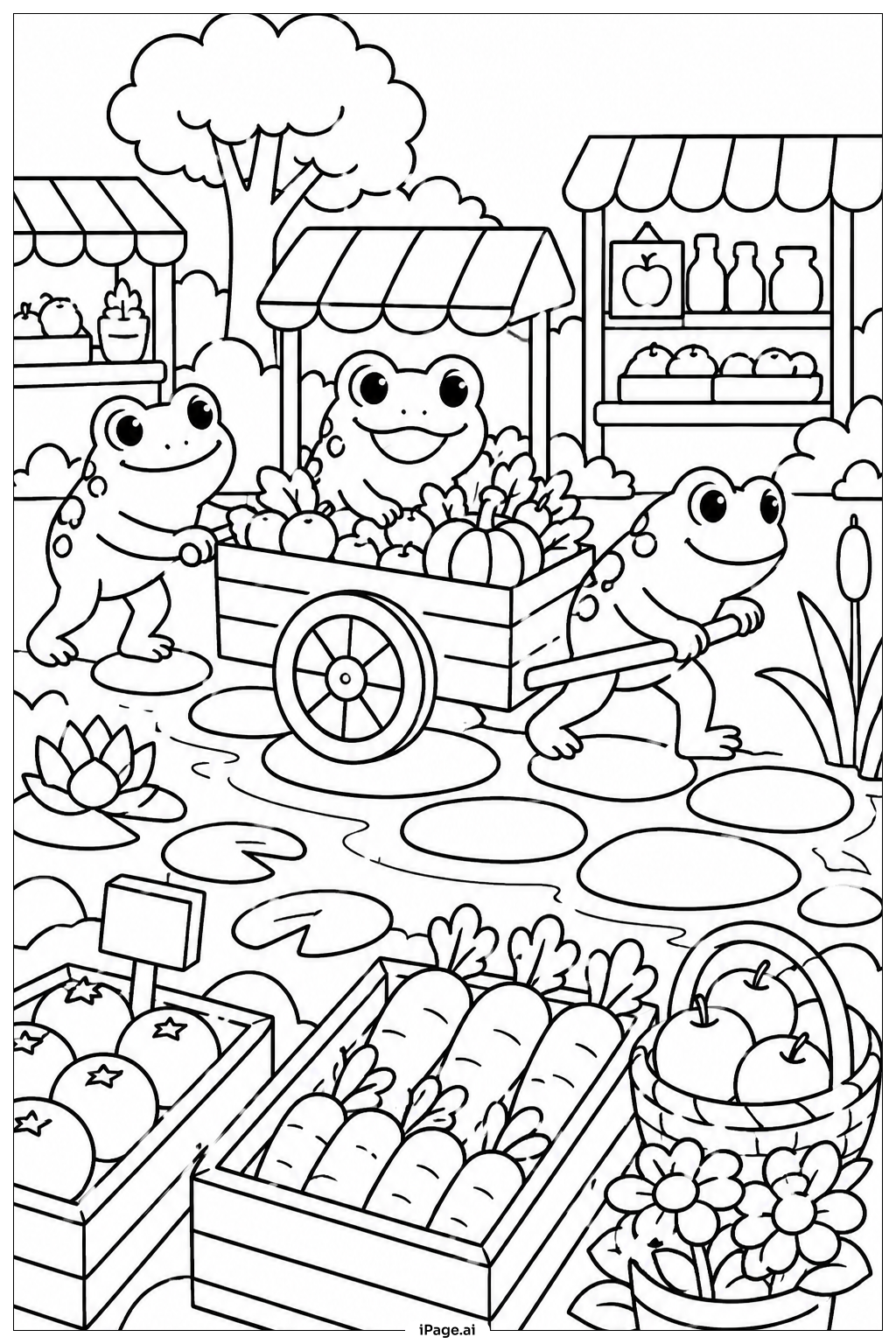
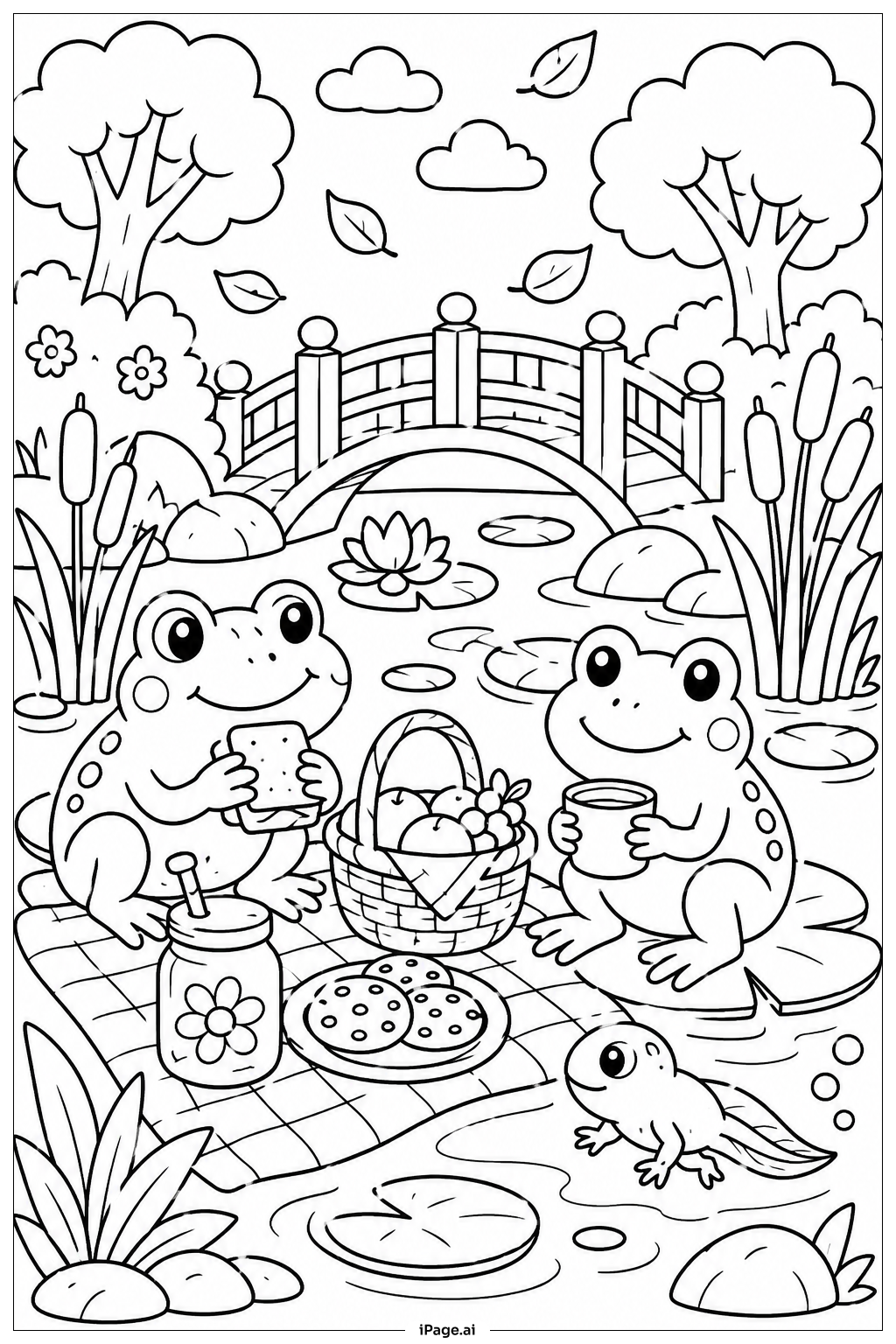
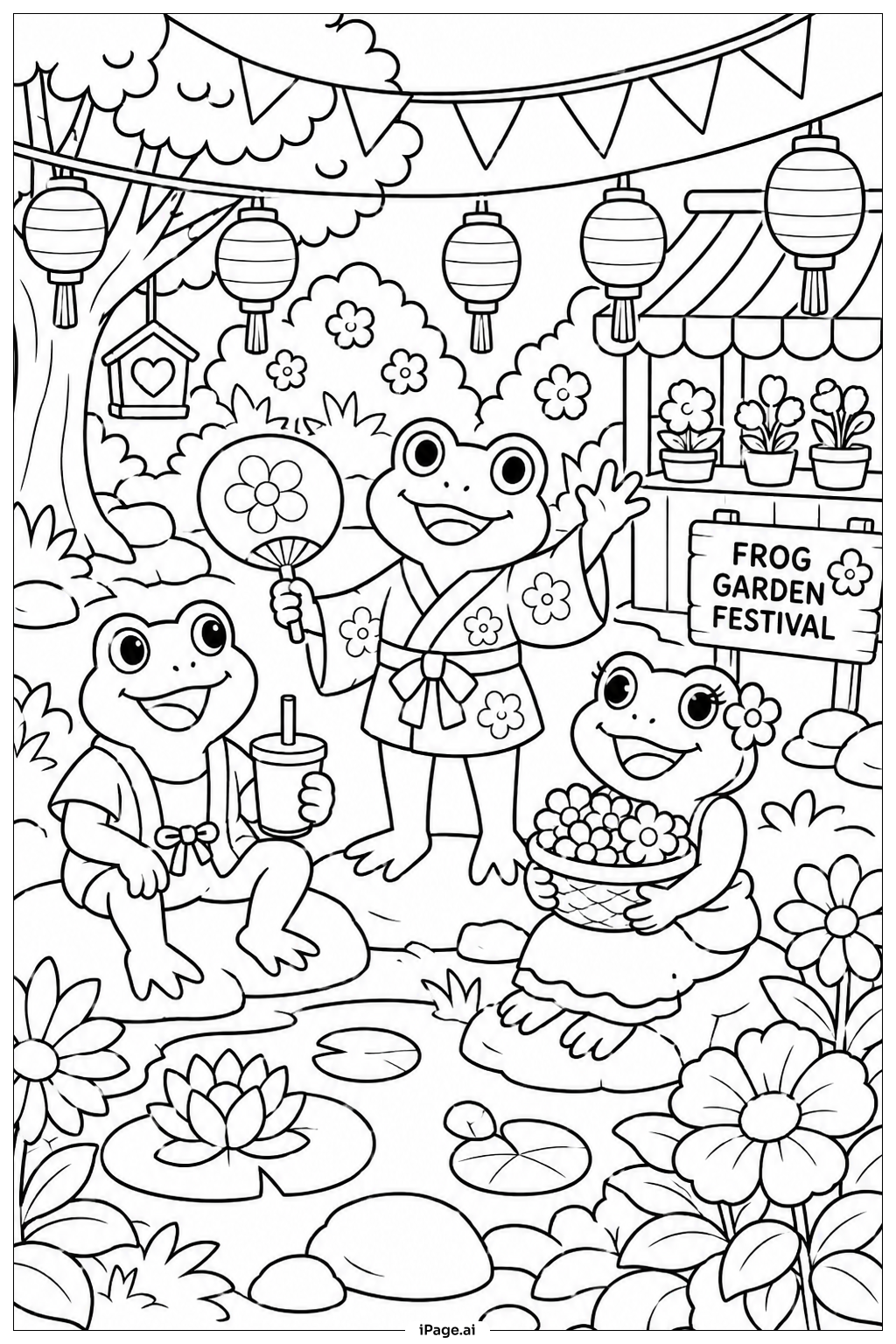
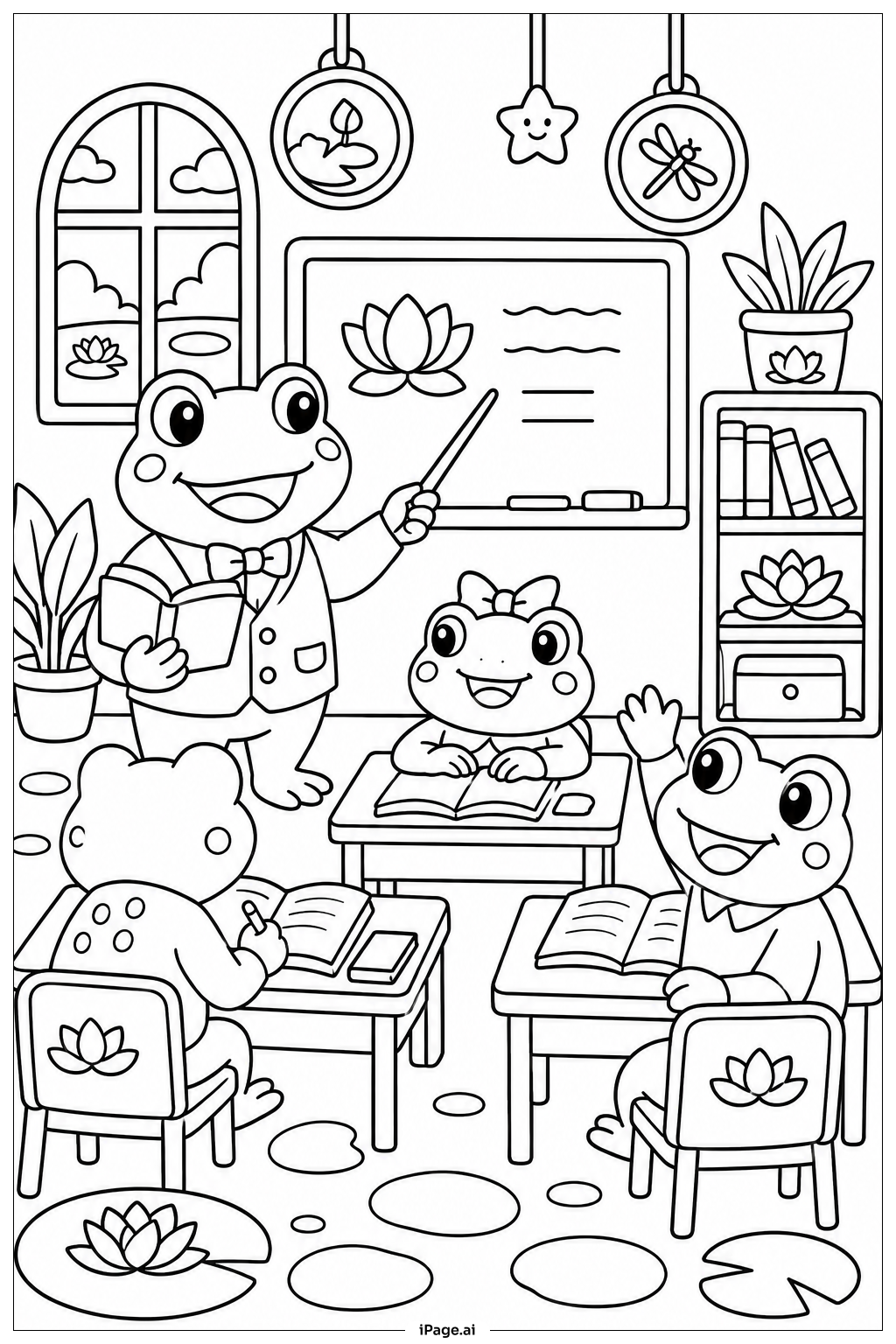
For this singing frog, consider using bright, vibrant greens as the base color for the body. Try different shades of green, like lime for highlights and forest green for shadows. The spots on the frog's back can be colored in darker greens, browns, or even blues for contrast. The throat area could be lighter, perhaps pale yellow or cream, especially if you want to show it inflated while singing. The eyes offer great creative opportunity: use bright colors like gold, orange, or red for the iris, with black pupils. The webbed feet can be colored in slightly darker or more orange-toned shades than the body. Consider adding a subtle background wash in soft blues or purples to suggest a pond environment, or warm yellows and oranges to create a spotlight effect, emphasizing the performance aspect of this musical frog.
Coloring challenges: Which parts are difficult to color and need attention for Singing Frog coloring page?
• Skin Texture and Spots: The frog's body features numerous spots and textured areas that require careful color planning. Keeping the spots consistent in color while making them stand out from the base skin tone can be challenging. Young colorists may find it difficult to stay within the smaller circular spot boundaries, and choosing colors that provide enough contrast without looking too busy requires thoughtful selection.
• Shading Curved Surfaces: The frog's rounded body, inflated throat, and bulging eyes all feature curved surfaces that benefit greatly from shading techniques. Creating realistic dimension on these curved areas requires understanding where light would naturally hit and where shadows would form. Blending colors smoothly on the spherical eyes and the rounded belly can be particularly tricky for beginners.
• Webbed Feet Details: The frog's webbed feet contain thin membrane sections between the toes that need delicate coloring. These translucent-looking webs should ideally be lighter or more transparent-looking than the toes themselves. The fine lines separating each toe segment require precision and steady hands to color without crossing boundaries.
• Mouth Interior Depth: The wide-open singing mouth presents a challenge in creating depth and dimension. The inside of the mouth should appear darker and more shadowed than the exterior, and any visible tongue or throat details need careful color choices to look realistic and three-dimensional rather than flat.
Benefits of coloring books: Advantages of drawing Singing Frog coloring page
Coloring this singing frog offers wonderful developmental benefits for children. The combination of larger body areas and smaller detailed spots helps improve fine motor control and hand-eye coordination. Children practice precision when coloring within the boundaries of small spots while also enjoying the freedom of filling larger sections. The expressive nature of the singing pose encourages emotional connection and storytelling, allowing kids to imagine what song the frog might be singing. This imaginative element boosts creativity and narrative thinking. The biological accuracy of the frog's features, including webbed feet and textured skin, provides an educational opportunity to learn about amphibian anatomy. Making color choices for different body parts enhances decision-making skills and understanding of color theory, especially when experimenting with shading to create depth. The joyful, musical theme promotes positive emotions and can be a conversation starter about music, nature, and self-expression, making the coloring experience both fun and meaningful.