Coloring tips: How to color Fox On Rock coloring page well?
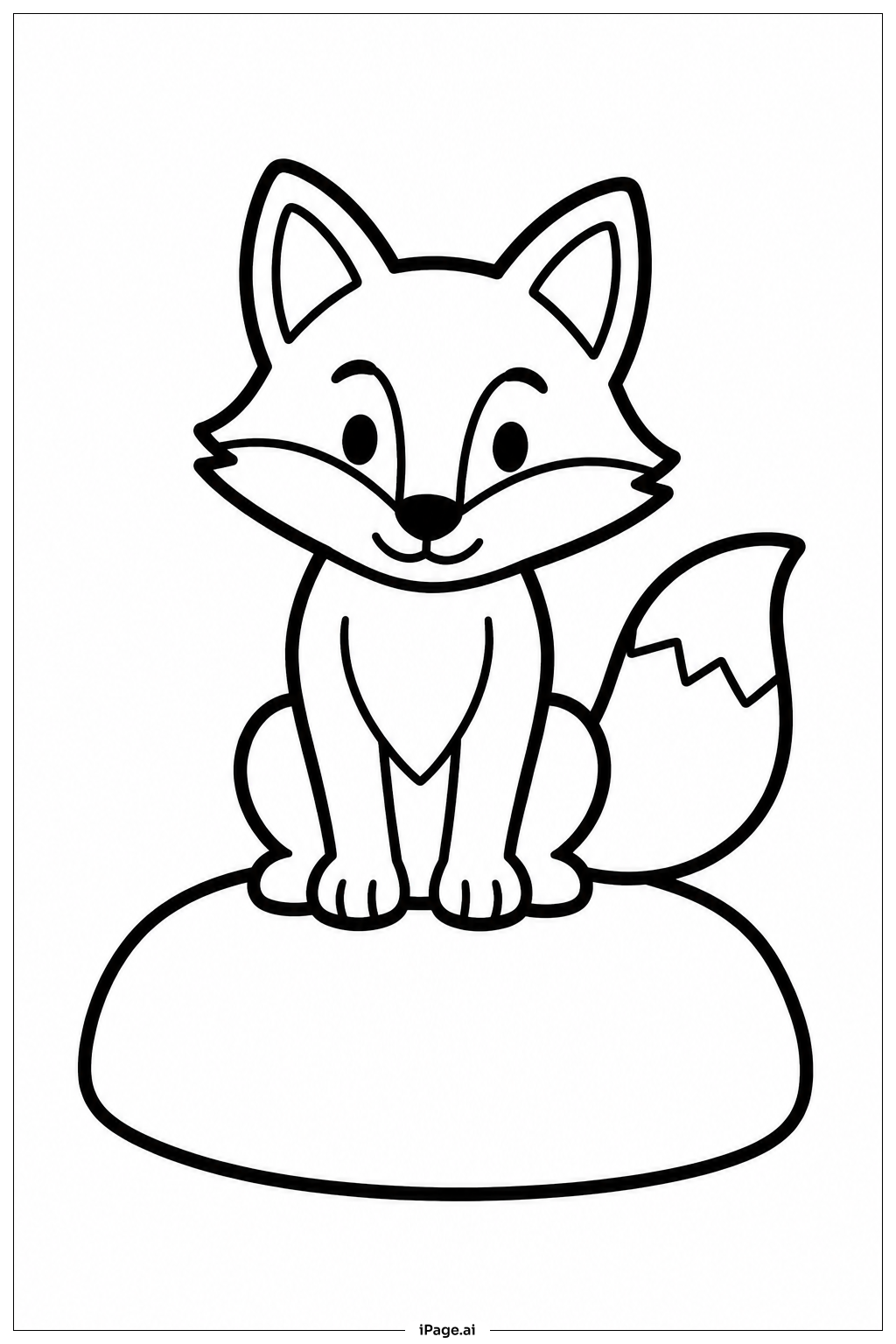
Start with the fox's body. Use warm orange or reddish-orange for the main fur. Add rust or dark brown along the back and top of the head for depth. The belly, chest, and inner ears are usually cream or white, so use light shades there. The paws and lower legs look great in dark brown or black. Give the tail a mix of orange and white, with a white tip. For the face, use soft peach or cream tones and add a tiny dark nose. The rock can be colored in gray, tan, or light brown. Add darker shading in the cracks to make it look rough and real. The grass and plants around the base can be colored in different shades of green to bring life to the scene. Feel free to add a blue sky or warm sunset colors in the background to set the mood.
Coloring challenges: Which parts are difficult to color and need attention for Fox On Rock coloring page?
• Fox Fur Texture: The fox's fur requires careful layering of multiple colors. You need to blend orange, rust, cream, and dark brown smoothly to show how the fur changes across different parts of the body. Rushing this step can make the fox look flat instead of fluffy and three-dimensional.
• Tail Shading: The bushy tail is one of the trickiest parts. It has a mix of orange tones in the middle and white at the tip, with soft gradients in between. Keeping the transitions smooth without harsh lines takes patience, especially for younger colorists.
• Rock Surface Details: The rock has many small cracks, ridges, and uneven areas. Coloring each crack with a slightly darker shade than the main rock color helps create a realistic texture. If you use only one flat color, the rock will not look natural or solid.
• Facial Features: The fox's face is small but full of detail. The eyes, nose, and muzzle area must be colored carefully and precisely. Using too dark or too bright a color around the eyes can make the expression look wrong. Light, gentle strokes work best here.
• Background Balance: The grass, plants, and any background elements need to complement the fox without overpowering it. Choosing colors that are too bright or too similar to the fox's orange tones can make the whole image look busy and confusing. Subtle greens and muted earth tones work best to keep the fox as the clear focal point.
Benefits of coloring books: Advantages of drawing Fox On Rock coloring page
Coloring this Fox On Rock image offers many wonderful benefits for kids and beginners alike. Working on the fox's warm, rich colors helps children learn how to mix and layer shades, which builds important color theory skills in a fun and natural way. Carefully filling in the fine details of the fur, face, and rock surface improves hand-eye coordination and fine motor skills, which are essential for writing and other everyday tasks. Focusing on a calm nature scene like this one encourages mindfulness and helps reduce stress, giving kids a peaceful and creative outlet. Choosing the right colors for the fox, rock, and background also sparks imagination and creative thinking, allowing each child to make the image uniquely their own. Completing the full picture gives a strong sense of accomplishment and boosts confidence. Overall, this image is a delightful way for children to connect with nature, explore art, and enjoy a relaxing and rewarding activity.