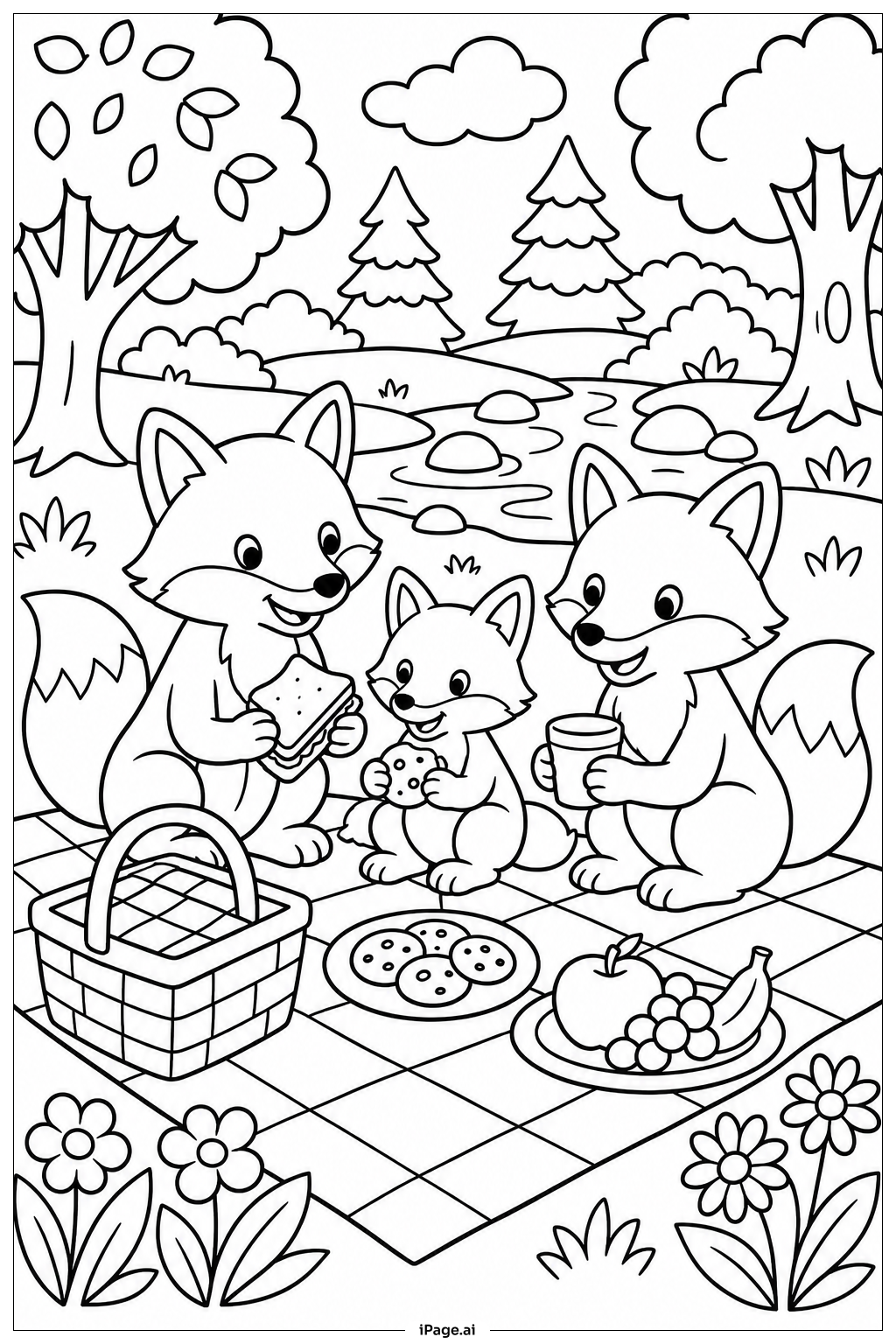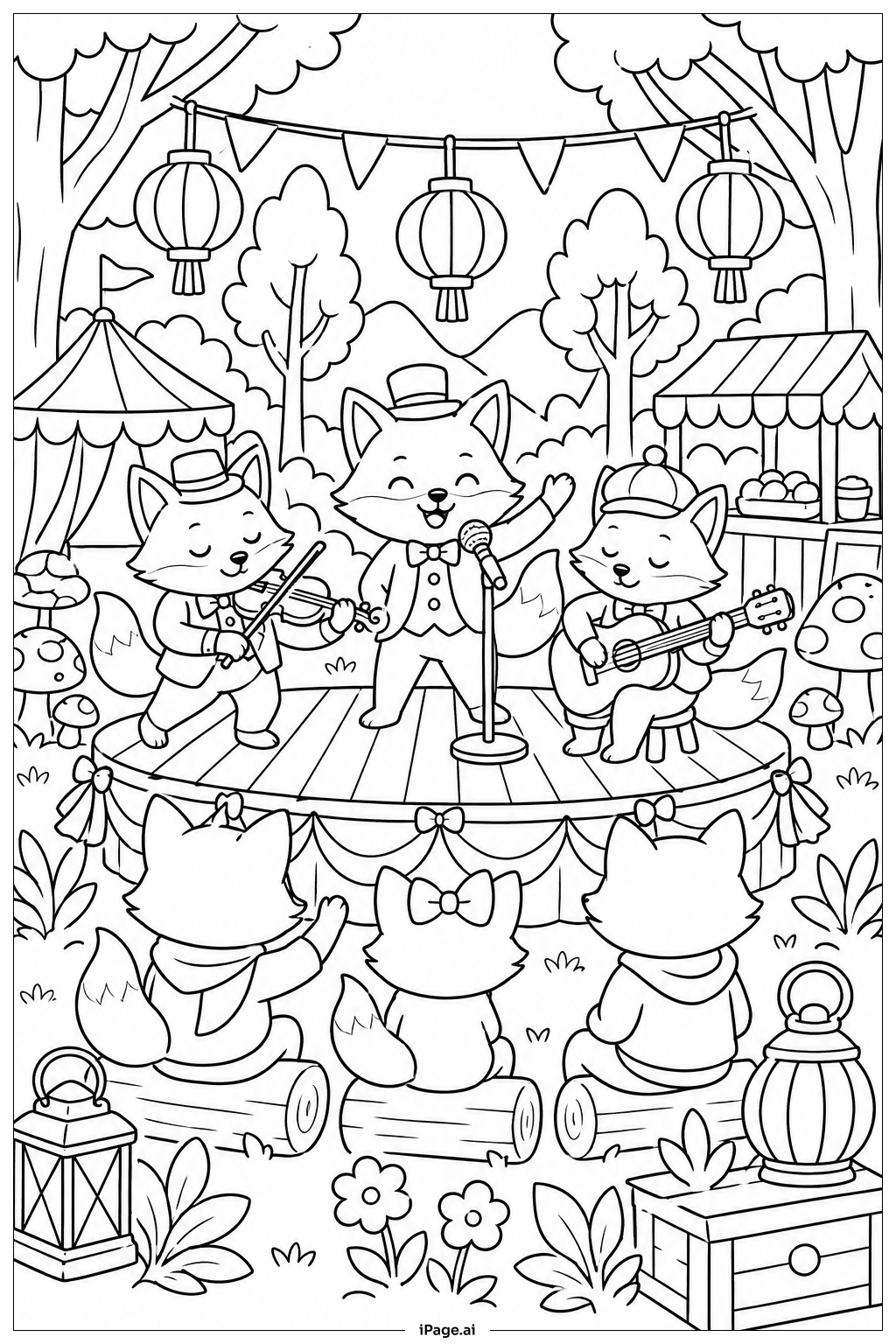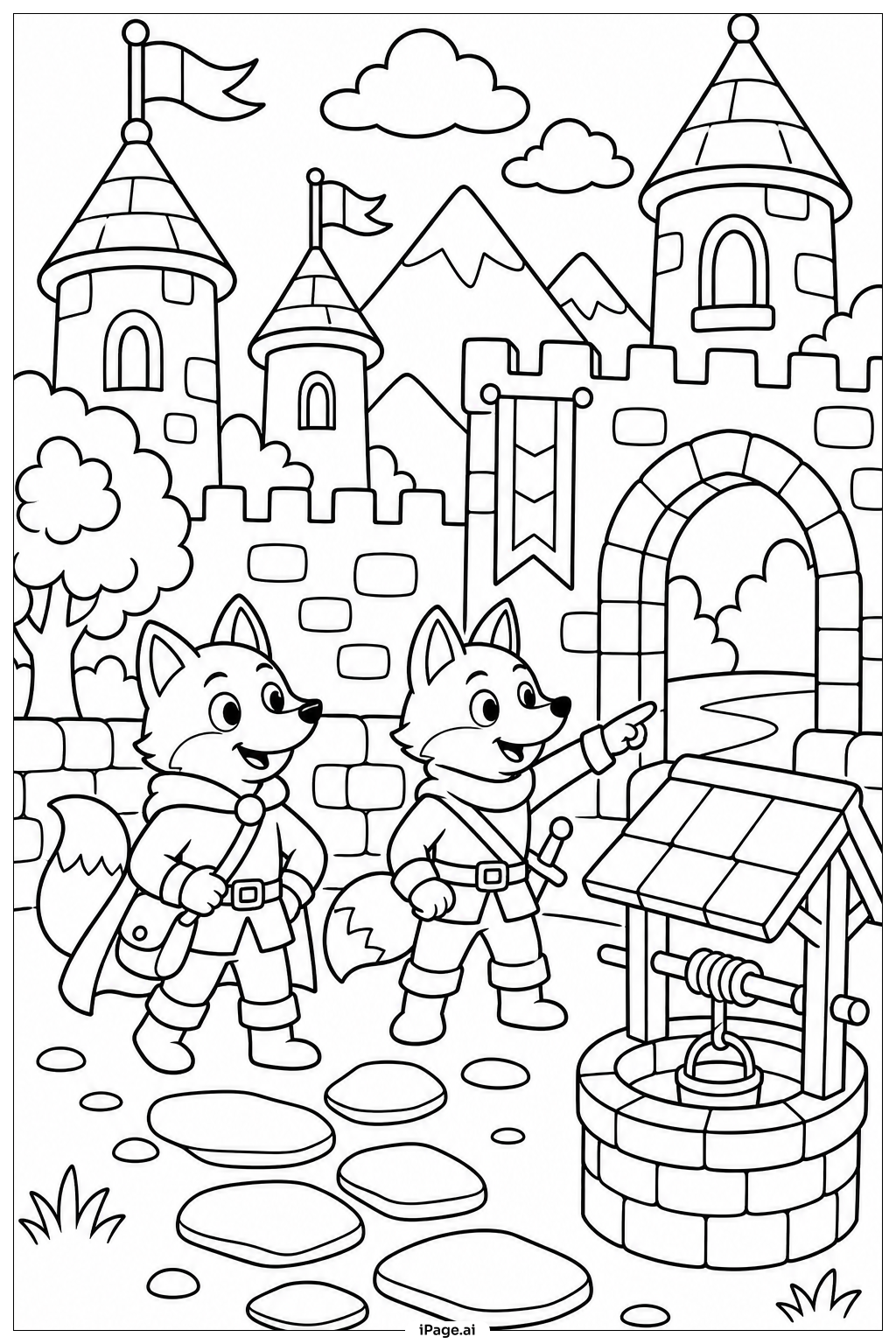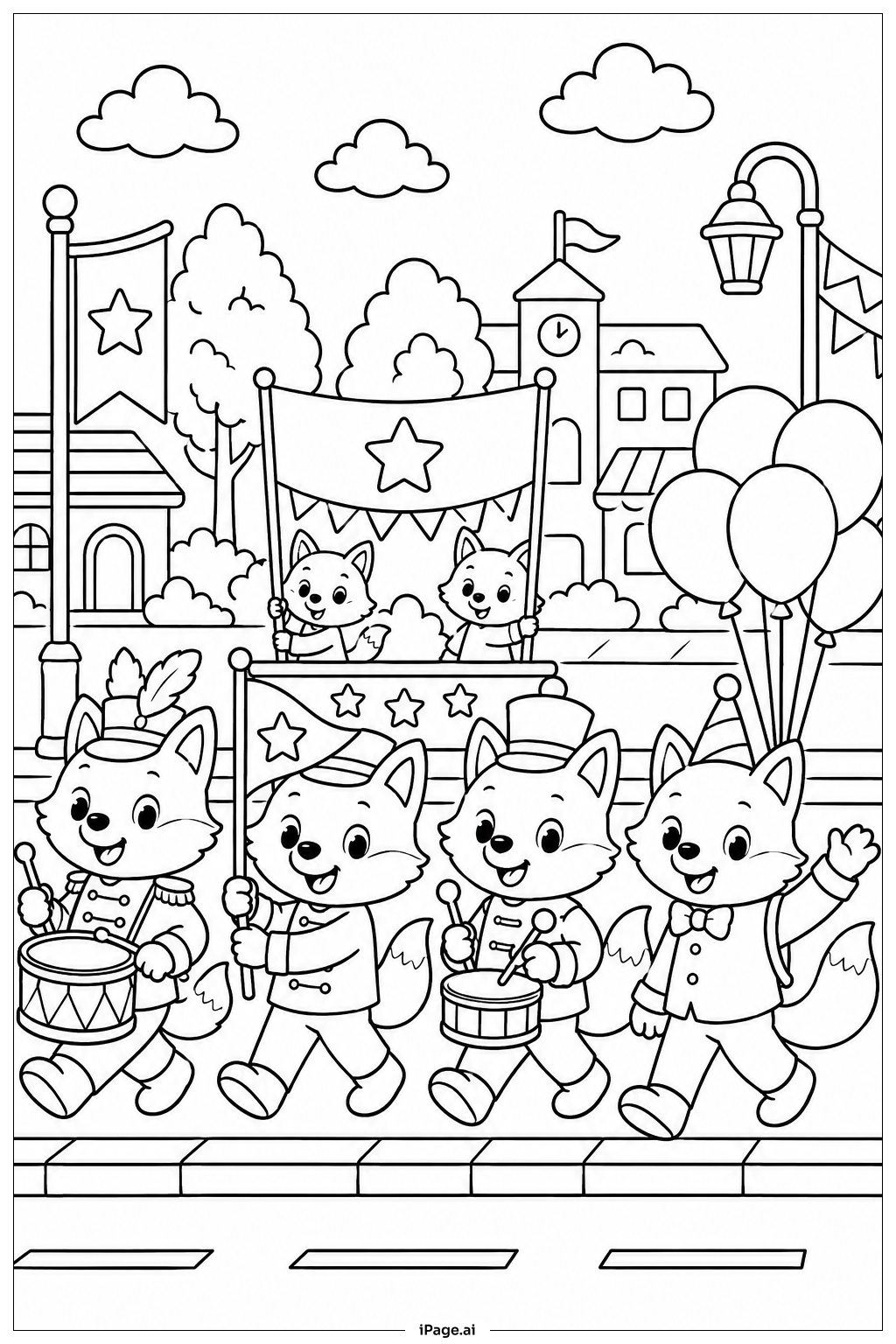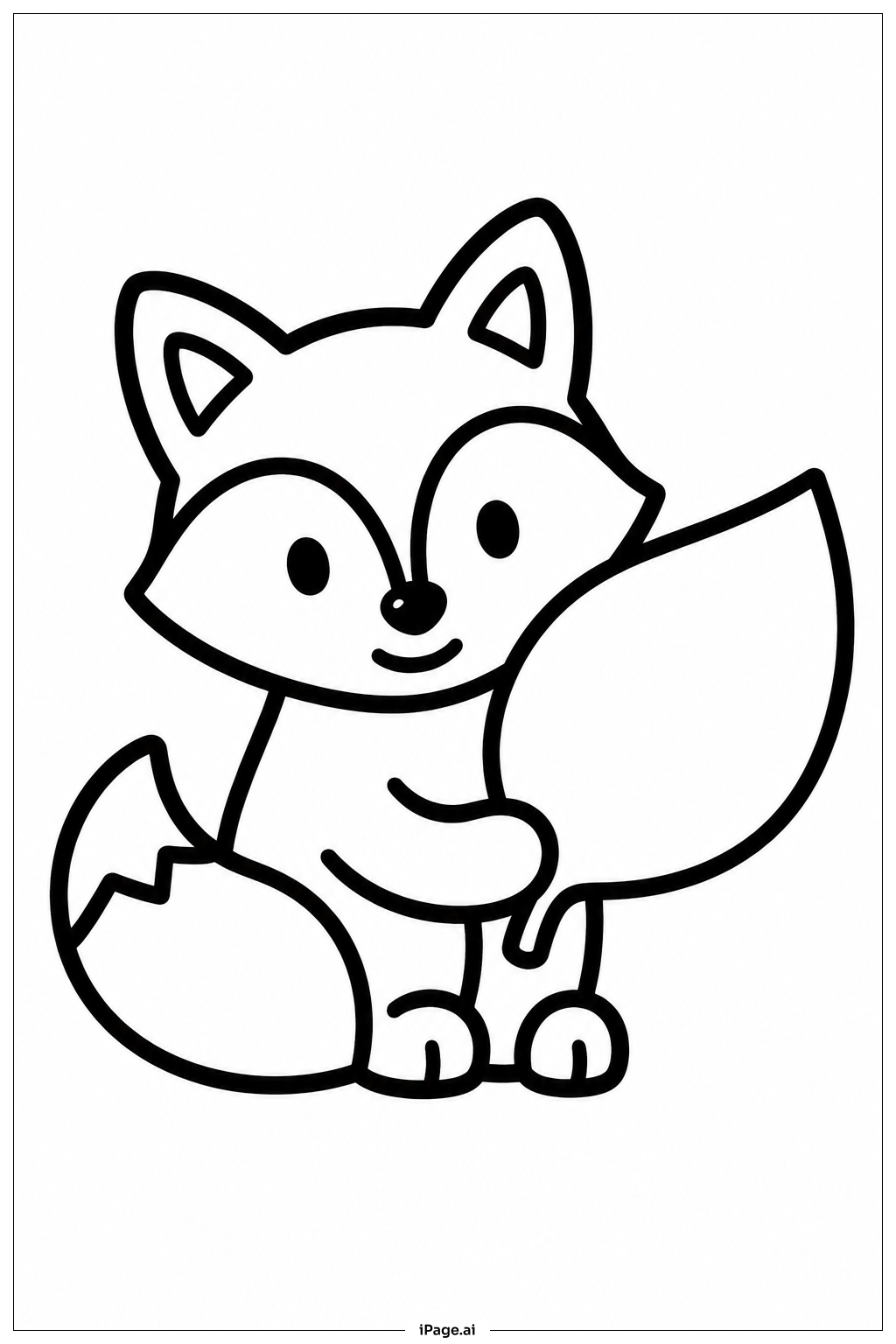
Coloring tips: How to color Fox Holding Leaf coloring page well?
Start with the fox's body before moving to the leaf. Use warm shades of orange and rust for the main fur. Add white or cream to the chest, inner ears, and tail tip. Use a darker brown or deep red for the back and tail base to create depth. Color the nose with a soft pink or dark brown, and fill the eyes with golden amber or dark brown. For the leaf, try bright green or yellow-green for a fresh look, or use warm orange and red tones for a fall-season feel. Add light brown or tan shading along the leaf veins to make them pop. Use a slightly darker shade around the edges of the fox's fur to give a fluffy, three-dimensional look. Younger kids can keep colors simple and bold, while older children can experiment with blending and shading to make the image feel more realistic and lively.
Coloring challenges: Which parts are difficult to color and need attention for Fox Holding Leaf coloring page?
• Fur Texture and Layering: The fox's fur has multiple layers and directional flow across the body, tail, and chest. Capturing this texture requires careful color transitions, using lighter shades at the tips and darker tones at the base. Without blending, the fur can look flat and lifeless, making this one of the trickiest parts of the image.
• Leaf Vein Details: The leaf held by the fox has fine, branching veins spread across its surface. Coloring around these thin lines without smudging or covering them takes patience and a steady hand. Using a fine-tip coloring tool helps preserve the detail and makes the leaf look natural and realistic.
• Small Facial Features: The fox's face includes tiny whiskers, small eyes, and a little nose. These features are closely spaced and require precision. Choosing the wrong color or going outside the lines can easily change the fox's expression. Light, careful strokes work best in this area.
• Color Contrast Between Fox and Leaf: Since the fox is typically orange and the leaf can also be orange in autumn, keeping the two elements visually separate can be challenging. Choosing contrasting colors, such as green or yellow for the leaf versus deep rust for the fox, helps each part stand out clearly.
• Tail Shading: The large, fluffy tail needs gradual shading from dark at the base to light at the tip. Getting this gradient smooth and natural-looking requires blending skills and patience, especially for younger or less experienced colorists.
Benefits of coloring books: Advantages of drawing Fox Holding Leaf coloring page
Coloring this Fox Holding Leaf image brings many great benefits for children and young artists. First, it helps improve fine motor skills as kids carefully fill in the fox's fur, tiny facial features, and detailed leaf veins. These small, precise movements strengthen hand control and coordination. Second, it encourages creativity. Choosing colors for the fox and leaf invites kids to make their own artistic decisions, building confidence and self-expression. Third, it teaches children about nature. The leaf and fox together spark curiosity about animals and the seasons, making learning feel fun and connected to the real world. Fourth, coloring is a calming activity. Focusing on colors and shapes helps children relax, reduce stress, and improve their ability to concentrate. This is especially helpful after a busy school day. Fifth, completing the image gives kids a real sense of achievement. Seeing their finished, colorful fox is rewarding and motivating. Overall, this image is a wonderful, enjoyable activity that supports creativity, learning, and emotional well-being for children of all ages.