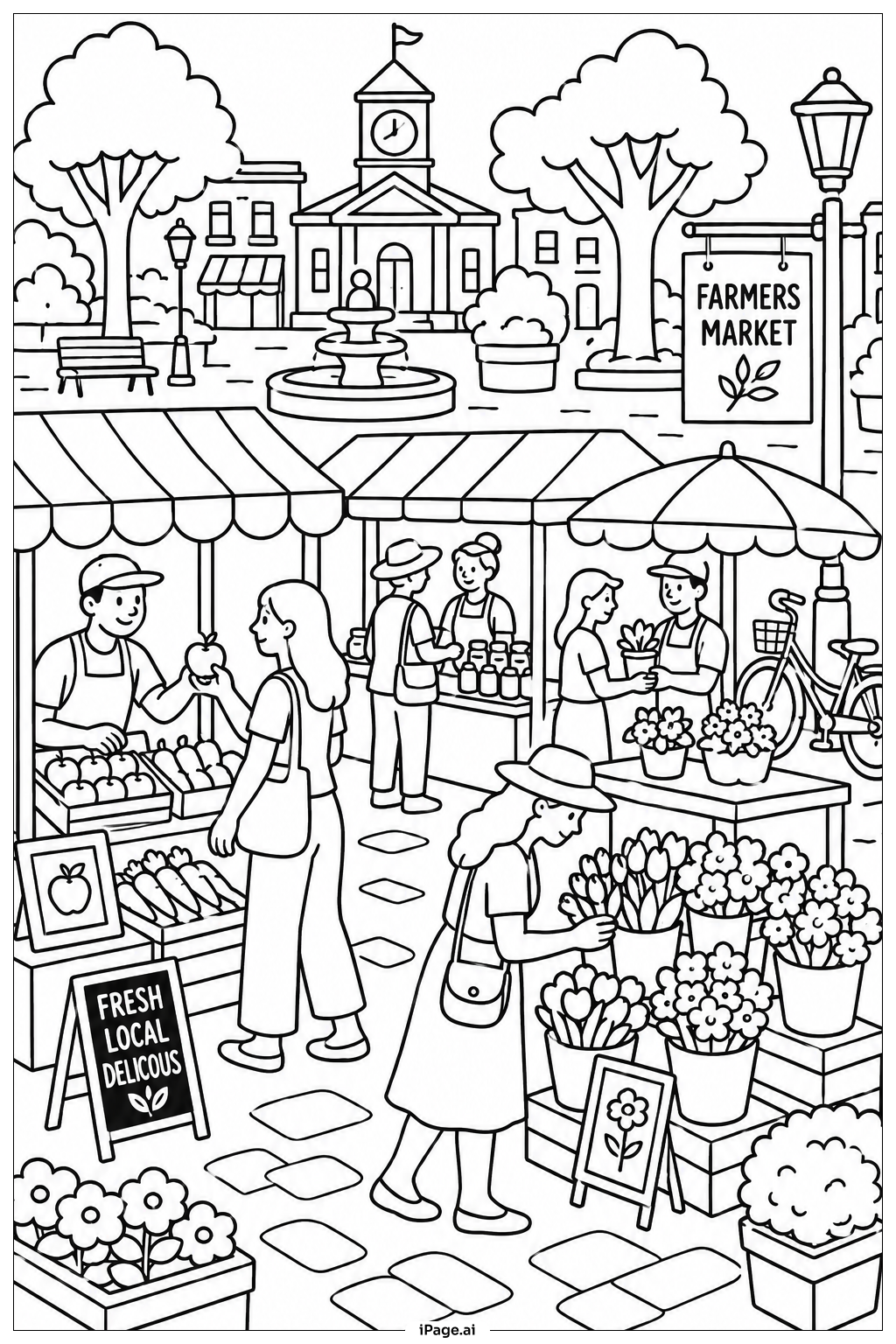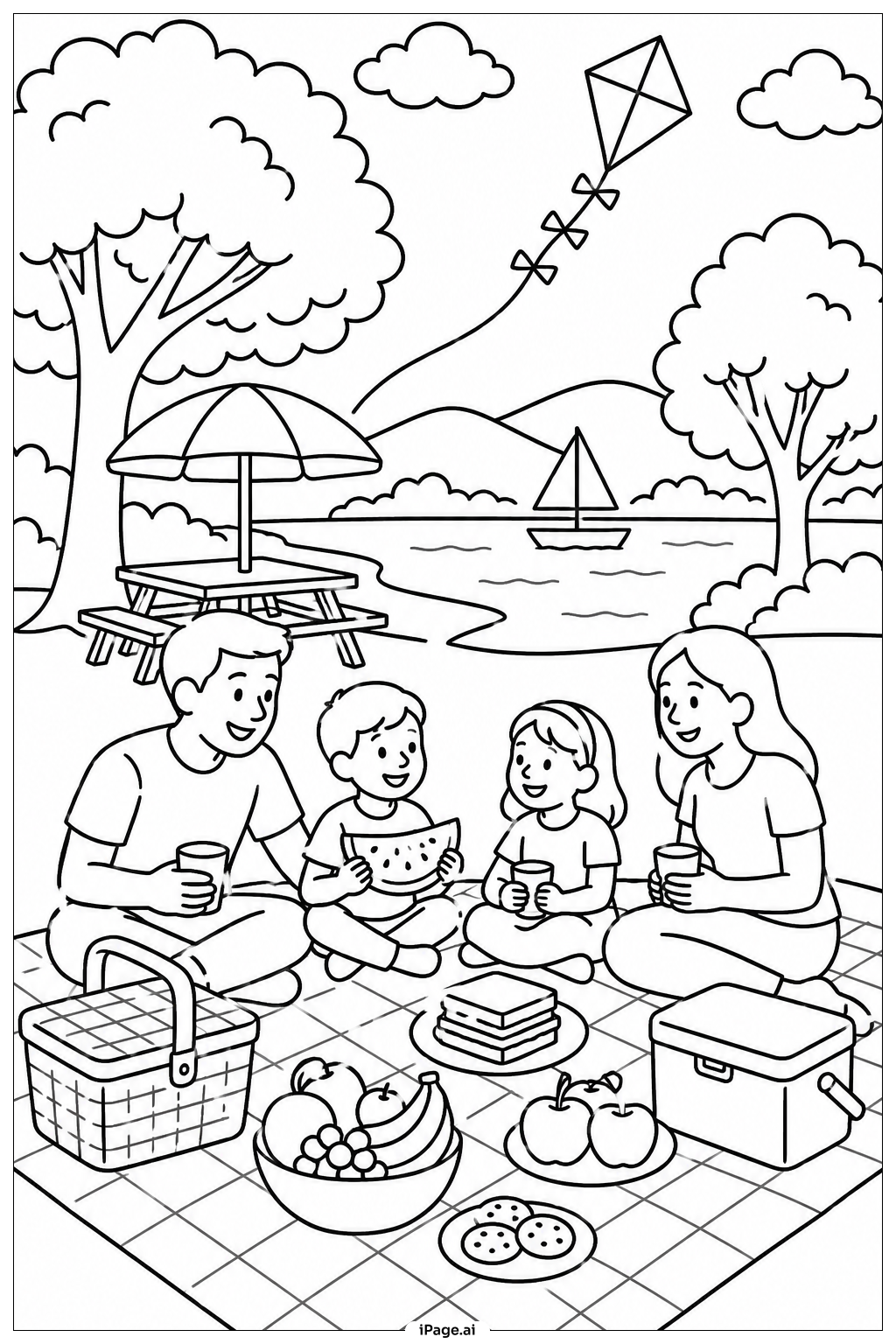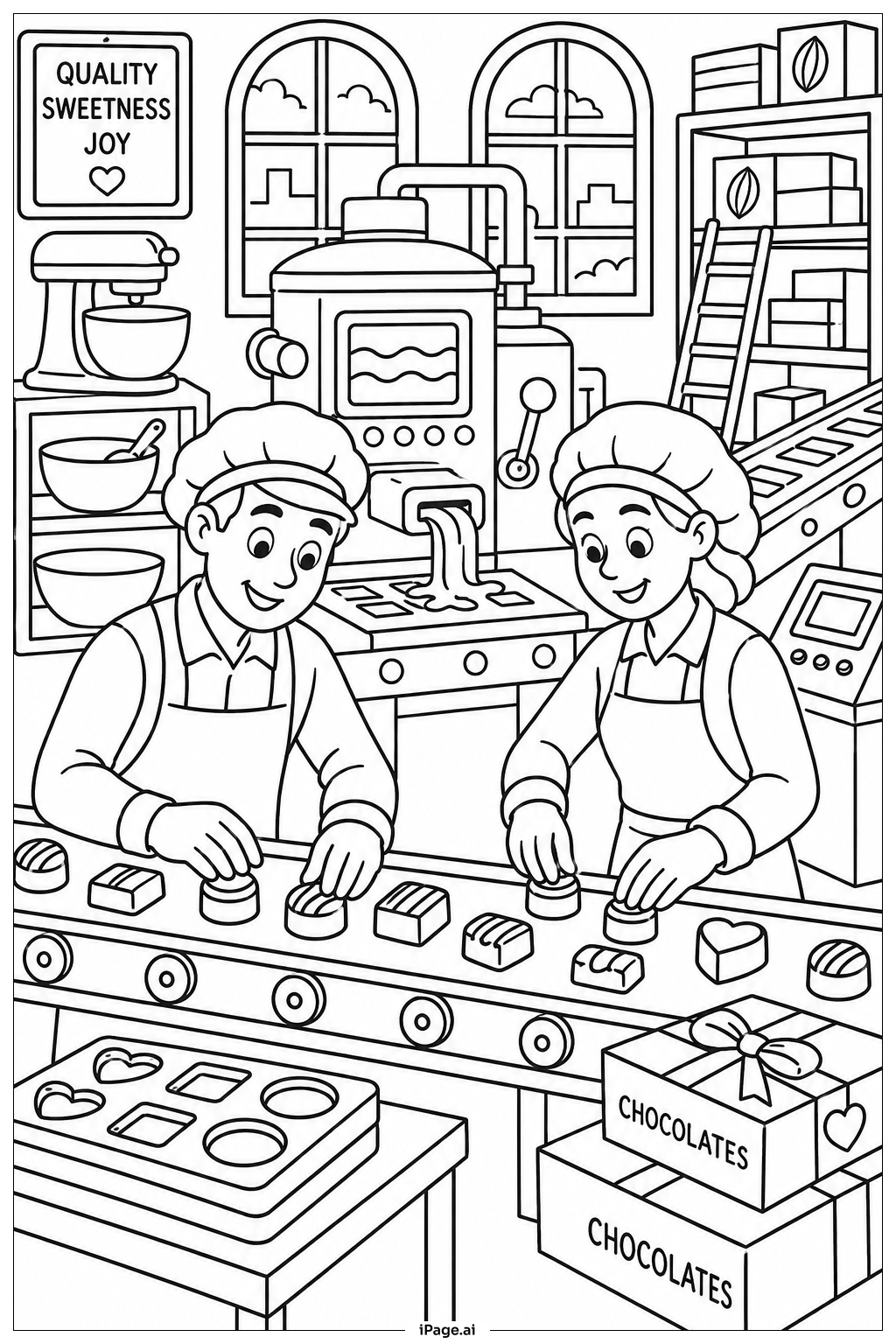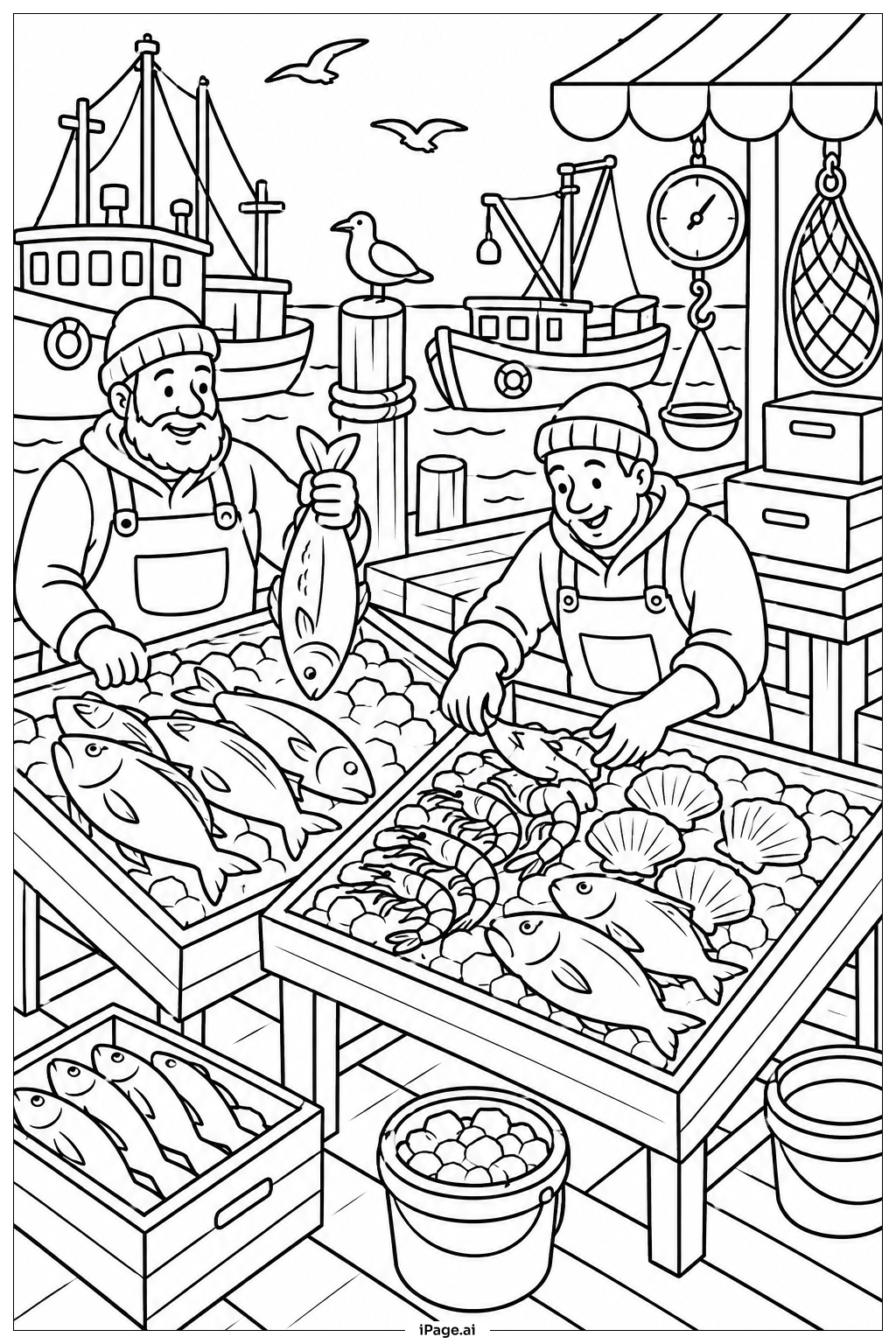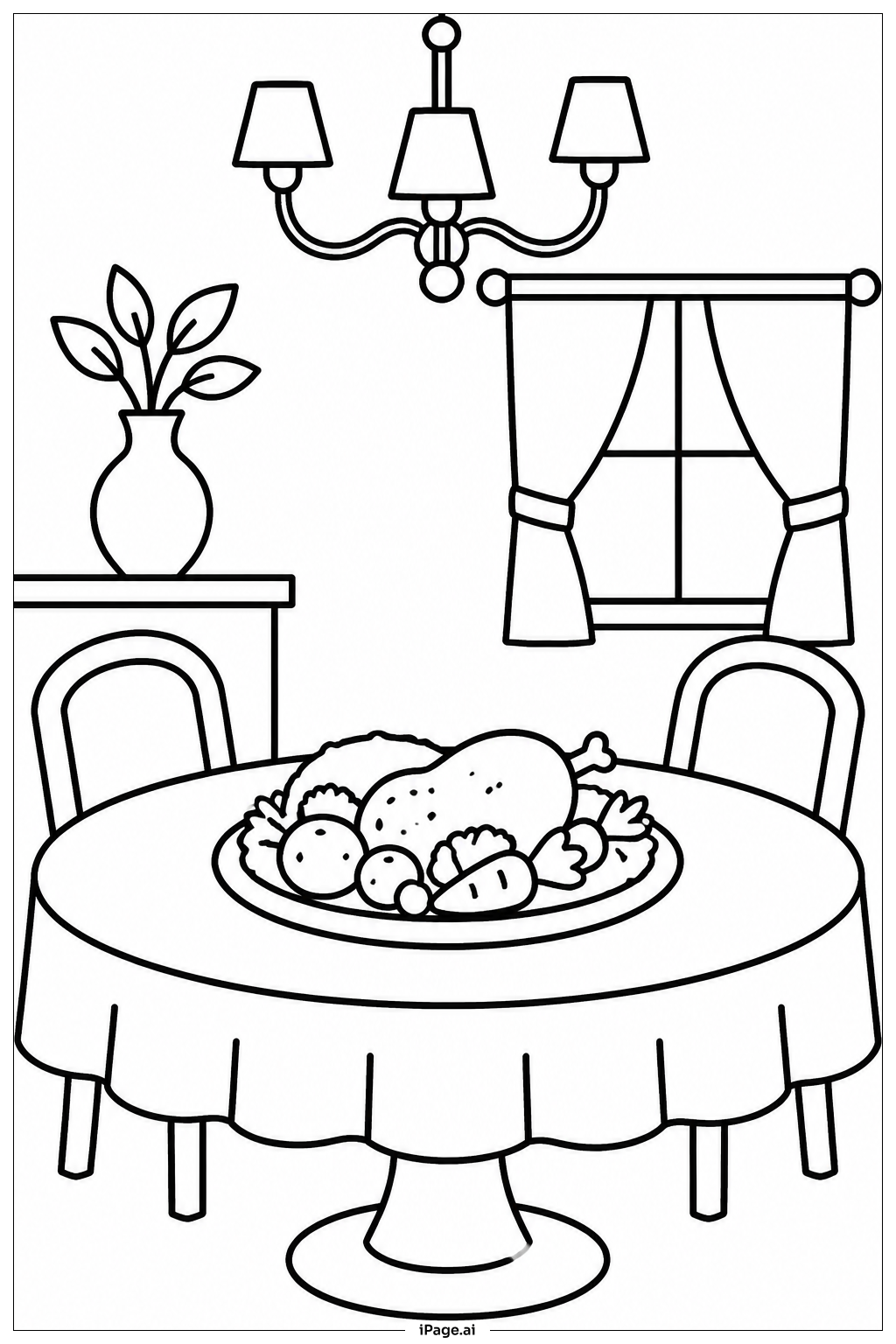
Coloring tips: How to color Dining Table Food Spread coloring page well?
Start with the tablecloth and give it a warm, inviting color like cream, white, or a soft pastel. Use golden brown and warm amber tones for the roasted turkey or chicken to make it look delicious. Color the vegetables and salad in bright greens, reds, and oranges to make them look fresh and healthy. Use yellow and golden shades for bread rolls and pie crust. Give the soup bowl a rich brown or orange color. For fruits, use natural colors like red for apples, yellow for bananas, and purple for grapes. Make the plates and utensils silver or white. Try using warm, cheerful colors throughout to give the whole scene a cozy, festive holiday feel. Do not be afraid to add your own creative touches to the glasses or decorations on the table.
Coloring challenges: Which parts are difficult to color and need attention for Dining Table Food Spread coloring page?
• Intricate Table Setting Details: The table includes many small objects such as forks, knives, spoons, glasses, and plates. These tiny items are placed close together and require careful, precise coloring to avoid going outside the lines. Using a fine-tipped colored pencil or marker is strongly recommended for these areas.
• Wide Variety of Food Items: The spread contains many different types of food, each needing its own distinct and realistic color. Keeping track of which color belongs to each food item can be challenging, especially when similar-looking dishes are placed next to each other. Planning your color choices before you begin can help a lot.
• Overlapping Objects: Many items on the table overlap or sit very close to one another, such as bowls next to platters or bread beside the main dish. Coloring these overlapping areas without accidentally mixing or smearing colors onto neighboring items takes patience and a steady hand.
• Achieving Depth and Texture: Foods like the roasted turkey, pie crust, and bread rolls look most realistic when shaded with multiple tones of the same color. Adding light and dark areas to these items creates a three-dimensional, textured appearance, but this technique can be tricky for younger colorists.
• Background and Table Surface Balance: Making the table surface and the background look distinct without overpowering the food spread is a visual challenge. Choosing subtle, neutral tones for the table and background helps the colorful food items stand out beautifully as the main focus of the scene.
Benefits of coloring books: Advantages of drawing Dining Table Food Spread coloring page
Coloring this Dining Table Food Spread page offers many wonderful benefits for children and young learners. First, it helps develop fine motor skills. Carefully coloring small details like utensils and tiny food items strengthens hand muscles and improves pencil control, which also supports handwriting. Second, it encourages creativity. Choosing colors for different foods lets kids express their imagination and make the scene uniquely their own. Third, it builds focus and patience. A busy, detailed scene like a full dinner table requires concentration and the ability to work slowly and carefully, which are valuable life skills. Fourth, it teaches children about food and healthy eating. Seeing a variety of fruits, vegetables, proteins, and grains all on one table naturally sparks curiosity about nutrition and different types of meals. Fifth, the theme of a shared family meal promotes social and emotional awareness. It connects children to feelings of togetherness, celebration, and gratitude. Finally, completing a detailed coloring page gives kids a real sense of accomplishment and boosts their confidence. It is a relaxing, screen-free activity that brings joy and calm to children of all ages.