Coloring tips: How to color Easter Tulip Single coloring page well?
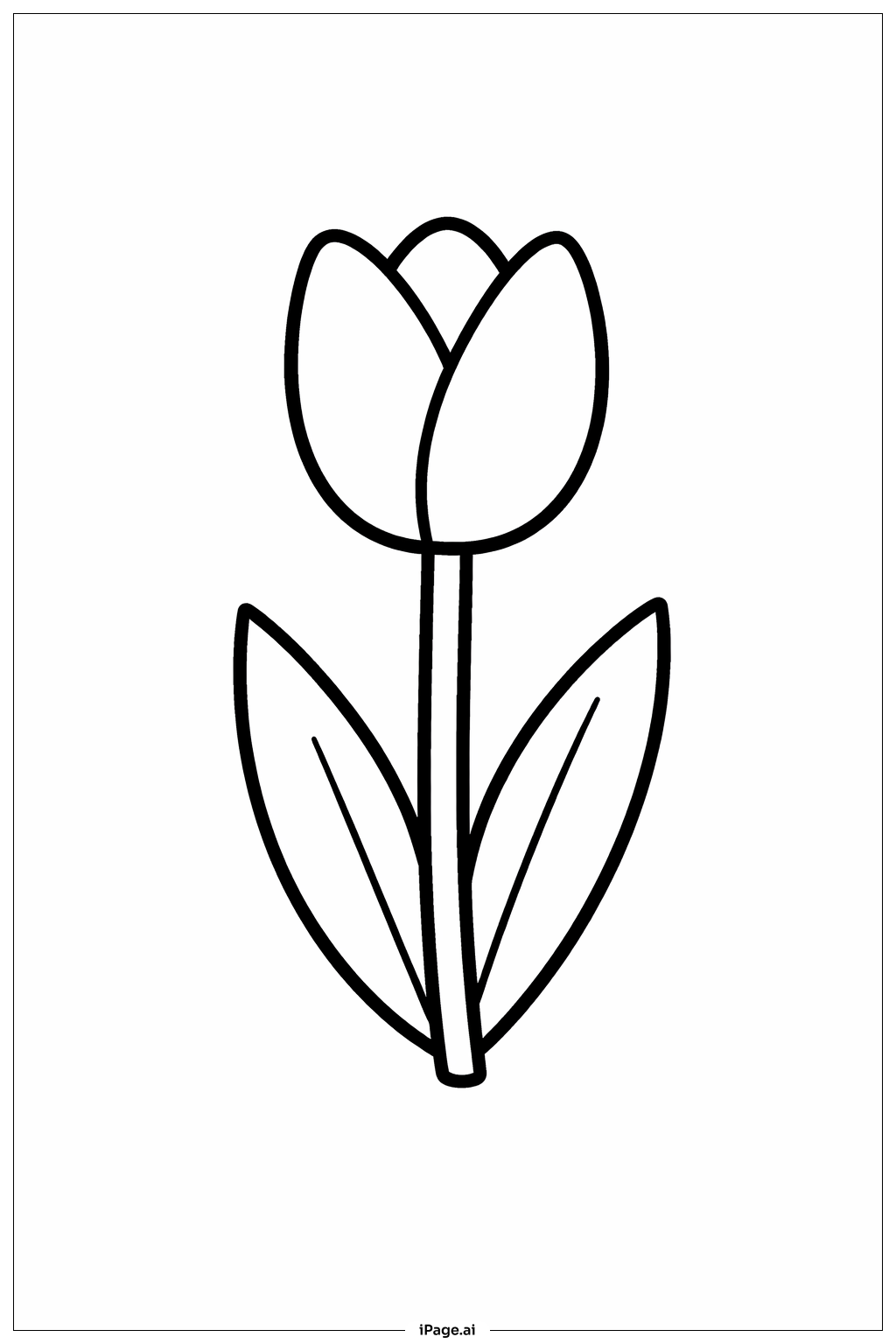
For this Easter tulip, consider using vibrant spring colors that capture the season's beauty. The petals can be colored in traditional Easter shades like soft pink, cheerful yellow, bright red, or classic purple. You might also try pastel tones such as lavender, peach, or baby pink for a gentle Easter look. The stem should be colored in various shades of green, from light lime to deeper forest green, to create depth. Use a lighter green for the leaves and add darker green along the edges and veins to make them look more realistic. Consider adding subtle shading by pressing harder with your coloring tool near the base of each petal and lighter at the tips. You can even create a gradient effect by blending two colors within the petals. For an extra festive touch, try unconventional colors like orange or coral to make your tulip unique and eye-catching.
Coloring challenges: Which parts are difficult to color and need attention for Easter Tulip Single coloring page?
• Petal Shading and Dimension: The tulip petals present a challenge in creating realistic depth and three-dimensional appearance. Colorists need to understand where light naturally hits the flower and where shadows form. The curved nature of tulip petals means the center is typically darker while the edges catch more light. Achieving smooth color transitions without harsh lines requires patience and careful blending techniques, especially when working with crayons or colored pencils.
• Leaf Veining Details: The leaves contain delicate vein patterns that require precision and a steady hand. Coloring these thin lines without going outside the boundaries can be tricky for younger children. The challenge lies in making the veins visible enough to add realism while keeping them subtle so they do not overpower the overall leaf color. Using slightly darker or lighter shades of green for the veins compared to the base leaf color requires planning and color coordination.
• Stem Curvature and Consistency: Maintaining consistent color along the curved stem while suggesting its cylindrical form presents a technical challenge. The stem needs highlighting on one side to show where light hits and darker shading on the opposite side to create roundness. Keeping the color even and smooth along the entire length without streaks or patches requires careful control of coloring pressure and direction.
• Color Coordination and Harmony: Selecting colors that work well together for the different parts of the tulip requires an understanding of color theory. The flower, stem, and leaves all need complementary colors that create a harmonious and pleasing overall composition while still allowing each element to stand out distinctly from the others.
Benefits of coloring books: Advantages of drawing Easter Tulip Single coloring page
Coloring this Easter tulip offers wonderful benefits for children and adults alike. It helps develop fine motor skills and hand-eye coordination as you carefully fill in the petals, stem, and leaves while staying within the lines. This activity promotes concentration and focus, providing a calming effect that reduces stress and anxiety, making it perfect for mindful relaxation. The simple yet elegant design builds confidence in younger colorists while still offering enough detail to keep older children and adults engaged. Learning about color mixing and shading techniques through the petals and leaves encourages creativity and artistic expression. This Easter-themed image also connects colorists with the joy of spring and holiday traditions, creating positive associations with seasonal celebrations. The act of completing this beautiful tulip provides a sense of accomplishment and pride. Additionally, coloring can be a wonderful social activity when done with family or friends during Easter gatherings, fostering connection and shared creative experiences.