Coloring tips: How to color Easter Chick Hatch coloring page well?
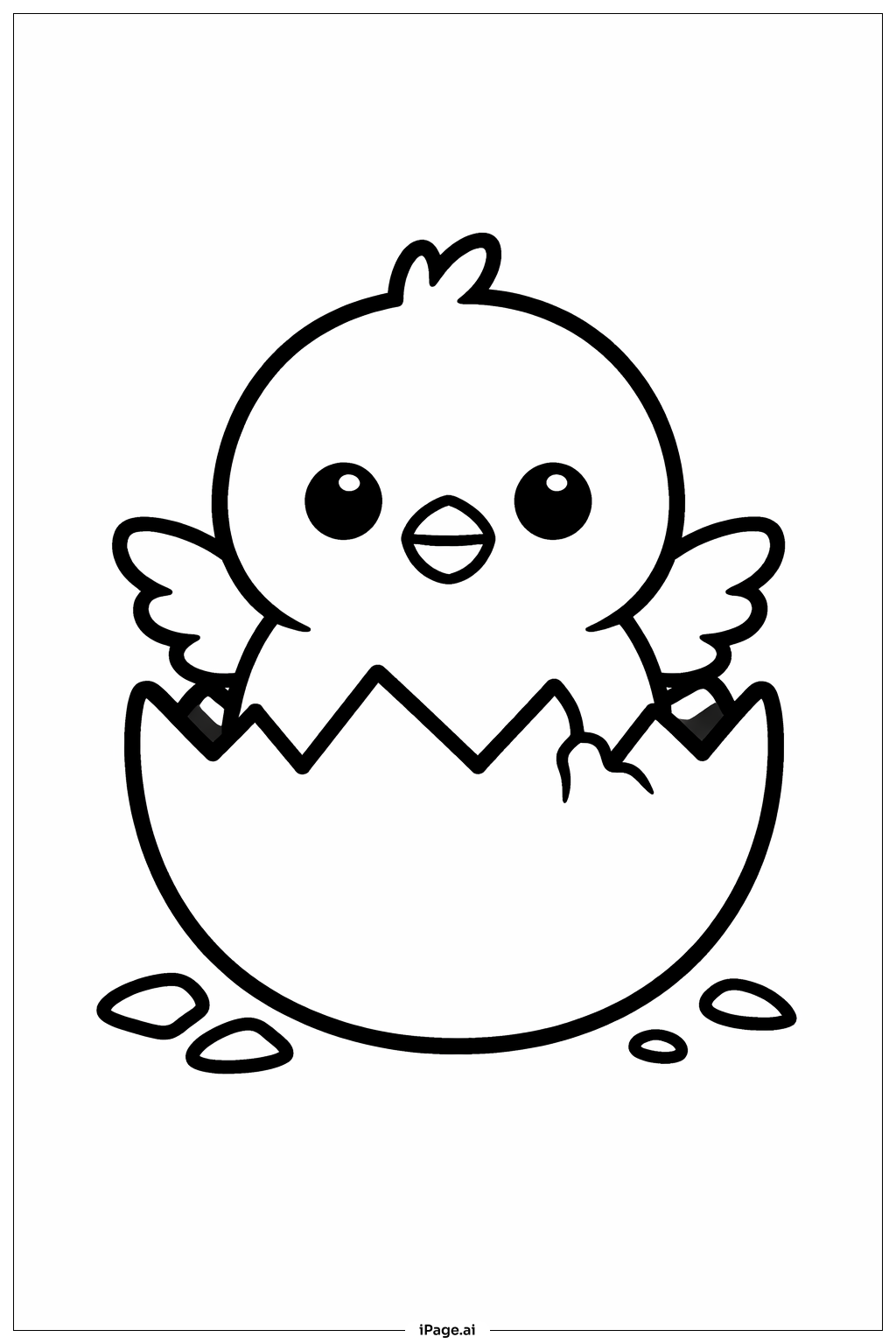
Start with the baby chick. Use bright yellow or golden yellow for its fluffy body to make it look soft and warm. Add a touch of orange or light brown at the tips of the feathers for depth. Color the beak and feet in orange or peach. Use light pink or coral for the inside of the open beak. For the eggshell, try white, cream, or light pastel colors like mint green, lavender, or baby blue — classic Easter shades work perfectly. Add soft shadows inside the cracked shell using a slightly darker tone. Color the surrounding grass in two or three shades of green to give it a natural, lush look. Fill in any flowers with bright spring colors such as yellow, pink, and purple. Keep the overall palette light and cheerful to capture the fresh, happy feeling of Easter morning. Younger kids can stick to simple flat colors, while older kids can try blending and shading for a more realistic effect.
Coloring challenges: Which parts are difficult to color and need attention for Easter Chick Hatch coloring page?
• Chick Feather Texture: The fluffy, downy feathers of the baby chick can be tricky to color realistically. Simply filling in a flat yellow may look too plain. To capture that soft, fuzzy look, try layering two or three shades of yellow, using light strokes that follow the direction of the feathers. Adding a warm orange or golden brown at the edges helps create depth and dimension without losing the chick's cute, fluffy appearance.
• Eggshell Cracking Details: The broken eggshell has jagged, uneven edges and curved inner surfaces that can be challenging to color neatly. The inside of the shell is typically darker or slightly shadowed compared to the outer surface. Carefully using a darker shade of your chosen egg color along the inner edges and cracks will add a realistic three-dimensional feel. Take your time around the small shell fragments to stay within the lines.
• Small Facial Features: The chick's face includes tiny details — small round eyes, a little beak, and delicate expressions. These features are very small and require careful, controlled coloring. Using a fine-tipped colored pencil or marker is strongly recommended. Leaving a tiny white highlight in each eye can make the chick look bright and lively.
• Background Grass and Flowers: The surrounding grass blades and small spring flowers have many thin, overlapping lines. Switching between two or three green shades for the grass prevents it from looking flat. For the flowers, using complementary colors — such as purple petals with a yellow center — makes them pop against the green background without overwhelming the main subject.
Benefits of coloring books: Advantages of drawing Easter Chick Hatch coloring page
Coloring this Easter Chick Hatch page offers a wonderful range of benefits for children of all ages. First, it helps build fine motor skills. Carefully coloring small details like the chick's beak, eyes, and cracked eggshell trains little hands to move with control and precision — skills that support writing and everyday tasks. Second, it encourages creativity. Choosing colors for the chick, egg, and spring background lets kids express their own artistic vision. There are no wrong choices, and that freedom builds confidence. Third, it teaches focus and patience. Staying within the lines and layering colors requires concentration, helping children practice sitting still and completing a task from start to finish. Fourth, it introduces seasonal and nature-based learning. The image connects kids to the idea of new life, growth, and the meaning of Easter in a fun, visual way. Finally, coloring is a calming activity. It reduces stress and provides a quiet, screen-free outlet that is both enjoyable and productive. Whether done solo or with family, this page turns a simple coloring session into a meaningful Easter moment.