Coloring tips: How to color Easter Butterfly Large coloring page well?
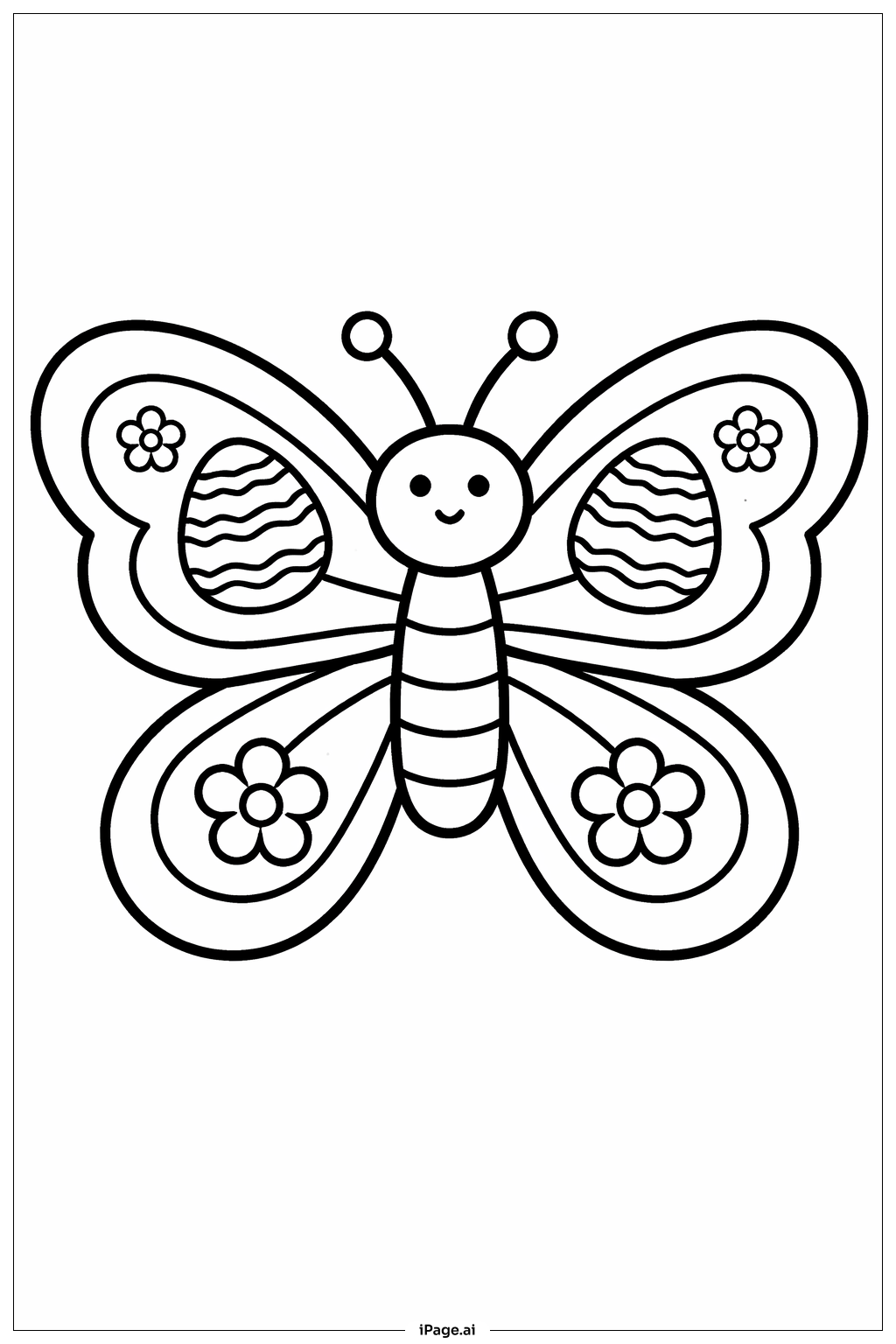
Start with the Easter eggs using traditional spring colors like pastel pink, soft yellow, light blue, and gentle lavender. You can add patterns like stripes, dots, or zigzags to make each egg unique. For the butterfly wings, consider using bright, cheerful colors such as orange, yellow, pink, or purple. Create a gradient effect by blending lighter shades at the wing edges into darker tones near the body. The butterfly's body can be colored in brown, black, or deep purple for contrast. Try outlining the wing patterns with darker shades to make the details pop. Add metallic markers or glitter pens for special sparkle on the eggs and wing edges. Consider using complementary colors on opposite wings to create stunning symmetry. Background areas between the wings can be left white or filled with soft pastel shades to enhance the Easter spring feeling.
Coloring challenges: Which parts are difficult to color and need attention for Easter Butterfly Large coloring page?
• Wing Symmetry Challenge: Keeping both wings colored identically or in a balanced way requires careful attention and planning. Children need to remember which colors they used on one side to match the other side accurately, which develops visual memory and planning skills.
• Small Detailed Sections: The intricate patterns within the butterfly wings contain many small segments and curved shapes that require precision coloring. Staying within these narrow boundaries can be challenging for younger children and requires steady hand control and fine motor coordination.
• Easter Egg Decoration Choices: With multiple eggs featured in the design, deciding on different patterns and color combinations for each egg while maintaining overall harmony can be overwhelming. This requires creative decision-making and understanding of color relationships to avoid visual clutter.
• Layered Pattern Complexity: The overlapping elements where butterfly wings meet Easter eggs create areas where different patterns intersect. Coloring these sections without colors bleeding together or losing definition requires patience and careful technique, especially when using markers or wet media.
• Color Balance Coordination: Selecting a cohesive color palette that works for both the naturalistic butterfly and the decorative Easter eggs presents a unique challenge. Children must balance realistic butterfly colors with festive Easter pastels while ensuring the entire image looks unified and pleasing.
Benefits of coloring books: Advantages of drawing Easter Butterfly Large coloring page
Coloring this Easter butterfly design offers wonderful developmental benefits for children. It strengthens fine motor skills and hand-eye coordination through careful coloring of detailed wing patterns and small egg shapes. The symmetrical butterfly structure teaches children about balance and patterns in nature while encouraging attention to detail. Working with the Easter theme sparks creativity as children imagine color combinations and decorative patterns for the eggs. This activity promotes focus and concentration, helping children practice staying engaged with a task until completion. The seasonal theme connects children to spring celebrations and cultural traditions, making learning meaningful. Choosing and applying colors develops decision-making skills and artistic confidence. The satisfying process of transforming the outline into a colorful masterpiece boosts self-esteem and provides a sense of accomplishment. This calming activity also reduces stress and anxiety, offering a peaceful creative outlet during busy holiday seasons.