Coloring tips: How to color Victorian Easter Egg Display coloring page well?
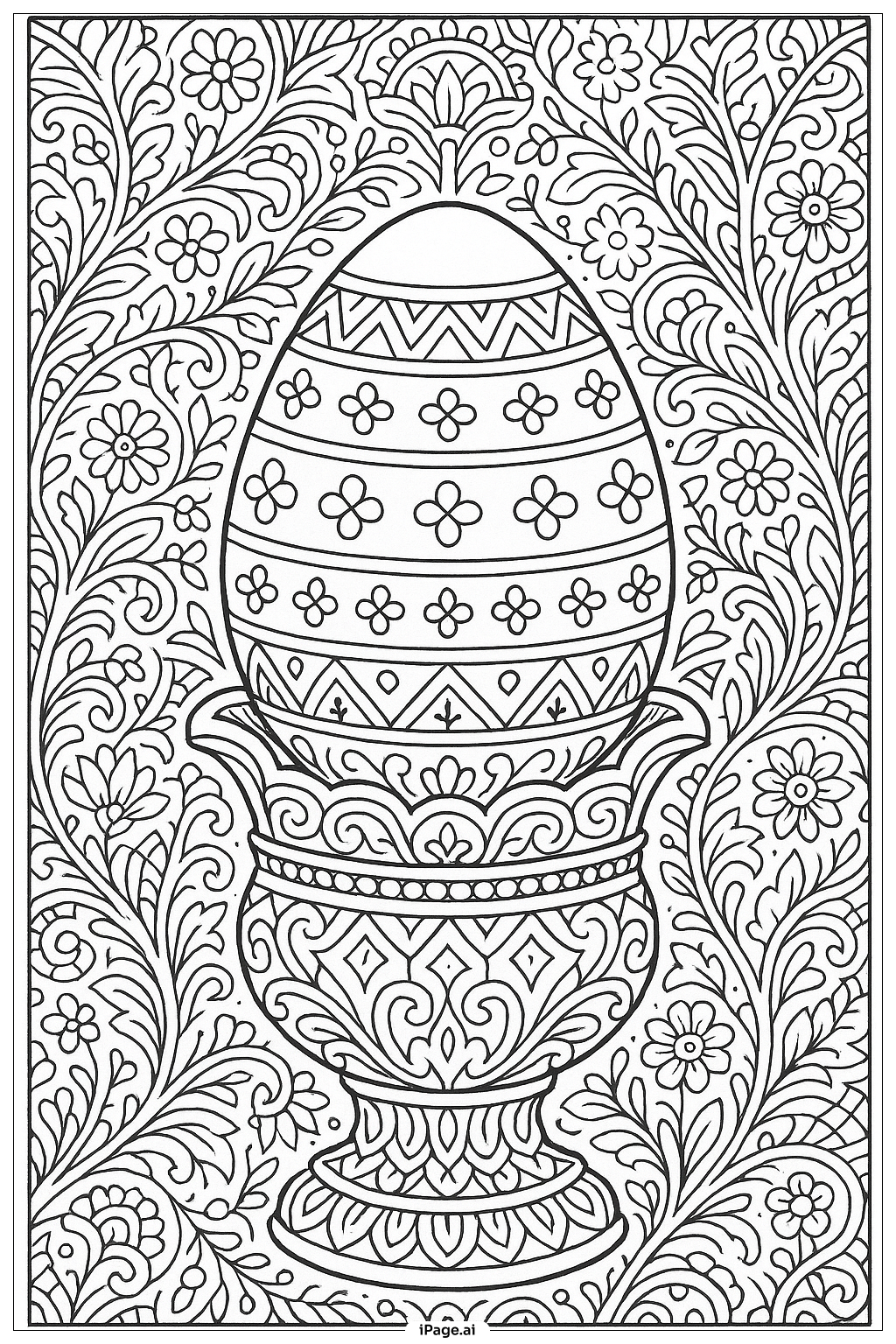
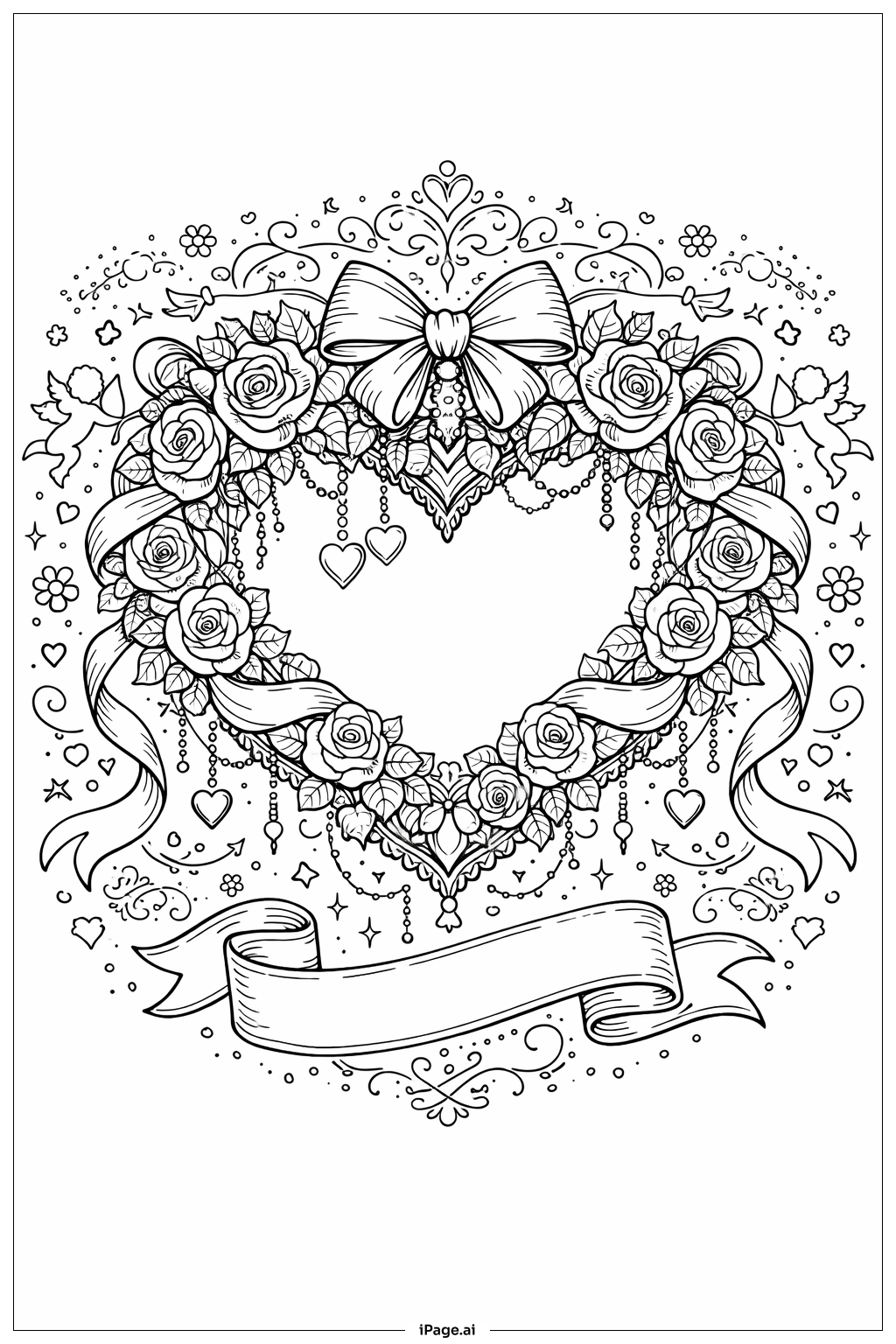
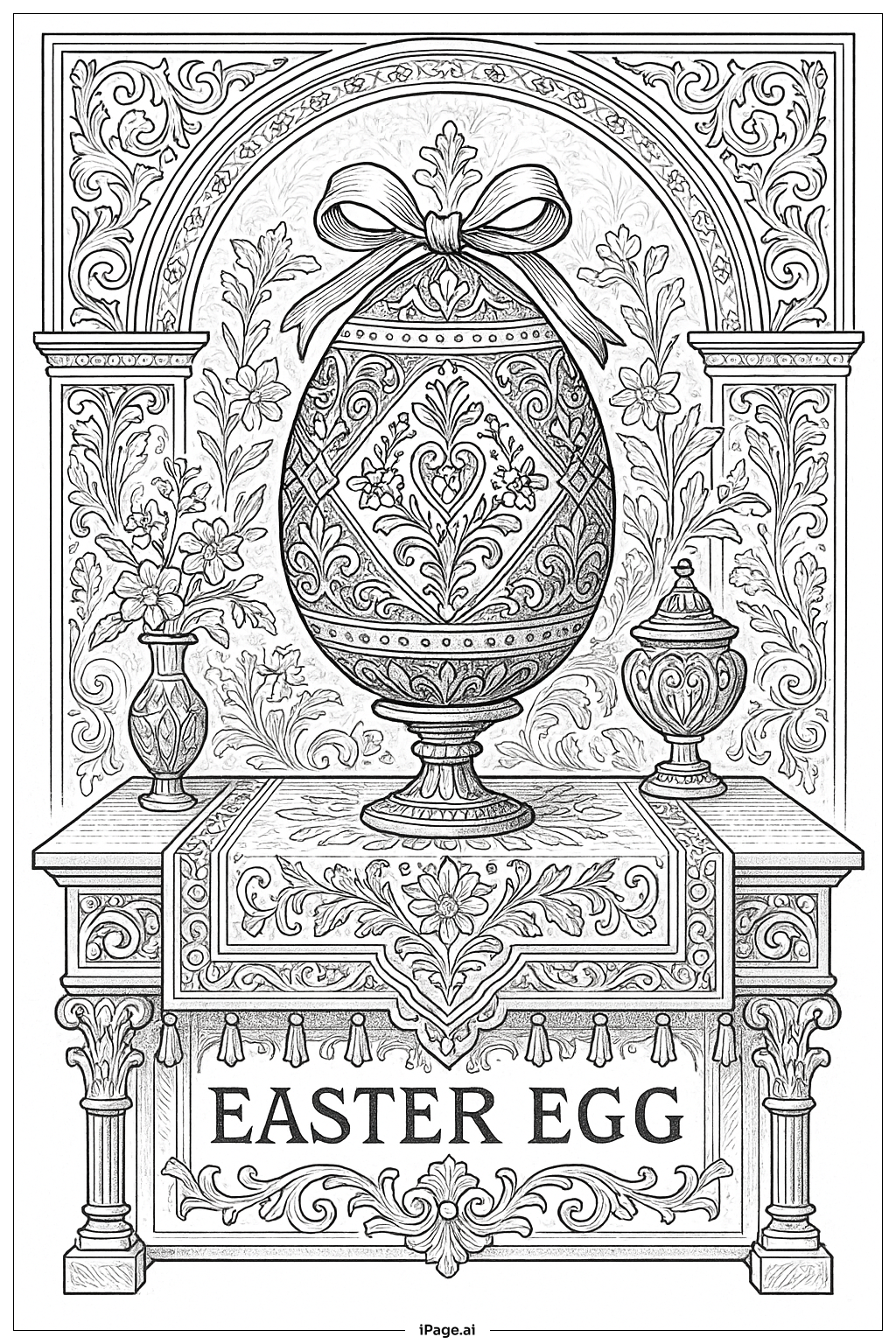
Use soft pastel colors like light pink, baby blue, and pale yellow for the flowers and bow on the Easter egg. Try gold, bronze, or silver tones for the egg’s details to make it look shiny. For the vases, choose colors that match the flowers inside them. The table and cloth can be colored with warm colors such as beige, cream, or light brown. Use green shades for the leaves and plants in the background. Coloring small details carefully will make the image look very pretty.
Coloring challenges: Which parts are difficult to color and need attention for Victorian Easter Egg Display coloring page?
1. The Easter egg has many small, intricate patterns, which can be hard to color inside the lines. 2. The flowers and leaves have tiny details that need careful coloring to avoid mixing colors. 3. The background has lots of curls and swirls that may be tricky to color without going outside the lines. 4. The tablecloth has complex designs that require attention to detail and patience. 5. Balancing colors across the whole image can be challenging to keep it beautiful and not messy.
Benefits of coloring books: Advantages of drawing Victorian Easter Egg Display coloring page
Coloring this detailed Easter egg display helps improve hand-eye coordination and fine motor skills. It teaches patience and attention to small details. Choosing colors and shading encourages creativity and color recognition. The image’s classic design can inspire interest in Victorian art. Completing this page gives a sense of accomplishment and pride.