Coloring tips: How to color Striped Easter Egg coloring page well?
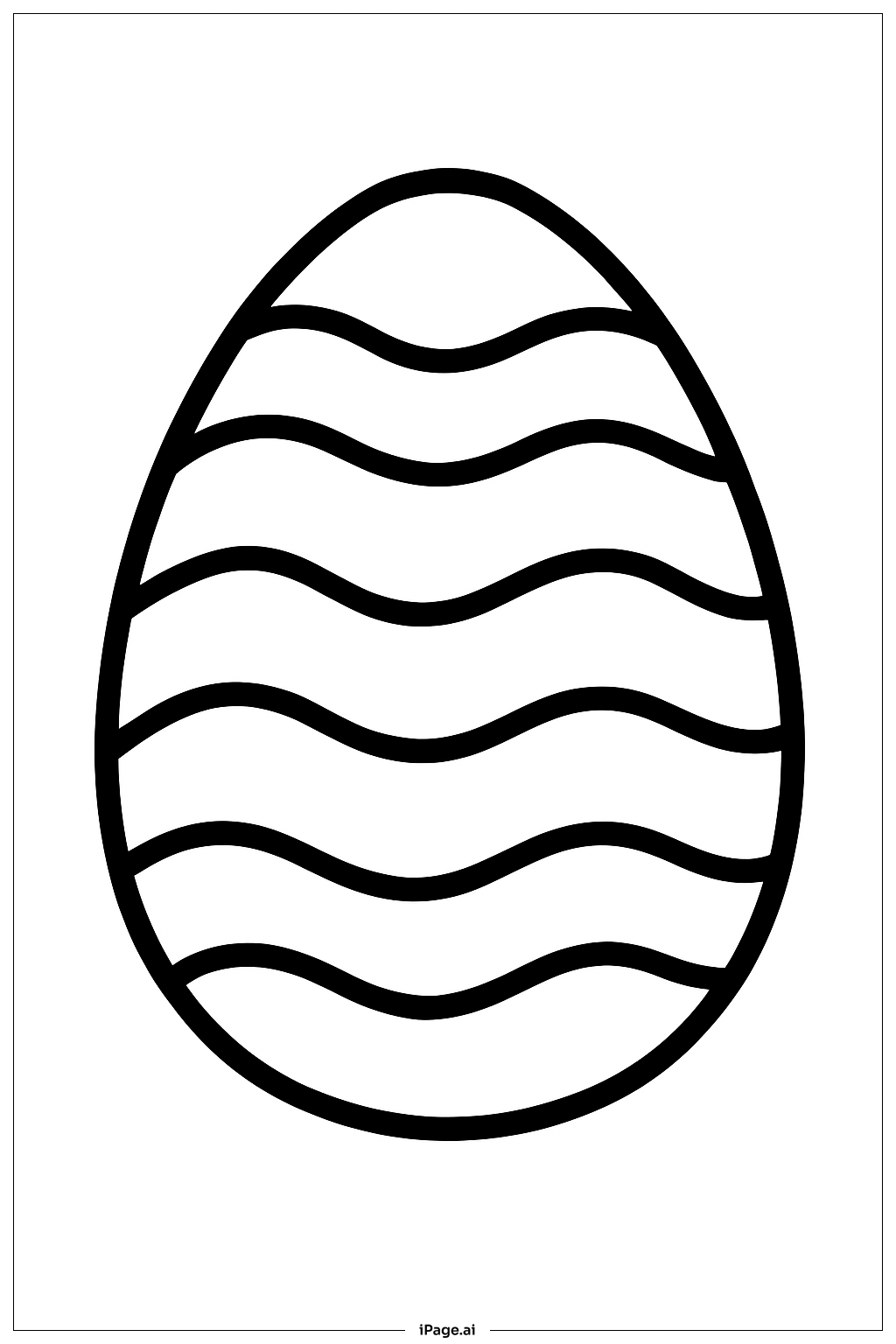
Try coloring each wavy stripe with a different bright and cheerful color like red, yellow, blue, green, or pink. You can use crayons, markers, or colored pencils to fill in the stripes neatly. Consider using darker shades for the edges of the stripes to give them depth. For the spaces between the stripes, you can use lighter or pastel colors to make the stripes stand out more. Experiment with blending two colors within one stripe for a gradient effect. Keep your coloring inside the lines to make the egg look tidy and beautiful. Have fun mixing warm colors like orange and red with cool colors like blue and purple!
Coloring challenges: Which parts are difficult to color and need attention for Striped Easter Egg coloring page?
1. Keeping colors inside the wavy stripes can be tricky because the lines curve a lot. It needs steady hand control.
2. Choosing colors that look good together might be hard since there are several stripes close to each other.
3. Filling the uneven spaces of the wavy stripes evenly without leaving blank parts requires patience.
4. Adding shading or depth to the stripes can be difficult for younger children who are new to coloring.
5. Balancing colors so the egg does not look too busy or dull means thinking about color combinations carefully.
Benefits of coloring books: Advantages of drawing Striped Easter Egg coloring page
Coloring this striped Easter egg helps improve hand-eye coordination as kids stay inside the wavy lines. It encourages creativity by letting children choose their favorite colors and mix patterns. Working with different color shades builds an understanding of color harmony. This activity also improves focus and patience, especially when filling the curved stripes evenly. Plus, finishing the picture gives a sense of achievement and pride. Most importantly, it is fun and can spark an interest in art and design.