Coloring tips: How to color Single Big Easter Egg coloring page well?
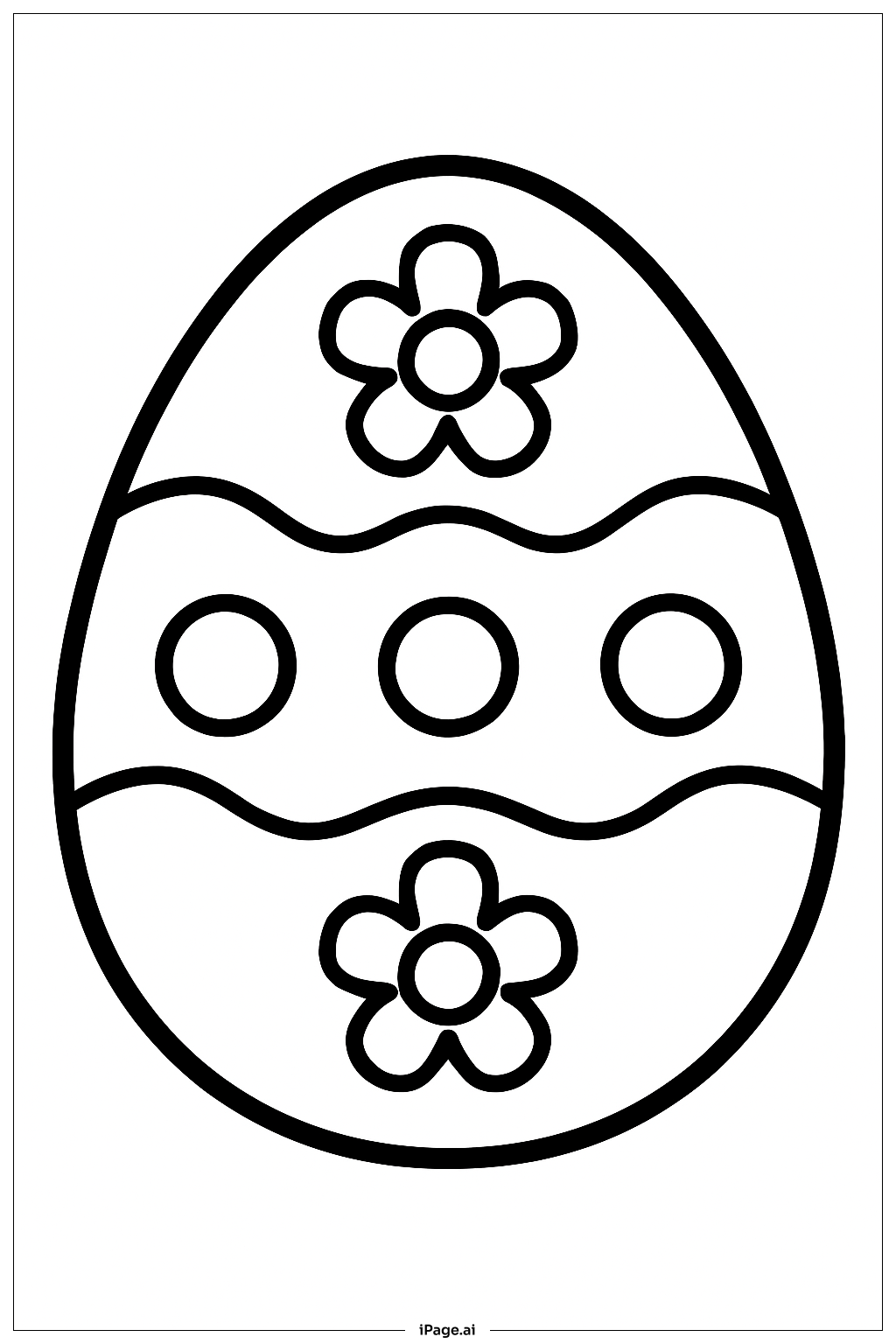
Start by choosing a main color palette that reflects the cheerful spirit of Easter, such as pastels like soft pink, lavender, mint green, baby blue, and sunny yellow. Consider coloring each decorative band in different colors to make the patterns stand out. Use contrasting colors for the zigzag and wavy patterns to create visual pop. The dotted sections can be filled with one solid color or use multiple colors for a confetti effect. Try blending techniques on the larger sections to add depth and dimension. Metallic markers or gel pens can add sparkle to certain details. For a traditional look, stick with spring colors. For a modern approach, try bold jewel tones or even rainbow gradients across the bands. Remember to leave some white space to maintain the pattern clarity and prevent colors from blending unintentionally.
Coloring challenges: Which parts are difficult to color and need attention for Single Big Easter Egg coloring page?
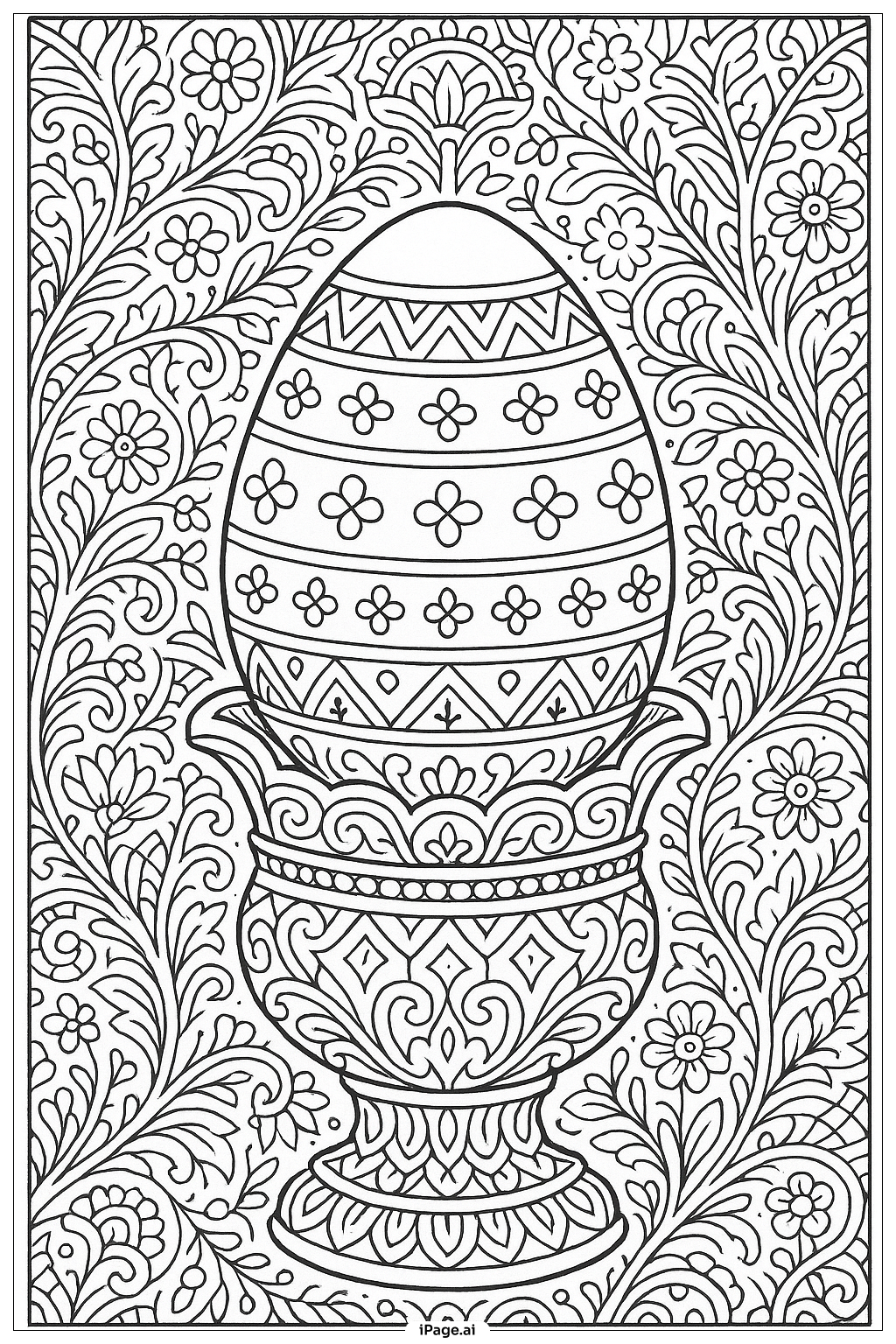
• Intricate Pattern Details: The egg features multiple decorative bands with different patterns including zigzags, waves, dots, and geometric shapes. Each pattern requires careful attention to stay within the lines. The small repetitive elements like dots and tiny shapes demand precision and patience, especially for younger children who are still developing fine motor control.
• Curved Surface Challenges: Coloring on the egg's curved outline presents a unique challenge. The patterns wrap around the oval shape, which means working with lines that follow the contour. This requires careful hand coordination to maintain smooth color application while following both the pattern lines and the egg's curved edges simultaneously.
• Color Planning and Organization: With so many distinct decorative sections, deciding on a cohesive color scheme can be challenging. Children need to think ahead about which colors will complement each other and how to create contrast between adjacent patterns. This requires planning skills and color theory understanding to avoid muddy or clashing combinations.
• Maintaining Consistency: The repeating patterns within each band require consistent coloring technique. Keeping dot sizes uniform in color intensity, maintaining even pressure for stripes, and ensuring zigzags have the same color saturation throughout demands concentration and steady hand control over extended periods.
• Small Space Navigation: Some pattern elements feature narrow spaces between lines that are difficult to color without crossing boundaries. This is particularly challenging when using thicker coloring tools like crayons or broad-tip markers, requiring tool selection awareness and adaptive techniques.
Benefits of coloring books: Advantages of drawing Single Big Easter Egg coloring page
Coloring this Easter egg design offers wonderful developmental benefits for children. It strengthens fine motor skills and hand-eye coordination as they carefully fill in the intricate patterns and navigate the curved lines. The variety of pattern types helps children practice different coloring techniques and grip control. The activity promotes focus and concentration as they work on completing each decorative section. Planning which colors to use for different bands develops decision-making skills and color recognition. The repetitive nature of some patterns provides a calming, meditative quality that can reduce stress and anxiety. Successfully completing this detailed design builds confidence and provides a sense of accomplishment. It also encourages creativity as children experiment with color combinations and shading techniques. The seasonal theme connects to cultural traditions and holiday celebrations, making the activity meaningful and engaging while creating a beautiful piece of art they can proudly display or share with family.