Coloring tips: How to color Potted Easter Egg coloring page well?
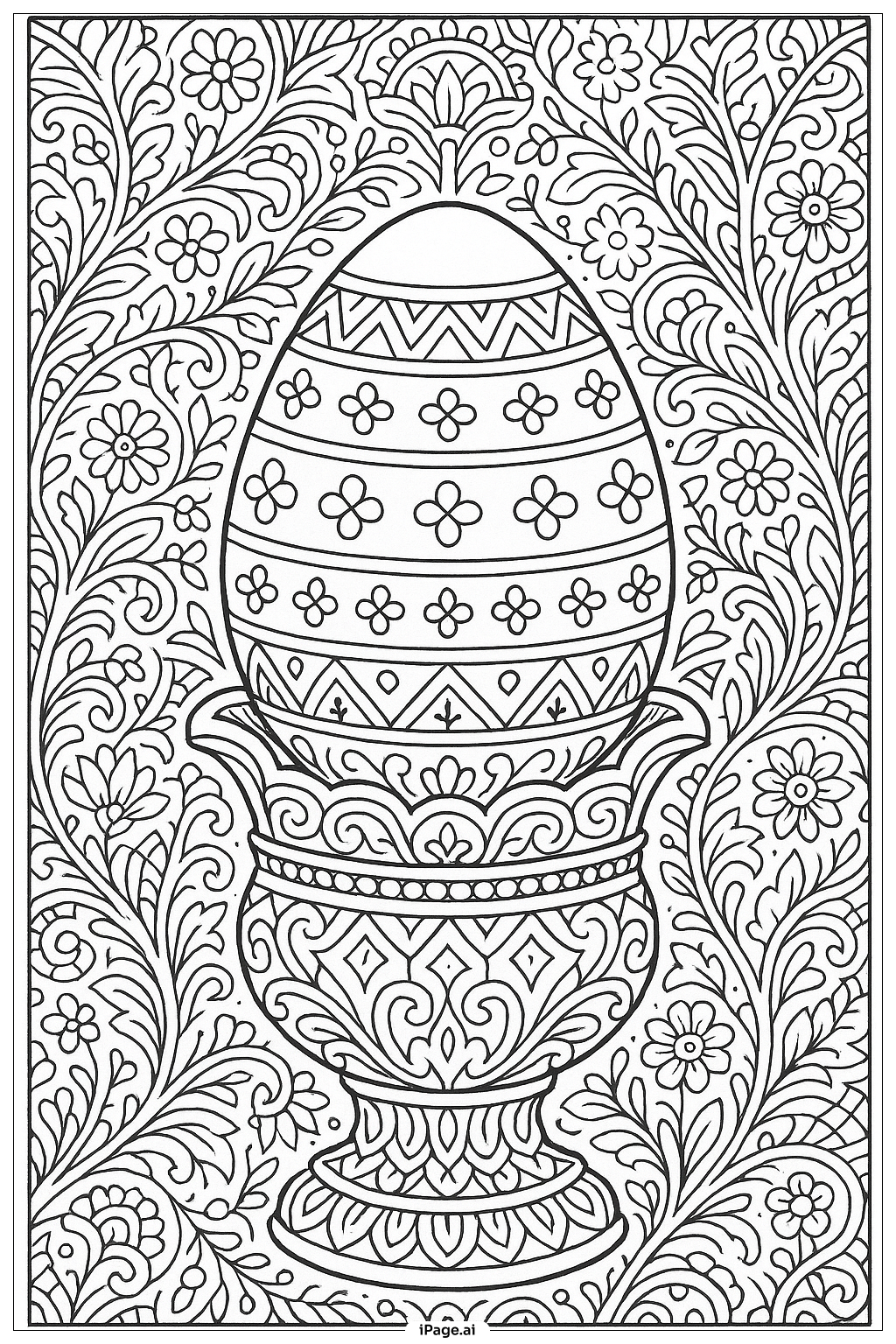
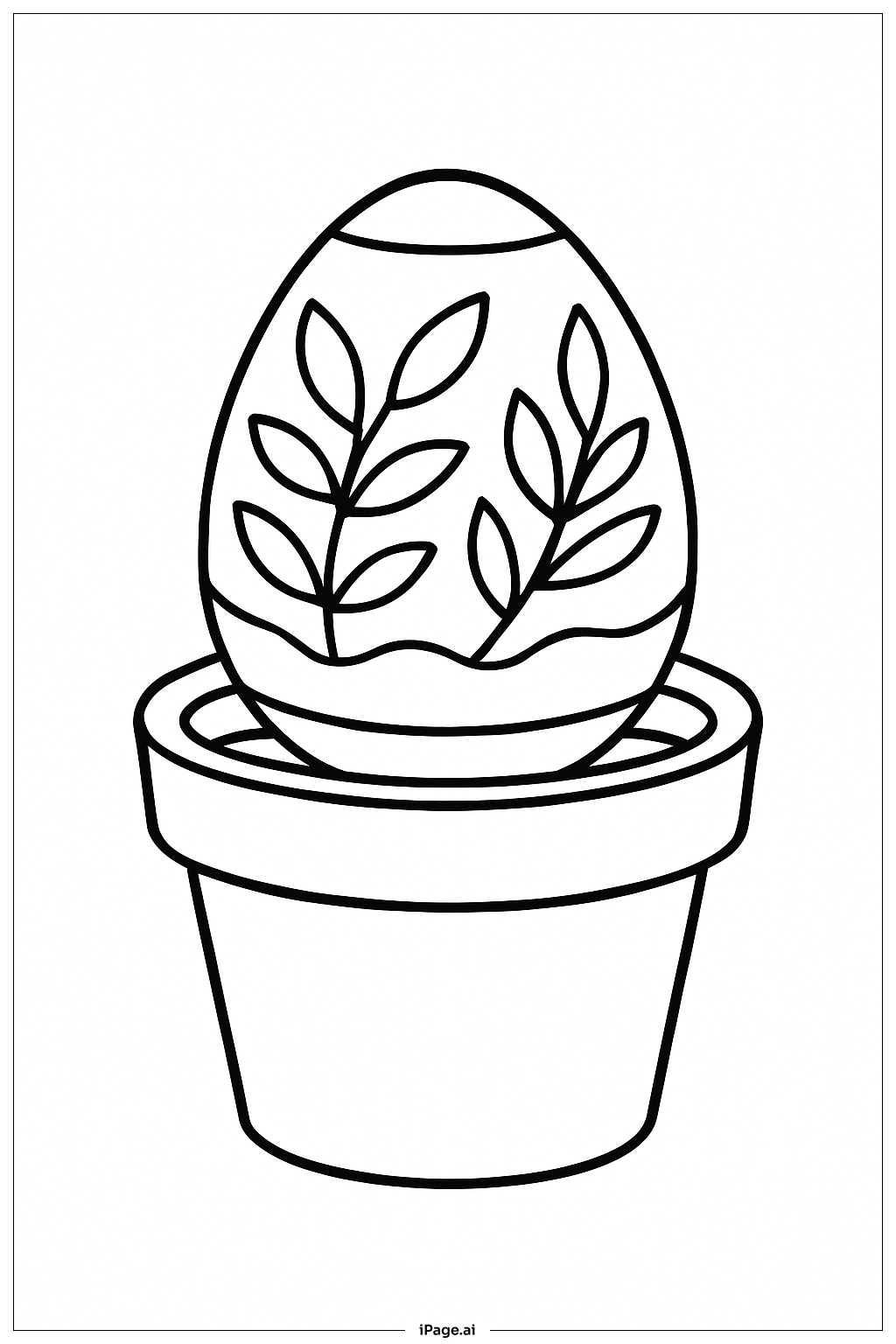
You can use soft green colors for the leaves to bring them to life. For the egg, try bright and cheerful colors like yellow, pink, or light blue to make it stand out. The pot can be colored with earthy tones like brown, terracotta, or orange to look natural. Adding shading with darker colors along the pot’s rim and base can give it more depth. You could also add some patterns or dots in different colors on the egg to make it more fun and interesting.
Coloring challenges: Which parts are difficult to color and need attention for Potted Easter Egg coloring page?
1. Coloring the small leaves inside the egg might be tough because of their size and close arrangement. 2. Staying inside the curved lines on the egg requires careful coloring to keep the neat look. 3. Adding shading to the pot to make it look 3D can be difficult for beginners. 4. Choosing harmonious colors that match both the egg and the pot needs some thought. 5. Coloring the inside edge of the pot rim might be tricky due to its narrow shape.
Benefits of coloring books: Advantages of drawing Potted Easter Egg coloring page
Coloring this image helps improve fine motor skills as children carefully fill in the details. It also encourages creativity by allowing kids to choose their favorite colors for the egg and pot. The simple shapes combined with small details help develop hand-eye coordination. Kids learn about nature elements like leaves while having fun. Overall, it is a relaxing and rewarding activity that boosts focus and artistic confidence.