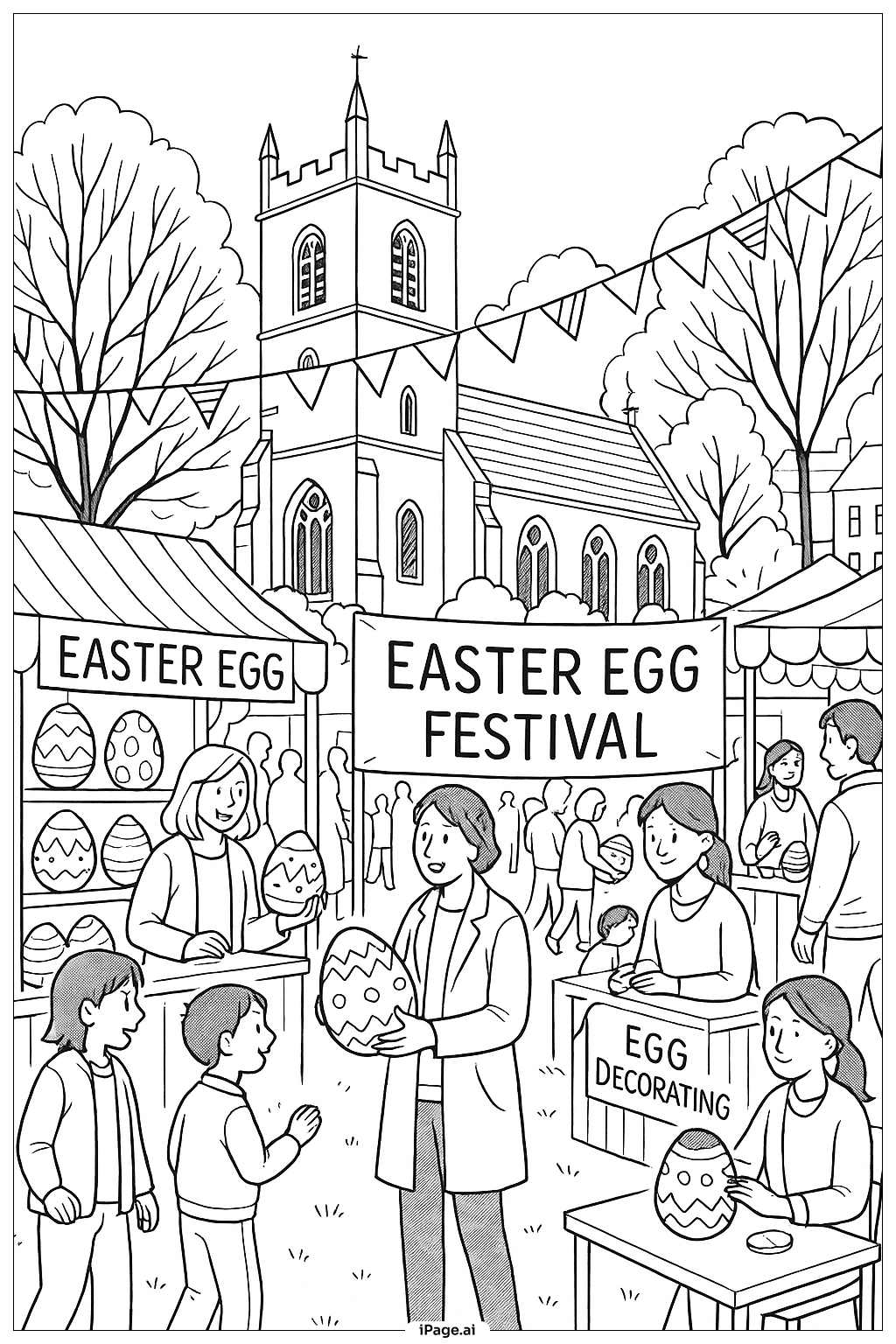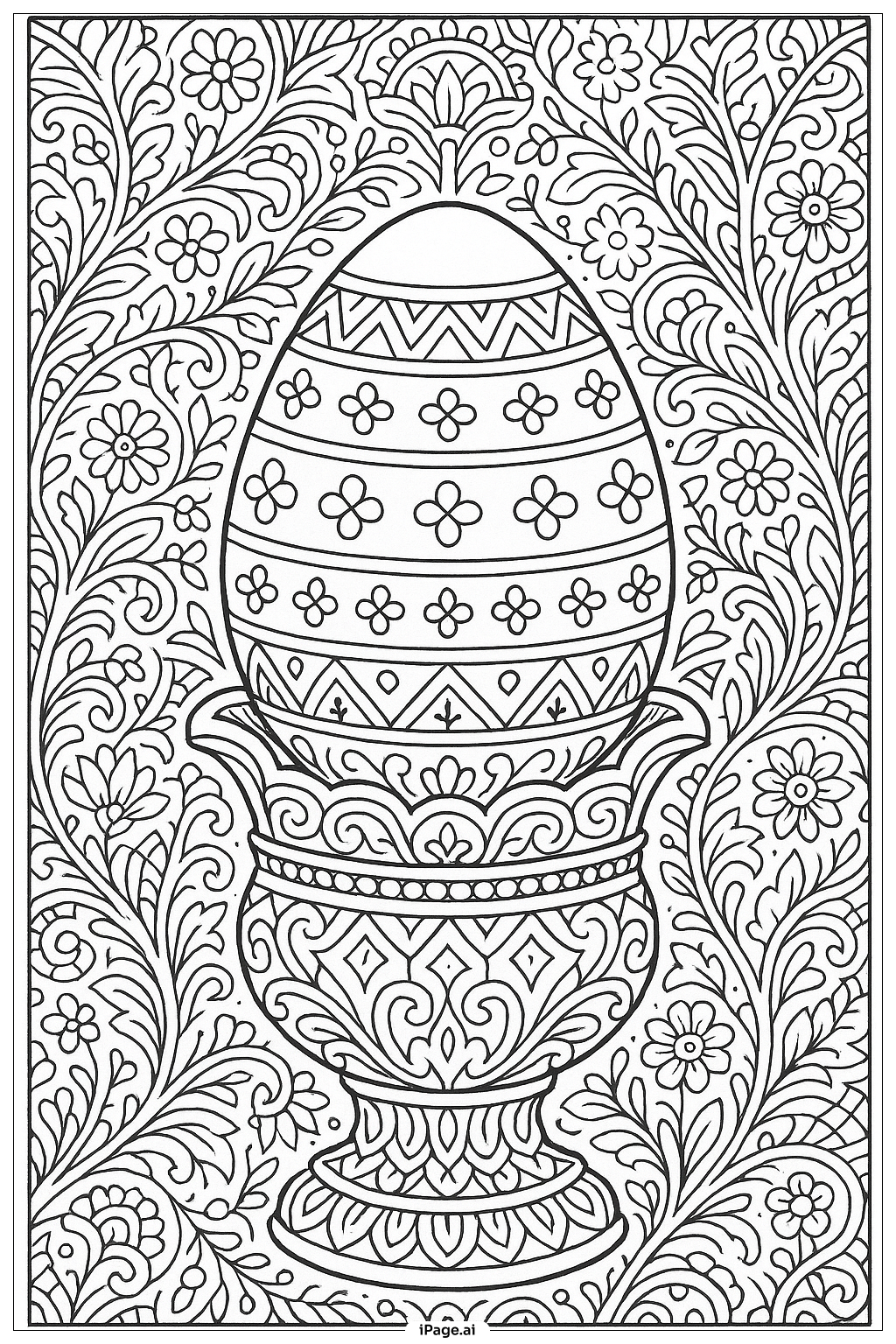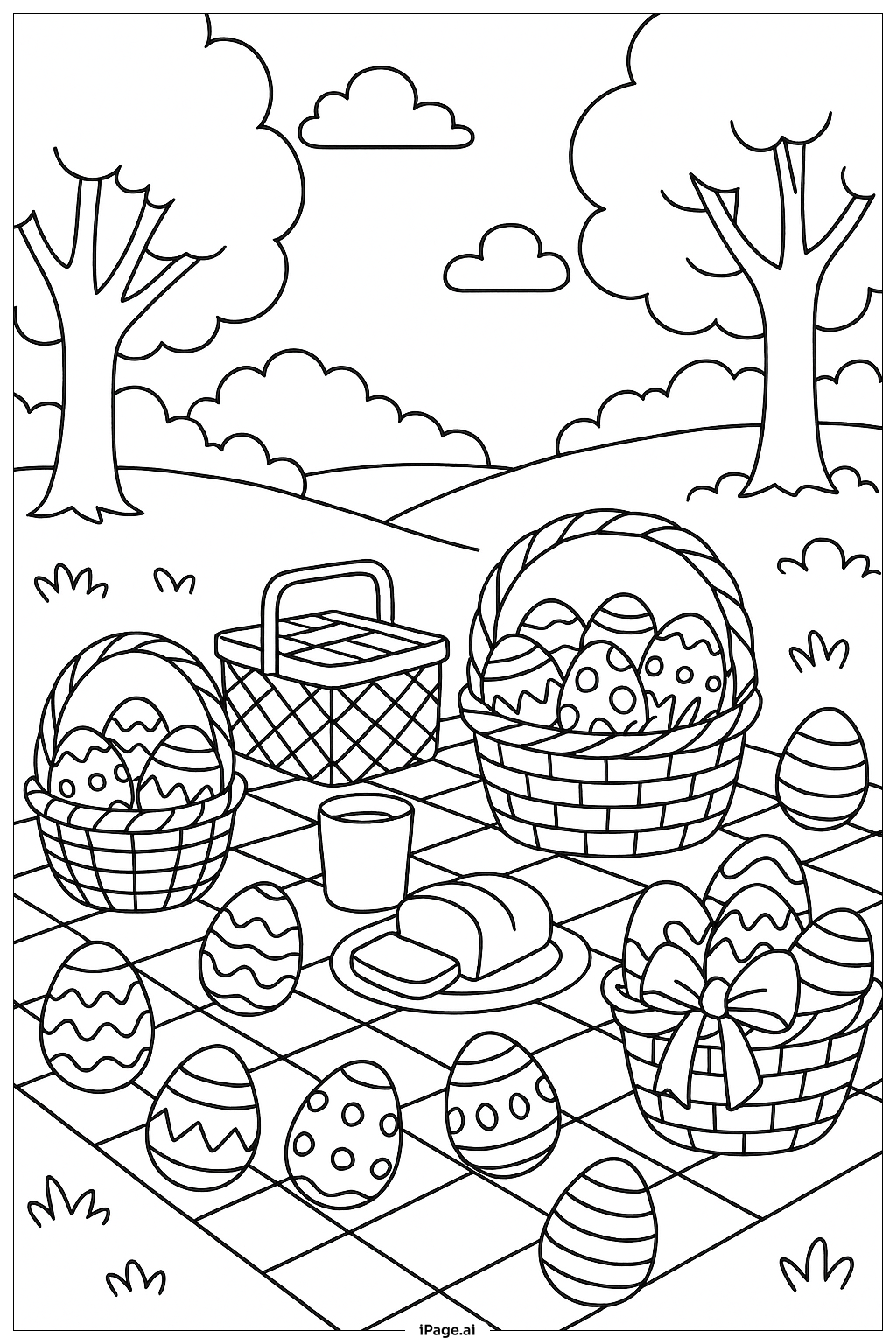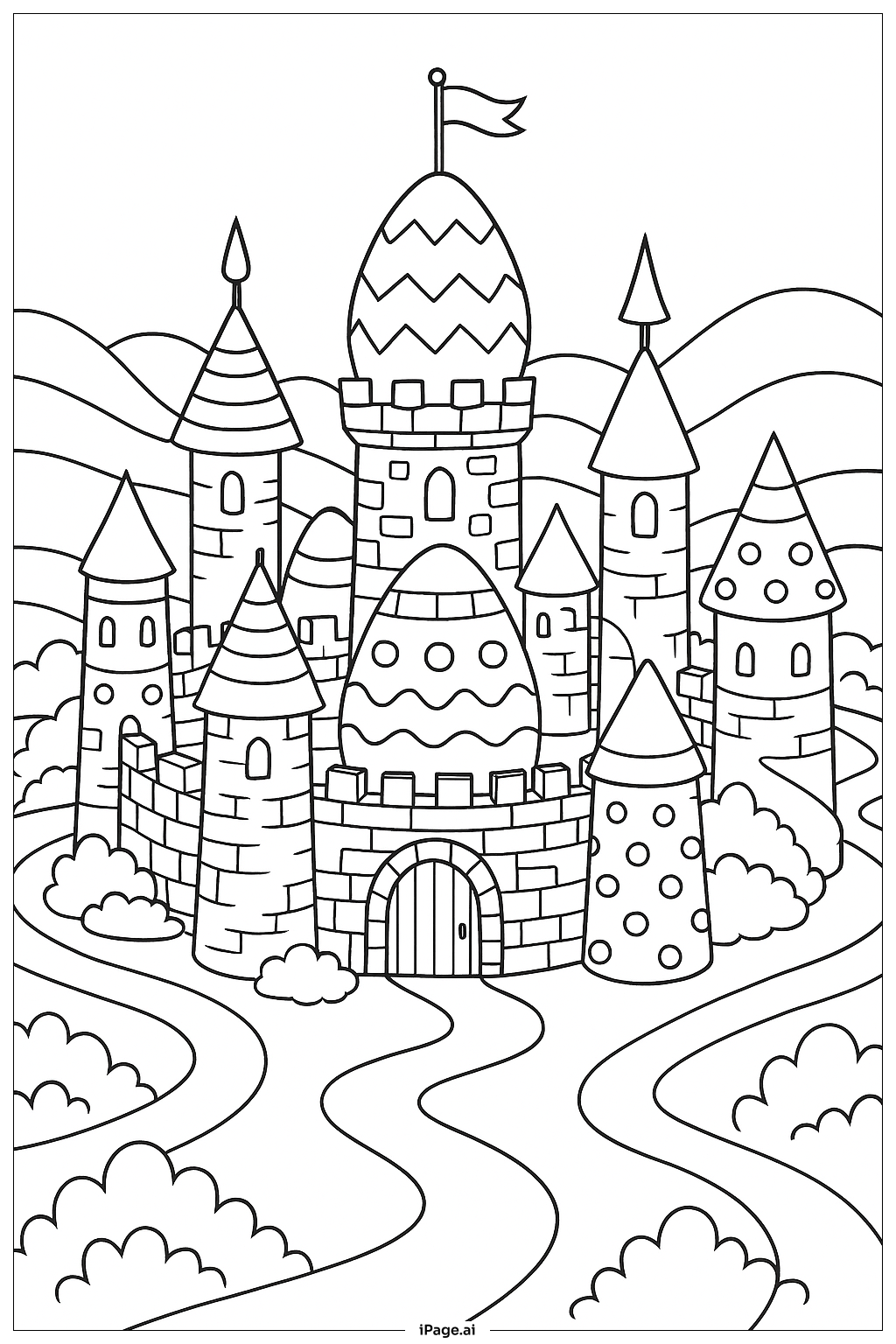
Coloring tips: How to color Flower Easter Egg coloring page well?
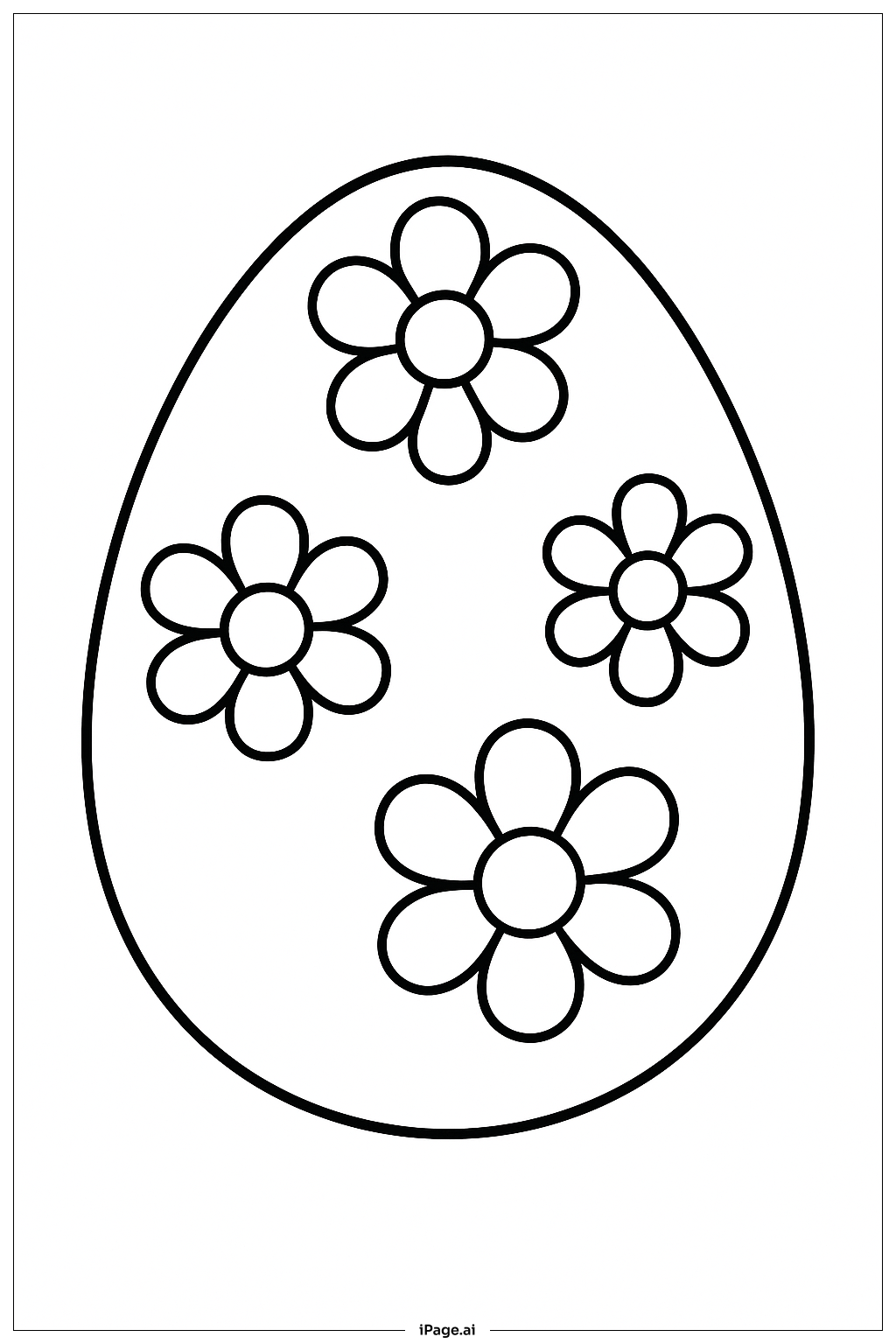
Use bright and cheerful colors for the flowers, like yellow, pink, purple, and red for the petals. The centers of the flowers can be colored in a contrasting color like orange or blue to make them pop. For the egg, choose a soft pastel shade such as light blue, green, or lavender. You can also mix colors to create a gradient effect on the petals or the egg for a fun, artistic touch. Try to color each flower with different colors to make the egg look lively and colorful.
Coloring challenges: Which parts are difficult to color and need attention for Flower Easter Egg coloring page?
1. Staying inside the flower petals and egg outline can be tricky for younger children because of the curved shapes.
2. Choosing colors that look good together might be challenging, especially when coloring multiple flowers.
3. Blending or shading colors on small petals is a bit difficult without making the colors muddy.
4. Coloring the flower centers neatly requires careful attention due to their round shape and size.
5. Maintaining a consistent color without leaving white spots can be hard when coloring big sections like the egg background.
Benefits of coloring books: Advantages of drawing Flower Easter Egg coloring page
Coloring this Easter egg design helps improve hand-eye coordination and fine motor skills. It encourages creativity by allowing children to pick and combine colors freely. The simple shapes help beginners practice coloring within lines, which builds confidence. Coloring flowers and eggs also introduces kids to patterns and symmetry, boosting their visual awareness. Overall, this activity is fun and relaxing, making it a great way for children to develop focus and patience.