Coloring tips: How to color Alphabet Easter Egg coloring page well?
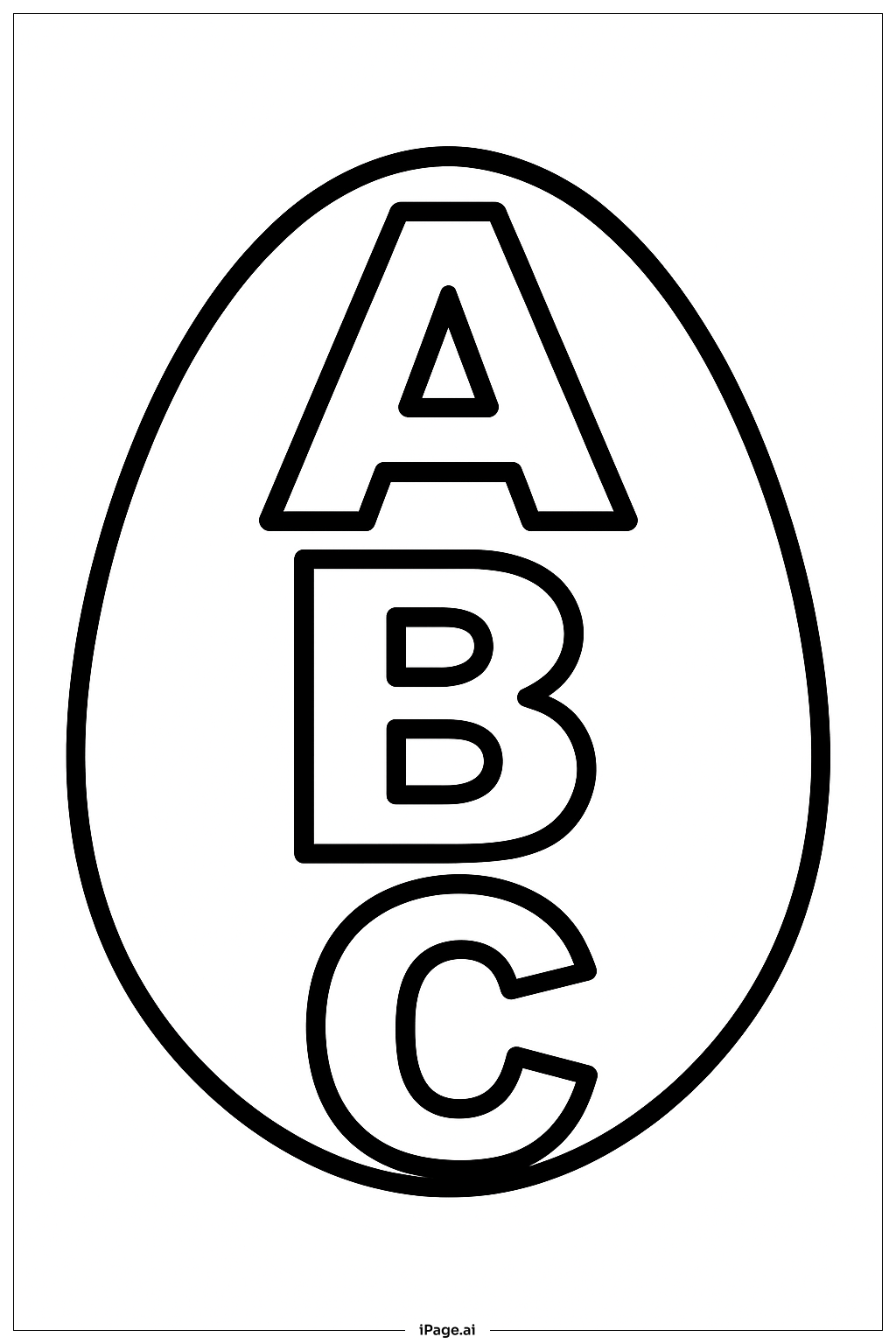
Try using bright and cheerful colors like pastel pinks, yellows, blues, and greens to give the Easter Egg a festive look. You can color each alphabet letter in a different shade to make them stand out individually. Mix light and dark tones to add depth and interest. For the decorative patterns on the letters, consider using contrasting colors to highlight the details. The small stars and flowers around the egg can be colored in softer hues to create a nice balance. Don’t be afraid to experiment with crayons, markers, or colored pencils to explore different textures on the page.
Coloring challenges: Which parts are difficult to color and need attention for Alphabet Easter Egg coloring page?
• Small Letter Details: Each letter has intricate patterns which may be challenging to color neatly, especially for young children.
• Letter Spacing: The letters are close together, so careful coloring is needed to avoid colors bleeding into neighboring letters.
• Pattern Variation: Different designs on each letter require attention to color choices to avoid a cluttered look.
• Outer Decorations: The tiny stars and flowers around the egg need fine motor control to color inside small shapes.
• Balancing Brightness: Choosing color combinations that keep the page lively without overwhelming the visual harmony can be tricky.
Benefits of coloring books: Advantages of drawing Alphabet Easter Egg coloring page
Coloring this Alphabet Easter Egg supports both creativity and learning. It helps children practice recognizing letters while engaging their imagination through color choice. The detailed patterns improve fine motor skills and hand-eye coordination. Working on contrasting colors teaches color theory basics and enhances visual awareness. Additionally, completing this coloring page can boost confidence and provide a sense of accomplishment. It’s a fun way to combine education with artistic expression, suitable for kids of varying ages and skill levels.