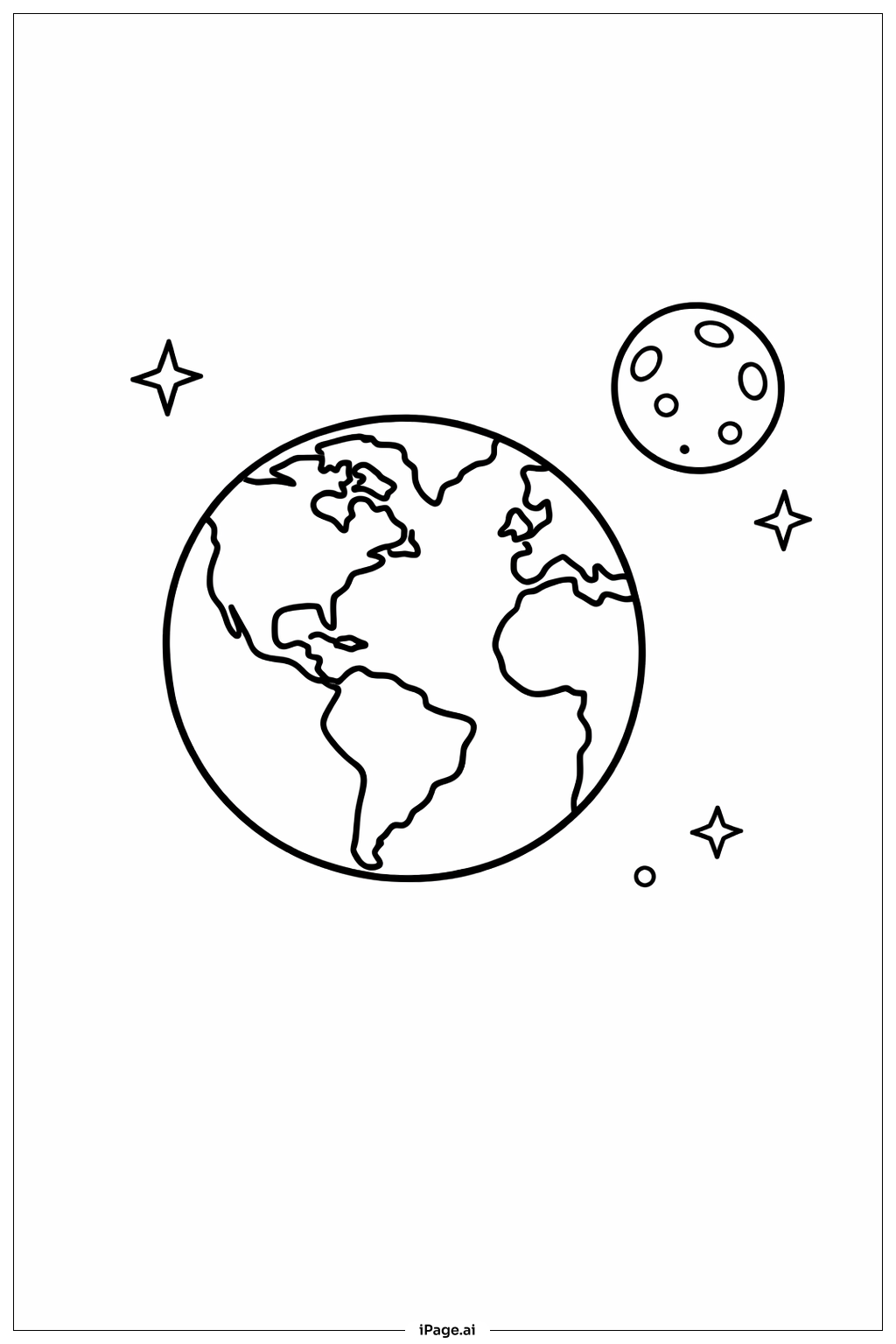
Coloring tips: How to color Earth In Space coloring page well?
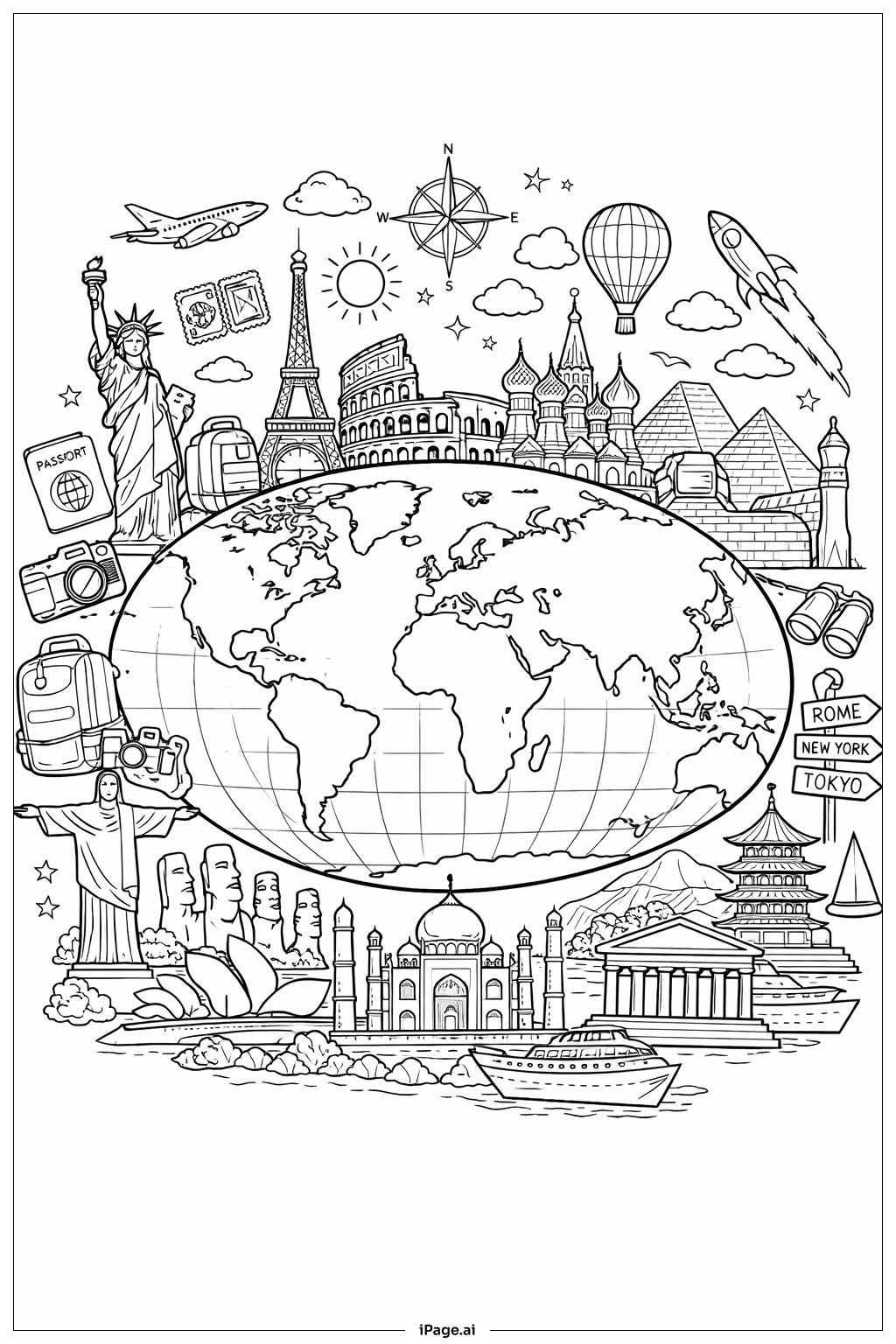
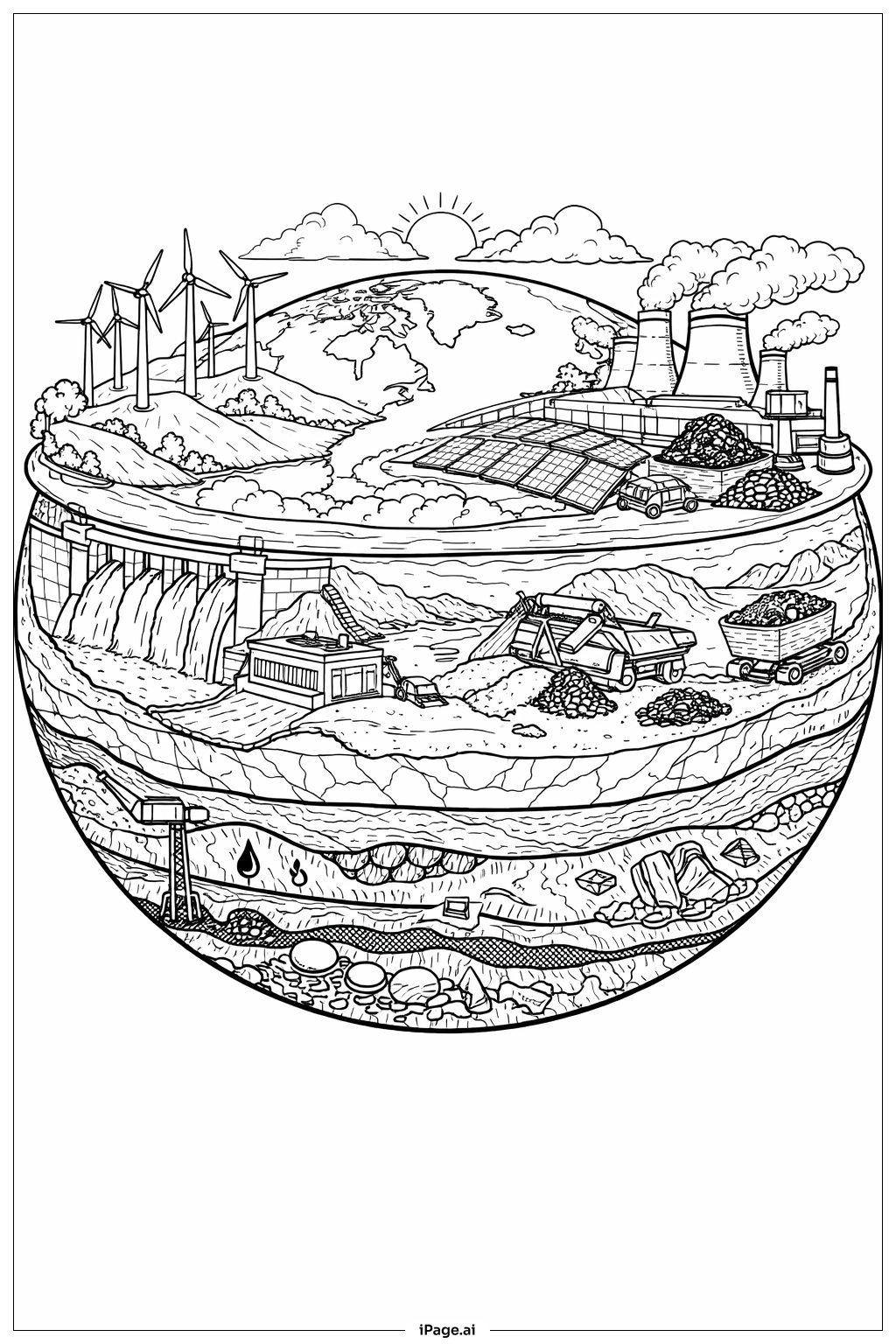
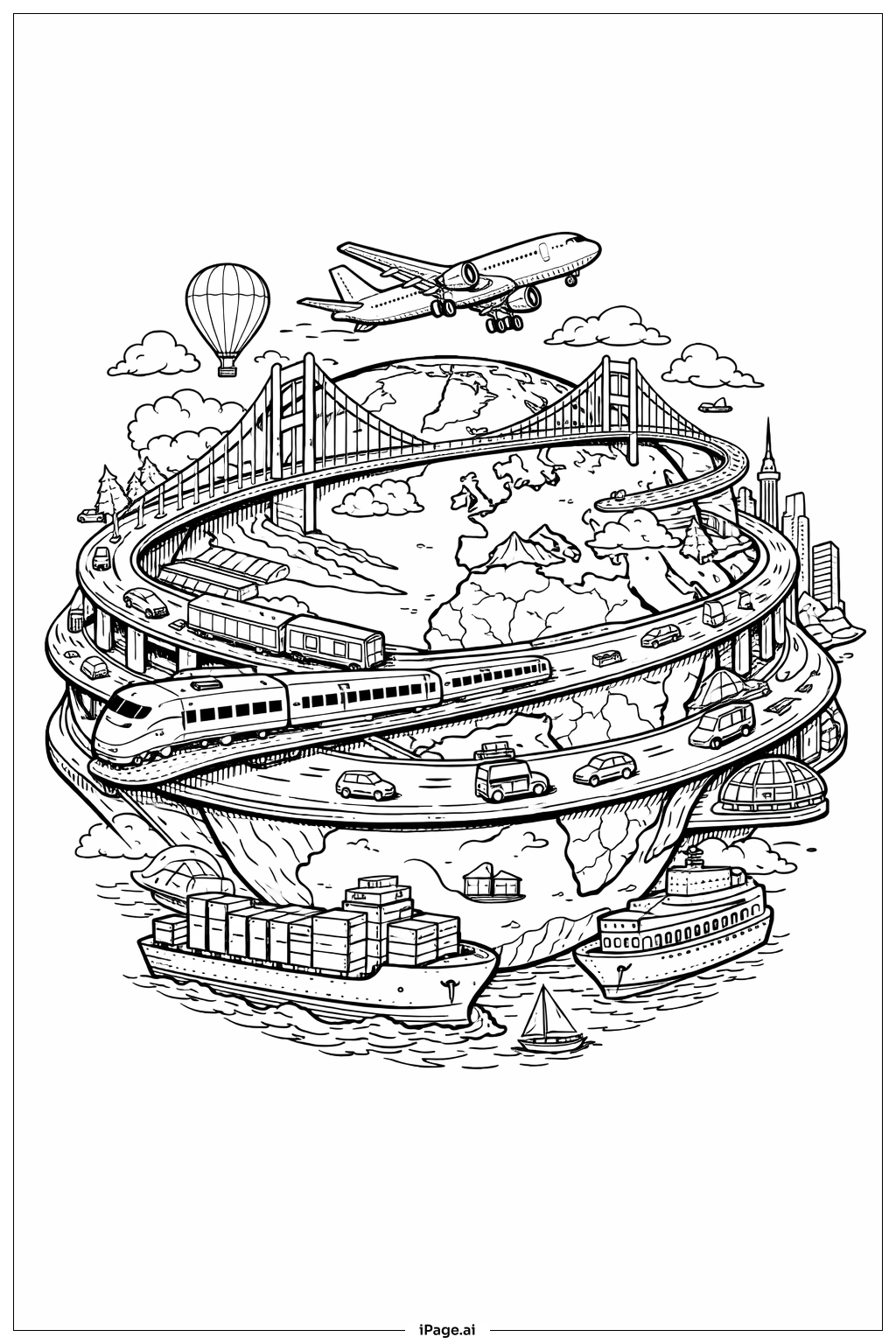
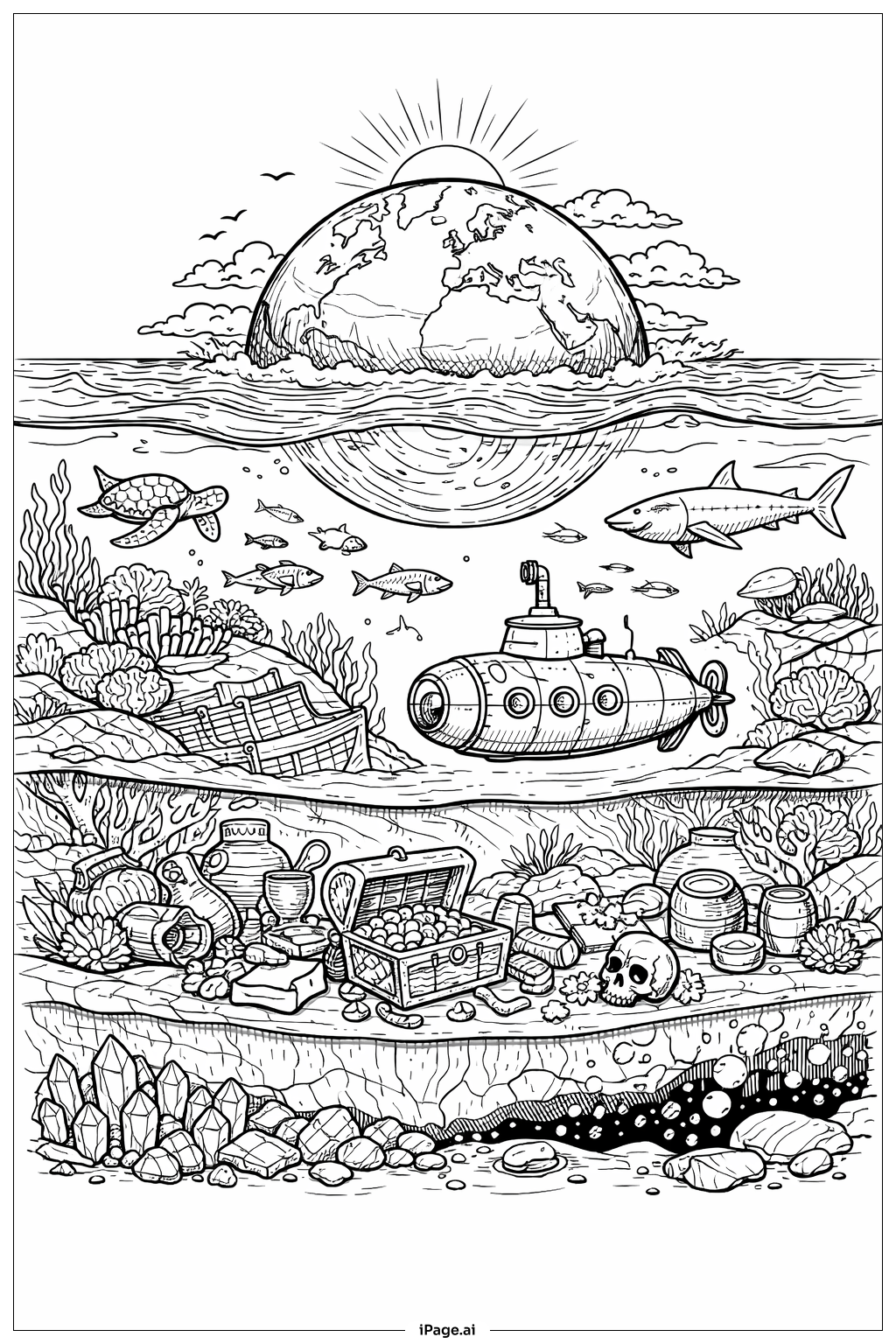
Use blue tones for the oceans and green and brown colors for the continents to make the Earth look natural. The Moon can be colored with light gray shades to show its rocky surface. For the stars, bright yellow or white works well to make them sparkle. You can use different shades of blue for the space background to give it depth. Try blending colors smoothly on the Earth to show the round shape and different areas clearly.
Coloring challenges: Which parts are difficult to color and need attention for Earth In Space coloring page?
1. Coloring the continents: The shapes of the continents have many curves and small details that need careful coloring to stay within the lines. 2. Shading the Earth: Showing the round shape and depth with colors can be tricky. Using gradients or blending can help but requires some skill. 3. Coloring the Moon: The Moon has various craters that need a delicate touch to color differently yet keep the whole surface unified. 4. Stars: These are small and require precise coloring to avoid overlapping on other parts. 5. Space background: Creating a smooth gradient or solid color without streaks might be challenging for younger children.
Benefits of coloring books: Advantages of drawing Earth In Space coloring page
Coloring this Earth in space page can help improve focus and fine motor skills. It encourages learning about geography by recognizing continents. The task of coloring the round Earth, Moon, and stars helps children understand shapes and spatial relationships. It also promotes creativity by allowing them to choose their own colors and shading styles. Additionally, it can inspire curiosity about our planet and space, fostering a love for science and nature.