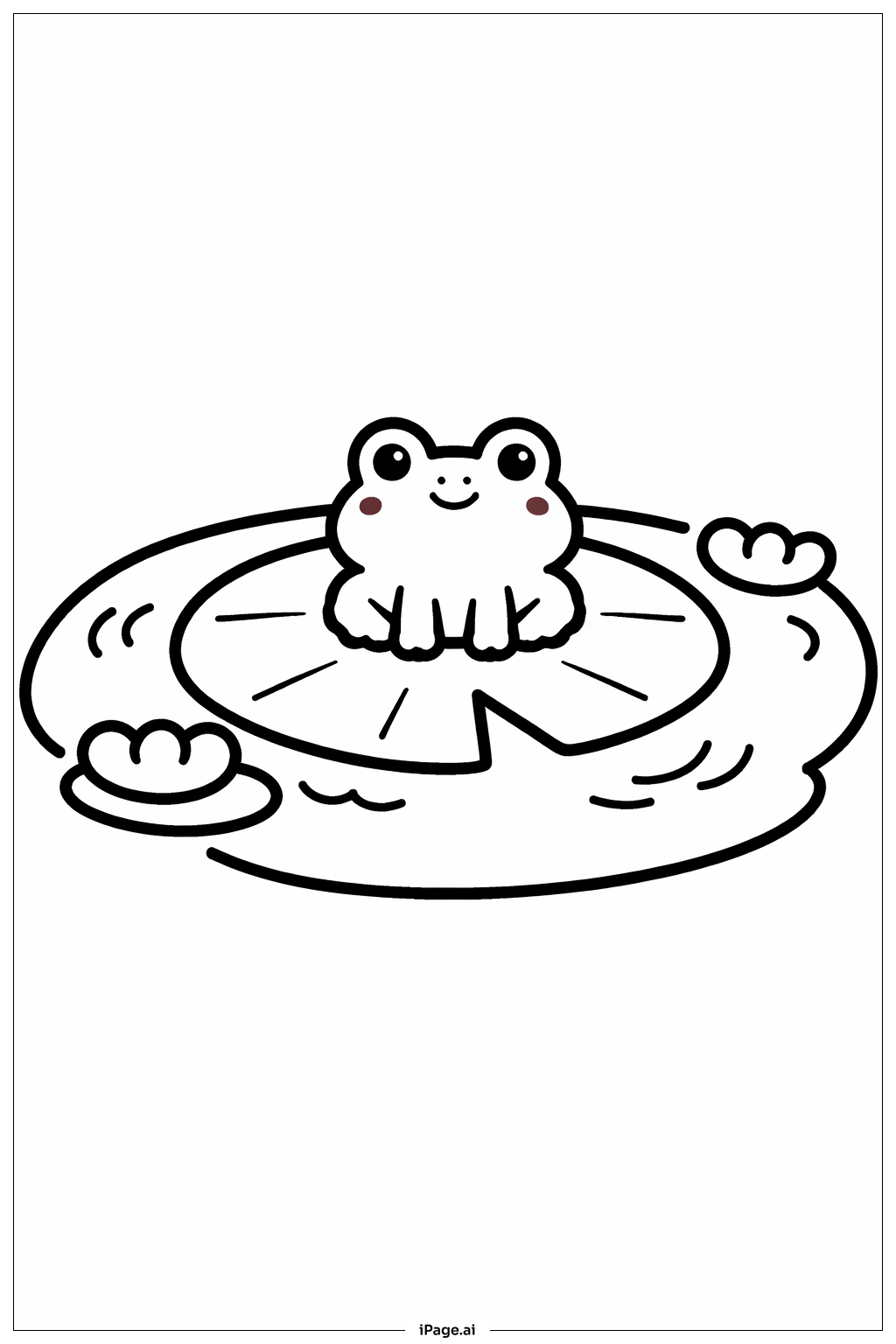
Coloring tips: How to color Earth Day Little Pond coloring page well?
Start with the water in the pond. Use light blue or soft teal for a calm, peaceful look. Add a little green near the edges where algae might grow. Color the lily pads bright green and give the lotus flowers soft pink or white petals. The frog looks great in classic green with a pale yellow belly. Use warm brown and tan shades for the logs and cattails. Give the dragonfly shimmery blue or purple wings. The turtles can be dark green with brown shell patterns. Color the wildflowers in cheerful yellows, purples, and oranges. Use rich greens for the grasses and tree leaves. The tree trunk works well in brown or gray. Try using lighter shades first, then add darker tones on top to create depth and shadows. This makes the whole scene feel more alive and three-dimensional. Have fun mixing colors to make this little pond world your very own!
Coloring challenges: Which parts are difficult to color and need attention for Earth Day Little Pond coloring page?
Coloring this Earth Day pond scene is a delightful challenge with several areas that need a little extra attention and care.
• Water Texture and Reflections: The pond surface can be tricky to color realistically. Water is not just one flat blue. Try blending light blue, white, and soft greens to suggest ripples and reflections. Leaving some areas slightly lighter can mimic the way light bounces off the surface.
• Overlapping Plants and Grasses: The cattails, reeds, and grasses grow close together and overlap in many places. Keeping each individual blade or stalk a slightly different shade of green or brown helps separate them visually and avoids a muddy, blended look.
• Small Animal Details: The frog, dragonfly, and turtles have small features like eyes, leg joints, shell segments, and wing veins that require a fine-tipped tool to color neatly. Rushing through these areas can cause colors to bleed into each other.
• Lily Pads and Flowers: Lily pads sit flat on the water and need careful shading to look round and dimensional. The flowers above them are delicate, with thin petals that are easy to color outside the lines if you are not using a sharp pencil or thin marker.
• Background Depth: Balancing the background trees and sky with the detailed foreground elements is a real challenge. Using lighter, cooler tones for distant elements and bolder, warmer tones for closer ones helps create a natural sense of depth in the scene.
Benefits of coloring books: Advantages of drawing Earth Day Little Pond coloring page
Coloring this Earth Day Little Pond scene is more than just a fun activity — it is a wonderful way to connect with nature and learn about the world around us. As children and adults fill in the frogs, turtles, dragonflies, and pond plants, they begin to notice the details of a real freshwater ecosystem. This builds curiosity and awareness about wildlife and the environment, which is the true spirit of Earth Day. Focusing on the intricate shapes of lily pads, grasses, and water ripples helps sharpen fine motor skills and hand-eye coordination, especially for younger children. Choosing colors for different plants and animals encourages creative thinking and decision-making. The calming nature of a pond scene also makes this a relaxing and stress-relieving activity for all ages. Sitting quietly and coloring a peaceful natural landscape can slow down the mind and bring a sense of calm. For older children and adults, blending colors to create water effects and shadows is a satisfying artistic challenge that builds patience and attention to detail. Overall, this coloring page is a meaningful way to celebrate Earth Day while developing creativity, focus, and a love for the natural world.