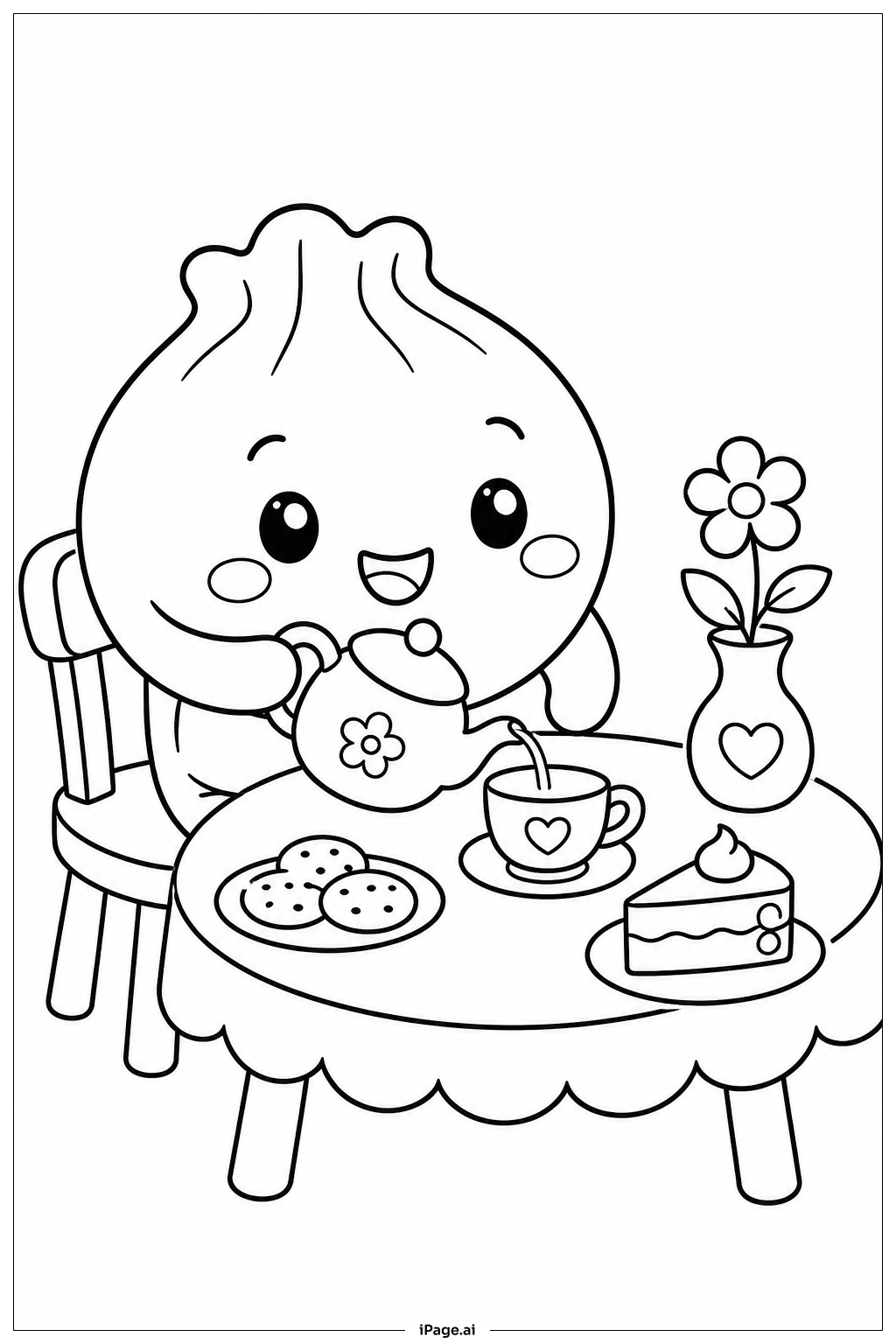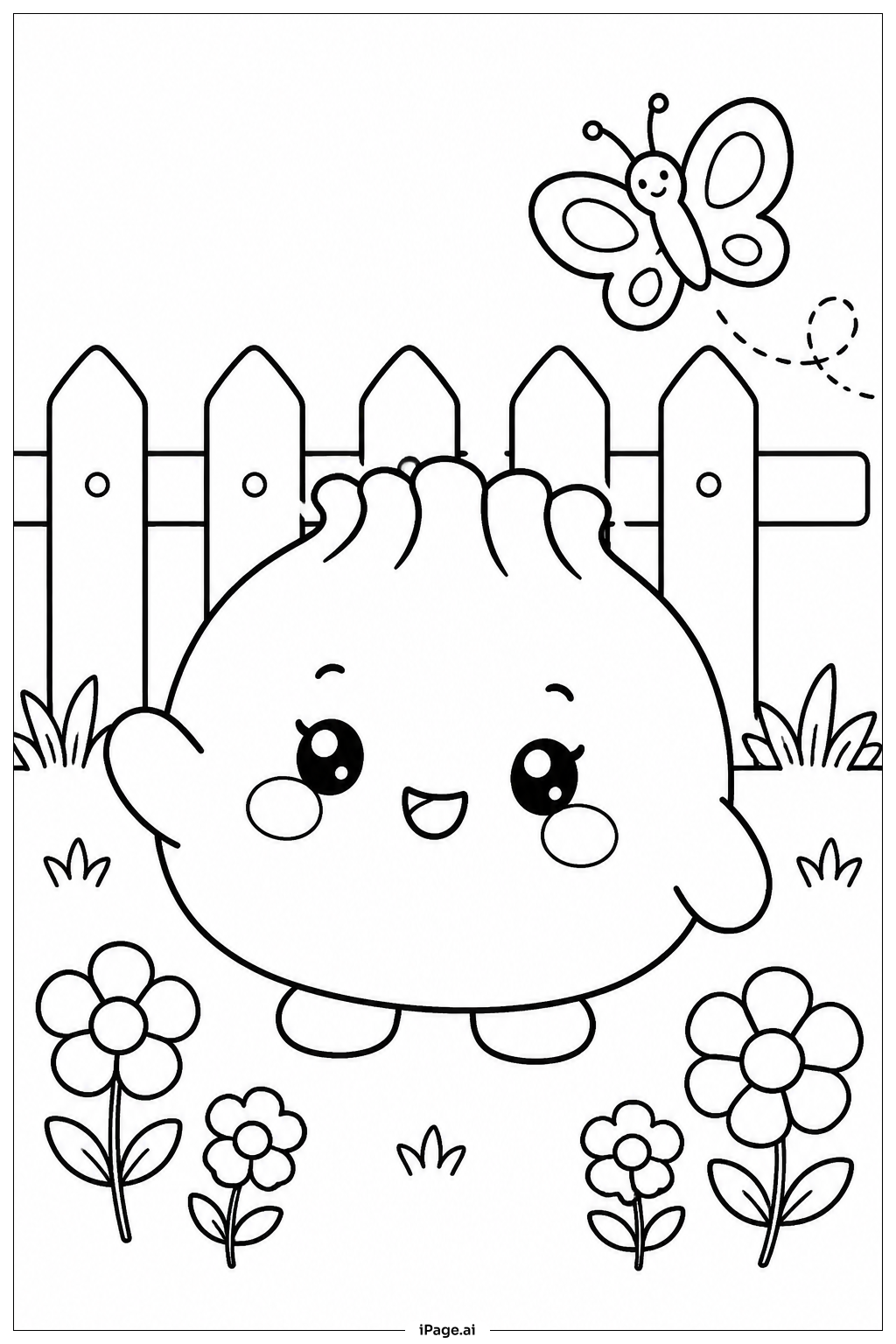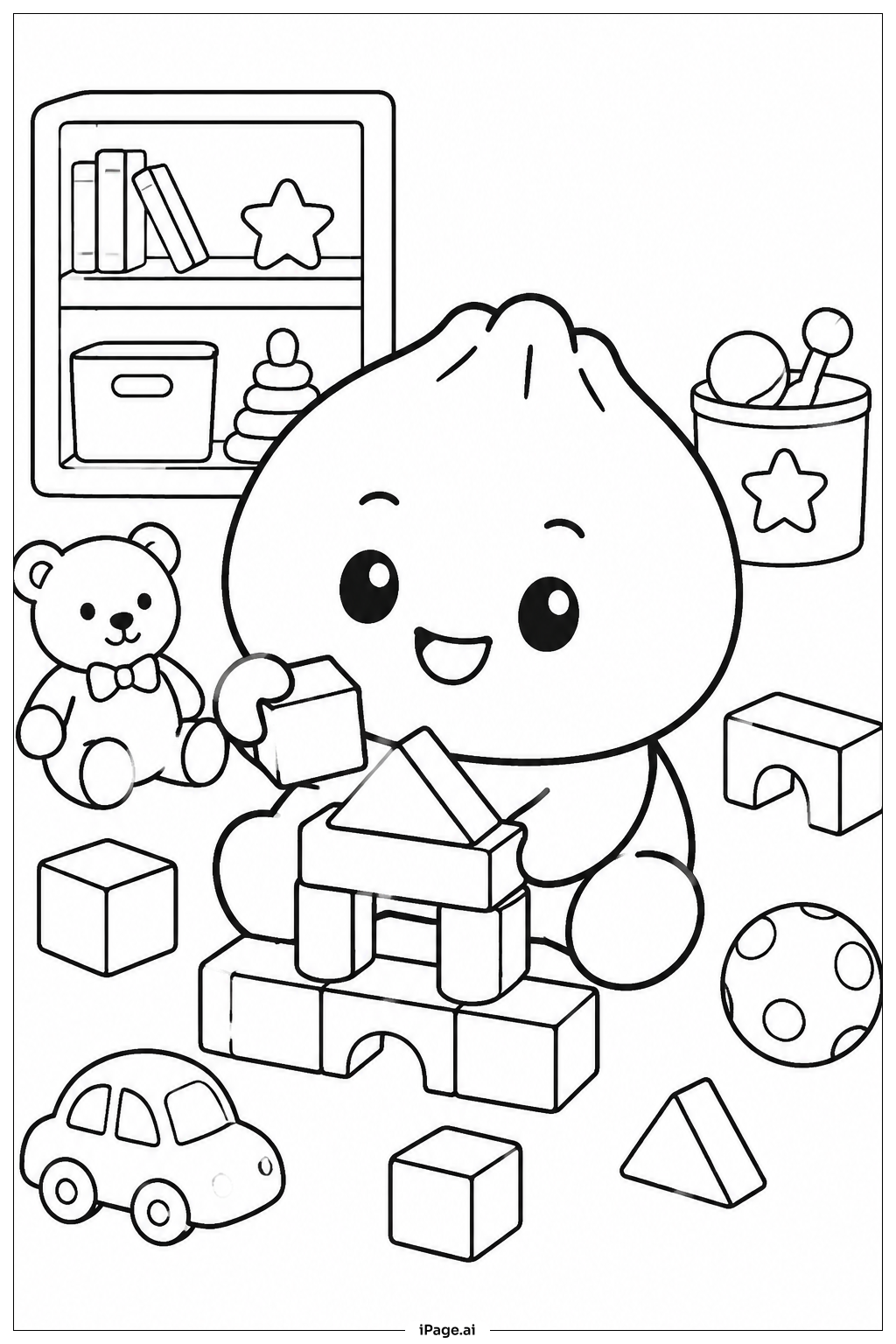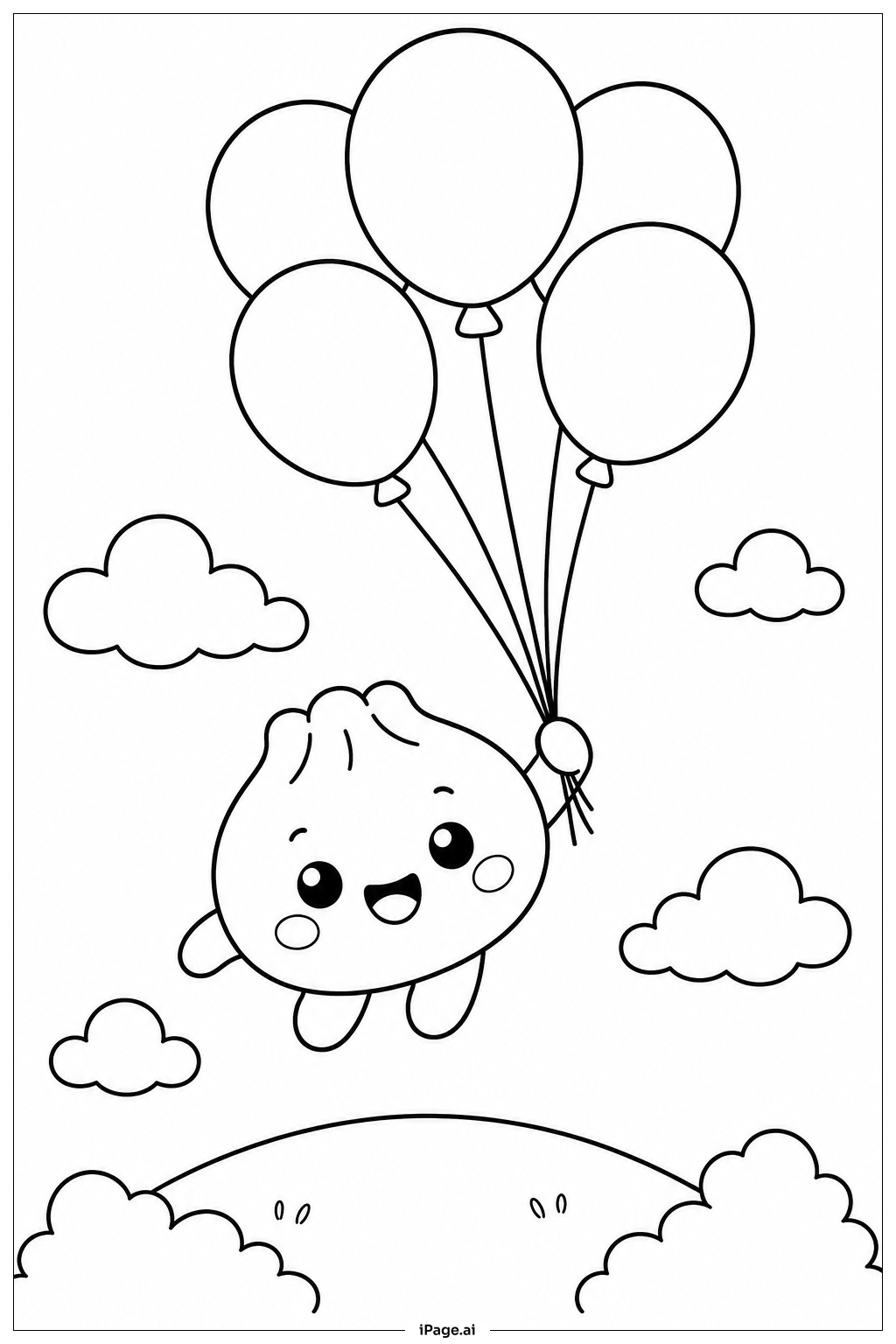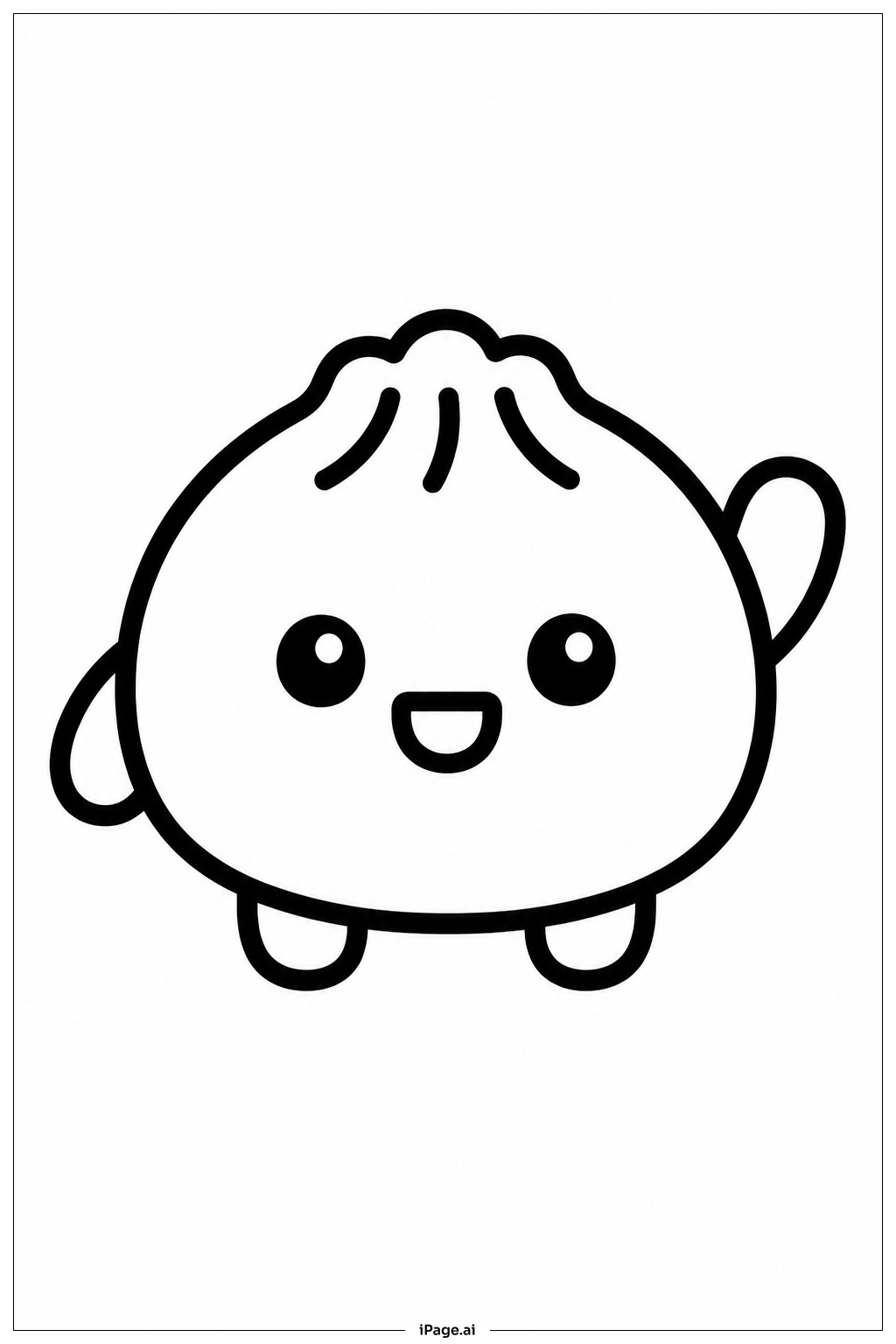
Coloring tips: How to color Dumpling Squishy Waving coloring page well?
Try using soft pastel shades for Dumpling Squishy's body, like light peach, soft pink, or creamy white to match its gentle, squishy texture. You can add brighter tones like pastel yellow or baby blue for the hands and feet to make them stand out. For the eyes, use deep black or dark brown with a little white highlight to give them a shiny, lively look. The smile can be colored with a soft coral or light red. Background colors can be simple or left blank for kids to add their own scenes, such as a sunny sky or playful patterns. Use crayons or markers with smooth blending to emphasize the squishy softness.
Coloring challenges: Which parts are difficult to color and need attention for Dumpling Squishy Waving coloring page?
• Maintaining the round, soft appearance of Dumpling Squishy requires gentle shading and smooth color transitions, which can be tricky for younger children.
• Coloring the small, detailed areas like the eyes and waving hand needs careful control to stay within the lines and preserve the expression.
• Choosing harmonious colors that bring out the squishy, gentle nature might be difficult without guidance, as bright or harsh colors can change the character’s friendly feel.
• Since the image is simple and focused, large empty spaces around Dumpling Squishy might feel challenging to fill creatively without guidance.
• Creating a sense of depth and volume with flat colors takes practice, so experimenting with light and shadow can be an engaging challenge.
Benefits of coloring books: Advantages of drawing Dumpling Squishy Waving coloring page
Coloring Dumpling Squishy Waving helps develop fine motor skills by practicing careful coloring inside lines, especially on small details like the eyes and hand. It encourages creativity as children choose colors that reflect the character’s soft and friendly nature or invent their own unique variations. The simple but expressive design also helps build concentration without overwhelming, making it ideal for kids aged 4 to 16. Additionally, coloring this image can provide a calming and joyful experience while allowing children to express warmth and friendliness through their art. It’s a fun way to practice shading and understand how colors impact the mood of a character.