Coloring tips: How to color Dumpling Squishy Riding Cloud coloring page well?
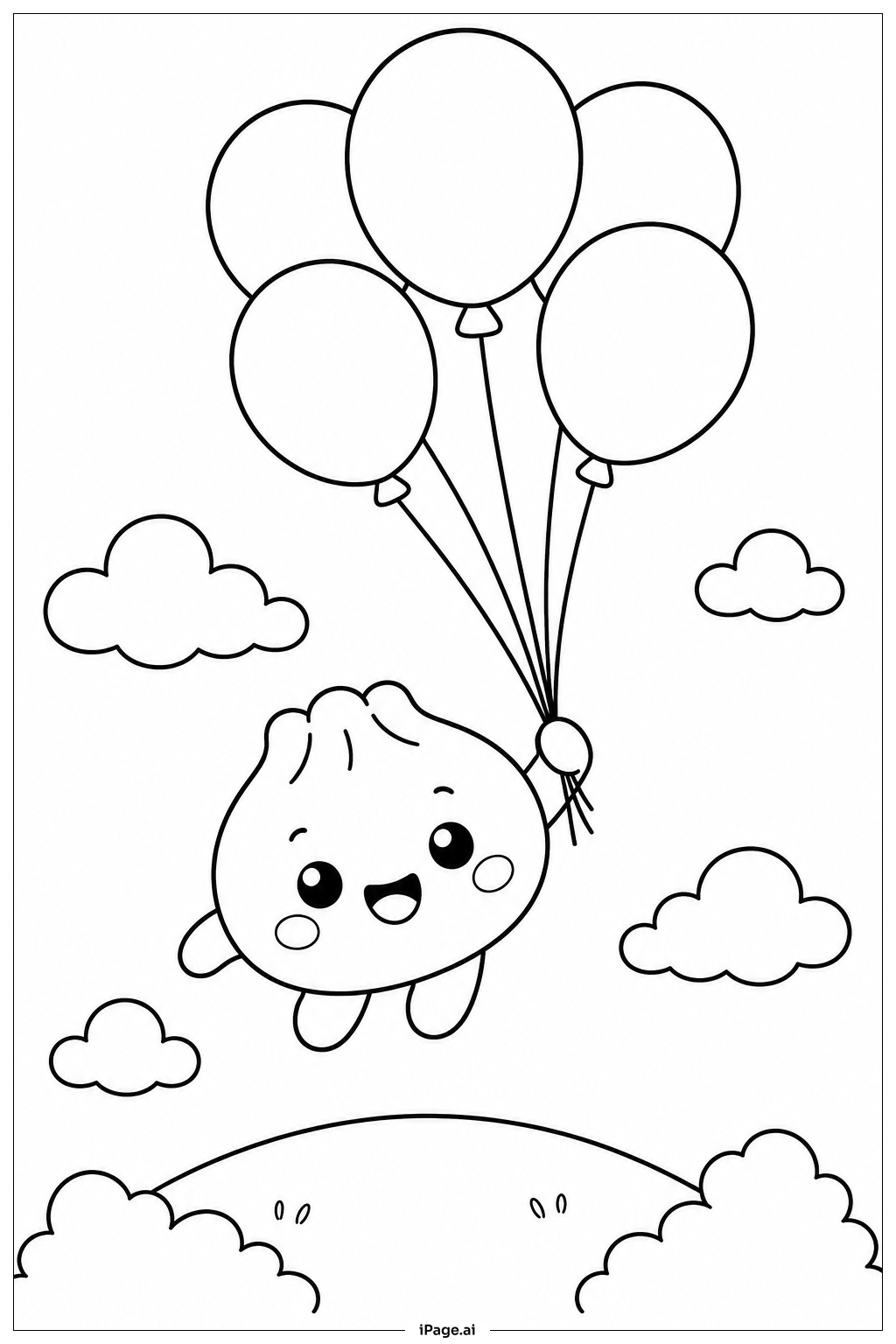
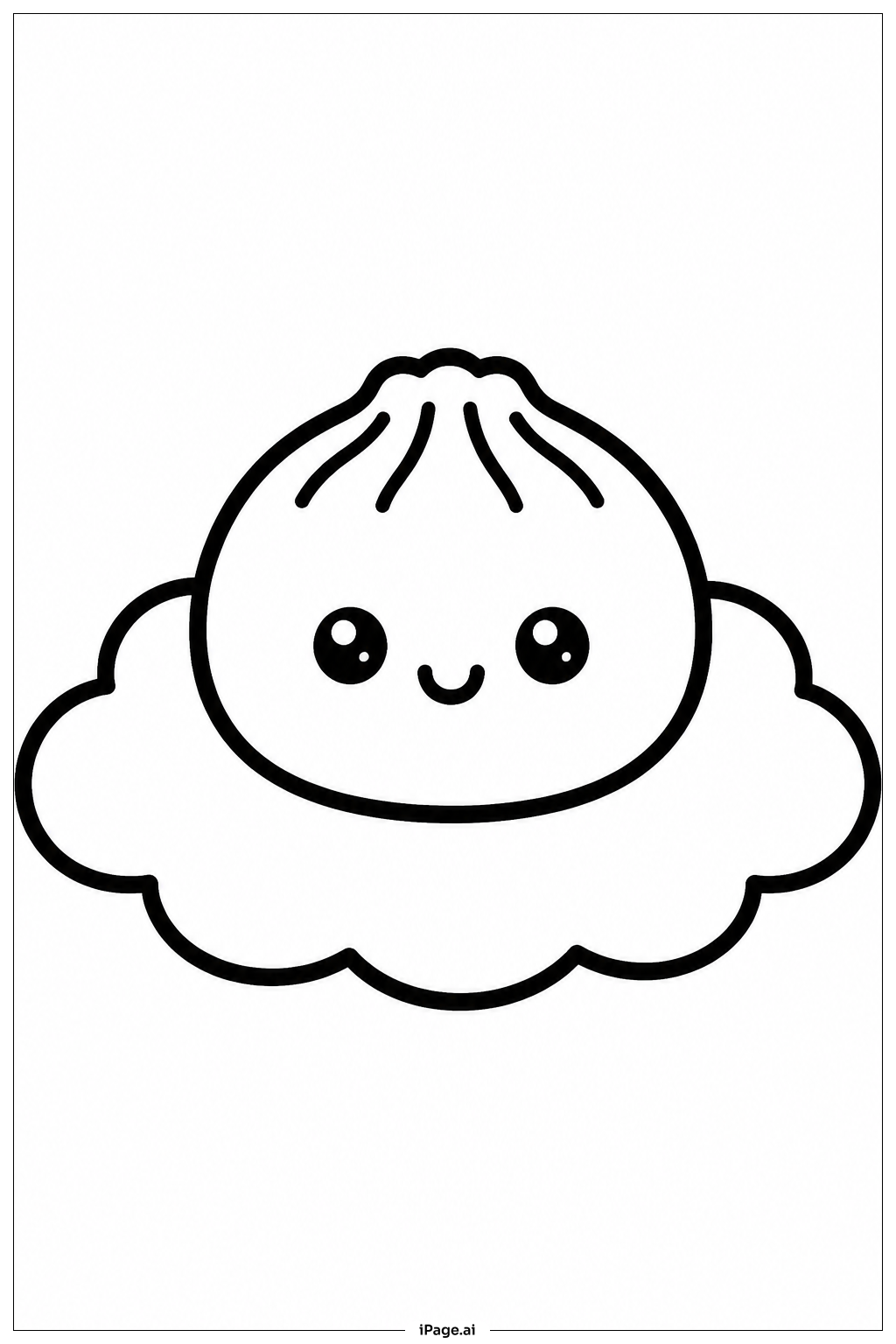
Start with the Dumpling Squishy's body. Use a warm, creamy white or a soft peachy tone to give it a fresh, steamed look. You can add a light blush of pink on its cheeks to make it look extra cute and lively. For the cloud, try classic white with soft shadows in light blue or lavender to make it look fluffy and three-dimensional. Light gray shading along the bottom edges works great too. The sky background can be a gentle sky blue or a dreamy pastel gradient, blending from soft pink near the bottom to light blue at the top for a sunset feel. Use bright yellow or gold for the stars scattered around the scene. Keep the colors soft and gentle overall to match the dreamy, cozy mood of the image. Feel free to add your own creative touches, like rainbow colors on the cloud or sparkles around the dumpling, to make your coloring truly unique and magical.
Coloring challenges: Which parts are difficult to color and need attention for Dumpling Squishy Riding Cloud coloring page?
• Shading the Cloud: Clouds look flat if colored with just one shade of white. The challenge is adding gentle shadows and highlights to make the cloud appear soft, round, and three-dimensional. You need to blend light gray or pale blue carefully along the lower edges while keeping the top bright and airy. Blending too hard can make the cloud look muddy instead of fluffy.
• Getting the Dumpling's Skin Tone Right: The Dumpling Squishy's body needs a warm, creamy tone that still looks smooth and soft. Using too much color or pressing too hard can make it look heavy or rough. Adding a delicate blush to the cheeks requires a very light touch so it blends naturally without looking like a harsh patch of color.
• Capturing the Facial Expression: The Dumpling's face has small, expressive features like curved eyes and a tiny smile. These details are easy to overcolor. Staying inside the lines and using fine-tipped tools to fill the eyes and mouth carefully is important to keep the expression looking sweet and lively.
• Balancing the Background: The background stars and swirls are small and spread across the scene. Filling them with bright colors while keeping the main characters as the focal point is tricky. If the background becomes too bold, it can overshadow the Dumpling and cloud, making the whole image feel busy and unbalanced.
• Maintaining an Overall Soft, Dreamy Mood: Every element in this image contributes to a gentle, magical atmosphere. The biggest challenge is making sure all your color choices work together harmoniously, keeping pastels and light tones consistent so the final result feels cohesive, calm, and enchanting rather than jarring or overly vivid.
Benefits of coloring books: Advantages of drawing Dumpling Squishy Riding Cloud coloring page
Coloring Dumpling Squishy Riding Cloud is a wonderfully fun and rewarding activity for kids and creative minds of all ages. Here are some of the great benefits it offers.
It builds focus and concentration. Carefully filling in the soft shapes of the dumpling and the fluffy cloud encourages children to pay close attention to detail, helping them practice sitting still and staying on task.
It develops fine motor skills. Holding a crayon or colored pencil and working within the lines strengthens hand muscles and improves hand-eye coordination, skills that are important for writing and everyday tasks.
It sparks creativity and imagination. Choosing colors for the sky, cloud, and the cute Dumpling character gives kids the freedom to express themselves and explore their own artistic ideas. There are no wrong answers, only fun possibilities.
It supports emotional well-being. The calm, repetitive motion of coloring is known to reduce stress and anxiety, helping children feel relaxed and happy. The cheerful, whimsical scene adds an extra boost of joy and positivity.
It introduces color theory concepts in a playful way. Experimenting with blending, shading, and background colors helps young colorists naturally learn about how colors work together, setting a foundation for future art skills.