Coloring tips: How to color Dumpling Squishy Gardening coloring page well?
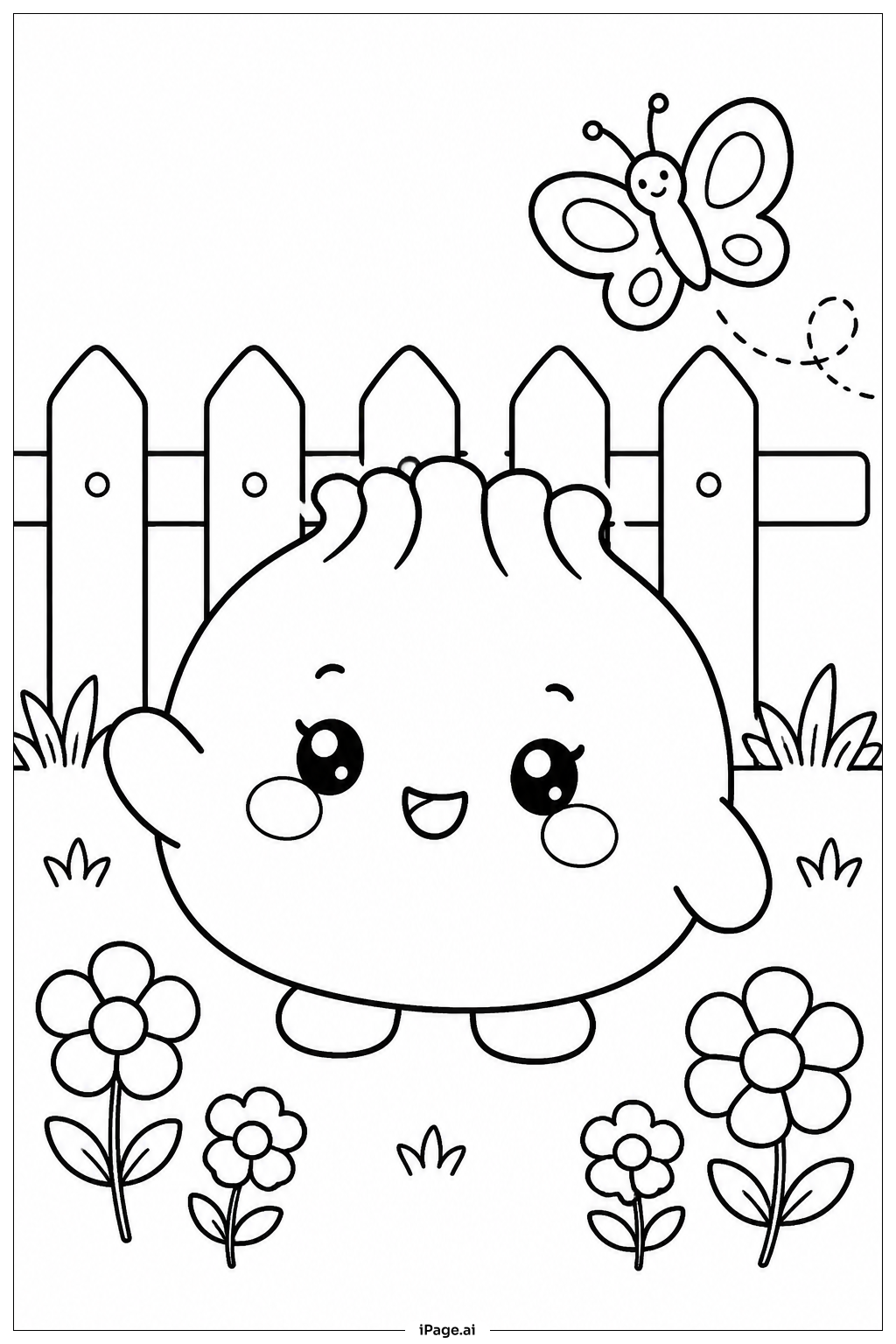
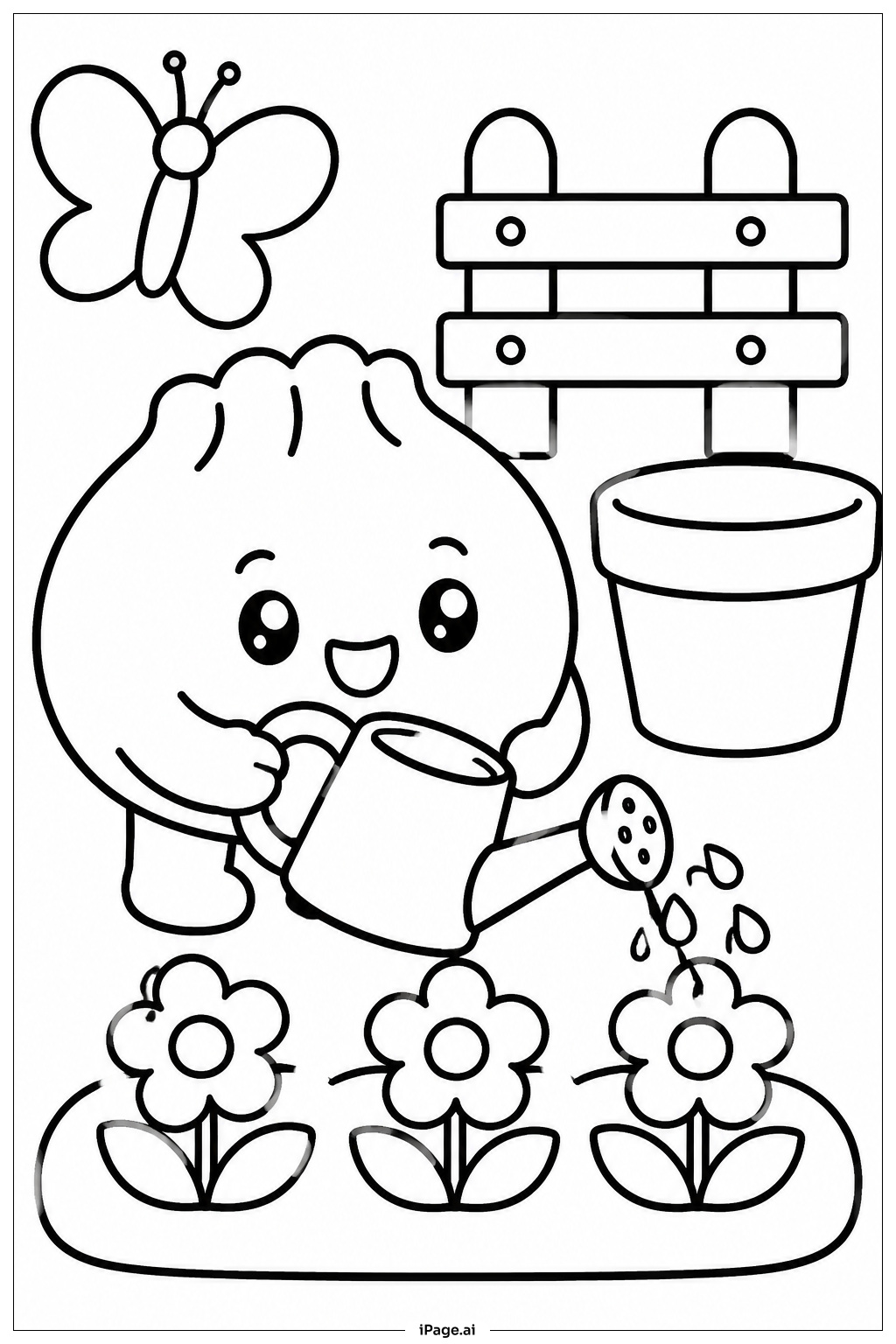
When coloring this delightful Dumpling Squishy Gardening scene, try using bright, cheerful colors to bring the garden to life. You could color the flowers in shades of red, yellow, pink, and purple to create a vibrant bouquet. Use green tones for the leaves and grass—mix light and dark greens for variety. Dumpling Squishy’s hat and clothes can be made colorful with pastel or primary colors. Consider a light blue sky to add freshness, and a shiny silver or gray for the watering can. Don’t forget to color the butterfly with contrasting colors to make it stand out beautifully. Use soft shading for the soil and add some brown hues to garden tools to give them a realistic touch.
Coloring challenges: Which parts are difficult to color and need attention for Dumpling Squishy Gardening coloring page?
• Small Details: The image includes many tiny elements like flower petals, leaves, and gardening tools, which require careful coloring within fine lines. Precision and patience are needed here to keep the colors neat.
• Color Choices: Deciding which colors to use for similar plants and flowers can be tricky. Choosing different shades that look natural but also lively demands some creativity.
• Layering Colors: To achieve depth, especially on the leaves and flowers, layering colors and adding shadows can be challenging for younger colorers who might be new to blending.
• Staying Inside Lines: Since there are many overlapping parts, such as Dumpling Squishy’s hands over the watering can and plants set closely together, maintaining coloring within the lines needs good control.
• Consistency: Coloring the large areas like the sky or soil evenly without streaks or uneven patches might test concentration and technique.
Benefits of coloring books: Advantages of drawing Dumpling Squishy Gardening coloring page
Coloring this Dumpling Squishy Gardening image helps develop fine motor skills and hand-eye coordination, especially when working on the small flowers and intricate details. It encourages creativity as kids choose colors and imagine how to make the garden beautiful. This activity can also be calming and improve focus, helping children to relax and enjoy quiet time. For older kids, practicing shading and blending colors enhances artistic abilities and understanding of color harmony. Plus, learning about gardening through the image promotes curiosity about nature and how plants grow, making coloring both fun and educational.